High-Precision Low Force Sensor Solutions - Advanced Force Measurement Technology

All Categories

Get a Free Quote

Our representative will contact you soon.
Email
Name
Company Name
WhatsApp
Message
0/1000

low force sensor

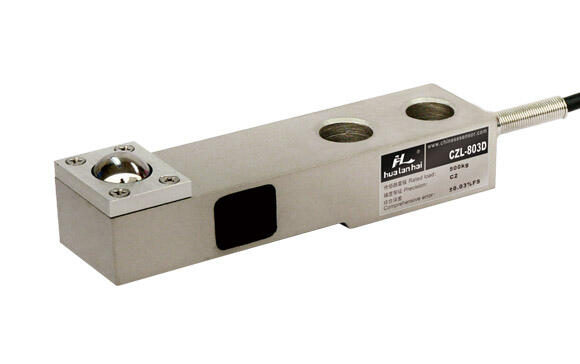
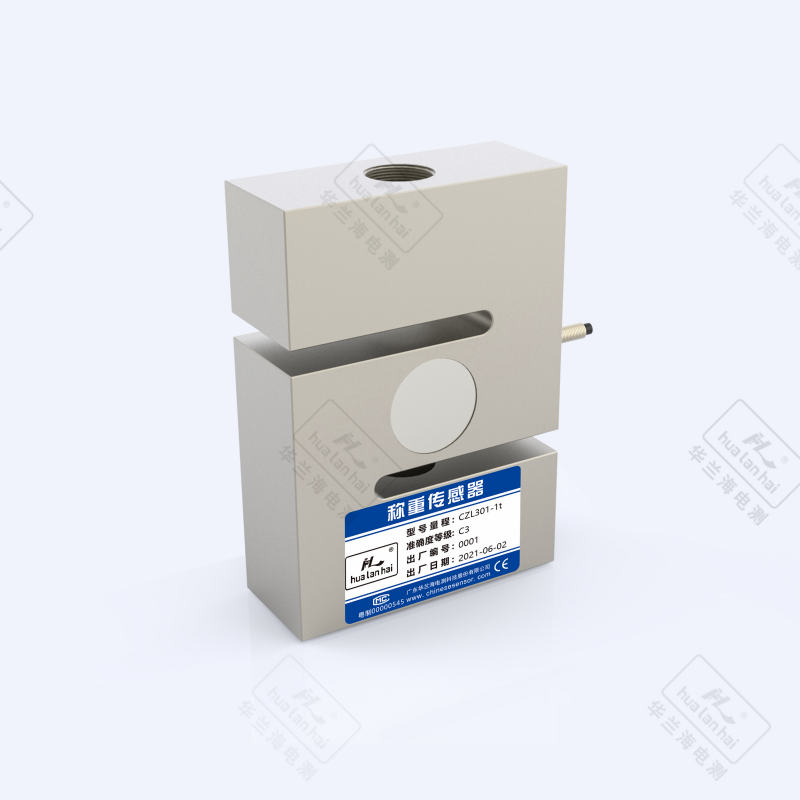
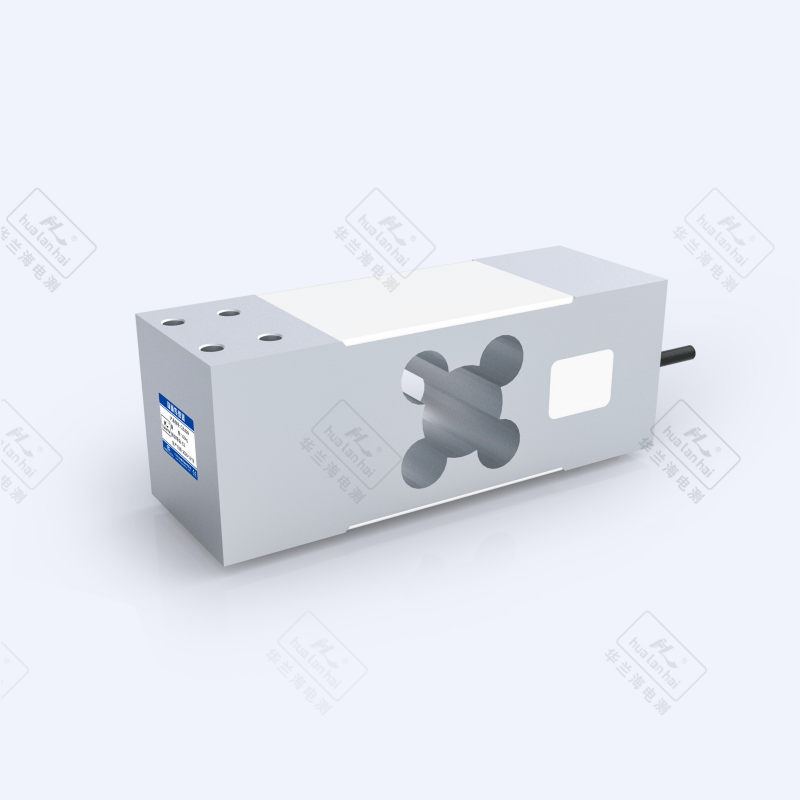
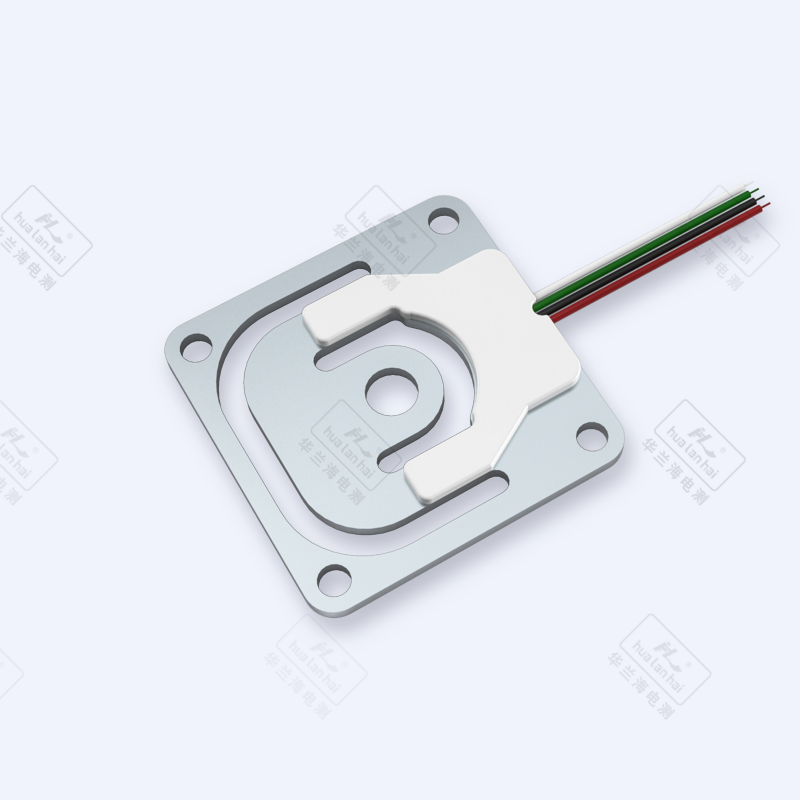
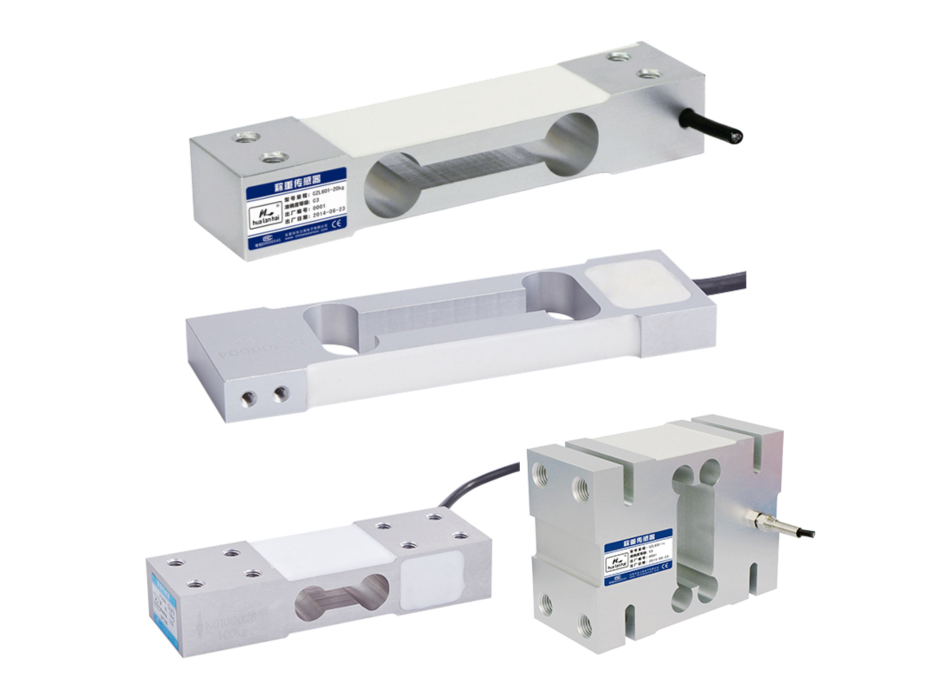
A low force sensor represents a sophisticated measurement device engineered to detect and quantify minimal mechanical forces with exceptional precision and reliability. These advanced sensors excel at measuring forces ranging from millinewtons to several newtons, making them indispensable tools across numerous industries and research applications. The low force sensor operates on various technological principles, including strain gauge technology, capacitive sensing, and piezoelectric mechanisms, each offering distinct advantages for specific measurement requirements. Modern low force sensor designs incorporate cutting-edge materials and miniaturized electronics to achieve unprecedented sensitivity levels while maintaining robust performance characteristics. The primary function of a low force sensor involves converting mechanical force inputs into electrical signals that can be processed, analyzed, and displayed through compatible instrumentation systems. These sensors feature exceptional linearity, minimal hysteresis, and outstanding repeatability, ensuring consistent and accurate measurements even in demanding operational environments. The technological architecture of a low force sensor typically includes a sensitive element, signal conditioning circuitry, and output interface components, all integrated within a compact housing designed for easy installation and maintenance. Temperature compensation mechanisms ensure stable performance across wide temperature ranges, while advanced filtering techniques eliminate noise and interference that could compromise measurement accuracy. Low force sensor applications span numerous sectors, including medical device testing, pharmaceutical research, automotive component evaluation, aerospace material analysis, and precision manufacturing quality control. In research laboratories, these sensors enable scientists to investigate material properties, biomechanical behaviors, and micro-mechanical phenomena with unprecedented detail. Industrial applications leverage low force sensor capabilities for product development, quality assurance, and process optimization, contributing to improved manufacturing efficiency and product reliability. The versatility of low force sensor technology makes it an essential tool for applications requiring precise force measurement at minimal force levels, where traditional sensors lack sufficient sensitivity or accuracy.

New Product Recommendations

Low force sensor technology delivers remarkable advantages that transform how organizations approach precision force measurement and analysis. The exceptional sensitivity of these sensors enables detection of forces as small as microNewtons, opening possibilities for applications previously considered impossible with conventional measurement equipment. This extraordinary sensitivity translates directly into enhanced product quality, improved research capabilities, and superior process control across diverse industries. The compact design of modern low force sensor systems provides significant space-saving benefits, allowing integration into confined spaces and portable equipment without compromising measurement performance. This miniaturization advantage proves particularly valuable in laboratory settings, manufacturing environments, and field applications where space constraints limit equipment options. The rapid response time of low force sensor technology ensures real-time monitoring capabilities, enabling immediate detection of force variations and dynamic changes that could impact product quality or safety. This quick response capability proves essential for automated systems, quality control processes, and research applications requiring instantaneous feedback. The outstanding accuracy and repeatability of low force sensor measurements reduce measurement uncertainty, improve data reliability, and enhance overall system performance. Organizations benefit from reduced waste, improved product consistency, and enhanced customer satisfaction through more precise quality control processes. The digital output capabilities of modern low force sensor systems facilitate seamless integration with computer systems, data acquisition equipment, and automated control systems, eliminating manual data recording errors and improving workflow efficiency. This digital connectivity enables advanced data analysis, trend monitoring, and predictive maintenance strategies that optimize operational performance. The robust construction of professional-grade low force sensor units ensures reliable operation in challenging environments, including temperature extremes, vibration conditions, and contaminated atmospheres. This durability translates into reduced maintenance costs, extended service life, and improved return on investment for organizations implementing these measurement solutions. The calibration stability of quality low force sensor systems minimizes drift over time, reducing recalibration frequency and maintaining measurement accuracy throughout extended operational periods. This stability advantage reduces operational costs and ensures consistent measurement performance. The versatility of low force sensor technology accommodates various mounting configurations, measurement ranges, and environmental requirements, providing flexibility for diverse applications. Organizations can standardize on low force sensor platforms while addressing multiple measurement requirements, simplifying procurement, training, and maintenance procedures while achieving consistent measurement performance across different applications.

Tips And Tricks

Conquering The

25

Nov

Conquering The "Bottleneck" Technologies Is The Greatest Motivation

View More
Guide to Selecting Load Cells

25

Nov

Guide to Selecting Load Cells

View More
Selection Method of Resistance Strain Gauges

25

Nov

Selection Method of Resistance Strain Gauges

View More

Get a Free Quote

Our representative will contact you soon.
Email
Name
Company Name
WhatsApp
Message
0/1000

low force sensor

Unmatched Precision and Sensitivity Performance

Unmatched Precision and Sensitivity Performance

The precision and sensitivity performance of modern low force sensor technology represents a quantum leap forward in measurement capability, delivering accuracy levels that were previously unattainable with conventional force measurement equipment. These sophisticated sensors achieve resolution capabilities measuring forces down to microNewton levels, enabling detection of the slightest mechanical variations that could indicate critical changes in material properties, component performance, or process conditions. The exceptional precision of low force sensor systems stems from advanced transduction technologies, sophisticated signal processing algorithms, and meticulous manufacturing processes that eliminate common sources of measurement error and drift. Temperature compensation systems ensure measurement accuracy remains consistent across wide temperature ranges, while advanced filtering techniques eliminate electrical noise and mechanical vibrations that could compromise measurement integrity. The high-resolution analog-to-digital conversion systems employed in premium low force sensor designs preserve measurement detail throughout the entire signal chain, from initial force detection through final data output. This preservation of measurement fidelity enables researchers and engineers to identify subtle patterns, trends, and anomalies that might indicate emerging problems or optimization opportunities. The linearity characteristics of quality low force sensor systems ensure proportional response across the entire measurement range, eliminating the need for complex correction factors or lookup tables that could introduce additional uncertainty. The minimal hysteresis properties of these sensors guarantee consistent readings regardless of loading direction or measurement history, providing reliable data for both static and dynamic force measurement applications. Calibration procedures for low force sensor systems utilize certified reference standards traceable to national measurement institutes, ensuring measurement accuracy that meets or exceeds international quality standards. The long-term stability of these sensors minimizes measurement drift over extended periods, reducing the frequency of recalibration requirements and maintaining measurement confidence throughout the sensor's operational lifetime. Advanced diagnostics capabilities built into modern low force sensor systems provide real-time monitoring of sensor health, alerting users to potential issues before they impact measurement accuracy and enabling proactive maintenance strategies that maximize system availability and performance reliability.
Seamless Integration and Digital Connectivity

Seamless Integration and Digital Connectivity

The seamless integration capabilities and advanced digital connectivity features of contemporary low force sensor systems revolutionize how organizations implement precision force measurement solutions within existing workflows and technological infrastructure. Modern low force sensor designs incorporate standardized digital communication protocols, including USB, Ethernet, RS-232, and industrial fieldbus interfaces, enabling direct connection to computers, data acquisition systems, programmable logic controllers, and supervisory control systems without requiring additional interface hardware or signal conditioning equipment. This plug-and-play connectivity approach dramatically reduces implementation complexity, eliminates potential sources of signal degradation, and accelerates deployment timelines for new measurement applications. The digital output format of low force sensor data eliminates analog signal transmission issues, such as electromagnetic interference, cable resistance effects, and signal attenuation over long distances, ensuring measurement integrity throughout the entire data path from sensor to final analysis system. Software development kits and application programming interfaces provided with professional low force sensor systems enable custom integration with proprietary software applications, laboratory information management systems, and manufacturing execution systems, facilitating seamless data flow and eliminating manual data transfer requirements. Real-time streaming capabilities of advanced low force sensor systems support high-speed data acquisition applications, enabling capture of dynamic force events, transient phenomena, and rapid process variations that could impact product quality or safety. The scalability of digital low force sensor networks allows organizations to expand measurement capabilities incrementally, adding sensors as requirements grow without redesigning existing infrastructure or replacing previously installed equipment. Cloud connectivity features available in next-generation low force sensor systems enable remote monitoring, data logging, and analysis capabilities that support distributed operations, off-site expertise access, and predictive maintenance strategies. The standardized data formats output by modern low force sensor systems facilitate integration with popular analysis software packages, statistical analysis tools, and quality management systems, enabling immediate utilization of measurement data for decision-making processes. Automated calibration and self-diagnostic features embedded in intelligent low force sensor designs reduce maintenance requirements while ensuring continued measurement accuracy and reliability throughout the sensor's operational lifetime.
Versatile Applications and Industry-Specific Solutions

Versatile Applications and Industry-Specific Solutions

The remarkable versatility and adaptability of low force sensor technology enable deployment across an extraordinary range of applications and industries, from cutting-edge research laboratories to high-volume manufacturing environments, each benefiting from the unique capabilities these sensors provide for precision force measurement and analysis. In medical device development and testing, low force sensor systems enable evaluation of surgical instruments, prosthetic devices, and diagnostic equipment, ensuring products meet stringent safety and performance requirements while facilitating regulatory compliance through documented measurement procedures and traceable calibration standards. Pharmaceutical research applications leverage low force sensor capabilities for tablet hardness testing, capsule integrity evaluation, and drug delivery mechanism analysis, contributing to product quality, patient safety, and manufacturing process optimization. The aerospace industry utilizes low force sensor technology for composite material testing, component fatigue analysis, and precision assembly verification, ensuring aircraft components meet critical safety margins while optimizing weight and performance characteristics. Automotive manufacturers implement low force sensor systems for component testing, material evaluation, and quality control processes, contributing to vehicle safety, reliability, and customer satisfaction through improved manufacturing precision and consistency. Electronics manufacturing operations employ low force sensor technology for connector insertion force testing, component placement verification, and assembly quality control, ensuring product reliability and reducing warranty costs through improved manufacturing processes. Research institutions utilize low force sensor systems for biomechanical studies, material science investigations, and fundamental physics research, enabling discoveries and innovations that advance scientific understanding and technological capability. The food industry benefits from low force sensor applications in texture analysis, packaging integrity testing, and processing equipment monitoring, ensuring product quality, safety, and consistency while optimizing manufacturing efficiency and reducing waste. Precision manufacturing sectors implement low force sensor technology for micro-assembly operations, quality verification processes, and automated production control, achieving manufacturing tolerances and quality levels previously considered unattainable. The adaptability of low force sensor systems accommodates custom mounting configurations, specialized environmental requirements, and unique measurement challenges, enabling solutions for applications where standard measurement equipment proves inadequate or unsuitable for specific operational requirements and performance expectations.
Get a Free Quote

Our representative will contact you soon.
Email
Name
Company Name
WhatsApp
Message
0/1000