High-Precision Large Force Sensors - Industrial Force Measurement Solutions

All Categories

Get a Free Quote

Our representative will contact you soon.
Email
Name
Company Name
WhatsApp
Message
0/1000

large force sensor

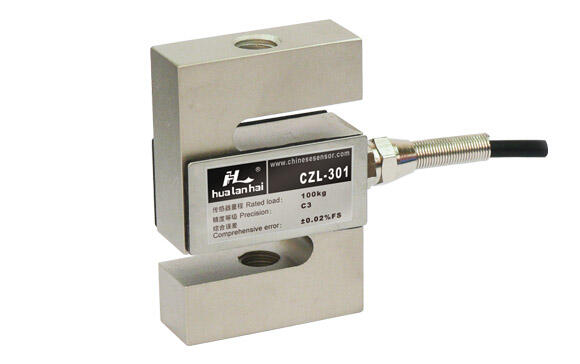
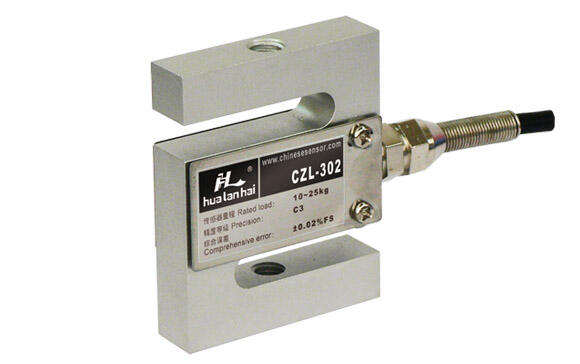
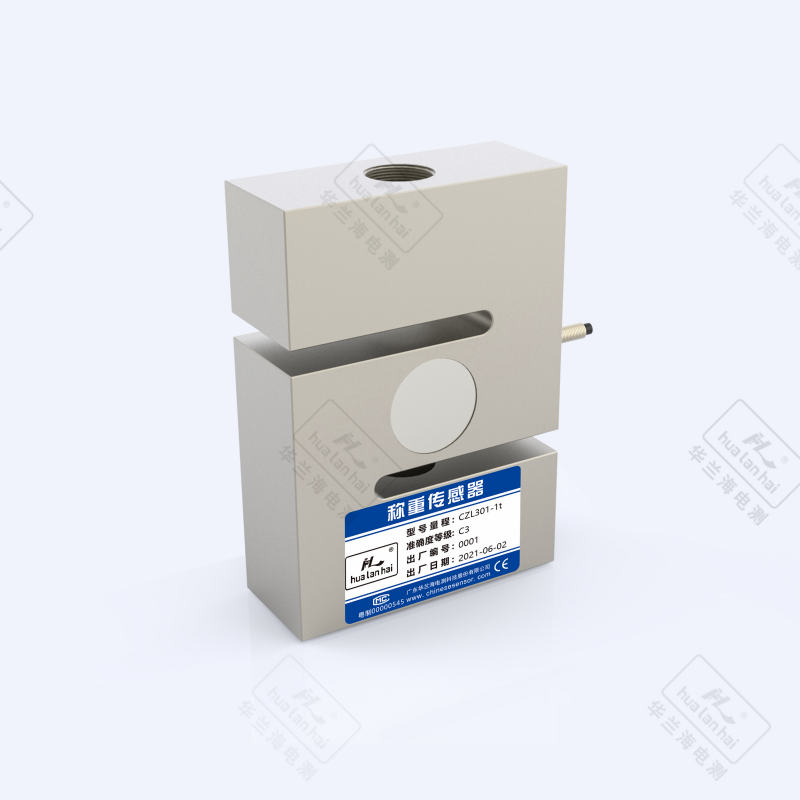
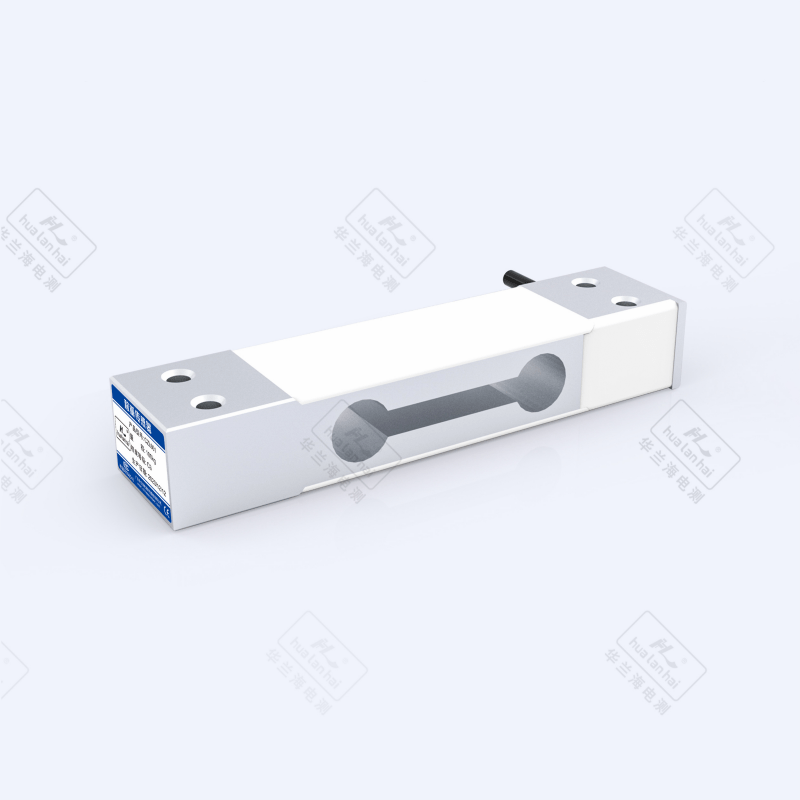
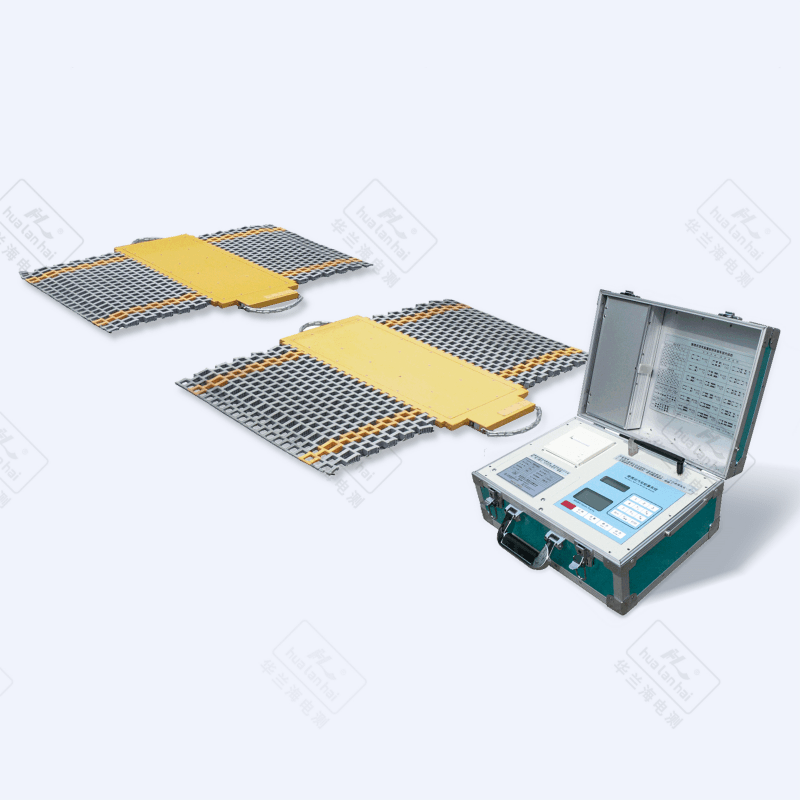
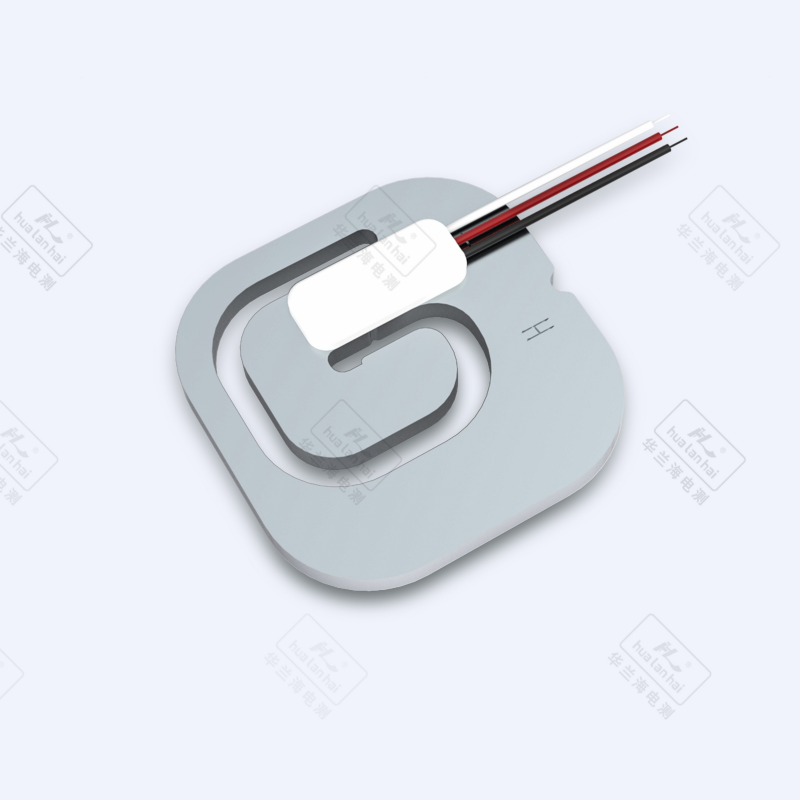
A large force sensor represents an advanced measurement device engineered to detect and quantify substantial mechanical forces across diverse industrial applications. These sophisticated instruments operate through various technological principles, including strain gauge technology, piezoelectric elements, and hydraulic mechanisms, enabling precise measurement of forces ranging from hundreds of pounds to several tons. The primary function of a large force sensor centers on converting mechanical force into electrical signals that can be processed, recorded, and analyzed by control systems. Modern large force sensor designs incorporate high-precision components that deliver exceptional accuracy even under extreme loading conditions. The technological architecture typically features robust construction materials such as stainless steel or specialized alloys that withstand harsh environmental conditions while maintaining measurement integrity. Advanced signal processing capabilities ensure stable output across wide temperature ranges and dynamic loading scenarios. These sensors excel in both static and dynamic force measurement applications, providing real-time data acquisition for monitoring, control, and safety systems. The integration capabilities allow seamless connection with industrial automation networks, SCADA systems, and data logging equipment. Large force sensor applications span multiple industries including manufacturing, aerospace, automotive testing, structural monitoring, and heavy machinery operations. In manufacturing environments, these sensors monitor press operations, assembly line forces, and quality control processes. Aerospace applications utilize large force sensors for landing gear testing, engine thrust measurement, and structural load analysis. The automotive sector employs these devices for crash testing, component durability evaluation, and production line quality assurance. Construction and civil engineering projects rely on large force sensors for structural health monitoring, load testing of bridges and buildings, and foundation analysis. Mining and heavy equipment industries use these sensors to monitor hydraulic systems, conveyor belt tensions, and equipment loading conditions.
New Product Releases

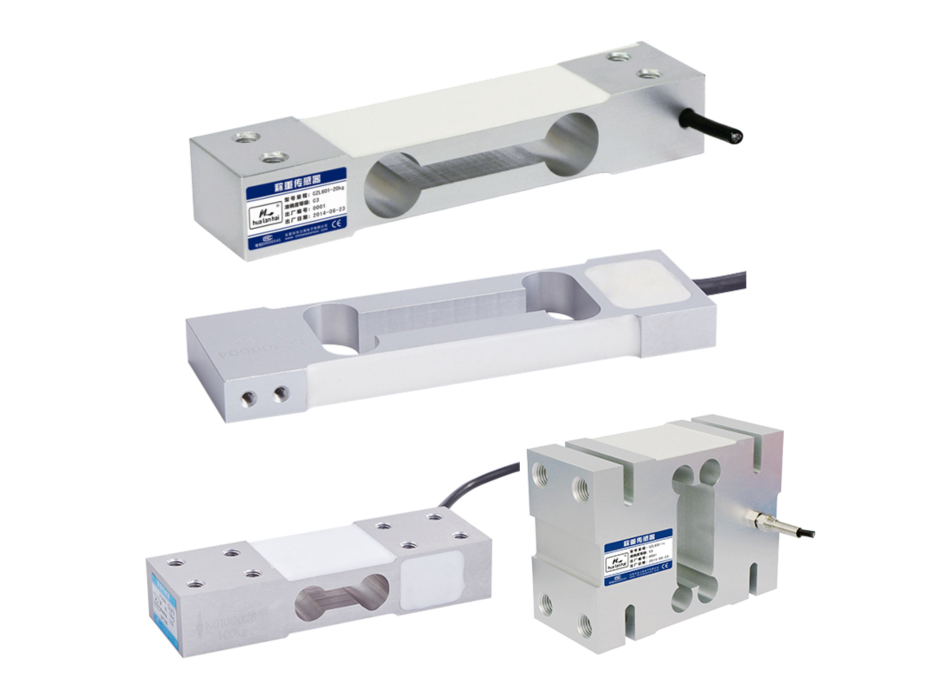
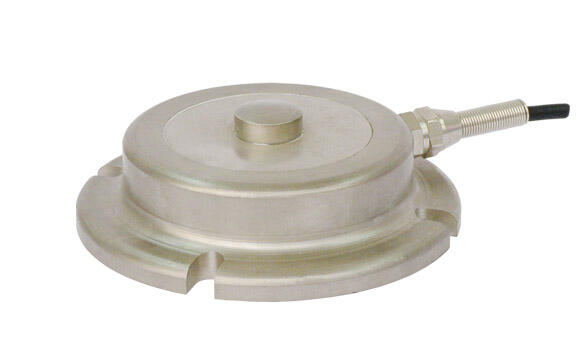
Large force sensor technology delivers exceptional measurement accuracy that significantly surpasses traditional mechanical gauges and visual inspection methods. This precision enables manufacturers to maintain tighter quality control standards, reduce product defects, and optimize production processes with confidence in their measurement data. The robust construction of these sensors provides long-term reliability in demanding industrial environments, eliminating frequent calibration requirements and reducing maintenance costs associated with less durable alternatives. Digital output capabilities facilitate seamless integration with modern control systems, enabling automated process control and real-time monitoring without manual intervention. This automation capability reduces labor costs while improving response times to critical force variations that could indicate equipment malfunctions or quality issues. The wide measurement range of large force sensors eliminates the need for multiple specialized instruments, simplifying inventory management and reducing capital equipment investments. Temperature compensation features ensure consistent performance across varying environmental conditions, maintaining accuracy in both indoor and outdoor applications without seasonal adjustments. Fast response times allow detection of rapid force changes, providing early warning systems for equipment protection and process optimization. The electrical output format enables remote monitoring capabilities, allowing operators to track force measurements from centralized control rooms or even mobile devices, improving operational efficiency and safety. Calibration stability reduces the frequency of recalibration procedures, minimizing production downtime and associated costs. These sensors demonstrate excellent linearity characteristics, providing proportional output signals that simplify data interpretation and system programming. Overload protection features prevent sensor damage during unexpected force spikes, extending service life and reducing replacement costs. The compact design relative to measurement capacity allows installation in space-constrained applications where traditional mechanical systems would be impractical. User-friendly interface options, including analog and digital outputs, accommodate various control system requirements without additional signal conditioning equipment. Environmental sealing protects internal components from moisture, dust, and corrosive substances, ensuring reliable operation in challenging industrial conditions.

Tips And Tricks

Guide to Selecting Load Cells

25

Nov

Guide to Selecting Load Cells

View More

Get a Free Quote

Our representative will contact you soon.
Email
Name
Company Name
WhatsApp
Message
0/1000

large force sensor

Unmatched Precision and Reliability in Critical Applications

Unmatched Precision and Reliability in Critical Applications

The exceptional precision capabilities of large force sensor technology revolutionize how industries approach force measurement and process control. These advanced sensors deliver measurement accuracies typically within 0.1% to 0.25% of full scale, providing the precision necessary for critical applications where even small variations can impact product quality or safety outcomes. This level of accuracy enables manufacturers to detect minute changes in production processes that might indicate equipment wear, material inconsistencies, or operational inefficiencies before they escalate into costly problems. The reliability factor extends beyond mere accuracy specifications, encompassing long-term stability that maintains measurement integrity over millions of loading cycles. Professional-grade large force sensors undergo rigorous testing protocols including temperature cycling, vibration exposure, and accelerated aging procedures to ensure consistent performance throughout their operational lifetime. The internal compensation mechanisms automatically adjust for environmental factors such as temperature fluctuations and electromagnetic interference, maintaining measurement accuracy without operator intervention. This reliability translates directly into reduced maintenance schedules, fewer production interruptions, and lower total cost of ownership compared to alternative measurement solutions. Quality assurance processes in manufacturing benefit tremendously from this precision, enabling statistical process control implementations that identify trends and variations with confidence. The repeatability characteristics ensure that identical loading conditions produce consistent readings, facilitating accurate comparative analysis and process optimization efforts. Advanced signal processing algorithms filter noise and interference while preserving measurement resolution, delivering clean, stable outputs even in electrically noisy industrial environments. The precision advantage becomes particularly valuable in applications requiring traceability to national standards, where documented accuracy supports regulatory compliance and quality certifications. This combination of precision and reliability establishes large force sensors as indispensable tools for modern manufacturing and testing applications.
Versatile Integration Capabilities for Modern Industrial Systems

Versatile Integration Capabilities for Modern Industrial Systems

Modern large force sensor designs prioritize seamless integration with contemporary industrial control and monitoring systems, offering multiple connectivity options that accommodate diverse technological infrastructures. These sensors provide standard analog outputs including 4-20mA current loops and voltage signals, ensuring compatibility with legacy control systems while supporting digital communication protocols such as Modbus, Profibus, and Ethernet-based networks for Industry 4.0 implementations. The flexible output configurations eliminate the need for additional signal conditioning equipment in most applications, reducing system complexity and installation costs. Real-time data transmission capabilities enable immediate response to force variations, supporting automated control loops that adjust process parameters instantaneously based on measured force values. This integration versatility extends to software compatibility, with many large force sensors offering direct support for popular industrial software platforms including LabVIEW, SCADA systems, and custom application programming interfaces. The plug-and-play functionality simplifies installation procedures, reducing setup time and technical expertise requirements for system integrators. Advanced models incorporate onboard data logging capabilities, storing measurement history locally for trend analysis and diagnostic purposes even during communication interruptions. The scalability of these integration solutions allows single-sensor installations to expand into multi-point monitoring networks without significant infrastructure modifications. Wireless communication options eliminate cabling requirements in remote or rotating applications, providing measurement data accessibility in previously challenging installation scenarios. The standardized mounting configurations and electrical connections ensure consistent integration approaches across different sensor models and capacities, simplifying maintenance procedures and spare parts management. Configuration software tools enable remote calibration, parameter adjustment, and diagnostic functions, reducing the need for on-site technical visits and minimizing production disruptions. This comprehensive integration capability positions large force sensors as central components in intelligent manufacturing systems that optimize performance through continuous monitoring and automated adjustments.
Superior Durability and Cost-Effectiveness for Long-Term Operations

Superior Durability and Cost-Effectiveness for Long-Term Operations

The exceptional durability characteristics of large force sensors deliver outstanding long-term value through extended operational lifespans and minimal maintenance requirements in demanding industrial environments. These sensors incorporate premium materials including corrosion-resistant stainless steel housings, sealed bearing assemblies, and environmental protection ratings up to IP68, ensuring reliable operation in harsh conditions including exposure to chemicals, moisture, extreme temperatures, and mechanical vibrations. The robust mechanical design withstands overload conditions up to 150% of rated capacity without permanent damage, protecting the investment during unexpected force spikes or operational errors. This overload protection eliminates the catastrophic failures common with less robust measurement devices, preventing costly production interruptions and emergency replacement expenses. The fatigue resistance characteristics enable millions of loading cycles without degradation in measurement accuracy, making these sensors ideal for high-cycle applications such as automated production lines and continuous monitoring systems. Temperature compensation features maintain accuracy across operating ranges from -40°C to +85°C, eliminating seasonal recalibration requirements and ensuring consistent performance in varying environmental conditions. The sealed construction prevents contamination from dust, debris, and process materials, reducing internal component wear and extending service intervals significantly compared to unsealed alternatives. Economic benefits accumulate through reduced calibration frequency, with drift specifications typically allowing annual rather than monthly verification procedures, minimizing production downtime and calibration costs. The standardized replacement procedures and interchangeable mounting systems facilitate quick sensor exchanges when necessary, reducing maintenance labor costs and inventory requirements. Long warranty periods, often extending to multiple years, demonstrate manufacturer confidence in durability while providing cost protection for end users. The total cost of ownership analysis consistently favors large force sensors over alternative measurement methods when considering accuracy, reliability, maintenance costs, and operational lifespan factors. This durability advantage becomes particularly valuable in remote installations or continuous operation applications where accessibility for maintenance is limited and reliability is paramount for operational success.

Get a Free Quote

Our representative will contact you soon.
Email
Name
Company Name
WhatsApp
Message
0/1000