Professional Cylinder Pressure Sensors - Advanced Engine Monitoring Solutions

All Categories

Get a Free Quote

Our representative will contact you soon.
Email
Name
Company Name
WhatsApp
Message
0/1000

cylinder pressure sensor

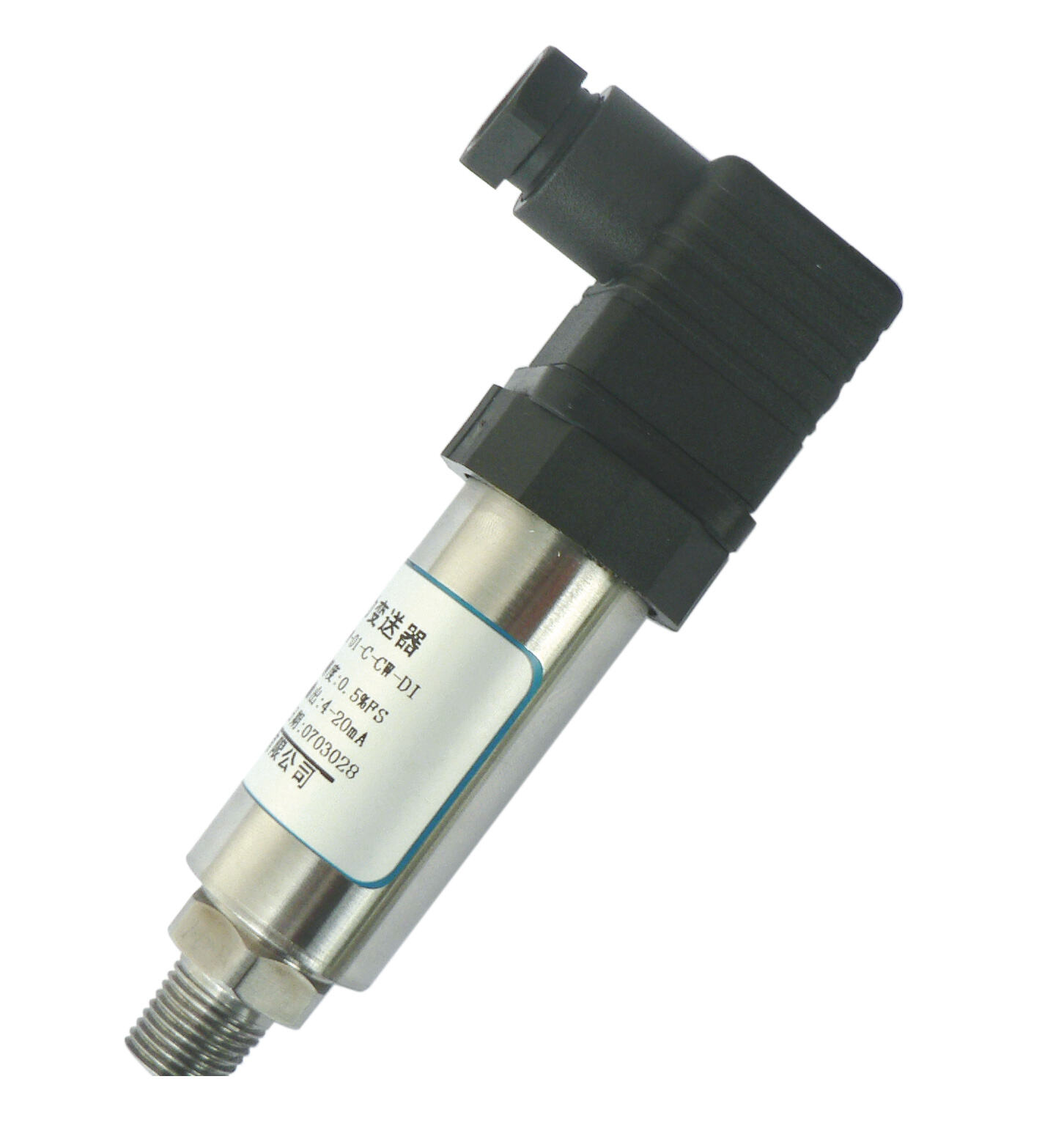
A cylinder pressure sensor represents a critical measurement device designed to monitor and analyze combustion pressure within internal combustion engines. This sophisticated sensor operates by detecting pressure variations inside engine cylinders throughout the complete combustion cycle, providing essential data for engine optimization, performance enhancement, and diagnostic applications. The cylinder pressure sensor utilizes advanced piezoelectric or piezoresistive technology to convert mechanical pressure forces into measurable electrical signals with exceptional accuracy and reliability. Modern cylinder pressure sensors feature robust construction materials including high-grade steel housings and specialized diaphragms that withstand extreme temperatures, pressures, and vibrations commonly encountered in automotive and industrial engine environments. These sensors typically operate across wide pressure ranges, from vacuum conditions to several hundred bar, while maintaining precise measurement capabilities throughout their operational lifespan. The technological architecture incorporates temperature compensation mechanisms that ensure consistent performance across varying thermal conditions, while integrated signal conditioning electronics provide clean, stable output signals suitable for direct connection to engine control units, data acquisition systems, or diagnostic equipment. Cylinder pressure sensors find extensive applications in automotive research and development, where engineers utilize real-time pressure data to optimize fuel injection timing, ignition parameters, and combustion efficiency. Industrial applications include power generation facilities, marine engines, and heavy machinery where continuous monitoring enables predictive maintenance strategies and performance optimization. Racing applications benefit from cylinder pressure sensor technology through detailed analysis of combustion characteristics, enabling teams to extract maximum power while maintaining engine reliability. The sensor's compact design allows installation in confined spaces without compromising engine operation, while quick-disconnect fittings facilitate rapid sensor replacement during maintenance procedures. Advanced models feature digital communication protocols that integrate seamlessly with modern engine management systems, enabling sophisticated control algorithms and real-time optimization strategies.
New Product Recommendations

Cylinder pressure sensors deliver substantial operational benefits that directly impact engine performance, maintenance costs, and overall system reliability. These devices provide real-time combustion monitoring capabilities that enable immediate detection of engine irregularities, preventing costly damage and extending equipment lifespan significantly. The precise pressure measurements allow operators to optimize fuel consumption patterns, reducing operational expenses while simultaneously decreasing harmful emissions output. Installation of cylinder pressure sensors eliminates guesswork from engine tuning procedures, replacing subjective assessments with objective, quantifiable data that ensures consistent results across multiple engines or applications. Maintenance scheduling becomes predictive rather than reactive, as pressure data reveals developing issues before they cause catastrophic failures, saving substantial repair costs and minimizing downtime periods. The sensors enable precise control of combustion timing, resulting in improved power output and enhanced fuel efficiency that translates directly into reduced operating costs for commercial applications. Quality control processes benefit tremendously from cylinder pressure sensor implementation, as manufacturing facilities can verify engine performance specifications objectively during production testing phases. Troubleshooting procedures become significantly more efficient when technicians access detailed pressure profiles that pinpoint specific cylinder performance issues, reducing diagnostic time and labor costs substantially. Research and development teams leverage cylinder pressure sensor data to validate theoretical models, accelerate product development cycles, and achieve breakthrough innovations in engine technology. The sensors provide consistent, repeatable measurements that support regulatory compliance requirements and emissions testing protocols across various industries and applications. Competitive advantages emerge through optimized engine calibrations that maximize performance while meeting stringent environmental standards, positioning businesses ahead of industry competitors. Training programs benefit from real-time pressure visualization that helps technicians understand complex combustion phenomena and develop advanced diagnostic skills more effectively. Fleet operators experience reduced maintenance intervals and improved vehicle reliability through continuous monitoring systems that identify performance degradation trends before they impact service schedules. The technology supports lean manufacturing principles by eliminating unnecessary maintenance activities while ensuring optimal equipment performance through data-driven decision making processes.

Tips And Tricks

Conquering The

25

Nov

Conquering The "Bottleneck" Technologies Is The Greatest Motivation

View More
Guide to Selecting Load Cells

25

Nov

Guide to Selecting Load Cells

View More

Get a Free Quote

Our representative will contact you soon.
Email
Name
Company Name
WhatsApp
Message
0/1000

cylinder pressure sensor

Advanced Real-Time Combustion Analysis

Advanced Real-Time Combustion Analysis

The cylinder pressure sensor revolutionizes engine diagnostics through sophisticated real-time combustion analysis capabilities that provide unprecedented insight into internal engine processes. This advanced monitoring technology captures pressure variations with microsecond precision, enabling detailed examination of combustion events as they occur within each cylinder cycle. Engineers and technicians gain access to comprehensive pressure profiles that reveal critical combustion characteristics including peak pressure timing, pressure rise rates, and combustion duration patterns that directly correlate with engine performance and efficiency metrics. The sensor's high-frequency response capabilities ensure capture of rapid pressure fluctuations during ignition and expansion phases, providing data essential for optimizing injection timing, spark advance, and air-fuel mixture ratios. This real-time analysis functionality enables immediate detection of combustion anomalies such as knock, misfire, or irregular burning patterns that could indicate developing mechanical issues or suboptimal operating conditions. Maintenance teams utilize this information to implement targeted corrective actions before problems escalate into costly repairs or catastrophic failures. Research applications benefit enormously from the detailed combustion data, as engineers can validate theoretical models, test new fuel formulations, and develop innovative combustion strategies with confidence in their measurement accuracy. The cylinder pressure sensor's ability to correlate pressure data with engine operating parameters creates comprehensive performance maps that guide optimization efforts across various load conditions and operating speeds. Quality assurance processes in manufacturing environments rely on these sensors to verify that newly produced engines meet specified performance criteria and emissions standards before delivery to customers. Racing teams leverage real-time combustion analysis to extract maximum performance from competition engines while maintaining reliability under extreme operating conditions. The technology supports advanced engine control strategies that automatically adjust operating parameters based on real-time combustion feedback, enabling adaptive performance optimization that responds to changing fuel quality, environmental conditions, or engine wear patterns. This sophisticated analysis capability transforms traditional maintenance approaches from reactive to predictive, significantly improving operational reliability and cost-effectiveness across diverse applications.
Exceptional Durability and Reliability

Exceptional Durability and Reliability

Cylinder pressure sensors demonstrate remarkable durability and reliability characteristics specifically engineered to withstand the harsh operating environments encountered in modern internal combustion engines. These robust devices feature advanced materials and construction techniques that ensure consistent performance throughout extended service intervals, even under extreme temperature, pressure, and vibration conditions that would compromise lesser sensing technologies. The sensor housing utilizes premium stainless steel alloys and specialized coatings that resist corrosion, thermal degradation, and mechanical wear, maintaining measurement accuracy throughout operational lifespans measured in millions of combustion cycles. High-temperature sealing systems prevent combustion gas infiltration while maintaining pressure measurement integrity, ensuring long-term reliability in applications ranging from passenger vehicles to industrial power generation equipment. Vibration resistance capabilities enable installation on high-performance engines where mechanical stress levels would disable conventional measurement devices, providing stable signal output even under severe operating conditions. The cylinder pressure sensor's electronic components undergo rigorous environmental testing to guarantee performance across wide temperature ranges, electromagnetic interference conditions, and power supply variations commonly encountered in automotive and industrial applications. Redundant design features including multiple sealing barriers, reinforced connection points, and protective housings ensure continued operation even if individual components experience degradation over time. Field-proven reliability statistics demonstrate exceptional mean time between failure rates that support critical applications where measurement system downtime cannot be tolerated. Manufacturing quality control processes include comprehensive testing protocols that verify each sensor's ability to withstand specified environmental stresses before shipment to customers. Installation flexibility accommodates various mounting configurations and space constraints without compromising durability, while standardized connection interfaces ensure compatibility with existing measurement systems. Maintenance requirements remain minimal due to the sensor's robust construction, reducing total ownership costs and simplifying service procedures for operators. The technology's proven track record across diverse applications provides confidence for mission-critical installations where measurement reliability directly impacts safety, performance, or regulatory compliance. Extended warranty programs reflect manufacturer confidence in the cylinder pressure sensor's exceptional durability characteristics, providing additional assurance for customers investing in advanced engine monitoring capabilities.
Seamless Integration and User-Friendly Operation

Seamless Integration and User-Friendly Operation

The cylinder pressure sensor excels in providing seamless integration capabilities and user-friendly operation that simplifies installation, configuration, and ongoing use across diverse applications and skill levels. Modern sensor designs incorporate standardized communication protocols and connection interfaces that ensure compatibility with existing engine management systems, data acquisition equipment, and diagnostic tools without requiring extensive modifications or specialized adapters. Plug-and-play functionality eliminates complex setup procedures, enabling technicians to install and activate sensors quickly using standard tools and connection methods familiar to maintenance personnel. Intuitive software interfaces provide clear visualization of pressure data through graphical displays, trend analysis, and customizable reporting features that make complex combustion information accessible to users regardless of their technical background or experience level. The cylinder pressure sensor's compact form factor facilitates installation in confined engine compartments without interfering with normal maintenance access or component operation, while flexible mounting options accommodate various engine configurations and space constraints. Automatic calibration features eliminate manual adjustment requirements, ensuring measurement accuracy immediately upon installation and throughout the sensor's operational lifespan. Universal mounting hardware and connection systems reduce inventory requirements and simplify replacement procedures, while standardized specifications ensure interchangeability across different engine types and applications. Digital communication capabilities enable remote monitoring and data collection through wireless or wired networks, allowing operators to access critical engine information from central control locations or mobile devices. Built-in diagnostic functions provide continuous self-monitoring that alerts users to potential sensor issues before they affect measurement accuracy, supporting proactive maintenance strategies and minimizing unexpected downtime. Training requirements remain minimal due to intuitive operation and comprehensive documentation that guides users through installation, configuration, and troubleshooting procedures. Technical support services provide responsive assistance for integration challenges or application-specific requirements, ensuring successful implementation regardless of application complexity. The sensor's compatibility with industry-standard analysis software enables seamless data integration with existing workflows and reporting systems, maximizing the value of measurement investments. Cost-effective implementation strategies accommodate various budget levels and application requirements, from basic monitoring needs to comprehensive research and development programs that demand advanced analytical capabilities and extensive data management features.

Get a Free Quote

Our representative will contact you soon.
Email
Name
Company Name
WhatsApp
Message
0/1000