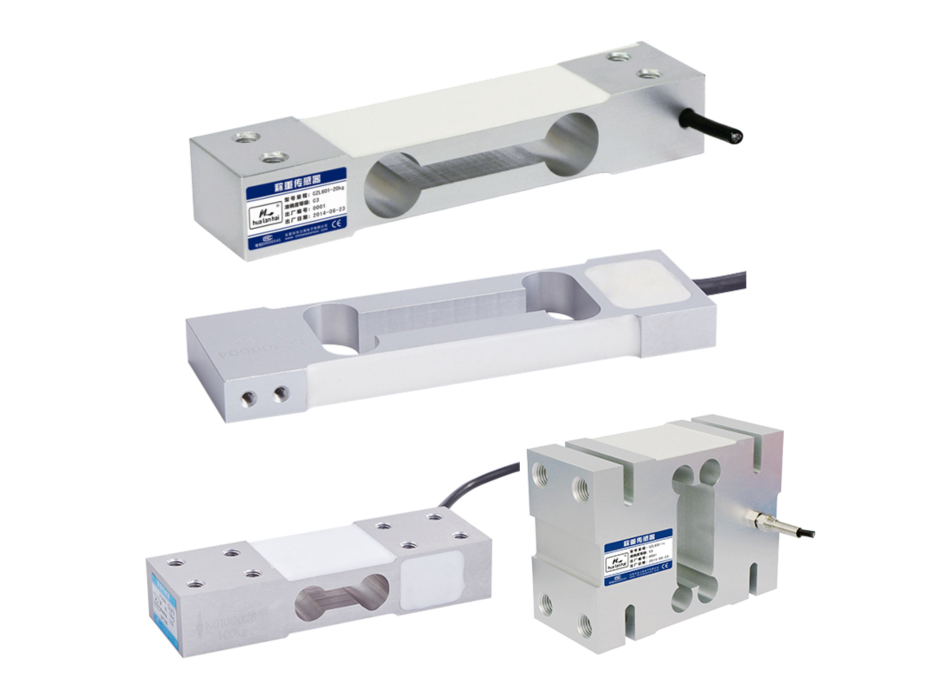
resistive pressure sensor
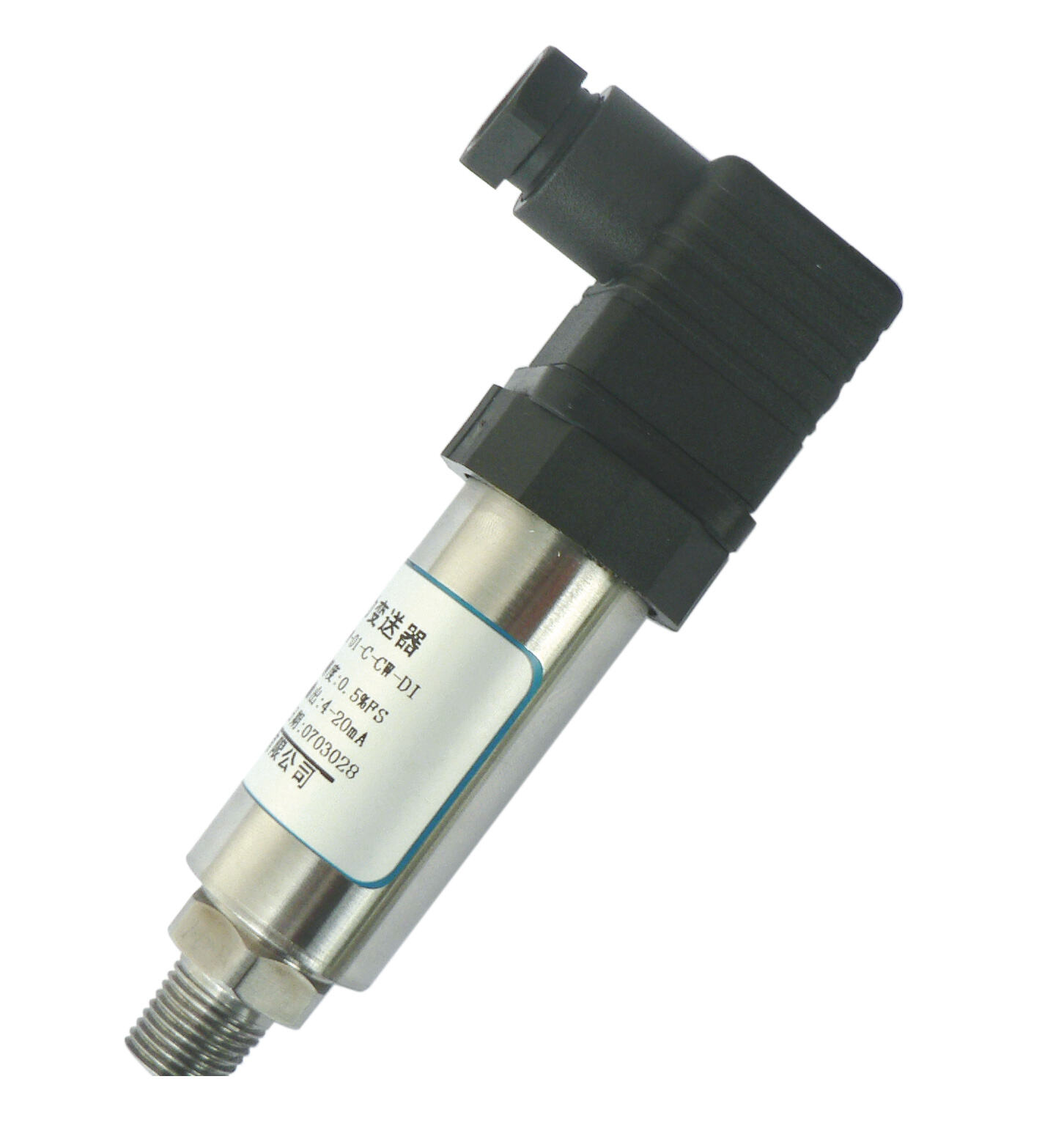
A resistive pressure sensor represents a sophisticated measurement device that converts physical pressure into electrical signals through changes in resistance properties. This technology operates on the fundamental principle that when pressure applies force to a resistive element, the material undergoes deformation, resulting in measurable resistance variations. The resistive pressure sensor utilizes piezoresistive materials, typically silicon-based compounds or metal strain gauges, which exhibit predictable resistance changes when subjected to mechanical stress. These sensors deliver exceptional accuracy in pressure measurement applications across diverse industries. The resistive pressure sensor incorporates a sensing element, signal conditioning circuitry, and protective housing to ensure reliable operation in challenging environments. The sensing mechanism relies on the piezoresistive effect, where mechanical strain directly influences the electrical resistance of the material. When pressure increases, the resistive element experiences compression or tension, causing atomic-level changes that alter electron mobility and resistance values. This transformation enables precise pressure quantification through electrical measurement techniques. Modern resistive pressure sensors feature advanced calibration systems that compensate for temperature variations, environmental factors, and manufacturing tolerances. The technology supports both absolute and differential pressure measurements, making it versatile for numerous applications. The resistive pressure sensor design incorporates temperature compensation circuits that maintain accuracy across wide operating ranges. Digital signal processing capabilities enhance measurement precision and reduce noise interference. The sensor construction typically includes multiple protective layers that shield the sensing element from contamination, moisture, and mechanical damage. Advanced manufacturing processes ensure consistent performance characteristics and long-term stability. The resistive pressure sensor technology continues evolving with improved materials science, miniaturization techniques, and enhanced signal processing algorithms that deliver superior measurement capabilities for modern industrial and commercial applications.

 EN
EN