bending plate weigh in motion system
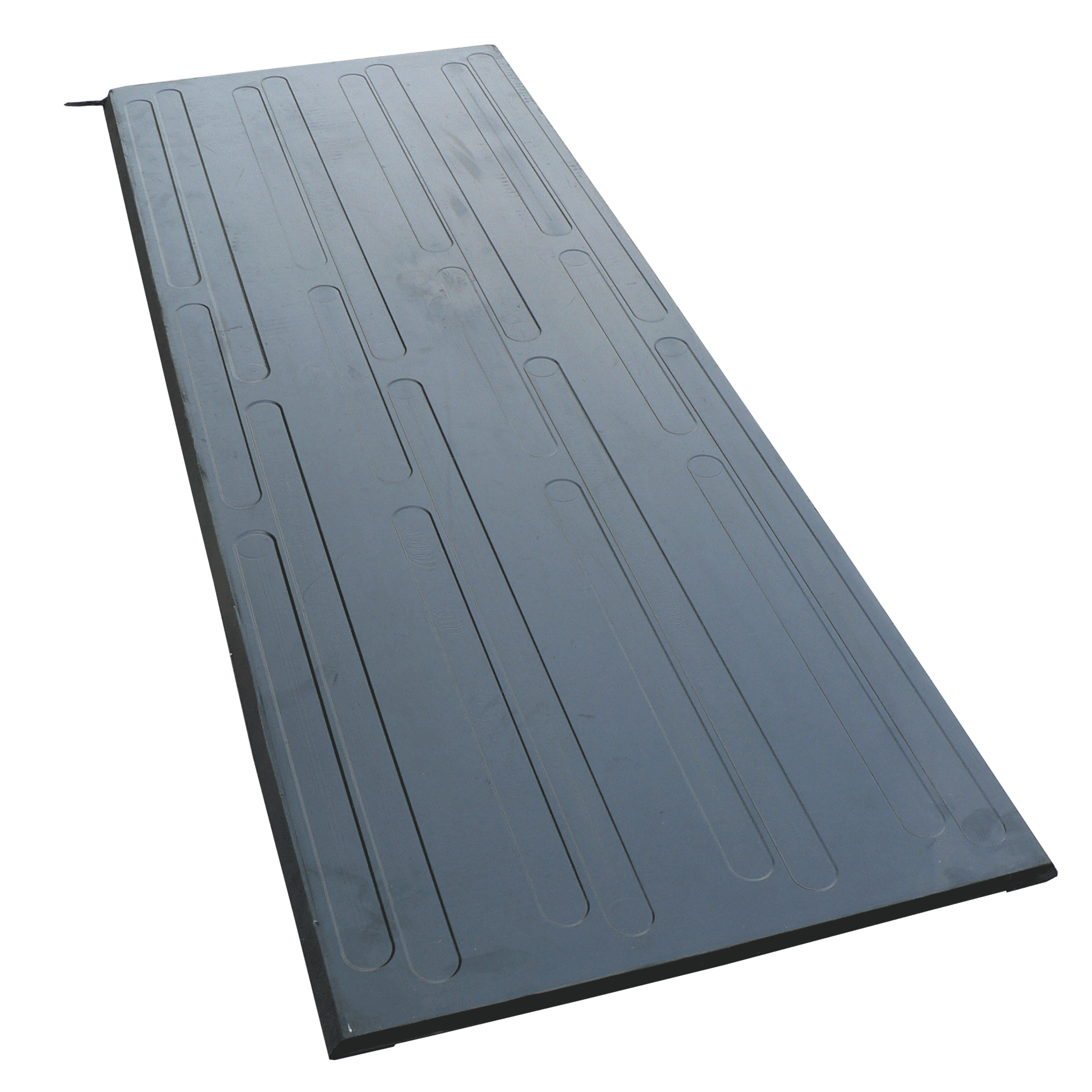
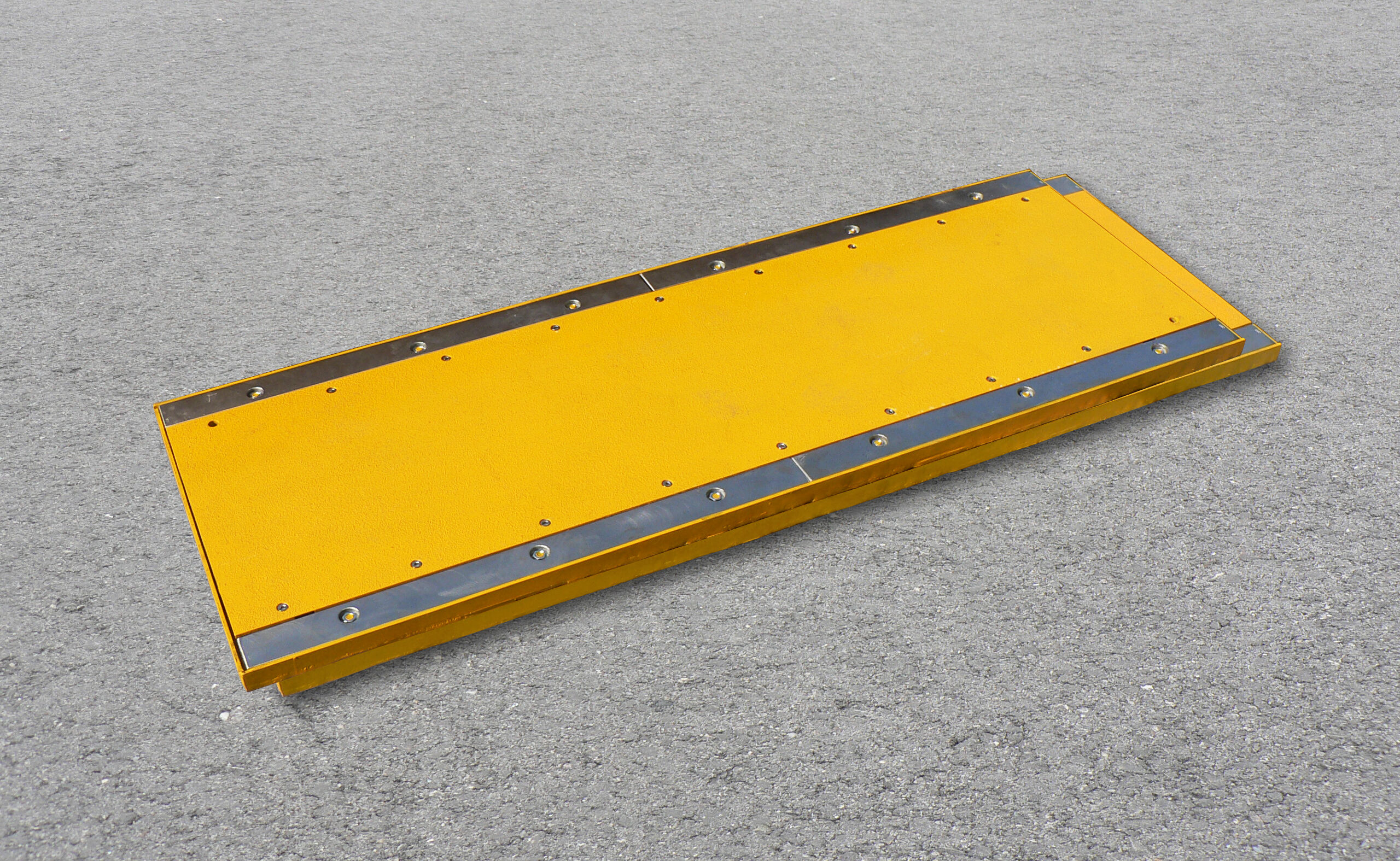
The bending plate weigh in motion system represents a revolutionary advancement in dynamic vehicle weighing technology, designed to accurately measure vehicle weights while maintaining normal traffic flow speeds. This sophisticated weighing solution utilizes strategically positioned bending plates embedded within roadway surfaces to capture precise weight measurements as vehicles traverse the measurement zone. The system employs advanced strain gauge technology integrated into flexible steel plates that bend proportionally under vehicle loads, converting mechanical deformation into electrical signals for weight calculation. The bending plate weigh in motion system operates through a network of sensors that detect axle loads, gross vehicle weights, and axle configurations in real-time without requiring vehicles to stop or slow down significantly. The primary functions encompass traffic monitoring, weight enforcement, toll collection assistance, and infrastructure protection through overload detection. Technological features include high-speed data processing capabilities, weather-resistant construction materials, and calibration systems that maintain accuracy across varying environmental conditions. The system integrates seamlessly with existing traffic management infrastructure, providing comprehensive data collection for transportation authorities. Applications span multiple sectors including highway weight enforcement, bridge load monitoring, commercial vehicle screening, and logistics optimization. The bending plate weigh in motion system delivers exceptional durability through robust construction designed to withstand millions of vehicle passages while maintaining measurement precision. Advanced signal processing algorithms filter environmental noise and vehicle dynamics to ensure consistent accuracy regardless of speed variations or road conditions. Installation flexibility allows deployment in various road configurations including multi-lane highways, single-lane checkpoints, and temporary monitoring locations. The system supports multiple communication protocols for data transmission to central monitoring stations, enabling remote oversight and automated enforcement procedures.

 EN
EN