
 EN
EN
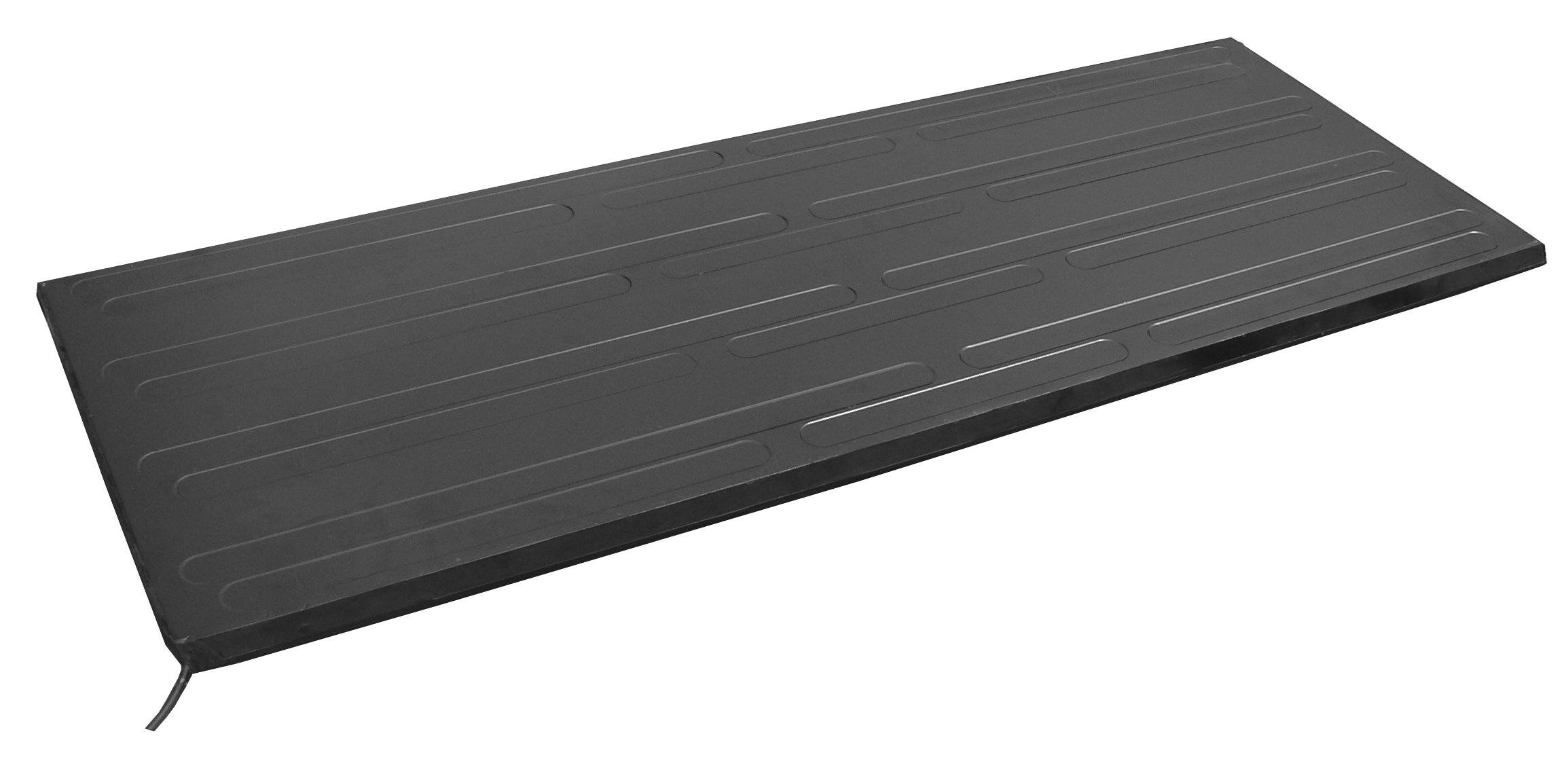
In precision weighing systems, the bending plate serves as a fundamental component that transforms applied loads into measurable electrical signals. This sophisticated mechanism operates on the principle of strain gauge technology, where mechanical deformation creates proportional changes in electrical resistance. Industrial weighing applications rely heavily on the accuracy and reliability of bending plate assemblies to deliver consistent measurement results across diverse operating conditions.
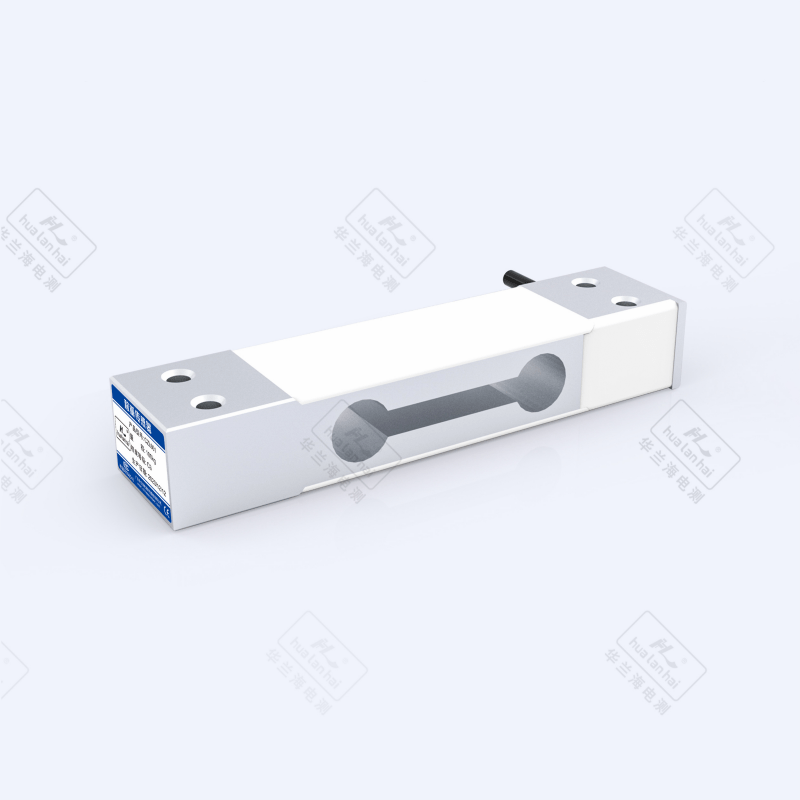
The operational success of modern weighing systems depends on understanding how bending plate technology converts physical forces into accurate digital readings. Manufacturing facilities, laboratories, and commercial operations require precise weight measurements for quality control, inventory management, and regulatory compliance. The bending plate mechanism provides the critical interface between the physical load and electronic measurement systems, ensuring reliable data collection in demanding industrial environments.
Fundamental Principles of Bending Plate Operation
Strain Gauge Integration and Signal Generation
The core functionality of a bending plate relies on strategically positioned strain gauges that detect minute deformations when loads are applied. These precision sensors convert mechanical strain into electrical resistance changes, typically measured in millivolts per volt of excitation. The bending plate structure is engineered to concentrate stress at specific measurement points, maximizing signal strength while maintaining structural integrity under varying load conditions.
Signal conditioning electronics amplify and process the raw strain gauge outputs, converting analog signals into digital format for display and data processing. Advanced bending plate systems incorporate temperature compensation circuits to maintain accuracy across wide operating temperature ranges. The electrical output characteristics of the bending plate assembly must match the requirements of connected instrumentation for optimal system performance and measurement reliability.
Material Properties and Structural Design
High-grade aluminum alloy or stainless steel construction provides the necessary mechanical properties for reliable bending plate operation. The material selection influences factors including load capacity, environmental resistance, and long-term stability. Engineers design the bending plate geometry to create predictable deflection patterns under load while preventing permanent deformation or fatigue failure during extended service life.
The thickness, width, and length dimensions of the bending plate determine its load capacity and sensitivity characteristics. Precision machining processes ensure consistent mechanical properties and accurate strain gauge positioning across production batches. Surface treatments and protective coatings enhance corrosion resistance and environmental durability, extending the operational lifespan of bending plate assemblies in harsh industrial applications.
Load Cell Integration and System Configuration
Parallel Beam Architecture Advantages
Parallel beam load cells utilize multiple bending plate elements to create a highly stable and accurate weighing platform. This configuration provides superior side load rejection and maintains measurement accuracy even when loads are not perfectly centered on the weighing surface. The parallel beam design distributes applied forces evenly across multiple bending plate sensors, improving overall system reliability and reducing the impact of mechanical installation variations.
The mechanical coupling between parallel bending plate elements creates a self-compensating system that automatically corrects for minor alignment issues and thermal effects. This design approach enables consistent performance across different installation configurations and reduces the need for complex calibration procedures. Parallel beam systems with multiple bending plate sensors offer redundancy that enhances system reliability and enables fault detection capabilities.
Single Point Load Cell Applications
Single point load cells incorporate a specially designed bending plate that maintains accuracy regardless of load position on the weighing platform. The bending plate structure includes strategic cutouts and reinforcement areas that create uniform strain distribution across the sensing element. This configuration is particularly valuable in retail scales, portion control systems, and laboratory balances where load positioning cannot be precisely controlled.
The bending plate design in single point systems must balance sensitivity requirements with mechanical robustness to handle off-center loading conditions. Advanced finite element analysis techniques optimize the bending plate geometry to achieve maximum accuracy while maintaining adequate safety margins. Manufacturing tolerances for single point bending plate assemblies require precise control to ensure consistent performance across production quantities.
Environmental Considerations and Protection Methods
Moisture and Contamination Resistance
Industrial environments expose bending plate assemblies to moisture, dust, chemicals, and other contaminants that can affect measurement accuracy and long-term reliability. Proper sealing techniques protect the strain gauge elements and electrical connections from environmental ingress. The bending plate housing design incorporates gaskets, potting compounds, and protective coatings to maintain IP65 or higher environmental protection ratings.
Hermetic sealing methods prevent moisture penetration into the bending plate sensor cavity, eliminating the risk of corrosion and electrical leakage. Stainless steel construction with welded seams provides superior protection compared to mechanical fastening methods. The bending plate surface treatments include specialized coatings that resist chemical attack while maintaining the mechanical properties required for accurate strain measurement.
Temperature Compensation Techniques
Temperature variations affect both the mechanical properties of the bending plate material and the electrical characteristics of strain gauge elements. Compensation circuits within the load cell electronics automatically adjust for thermal effects, maintaining measurement accuracy across the specified operating temperature range. The bending plate design incorporates thermal expansion considerations to prevent stress concentrations that could affect calibration stability.
Advanced bending plate systems utilize temperature sensors and digital signal processing to implement real-time compensation algorithms. These systems continuously monitor thermal conditions and apply correction factors to maintain measurement accuracy within specified tolerance limits. The thermal mass of the bending plate assembly influences response time to temperature changes and determines the required compensation update rates.
Installation Requirements and Best Practices
Mechanical Mounting Considerations
Proper installation of bending plate load cells requires rigid mounting surfaces and precise alignment to ensure optimal performance. The mounting hardware must distribute loads evenly across the bending plate attachment points without introducing unwanted stress concentrations. Installation procedures include torque specifications for mounting bolts and alignment tolerances that maintain the design stress distribution patterns.
The support structure stiffness significantly influences bending plate performance, particularly under dynamic loading conditions. Flexible mounting systems can introduce measurement errors and reduce system accuracy. Installation guidelines specify minimum support structure requirements and recommend vibration isolation techniques where necessary. Proper cable routing prevents strain gauge lead wires from affecting the bending plate mechanical behavior.
Electrical Connection and Signal Integrity
The electrical connections between the bending plate strain gauges and signal conditioning electronics require careful attention to maintain measurement accuracy. Proper cable selection, routing, and termination techniques minimize electrical noise and ensure reliable signal transmission. The bending plate wiring configuration must account for common mode rejection and provide adequate electromagnetic interference protection.
Grounding and shielding practices for bending plate systems follow established industrial instrumentation standards to prevent measurement errors from electrical interference. The signal cable characteristics including capacitance, resistance, and insulation properties affect system performance and calibration stability. Regular inspection and maintenance of electrical connections ensure continued accuracy and prevent premature bending plate system failures.
Calibration Procedures and Accuracy Verification
Initial Calibration Requirements
Accurate calibration establishes the relationship between applied loads and bending plate electrical output signals. The calibration process requires certified reference weights and controlled environmental conditions to ensure traceability to national measurement standards. Multiple calibration points across the full operating range verify the linearity and repeatability of the bending plate response characteristics.
Calibration procedures for bending plate systems include zero adjustment, span setting, and linearity verification steps. The calibration certificate documents the measured performance characteristics and establishes the uncertainty limits for subsequent measurements. Digital load cell systems may incorporate internal calibration memories that store correction factors and compensation parameters specific to each bending plate assembly.
Ongoing Maintenance and Verification
Regular verification checks ensure continued accuracy of bending plate weighing systems throughout their service life. The verification schedule depends on application requirements, environmental conditions, and regulatory compliance needs. Standard verification procedures include zero stability checks, span accuracy tests, and repeatability measurements using certified reference standards.
Maintenance activities for bending plate systems focus on cleaning, inspection, and electrical connection verification. Visual inspection identifies potential mechanical damage, corrosion, or contamination that could affect measurement accuracy. Electrical testing verifies proper strain gauge resistance values and insulation integrity. Documentation of maintenance activities and verification results supports quality management systems and regulatory compliance requirements.
Troubleshooting Common Performance Issues
Signal Drift and Instability Problems
Signal drift in bending plate systems can result from various factors including temperature effects, mechanical stress, electrical interference, or component aging. Systematic troubleshooting procedures identify the root cause of drift problems and guide appropriate corrective actions. Thermal cycling tests help distinguish temperature-related drift from other stability issues affecting bending plate performance.
Electrical noise problems in bending plate systems often originate from improper grounding, electromagnetic interference, or damaged cable connections. Oscilloscope measurements and signal analysis techniques identify noise sources and guide appropriate filtering or shielding solutions. The bending plate signal conditioning electronics may require adjustment or replacement to restore proper operation and measurement accuracy.
Mechanical Damage and Overload Protection
Mechanical overloading can cause permanent damage to bending plate structures, resulting in calibration shift or complete failure. Overload protection mechanisms limit applied forces to safe levels and prevent structural damage during abnormal operating conditions. The bending plate design incorporates safety factors and fail-safe features that protect against accidental overloading while maintaining measurement accuracy under normal conditions.
Impact loading and shock conditions can affect bending plate calibration even when applied forces remain within rated capacity limits. Vibration isolation and shock mounting techniques protect sensitive bending plate assemblies from dynamic loading effects. Regular inspection procedures identify early signs of mechanical damage or fatigue that could compromise measurement accuracy or system reliability.
FAQ
What factors determine the accuracy of a bending plate load cell
The accuracy of a bending plate load cell depends on several key factors including the precision of strain gauge placement, material properties of the sensing element, environmental conditions, and the quality of signal conditioning electronics. Manufacturing tolerances, calibration procedures, and installation methods also significantly influence overall system accuracy. High-quality bending plate designs incorporate temperature compensation, proper environmental sealing, and robust mechanical construction to maintain specified accuracy levels throughout the service life.
How does temperature affect bending plate performance
Temperature variations affect bending plate performance through changes in material properties and strain gauge characteristics. Thermal expansion of the sensing element can introduce apparent load changes, while temperature coefficients of the strain gauges affect electrical output signals. Modern bending plate systems incorporate temperature compensation circuits and algorithms that automatically correct for thermal effects. Proper temperature compensation maintains measurement accuracy within specified limits across the full operating temperature range.
What maintenance is required for bending plate weighing systems
Regular maintenance for bending plate weighing systems includes visual inspection for mechanical damage or contamination, verification of electrical connections, and periodic calibration checks using certified reference weights. Cleaning procedures should use appropriate solvents that do not damage protective coatings or sealing materials. The maintenance schedule depends on environmental conditions, application requirements, and regulatory compliance needs. Documentation of maintenance activities supports quality management systems and helps identify potential issues before they affect measurement accuracy.
Can bending plate load cells be repaired if damaged
Repair options for damaged bending plate load cells depend on the type and extent of damage. Minor electrical problems such as damaged cables or connections can often be repaired by qualified technicians. However, mechanical damage to the sensing element or strain gauge assemblies typically requires factory repair or complete replacement. The sealed construction of most bending plate assemblies makes field repair of internal components impractical. Economic considerations often favor replacement over repair for damaged bending plate systems, particularly when downtime costs are significant.