
 EN
EN
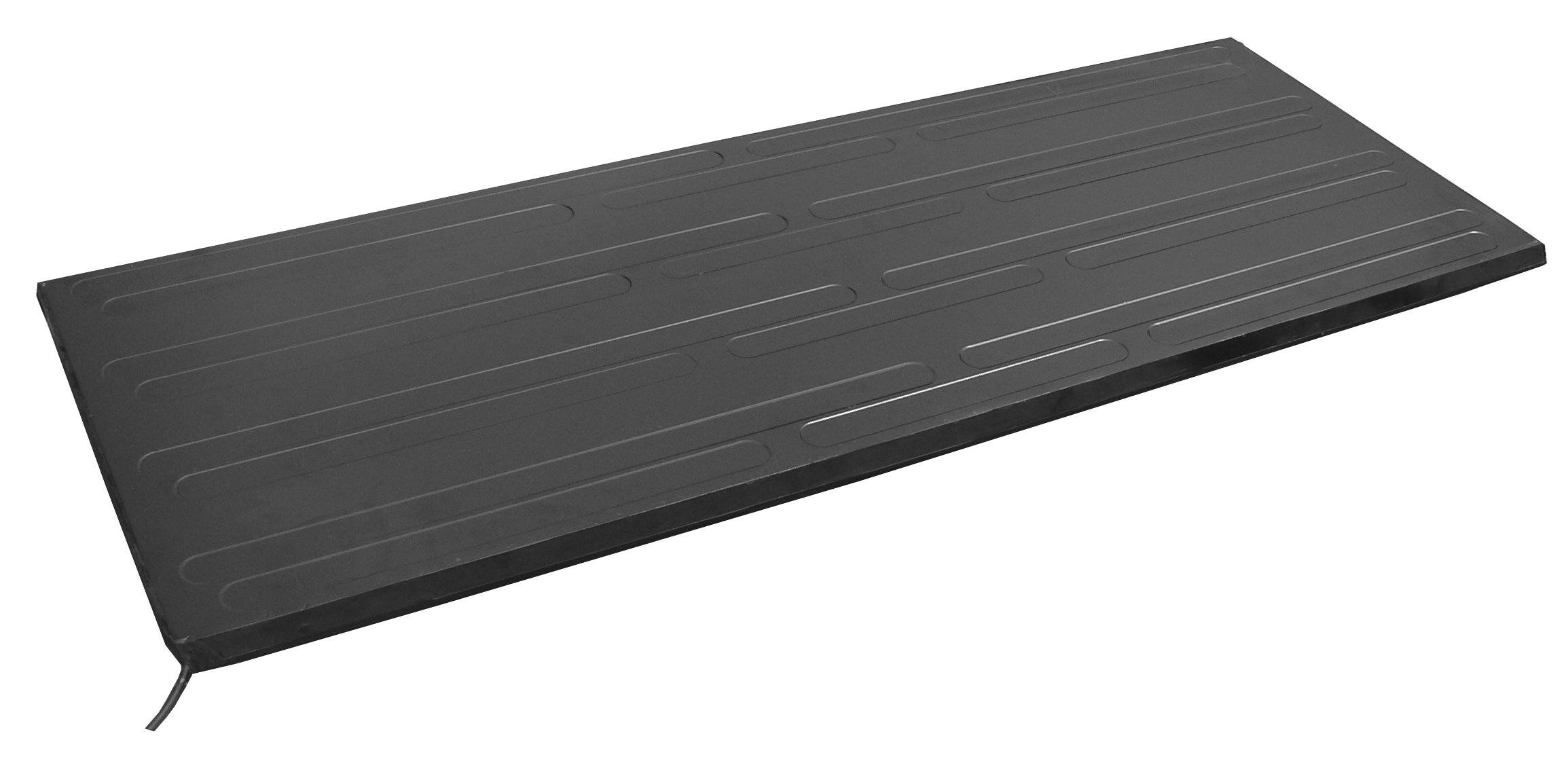
A bending plate serves as a fundamental component in precision weight measurement systems, functioning as the primary mechanical element that transforms applied force into measurable electrical signals. This critical sensor technology relies on the principle of strain measurement, where controlled deformation under load generates proportional electrical output. Industrial applications across manufacturing, logistics, and process control depend on bending plate technology for accurate weight determination and load monitoring capabilities.
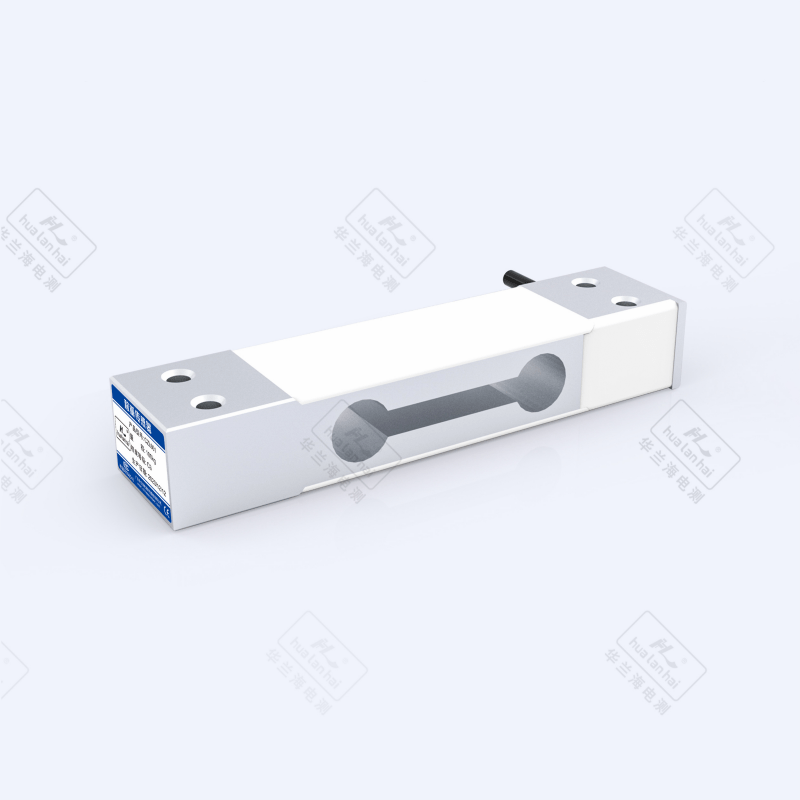
The mechanical design of a bending plate incorporates specialized materials and geometric configurations that ensure consistent performance under varying load conditions. Engineering teams select specific alloy compositions and dimensional parameters to achieve optimal sensitivity while maintaining structural integrity throughout extended operational cycles. This careful balance between flexibility and durability determines the overall effectiveness of weight measurement systems in demanding industrial environments.
Fundamental Operating Principles of Bending Plate Technology
Strain Gauge Integration and Signal Generation
The operational foundation of a bending plate centers on strategically positioned strain gauges that detect minute mechanical deformations. When external forces apply pressure to the plate surface, microscopic changes in material dimensions create variations in electrical resistance within the sensing elements. These resistance changes translate directly into voltage signals that electronic conditioning circuits amplify and process for weight calculation purposes.
Advanced bending plate designs incorporate multiple strain gauge configurations to enhance measurement accuracy and compensate for environmental factors. Temperature compensation circuits prevent thermal drift from affecting weight readings, while symmetrical gauge placement eliminates the influence of off-center loading conditions. This sophisticated approach ensures reliable performance across diverse operational scenarios and environmental conditions.
Material Science and Structural Engineering
High-grade aluminum alloys and specialized steel compositions provide the optimal combination of mechanical properties required for effective bending plate performance. Material selection considers factors including elastic modulus, fatigue resistance, and corrosion protection to ensure long-term measurement stability. The crystalline structure of these materials exhibits predictable deformation characteristics under applied loads, enabling precise calibration and consistent output signals.
Precision machining processes create the exact geometric profiles necessary for uniform stress distribution across the bending plate surface. Computer-controlled manufacturing techniques ensure dimensional accuracy within tight tolerances, eliminating variations that could compromise measurement precision. Surface treatments and protective coatings further enhance durability while maintaining the sensitive mechanical characteristics essential for accurate weight determination.
Industrial Applications and System Integration
Manufacturing and Production Line Monitoring
Manufacturing facilities utilize bending plate technology for continuous weight monitoring during production processes, enabling real-time quality control and material tracking capabilities. Automated systems incorporate these sensors into conveyor scales, filling machines, and packaging equipment to maintain consistent product specifications. The rapid response characteristics of bending plate sensors support high-speed production environments where instantaneous weight feedback prevents costly overruns and material waste.
Integration with programmable logic controllers and distributed control systems allows bending plate sensors to participate in comprehensive automation strategies. Digital communication protocols transmit weight data to central monitoring stations, enabling operators to track production metrics and implement corrective actions when measurements deviate from established parameters. This connectivity supports lean manufacturing principles and continuous improvement initiatives across diverse industrial sectors.
Logistics and Material Handling Operations
Warehouse and distribution centers depend on bending plate technology for accurate cargo weighing and inventory management functions. Truck scales and shipping platforms incorporate these sensors to ensure compliance with transportation regulations while optimizing load distribution for efficient delivery operations. The robust construction of industrial bending plate systems withstands the harsh environmental conditions typical of outdoor loading facilities.
Mobile weighing applications benefit from the compact design characteristics of modern bending plate configurations, allowing portable scales to deliver laboratory-grade accuracy in field operations. Battery-powered electronics and wireless data transmission capabilities extend the utility of these systems to remote locations where traditional weighing infrastructure cannot be practically installed. This flexibility supports diverse logistics scenarios and specialized material handling requirements.
Technical Specifications and Performance Characteristics
Accuracy and Precision Parameters
Modern bending plate designs achieve measurement accuracies within 0.02% of full-scale capacity under controlled environmental conditions. Repeatability specifications typically guarantee consistent readings within 0.01% deviation across multiple measurement cycles, ensuring reliable performance for critical weighing applications. Linearity characteristics remain stable across the entire measurement range, eliminating the need for complex calibration curves or correction factors.
Environmental compensation features maintain measurement accuracy despite temperature variations, humidity changes, and vibration interference commonly encountered in industrial settings. Sealed housing designs protect sensitive electronics from dust, moisture, and corrosive atmospheres while preserving the mechanical integrity of the bending plate structure. These protective measures extend operational lifespan and reduce maintenance requirements in demanding applications.
Load Capacity and Dynamic Response
Bending plate sensors accommodate load ranges from several kilograms to multiple tons, with custom designs available for specialized high-capacity applications. Overload protection mechanisms prevent damage from excessive forces while maintaining calibration accuracy within the specified operating range. Safe overload ratings typically exceed nominal capacity by 150% to 200%, providing operational safety margins for unexpected load conditions.
Dynamic response characteristics enable bending plate systems to track rapid weight changes with minimal settling time, supporting applications requiring real-time measurement feedback. Natural frequency specifications ensure stable operation in environments with mechanical vibration or oscillating loads. Advanced signal processing algorithms filter noise and interference while preserving the integrity of actual weight measurements.
Installation Considerations and Mounting Methods
Mechanical Mounting and Load Path Design
Proper installation of bending plate sensors requires careful attention to load path geometry and mounting surface preparation to achieve specified performance levels. Rigid mounting bases distribute applied forces uniformly across the sensor structure, preventing stress concentrations that could affect measurement accuracy. Alignment procedures ensure that loading forces remain perpendicular to the sensing plane, eliminating side load influences on weight readings.
Load introduction mechanisms must accommodate thermal expansion and mechanical settling while maintaining consistent force transmission characteristics. Spherical bearings and flexible coupling systems isolate the bending plate from external stresses that could introduce measurement errors. These design considerations become particularly critical in large-scale weighing systems where structural thermal movement and foundation settling can significantly impact measurement stability.
Electrical Integration and Signal Conditioning
Electronic interfaces for bending plate systems require stable excitation voltages and appropriate signal conditioning to maximize measurement resolution and minimize noise interference. Shielded cable installations protect low-level sensor signals from electromagnetic interference generated by nearby industrial equipment. Proper grounding techniques eliminate ground loop currents that could introduce measurement drift or instability.
Digital signal processing capabilities in modern bending plate systems provide advanced filtering, calibration, and diagnostic functions through integrated microprocessor control. Field-configurable parameters allow technicians to optimize sensor performance for specific applications without requiring specialized programming knowledge. Remote monitoring capabilities enable predictive maintenance strategies and real-time system health assessment across distributed weighing installations.
Maintenance and Calibration Procedures
Routine Inspection and Preventive Maintenance
Regular inspection protocols for bending plate systems focus on mechanical integrity, electrical connections, and environmental protection measures to ensure continued accuracy and reliability. Visual examinations identify physical damage, corrosion, or contamination that could compromise sensor performance or structural safety. Electrical continuity tests verify proper operation of strain gauge circuits and connecting cables throughout the measurement system.
Preventive maintenance schedules incorporate cleaning procedures that remove accumulated debris without damaging sensitive bending plate surfaces or protective coatings. Torque specifications for mounting hardware ensure consistent mechanical loading conditions while preventing loosening due to vibration or thermal cycling. Documentation requirements track maintenance activities and performance trends to support long-term reliability assessment and replacement planning.
Calibration Standards and Verification Methods
Calibration procedures for bending plate systems utilize certified test weights and standardized protocols to establish traceability to national measurement standards. Multi-point calibration sequences verify linearity characteristics and identify any drift in sensor sensitivity over time. Statistical analysis of calibration data provides quantitative assessment of measurement uncertainty and compliance with applicable accuracy requirements.
Field verification methods enable periodic accuracy checks without requiring complete system recalibration, supporting quality assurance programs in production environments. Automated calibration features in advanced bending plate systems perform self-diagnostics and compensation adjustments to maintain measurement accuracy between formal calibration intervals. These capabilities reduce operational disruptions while ensuring continuous compliance with quality standards and regulatory requirements.
FAQ
How does a bending plate differ from other load sensing technologies
A bending plate operates through controlled mechanical deformation under applied loads, utilizing strain gauge technology to convert physical displacement into electrical signals. Unlike hydraulic or pneumatic load cells that depend on fluid pressure changes, bending plate sensors provide direct mechanical coupling between the applied force and measurement output. This direct relationship eliminates response delays and temperature-dependent fluid properties that can affect measurement accuracy in alternative sensing technologies.
What factors influence the accuracy of bending plate measurements
Measurement accuracy in bending plate systems depends primarily on environmental stability, proper installation alignment, and consistent loading conditions. Temperature variations can affect both the mechanical properties of the plate material and the electrical characteristics of strain gauge elements, requiring compensation circuits for optimal performance. Installation factors such as mounting surface flatness, load path geometry, and protection from side forces significantly impact the ability to achieve specified accuracy levels.
How long do bending plate sensors typically last in industrial applications
Industrial bending plate sensors demonstrate operational lifespans exceeding 10 years under normal operating conditions, with some installations providing reliable service for over 20 years. Fatigue resistance characteristics of high-quality materials and conservative stress levels ensure mechanical integrity throughout millions of loading cycles. Environmental protection features and robust construction methods contribute to extended service life in harsh industrial conditions, reducing total cost of ownership through minimized replacement and maintenance requirements.
Can bending plate systems operate in hazardous or explosive environments
Specialized bending plate designs incorporate intrinsically safe electrical circuits and explosion-proof housing construction to meet requirements for hazardous area installations. Certification agencies evaluate these systems according to international safety standards for use in environments containing flammable gases, vapors, or combustible dust. Stainless steel construction and sealed electronics provide additional protection against corrosive atmospheres while maintaining measurement accuracy and operational safety in challenging industrial environments.