
 EN
EN
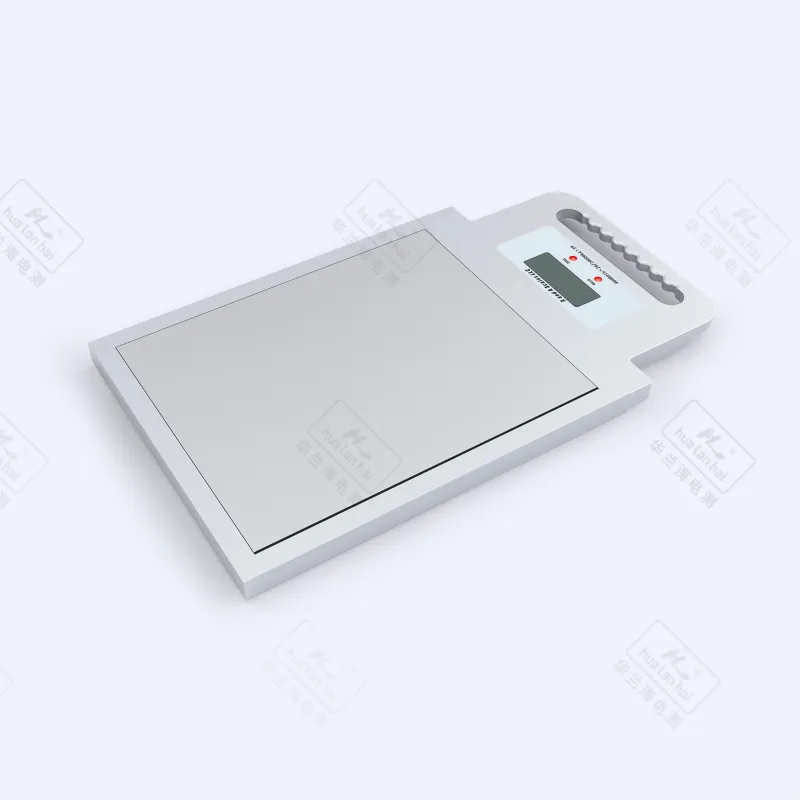
Fleet operators across diverse industries face mounting pressure to maintain strict weight compliance standards while managing operational efficiency. The introduction of advanced weighing technology has revolutionized how transportation companies approach load management, with portable axle scale systems emerging as indispensable tools for ensuring regulatory adherence. These sophisticated devices enable real-time weight verification at any location, eliminating the need for time-consuming detours to stationary weigh stations and reducing the risk of costly overweight violations.
The transportation industry operates under increasingly stringent regulations that demand precise weight monitoring throughout the supply chain. Modern fleet operators recognize that compliance extends beyond simple legal requirements, encompassing safety protocols, infrastructure protection, and operational optimization strategies. A portable axle scale provides the flexibility needed to adapt to changing regulatory landscapes while maintaining competitive advantage through efficient load planning and distribution processes.
Understanding the critical role that weight compliance plays in fleet operations requires examining the multifaceted challenges operators face daily. From varying state regulations to seasonal weight restrictions, transportation companies must navigate complex requirements while ensuring profitability and customer satisfaction. The evolution of weighing technology has created opportunities for operators to transform compliance from a reactive necessity into a proactive competitive advantage.
Regulatory Compliance Framework for Fleet Operations
Federal and State Weight Regulations
Federal transportation regulations establish baseline weight limits for commercial vehicles, with gross vehicle weight typically capped at 80,000 pounds for standard configurations. However, individual states maintain authority to implement more restrictive limits, creating a patchwork of regulations that fleet operators must navigate carefully. The portable axle scale technology enables operators to verify compliance with varying jurisdictional requirements without relying on fixed infrastructure that may not be available in remote locations.
State-specific regulations often include seasonal restrictions, bridge weight limits, and specialized permits for oversized loads. These varying requirements create operational complexities that demand flexible monitoring solutions capable of providing accurate measurements across different regulatory environments. Modern weighing systems must accommodate these diverse compliance needs while maintaining measurement accuracy and reliability standards required by enforcement agencies.
Enforcement Mechanisms and Penalty Structures
Transportation enforcement agencies employ sophisticated monitoring systems to identify potential weight violations, including weigh-in-motion sensors, roadside inspections, and random compliance checks. Penalty structures for weight violations typically escalate based on excess weight percentages, with fines ranging from hundreds to thousands of dollars per incident. Repeated violations can result in increased scrutiny, operational restrictions, and potential license suspension, making proactive compliance monitoring essential for sustainable fleet operations.
The financial impact of weight violations extends beyond immediate fines to include legal costs, administrative expenses, and potential damage to carrier safety ratings. Fleet operators utilizing portable axle scale systems can document compliance efforts and demonstrate due diligence in weight management, potentially mitigating penalties during enforcement encounters. This proactive approach to compliance monitoring creates measurable value through risk reduction and operational efficiency improvements.
Operational Advantages of Portable Weighing Systems
Enhanced Load Planning Capabilities
Effective load planning requires precise weight distribution calculations that account for vehicle configuration, cargo characteristics, and route-specific requirements. A portable axle scale enables operators to optimize load placement for maximum legal capacity utilization while maintaining proper weight distribution across axle groups. This capability directly impacts fuel efficiency, vehicle wear patterns, and overall operational costs through improved load optimization strategies.
Advanced load planning incorporating real-time weight verification reduces empty miles and maximizes revenue per trip through strategic cargo consolidation. Fleet operators can adjust loading procedures based on immediate weight feedback, ensuring optimal capacity utilization without exceeding legal limits. The flexibility provided by portable weighing systems supports dynamic load planning that adapts to changing cargo requirements and delivery schedules.
Cost Reduction Through Preventive Compliance
Preventive compliance strategies utilizing portable axle scale technology generate significant cost savings through violation avoidance, reduced inspection delays, and optimized fuel consumption. The ability to verify weights before departing loading facilities eliminates costly overweight citations and associated administrative expenses. Fleet operators report substantial returns on investment through reduced compliance-related costs and improved operational efficiency metrics.
Operational cost benefits extend beyond direct compliance savings to include reduced vehicle maintenance expenses, improved tire life, and decreased fuel consumption through optimal weight distribution. The portable axle scale systems provide immediate feedback that enables operators to make real-time adjustments that protect equipment and reduce long-term operating expenses while maintaining regulatory compliance.

Technology Integration and Accuracy Standards
Precision Engineering and Calibration Requirements
Modern portable axle scale systems incorporate advanced load cell technology and digital signal processing to achieve measurement accuracies comparable to certified static scales. These systems must meet stringent accuracy standards established by weights and measures authorities, typically requiring precision within 0.1% to 0.2% of actual weight values. Regular calibration procedures ensure continued accuracy and legal compliance for enforcement interactions and documentation requirements.
The engineering sophistication of contemporary weighing systems includes temperature compensation, vibration dampening, and environmental protection features that maintain accuracy under diverse operating conditions. Fleet operators benefit from reliable measurements regardless of weather conditions, surface variations, or time constraints. This technological reliability enables confident decision-making based on accurate weight data throughout diverse operational scenarios.
Data Management and Record Keeping
Integrated data management capabilities allow portable axle scale systems to store weight records, generate compliance reports, and interface with fleet management software platforms. These capabilities support comprehensive weight management programs that track compliance trends, identify optimization opportunities, and provide documentation for regulatory audits. Digital record keeping eliminates manual data entry errors and provides searchable compliance histories for fleet operations analysis.
Advanced data integration supports predictive maintenance programs and performance optimization initiatives through comprehensive weight tracking and analysis. Fleet operators can identify patterns in load distribution, vehicle utilization, and compliance performance that inform strategic operational improvements. The ability to correlate weight data with other operational metrics creates opportunities for holistic fleet optimization and enhanced competitive positioning.
Industry-Specific Applications and Benefits
Construction and Heavy Hauling Operations
Construction industry applications demand portable axle scale systems capable of handling extreme weight variations and challenging environmental conditions. These operations frequently involve oversized loads, specialized equipment transport, and jobsite-specific weight restrictions that require flexible monitoring solutions. The ability to verify weights at construction sites eliminates unnecessary trips to remote weigh stations and enables real-time load optimization for maximum productivity.
Heavy hauling operations benefit from portable weighing capabilities that support permit compliance and route planning for oversized loads. These specialized applications often involve complex weight distribution requirements and multi-axle configurations that demand precise measurement capabilities. Fleet operators in construction and heavy hauling sectors report significant operational improvements through enhanced load planning and compliance monitoring using advanced weighing technology.
Agriculture and Commodity Transportation
Agricultural transportation presents unique challenges related to seasonal weight variations, commodity density differences, and harvest-related time pressures. Portable axle scale systems enable grain haulers and commodity transporters to optimize loads based on real-time weight measurements while accommodating varying moisture content and density characteristics. This capability directly impacts profitability through improved load optimization and reduced compliance risks during peak harvest periods.
Commodity transportation operations benefit from the flexibility to weigh loads at multiple locations throughout complex supply chains. The ability to verify weights at grain elevators, processing facilities, and delivery points ensures compliance throughout the transportation process while supporting quality control and inventory management requirements. Agricultural operators report enhanced operational efficiency and reduced compliance-related delays through strategic portable axle scale deployment.
Implementation Strategies and Best Practices
Staff Training and Operational Procedures
Successful portable axle scale implementation requires comprehensive staff training programs that address proper operation procedures, safety protocols, and maintenance requirements. Training programs should emphasize accuracy verification techniques, environmental considerations, and troubleshooting procedures to ensure consistent performance across diverse operational scenarios. Fleet operators benefit from standardized training protocols that create competency benchmarks and support operational consistency.
Operational procedure development must address setup protocols, measurement verification steps, and data recording requirements that support compliance documentation needs. Best practices include regular accuracy checks, proper storage and transportation procedures, and scheduled maintenance protocols that preserve system accuracy and reliability. Effective training programs create operational confidence and ensure maximum value realization from portable weighing system investments.
Maintenance and Calibration Programs
Preventive maintenance programs for portable axle scale systems include regular calibration verification, load cell inspection, and environmental protection assessments that preserve measurement accuracy and extend equipment life. Scheduled maintenance protocols should address battery management, connector integrity, and display system functionality to ensure reliable operation throughout diverse environmental conditions. Fleet operators benefit from proactive maintenance approaches that minimize downtime and preserve compliance capabilities.
Calibration management requires coordination with certified weighing professionals and adherence to regulatory standards that ensure legal compliance for enforcement interactions. Documentation of calibration activities supports audit requirements and provides evidence of due diligence in weight management programs. Regular calibration verification protects fleet operators from measurement-related compliance issues while maintaining operational credibility with enforcement agencies and customers.
Return on Investment Analysis
Quantifiable Cost Savings and Benefits
Fleet operators typically realize measurable returns on portable axle scale investments through reduced violation penalties, improved fuel efficiency, and enhanced operational productivity. Cost-benefit analysis should consider direct savings from avoided fines, indirect benefits from improved load optimization, and operational efficiency gains from reduced inspection delays. Many operators report complete investment recovery within the first year through compliance-related cost avoidance and operational improvements.
Quantifiable benefits extend beyond immediate cost savings to include improved customer satisfaction through reliable delivery performance, enhanced safety records through proper load management, and competitive advantages through operational flexibility. The ability to provide certified weight documentation and demonstrate compliance commitment creates value propositions that support premium pricing and customer retention strategies.
Long-Term Strategic Value Creation
Strategic value creation through portable axle scale implementation includes enhanced operational capabilities that support business growth and market expansion opportunities. The flexibility provided by portable weighing systems enables fleet operators to pursue specialized markets, handle diverse cargo types, and operate in regions with complex regulatory requirements. These capabilities create competitive advantages that support long-term profitability and market positioning objectives.
Long-term value realization includes improved asset utilization through optimized load planning, reduced equipment wear through proper weight management, and enhanced regulatory relationships through demonstrated compliance commitment. Fleet operators investing in advanced weighing technology position themselves for sustainable growth while building operational capabilities that support evolving industry requirements and customer expectations.
FAQ
How accurate are portable axle scale measurements compared to certified truck scales
Modern portable axle scale systems achieve accuracy levels within 0.1% to 0.2% of actual weight values, which meets or exceeds the precision requirements for most regulatory compliance applications. While certified truck scales may offer slightly higher precision in controlled environments, portable systems provide sufficient accuracy for legal compliance verification and operational decision-making. The key advantage lies in the convenience and flexibility of obtaining accurate measurements at any location without compromising regulatory compliance requirements.
What environmental conditions affect portable axle scale performance and accuracy
Environmental factors that can impact portable axle scale performance include extreme temperatures, surface irregularities, wind conditions, and moisture exposure. Quality systems incorporate temperature compensation algorithms, vibration dampening features, and weather-resistant construction to maintain accuracy across diverse conditions. Operators should follow manufacturer guidelines for environmental limitations and implement proper setup procedures to ensure optimal performance regardless of operating conditions.
How often do portable axle scale systems require calibration and maintenance
Calibration frequency depends on usage intensity, environmental exposure, and regulatory requirements, with most systems requiring annual calibration verification by certified professionals. Daily operational checks, monthly accuracy verification, and quarterly maintenance inspections help preserve system reliability and accuracy between formal calibrations. Fleet operators should establish maintenance schedules based on manufacturer recommendations and operational requirements to ensure consistent performance and regulatory compliance.
Can portable axle scale systems integrate with existing fleet management software
Most modern portable axle scale systems offer data integration capabilities through wireless connectivity, USB interfaces, or cloud-based platforms that facilitate seamless integration with fleet management software. These integration options enable automatic weight record storage, compliance reporting generation, and performance analysis within existing operational systems. Fleet operators should evaluate integration requirements and compatibility during system selection to maximize operational efficiency and data management capabilities.
Table of Contents
- Regulatory Compliance Framework for Fleet Operations
- Operational Advantages of Portable Weighing Systems
- Technology Integration and Accuracy Standards
- Industry-Specific Applications and Benefits
- Implementation Strategies and Best Practices
- Return on Investment Analysis
-
FAQ
- How accurate are portable axle scale measurements compared to certified truck scales
- What environmental conditions affect portable axle scale performance and accuracy
- How often do portable axle scale systems require calibration and maintenance
- Can portable axle scale systems integrate with existing fleet management software