
 EN
EN
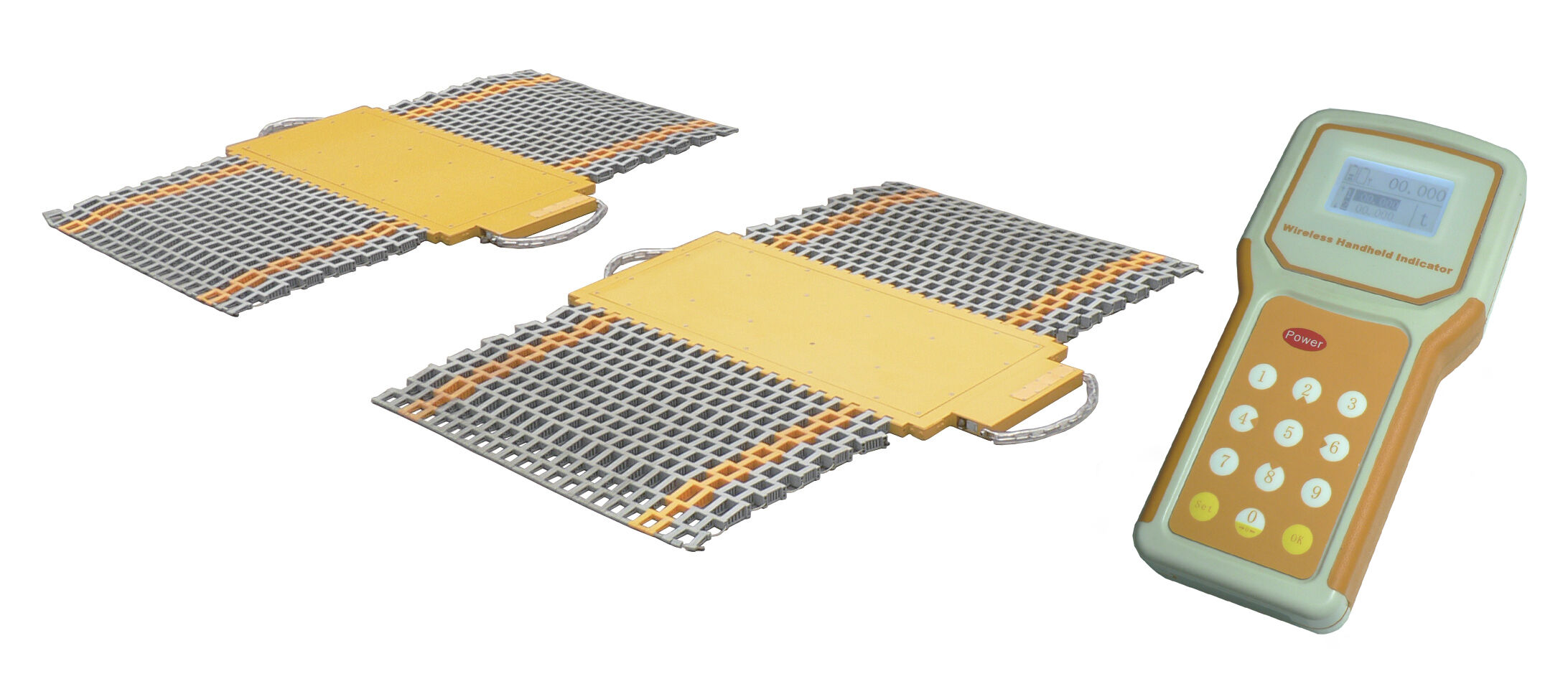
Modern transportation networks face unprecedented challenges in managing increasing traffic volumes while ensuring infrastructure protection and regulatory compliance. Traditional static weighing methods have proven inadequate for contemporary traffic monitoring needs, creating bottlenecks and operational inefficiencies. A weigh in motion system represents a revolutionary approach to vehicle weight measurement, enabling continuous traffic flow while providing accurate weight data for monitoring and enforcement purposes.
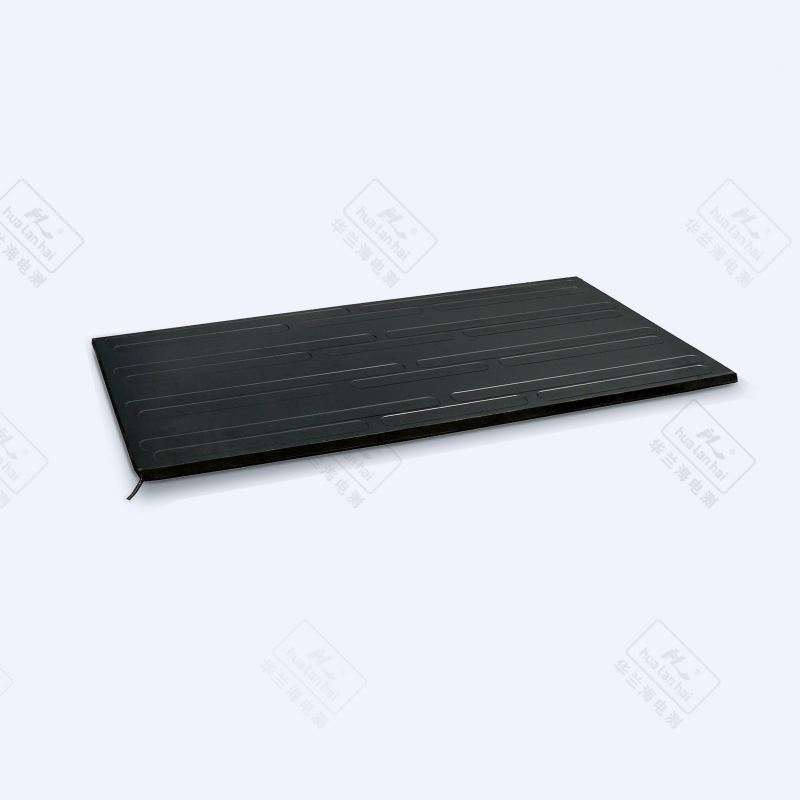
The implementation of advanced weighing technologies has transformed how transportation authorities approach traffic management and infrastructure protection. These sophisticated systems provide real-time data collection capabilities that enhance decision-making processes across multiple operational areas. Understanding the comprehensive benefits and applications of weigh in motion technology is essential for organizations seeking to optimize their traffic monitoring strategies.
Understanding Weigh in Motion Technology
Core Components and Functionality
A weigh in motion system consists of several integrated components working together to capture accurate vehicle weight measurements during normal traffic flow. The primary sensing elements include load cells, strain gauges, or piezoelectric sensors embedded within the roadway surface. These sensors detect the dynamic forces exerted by vehicle wheels and axles as they pass over the measurement zone.
The data acquisition system processes raw sensor signals and converts them into meaningful weight measurements through sophisticated algorithms. Advanced signal processing techniques compensate for dynamic effects such as vehicle speed, suspension characteristics, and road surface conditions. This ensures measurement accuracy comparable to static weighing methods while maintaining traffic flow continuity.
Modern weigh in motion systems incorporate environmental compensation features that adjust measurements based on temperature variations, moisture conditions, and other factors affecting sensor performance. These automated calibration capabilities maintain long-term measurement accuracy and reduce maintenance requirements significantly.
Installation Methods and Configuration Options
Permanent installation methods involve embedding sensors directly into the roadway structure during construction or renovation projects. This approach provides maximum durability and measurement accuracy but requires significant infrastructure investment and traffic disruption during installation. Permanent installations are ideal for high-traffic locations requiring continuous long-term monitoring.
Portable weigh in motion system configurations offer flexibility for temporary monitoring applications or locations where permanent installation is impractical. These systems can be deployed rapidly and relocated as monitoring needs change. Portable solutions utilize surface-mounted sensors or pneumatic tubes that can be installed with minimal traffic disruption.
Hybrid installation approaches combine elements of both permanent and portable systems to balance performance requirements with operational flexibility. These configurations allow for permanent sensor placement with portable electronics and data collection equipment that can be shared across multiple monitoring locations.
Enhanced Traffic Flow Management
Continuous Operation Benefits
Traditional static weighing stations create significant traffic bottlenecks as vehicles must stop or significantly reduce speed for weight measurement. This disruption affects not only commercial vehicles but also passenger traffic sharing the same roadways. A weigh in motion system eliminates these delays by enabling weight measurement at normal highway speeds.
The continuous operation capability allows transportation authorities to monitor 100% of traffic volume rather than the limited sample provided by static weighing stations. This comprehensive data collection provides more accurate representations of traffic patterns, weight distributions, and compliance rates across the entire vehicle population.
Reduced congestion around weighing facilities translates into measurable economic benefits through decreased fuel consumption, reduced emissions, and improved travel time reliability. Commercial operators experience lower operational costs due to eliminated delays and improved schedule predictability.
Real-Time Data Collection and Processing
Advanced weigh in motion systems provide instantaneous data transmission to central monitoring facilities, enabling immediate response to overweight violations or safety concerns. Real-time processing capabilities allow for automatic alerts when predetermined weight thresholds are exceeded, facilitating rapid enforcement actions.
The continuous data stream enables sophisticated traffic analysis including peak hour weight distributions, seasonal variations, and route-specific loading patterns. This information supports infrastructure planning decisions, maintenance scheduling, and regulatory policy development based on actual usage patterns rather than estimates.
Integration with other traffic monitoring systems creates comprehensive situational awareness for transportation management centers. Combined weight and traffic volume data provides insights into freight movement patterns, economic activity indicators, and infrastructure utilization trends.
Infrastructure Protection and Maintenance Optimization
Pavement Damage Prevention
Overweight vehicles cause disproportionate damage to roadway infrastructure, with damage rates increasing exponentially with vehicle weight. A weigh in motion system enables proactive identification and enforcement of weight violations before significant infrastructure damage occurs. Early detection capabilities protect substantial public investment in transportation infrastructure.
Historical weight data collected by weigh in motion systems supports predictive maintenance programs by identifying high-stress locations and usage patterns. This information allows maintenance crews to prioritize resources and schedule preventive interventions before critical damage develops.
Bridge protection represents a particularly critical application where overweight vehicles pose immediate safety risks. Weigh in motion systems positioned upstream of sensitive structures provide advance warning of approaching overweight vehicles, enabling protective actions such as traffic diversion or load restrictions.
Load Distribution Analysis
Detailed axle weight measurements provided by weigh in motion systems reveal load distribution patterns that affect pavement stress concentration and fatigue characteristics. This granular data supports more accurate pavement design methodologies and materials selection based on actual loading conditions.
Uneven load distribution detection capabilities identify vehicles with improper loading that may create handling problems or accelerated tire wear. This information supports safety enforcement programs and operator education initiatives to improve overall transportation safety.
Long-term load distribution trends inform infrastructure investment decisions by providing quantitative data on traffic characteristics and growth patterns. This evidence-based approach improves the accuracy of infrastructure capacity planning and funding allocation decisions.
Regulatory Compliance and Enforcement Enhancement
Automated Violation Detection
Modern weigh in motion system implementations include sophisticated violation detection algorithms that automatically identify vehicles exceeding legal weight limits. These systems can differentiate between gross vehicle weight violations, axle weight violations, and axle group violations according to applicable regulations.
Photographic documentation capabilities capture license plate images and vehicle profiles automatically when violations are detected. This evidence collection supports enforcement actions and provides documentation for legal proceedings. Advanced systems can integrate with commercial vehicle databases to identify repeat offenders and fleet compliance patterns.
Selective enforcement capabilities allow officers to focus on the most significant violations rather than stopping vehicles randomly. This targeted approach improves enforcement efficiency while reducing traffic disruption and resource requirements for compliance operations.
Data Integration and Reporting
Comprehensive data management systems associated with weigh in motion installations provide detailed reporting capabilities for regulatory agencies, transportation departments, and enforcement organizations. These reports support policy development, resource allocation decisions, and compliance program evaluation.
Electronic data interchange capabilities enable seamless integration with existing enforcement databases and commercial vehicle monitoring systems. This connectivity eliminates manual data entry requirements and reduces administrative overhead while improving data accuracy and timeliness.
Statistical analysis tools provide insights into compliance trends, violation patterns, and enforcement effectiveness. This information supports evidence-based policy development and helps agencies demonstrate program value to stakeholders and funding sources.
Economic Benefits and Return on Investment
Operational Cost Reductions
Implementation of weigh in motion systems typically generates substantial operational cost savings through reduced personnel requirements for weight enforcement activities. Automated data collection eliminates the need for continuous staffing at weighing stations while providing more comprehensive monitoring coverage.
Maintenance cost reductions result from better infrastructure protection and predictive maintenance capabilities enabled by continuous weight monitoring. Early identification of overweight vehicles and loading patterns allows proactive maintenance interventions that prevent costly emergency repairs and extend infrastructure service life.
Fuel cost savings for commercial operators result from eliminated delays at static weighing stations. Industry studies indicate significant annual fuel cost reductions for freight carriers operating in corridors with weigh in motion systems compared to areas relying solely on static weighing facilities.
Revenue Generation and Fine Collection
Enhanced violation detection capabilities typically increase fine collection rates significantly compared to traditional enforcement methods. The ability to monitor all traffic rather than small samples improves overall compliance rates and generates additional revenue for transportation agencies.
Reduced administrative costs associated with violation processing and court proceedings result from improved evidence collection and automated documentation capabilities. Digital evidence packages reduce preparation time and improve prosecution success rates.
Long-term revenue benefits include extended infrastructure service life and reduced reconstruction costs resulting from better weight limit enforcement. These avoided costs represent significant value that often exceeds the initial system investment within the first few years of operation.
Integration with Smart Transportation Systems
Connected Vehicle Technologies
Advanced weigh in motion systems can integrate with emerging connected vehicle technologies to provide real-time weight information directly to vehicle operators. This capability enables immediate load adjustment decisions and route optimization based on current weight status and upcoming restrictions.
Vehicle-to-infrastructure communication protocols allow weigh in motion systems to transmit weight compliance status directly to commercial vehicles, enabling automated compliance monitoring and documentation. This integration reduces operator burden while improving overall compliance rates.
Fleet management system integration provides centralized weight monitoring capabilities for commercial operators managing multiple vehicles. This visibility supports load planning, route optimization, and compliance management across entire fleet operations.
Data Analytics and Machine Learning
Machine learning algorithms applied to weigh in motion system data can identify patterns and anomalies that indicate potential safety issues or infrastructure problems. Predictive analytics capabilities support proactive maintenance and enforcement strategies based on historical trends and patterns.
Advanced analytics platforms can correlate weight data with other transportation metrics such as traffic volume, weather conditions, and economic indicators to provide comprehensive insights into transportation system performance and utilization.
Artificial intelligence applications enable continuous system optimization through automatic calibration adjustments, sensor performance monitoring, and measurement accuracy improvements based on ongoing operational data analysis.
FAQ
What accuracy levels can be expected from modern weigh in motion systems?
Modern weigh in motion systems typically achieve accuracy levels within 5-10% of static scale measurements for gross vehicle weight under normal operating conditions. Axle weight measurements generally achieve similar accuracy levels, while individual wheel weight measurements may have slightly higher variance. Advanced systems with proper installation and calibration can achieve accuracy levels comparable to static scales for enforcement applications.
How does weather affect weigh in motion system performance?
Weather conditions can impact measurement accuracy through effects on sensor performance, road surface conditions, and vehicle dynamics. Modern systems incorporate temperature compensation and environmental correction algorithms to minimize these effects. Regular calibration and maintenance protocols ensure consistent performance across varying weather conditions. Some advanced systems include weather monitoring integration to provide automatic compensation adjustments.
What maintenance requirements are associated with weigh in motion installations?
Maintenance requirements vary depending on installation type, traffic volume, and environmental conditions. Typical maintenance activities include periodic sensor calibration, data system updates, and physical inspection of installation components. Permanent installations generally require less frequent maintenance than portable systems. Most systems include self-diagnostic capabilities that alert operators to maintenance needs and performance issues automatically.
Can weigh in motion systems operate effectively in all traffic conditions?
Weigh in motion systems perform best under free-flowing traffic conditions at consistent speeds. Stop-and-go traffic or very low speeds can affect measurement accuracy due to dynamic loading effects. However, modern systems include algorithms to detect and compensate for these conditions. Some installations include multiple measurement zones to improve accuracy under varying traffic conditions and provide redundant measurements for verification purposes.