
 EN
EN
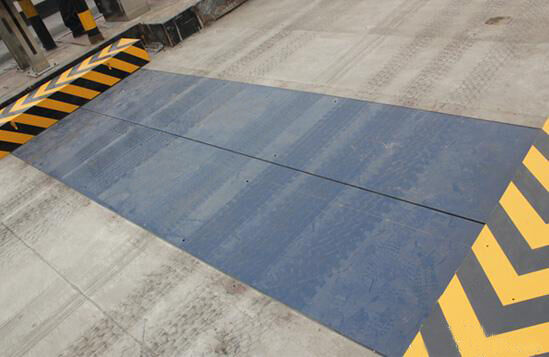
Highway weighing stations serve as critical infrastructure components that ensure commercial vehicles comply with weight regulations and maintain road safety standards. These facilities rely on sophisticated weighing technologies to accurately measure vehicle loads, with bending plate systems emerging as one of the most reliable and widely adopted solutions. The precision and durability of these systems make them indispensable for transportation authorities seeking to enforce weight limits while minimizing traffic disruption. Understanding the fundamental role of bending plate technology in highway operations provides insight into modern traffic management and infrastructure protection strategies.
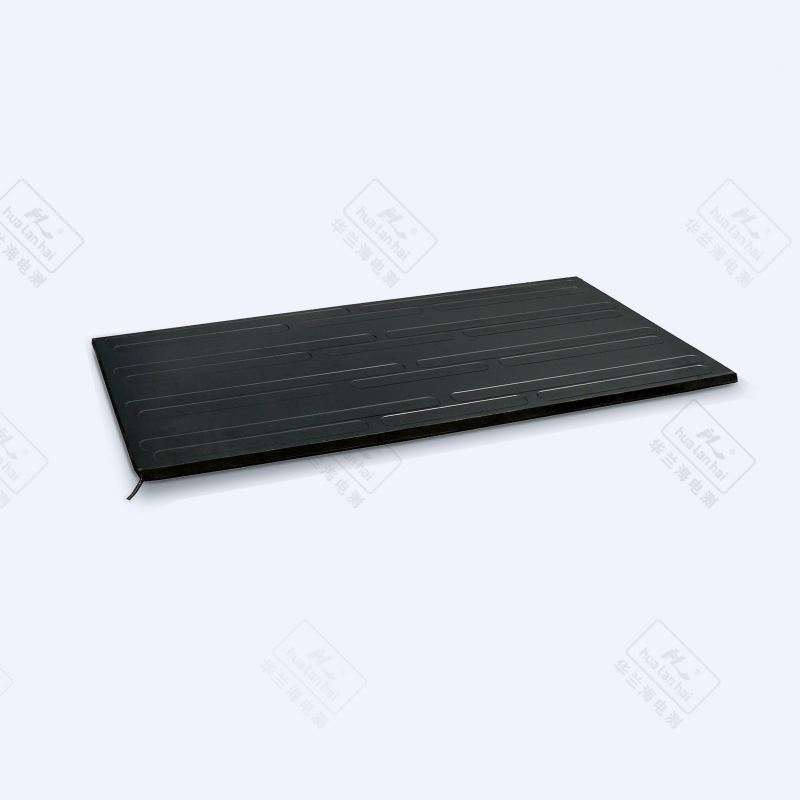
Engineering Principles Behind Bending Plate Technology
Structural Design and Load Distribution
The engineering foundation of bending plate systems relies on the principle of controlled deformation under applied loads. When a vehicle passes over the weighing platform, the bending plate experiences precise flexural stress that correlates directly with the vehicle's weight. This deformation is measured through strategically placed strain gauges that convert mechanical stress into electrical signals. The distributed load pattern across the platform ensures accurate weight measurement regardless of vehicle positioning or wheel configuration.
Advanced bending plate designs incorporate multiple measurement points to eliminate potential errors caused by uneven load distribution. The plate's thickness, material composition, and support structure are carefully calculated to provide optimal sensitivity while maintaining long-term durability. Engineers utilize finite element analysis to optimize the stress distribution patterns and ensure consistent performance across varying environmental conditions.
Material Science and Durability Considerations
Modern bending plate systems utilize high-grade steel alloys specifically selected for their elastic properties and fatigue resistance. The material must withstand millions of loading cycles while maintaining dimensional stability and measurement accuracy. Surface treatments and protective coatings extend the operational lifespan by preventing corrosion and wear from environmental exposure and chemical contaminants commonly found on highways.
The manufacturing process involves precision machining and heat treatment procedures that optimize the material's mechanical properties for weighing applications. Quality control measures ensure each bending plate meets strict tolerances for flatness, surface finish, and stress response characteristics. These specifications are essential for maintaining measurement accuracy and system reliability throughout the operational lifetime.
Operational Advantages in Highway Applications
Traffic Flow Efficiency
Bending plate systems excel in maintaining smooth traffic flow through weighing stations due to their low-profile design and rapid measurement capabilities. Vehicles can traverse the weighing platform at moderate speeds without experiencing significant deceleration or acceleration phases that would otherwise disrupt traffic patterns. This efficiency reduces congestion at inspection points and minimizes the economic impact on commercial transportation operations.
The system's ability to provide accurate measurements during dynamic weighing operations eliminates the need for static weighing procedures that require vehicles to come to a complete stop. This dynamic capability is particularly valuable during peak traffic periods when inspection throughput becomes a critical factor in maintaining highway efficiency. The reduced dwell time at weighing stations translates to improved fuel economy and reduced emissions from commercial vehicles.
Measurement Accuracy and Reliability
The inherent stability of bending plate technology provides consistent measurement accuracy across diverse operating conditions. Temperature compensation systems account for thermal expansion effects, while sophisticated signal processing algorithms filter out vibrations and other environmental disturbances. This reliability is essential for regulatory compliance and fair enforcement of weight restrictions.
Calibration procedures for bending plate systems are streamlined compared to alternative weighing technologies, reducing maintenance requirements and operational costs. The system's self-diagnostic capabilities continuously monitor performance parameters and alert operators to potential issues before they affect measurement accuracy. This proactive approach to system health monitoring ensures continuous compliance with legal metrology requirements.
Installation and Infrastructure Integration
Site Preparation and Foundation Requirements
Successful bending plate installation requires careful attention to foundation design and site preparation procedures. The weighing platform must be integrated seamlessly with existing highway infrastructure while maintaining structural integrity under heavy vehicle loads. Proper drainage systems prevent water accumulation that could affect measurement accuracy or cause long-term foundation deterioration.
Excavation and concrete work must be executed to precise specifications to ensure proper load transfer from the roadway to the bending plate system. The foundation design accounts for soil conditions, frost penetration depths, and potential settlement issues that could compromise measurement accuracy over time. Professional installation teams utilize specialized equipment and techniques to achieve the required tolerances for optimal system performance.
System Integration and Connectivity
Modern bending plate installations incorporate advanced communication systems that integrate with centralized traffic management networks. Real-time data transmission capabilities enable immediate notification of weight violations and facilitate coordinated enforcement actions. The integration with existing highway infrastructure includes traffic control systems, surveillance equipment, and administrative databases.
Power supply considerations for bending plate systems include backup power provisions to ensure continuous operation during utility outages. Environmental protection measures safeguard sensitive electronic components from weather exposure and electromagnetic interference. The system architecture allows for remote monitoring and diagnostics, reducing the need for on-site maintenance visits and improving operational efficiency.
Regulatory Compliance and Enforcement Benefits
Legal Metrology Standards
Bending plate systems are designed to meet or exceed national and international standards for commercial weighing accuracy and reliability. These standards specify tolerance limits, calibration procedures, and documentation requirements that ensure fair and consistent enforcement of weight regulations. The systems undergo rigorous testing and certification processes before deployment in commercial applications.
Compliance with legal metrology requirements extends beyond initial installation to include ongoing performance verification and periodic recalibration procedures. The bending plate technology's stability and repeatability characteristics simplify these maintenance requirements while ensuring continued compliance with regulatory standards. Documentation systems maintain detailed records of all calibration activities and performance measurements for regulatory audit purposes.
Enforcement Efficiency and Data Management
The automated data collection capabilities of bending plate systems streamline the enforcement process by providing immediate access to accurate weight measurements and vehicle identification information. Integration with license plate recognition systems and vehicle classification algorithms enables comprehensive monitoring of commercial traffic patterns and compliance rates.
Advanced data management systems analyze traffic patterns and identify trends in weight violations, enabling transportation authorities to optimize enforcement strategies and resource allocation. The detailed records generated by bending plate systems provide essential documentation for legal proceedings and support evidence-based policy decisions regarding highway infrastructure protection and commercial vehicle regulations.
Economic Impact and Cost Considerations
Infrastructure Protection Value
The economic benefits of bending plate systems extend far beyond their initial installation costs through their contribution to highway infrastructure preservation. By accurately identifying and deterring overweight vehicles, these systems prevent accelerated pavement deterioration and structural damage that would otherwise require costly repairs or premature replacement. The long-term savings in infrastructure maintenance often justify the investment in advanced weighing technology.
Quantitative analysis of infrastructure protection benefits demonstrates significant return on investment for bending plate installations at strategic highway locations. The systems enable proactive enforcement that reduces the cumulative damage caused by overweight commercial vehicles. This protection extends to bridges, culverts, and other critical infrastructure components that are particularly vulnerable to excessive loading.
Operational Cost Analysis
The total cost of ownership for bending plate systems includes installation, maintenance, calibration, and operational expenses over the system's expected service life. Comparative analysis with alternative weighing technologies demonstrates favorable economics due to the bending plate system's durability, reliability, and low maintenance requirements. The reduced need for frequent repairs and recalibration translates to lower operational costs and improved system availability.
Energy efficiency considerations contribute to the overall economic attractiveness of bending plate technology. The systems require minimal electrical power for operation and incorporate energy-saving features that reduce long-term utility costs. The robust design minimizes replacement part requirements and extends the intervals between major maintenance activities, further enhancing the economic benefits of this technology.
Future Developments and Technological Advancement
Smart Technology Integration
Emerging developments in bending plate technology focus on enhanced connectivity and smart system capabilities that leverage Internet of Things principles and advanced data analytics. These innovations enable predictive maintenance scheduling, real-time performance optimization, and integration with broader transportation management systems. The evolution toward smart infrastructure creates opportunities for improved efficiency and enhanced functionality.
Artificial intelligence applications in bending plate systems promise to revolutionize weight enforcement through automated pattern recognition and anomaly detection capabilities. Machine learning algorithms can identify suspicious vehicle behavior and optimize enforcement strategies based on historical data and traffic patterns. These advances will further improve the effectiveness of weight enforcement while reducing the burden on enforcement personnel.
Environmental Sustainability Initiatives
Future bending plate designs emphasize environmental sustainability through improved materials, energy-efficient operation, and extended service life characteristics. Recycling programs for end-of-life components and sustainable manufacturing processes contribute to reduced environmental impact. The technology's role in promoting efficient freight transportation aligns with broader sustainability goals in the transportation sector.
Research and development efforts focus on incorporating renewable energy sources and energy harvesting technologies to reduce the environmental footprint of bending plate installations. Solar power integration and kinetic energy recovery systems offer potential for self-sustaining operations in remote locations. These innovations support the broader goal of creating environmentally responsible transportation infrastructure.
FAQ
How accurate are bending plate systems compared to other weighing technologies
Bending plate systems typically achieve accuracy levels within ±0.1% of the applied load under optimal conditions, which meets or exceeds the requirements for commercial vehicle enforcement applications. This accuracy is comparable to other high-quality weighing technologies but with superior long-term stability and reduced maintenance requirements. The precision is maintained through advanced signal processing and temperature compensation systems that account for environmental variables.
What maintenance requirements are associated with bending plate installations
Regular maintenance for bending plate systems includes periodic calibration verification, visual inspection of the platform surface, and cleaning of strain gauge connections. Most systems require professional calibration annually or after a specified number of weighing cycles. The robust design minimizes mechanical wear components, resulting in lower maintenance costs compared to alternative technologies. Preventive maintenance schedules help ensure optimal performance and extend system service life.
Can bending plate systems operate effectively in extreme weather conditions
Modern bending plate systems are engineered to withstand extreme weather conditions including temperature variations, precipitation, and wind loads. Temperature compensation systems maintain accuracy across operating temperature ranges typically from -40°C to +70°C. Drainage systems prevent water accumulation, while corrosion-resistant materials and protective coatings ensure long-term durability. Environmental sealing protects sensitive electronic components from moisture and contaminant exposure.
What are the typical installation timeframes for highway bending plate systems
Installation timelines for bending plate systems vary depending on site conditions and project scope, but typical installations require 2-4 weeks from excavation to final calibration. Site preparation and foundation work account for the majority of the installation time, while the actual platform installation and system commissioning can often be completed within several days. Weather conditions and traffic management requirements may extend installation schedules, particularly for installations in active highway environments.
Table of Contents
- Engineering Principles Behind Bending Plate Technology
- Operational Advantages in Highway Applications
- Installation and Infrastructure Integration
- Regulatory Compliance and Enforcement Benefits
- Economic Impact and Cost Considerations
- Future Developments and Technological Advancement
-
FAQ
- How accurate are bending plate systems compared to other weighing technologies
- What maintenance requirements are associated with bending plate installations
- Can bending plate systems operate effectively in extreme weather conditions
- What are the typical installation timeframes for highway bending plate systems