
 EN
EN
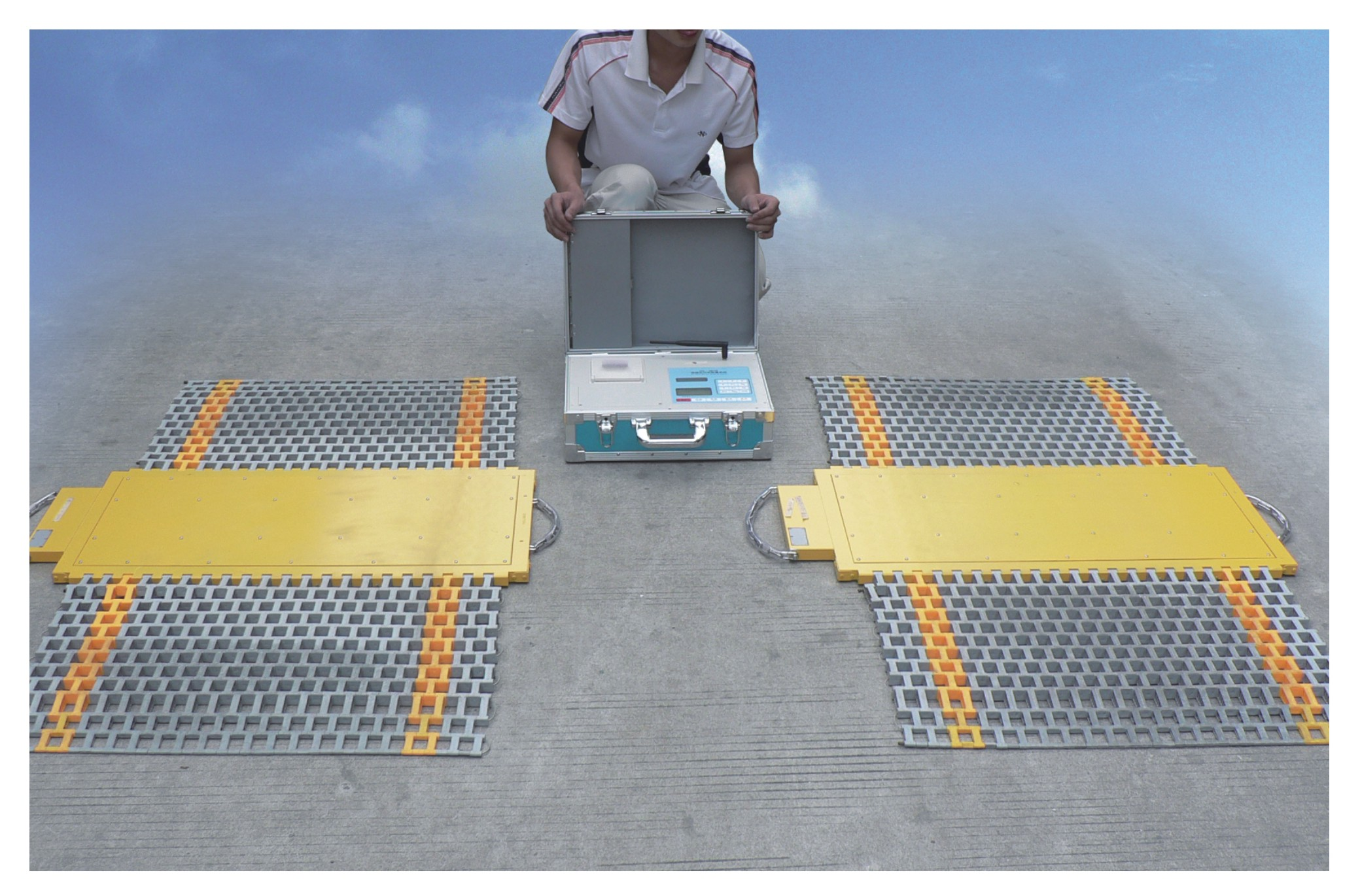
Government transportation agencies worldwide face increasing pressure to maintain road infrastructure while ensuring compliance with weight regulations. A weigh in motion system represents a critical technology solution that enables continuous monitoring of vehicle weights without disrupting traffic flow. These sophisticated measurement systems provide real-time data collection capabilities that support both enforcement activities and infrastructure preservation strategies. Modern weigh in motion system implementations offer governments the opportunity to enhance road safety while generating valuable revenue through automated compliance monitoring. The strategic deployment of these systems requires careful consideration of multiple technical, operational, and financial factors to ensure successful long-term outcomes.
Technical Infrastructure Requirements
Sensor Technology Selection
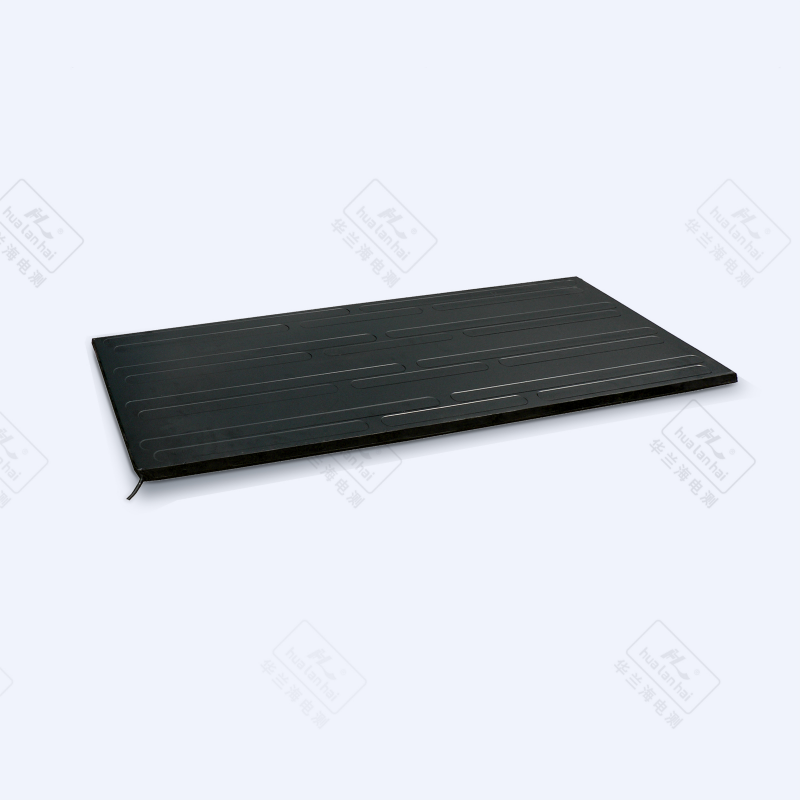
The foundation of any effective weigh in motion system lies in the selection of appropriate sensor technology. Governments must evaluate different sensor types including piezoelectric, strain gauge, and load cell configurations based on their specific operational requirements. Piezoelectric sensors offer excellent accuracy for high-speed applications but require careful installation to maintain calibration over time. Strain gauge technology provides exceptional precision for lower-speed environments and offers superior long-term stability. The choice of sensor technology directly impacts the overall accuracy and reliability of the weigh in motion system throughout its operational lifespan.
Environmental conditions play a crucial role in sensor selection decisions. Temperature fluctuations, moisture exposure, and freeze-thaw cycles can significantly affect sensor performance and accuracy. Government agencies must consider local climate conditions when specifying sensor types and protective housing requirements. Advanced weigh in motion system designs incorporate temperature compensation algorithms and weatherproof enclosures to maintain consistent performance across varying environmental conditions. The initial investment in premium sensor technology often results in reduced maintenance costs and improved long-term reliability.
Data Processing Architecture
Modern weigh in motion system implementations require robust data processing capabilities to handle the continuous stream of measurement data. Government agencies should specify systems with adequate processing power to perform real-time calculations while maintaining data integrity. The processing architecture must accommodate future expansion requirements and integrate seamlessly with existing transportation management systems. Scalable processing platforms enable governments to add additional measurement points without requiring complete system replacements.
Data storage and backup requirements represent another critical consideration for government deployments. A comprehensive weigh in motion system generates substantial amounts of measurement data that must be preserved for enforcement and analytical purposes. Cloud-based storage solutions offer scalability and redundancy benefits but require careful evaluation of data security and privacy regulations. Local storage systems provide greater control over sensitive information but require ongoing maintenance and backup procedures to prevent data loss.
Regulatory Compliance and Accuracy Standards
Legal Metrology Requirements
Government agencies deploying weigh in motion system technology must ensure compliance with applicable legal metrology standards and regulations. These systems often serve as the basis for enforcement actions and penalty assessments, making accuracy verification a critical requirement. International standards such as OIML R134 provide guidelines for weigh in motion system accuracy classes and testing procedures. Compliance with these standards ensures that measurement data will be accepted in legal proceedings and administrative hearings.
Regular calibration and verification procedures are essential for maintaining legal compliance throughout the system's operational life. Government agencies should establish comprehensive calibration schedules that include both automated self-testing capabilities and periodic third-party verification services. The weigh in motion system must incorporate features that enable traceable calibration using certified reference weights and documented procedures. Failure to maintain proper calibration records can result in successful legal challenges to enforcement actions.
Accuracy Class Specifications
Different accuracy classes are available for weigh in motion system applications, with each class suited to specific enforcement and monitoring requirements. Class A systems provide the highest accuracy levels and are typically required for direct enforcement applications where penalties are automatically issued. Class B systems offer reduced accuracy but remain suitable for screening applications and statistical analysis purposes. Government agencies must carefully evaluate their intended use cases to specify the appropriate accuracy class for their deployment.
The relationship between accuracy requirements and system costs represents an important consideration for government procurement decisions. Higher accuracy weigh in motion system configurations typically require more sophisticated sensor arrays and processing capabilities, resulting in increased initial investment and ongoing maintenance costs. Agencies should conduct cost-benefit analyses to determine the optimal balance between accuracy requirements and available budget resources. In many cases, a phased deployment approach allows agencies to implement screening systems initially while planning for future upgrades to enforcement-grade accuracy levels.
Installation and Site Preparation Considerations
Roadway Integration Planning
Successful weigh in motion system deployment requires extensive planning for roadway integration and traffic management during installation. Government agencies must coordinate with traffic engineering departments to minimize disruption to normal traffic flow while ensuring worker safety during construction activities. The installation process typically requires temporary lane closures and traffic detours that must be carefully planned and communicated to the traveling public. Advanced planning helps minimize the economic impact of installation activities on local businesses and commuters.
Pavement preparation represents a critical factor in weigh in motion system performance and longevity. The roadway surface must provide a stable foundation for sensor installation while maintaining smooth transitions that prevent vehicle dynamic effects from compromising measurement accuracy. Proper pavement preparation includes evaluation of existing pavement condition, repair of any structural deficiencies, and installation of appropriate approach and departure sections. The quality of pavement preparation directly impacts both measurement accuracy and long-term system reliability.
Utility Infrastructure Coordination
Weigh in motion system installations require coordination with existing utility infrastructure to avoid conflicts and ensure reliable power and communication services. Government agencies must identify and relocate any underground utilities that interfere with sensor placement while ensuring that new installations do not compromise existing infrastructure. The coordination process includes utility locating services, permit acquisition, and scheduling of any required utility modifications. Proper utility coordination prevents costly delays and reduces the risk of damage to existing infrastructure during installation.
Power supply requirements for weigh in motion system operations must be evaluated during the planning phase to ensure adequate electrical service is available at the installation site. Remote locations may require the installation of new electrical service or the deployment of alternative power sources such as solar panel arrays with battery backup systems. Communication infrastructure requirements include evaluation of cellular coverage, availability of landline services, and potential need for dedicated communication towers or repeaters to ensure reliable data transmission to central monitoring facilities.
Operational Maintenance and Lifecycle Management
Preventive Maintenance Programs
Government agencies must establish comprehensive preventive maintenance programs to ensure optimal weigh in motion system performance throughout the operational lifecycle. Regular maintenance activities include sensor calibration verification, data quality monitoring, and hardware inspection procedures. A well-designed maintenance program reduces the likelihood of unexpected system failures while maintaining measurement accuracy within specified tolerances. The frequency and scope of maintenance activities depend on traffic volume, environmental conditions, and system complexity.
Staff training and certification requirements represent important considerations for maintenance program development. Government agencies must ensure that maintenance personnel receive appropriate training on weigh in motion system technologies and safety procedures. Manufacturer-provided training programs typically cover system operation, troubleshooting procedures, and routine maintenance tasks. Ongoing training ensures that maintenance staff remain current with technology updates and new procedures that enhance system performance and reliability.
Performance Monitoring and Quality Assurance
Continuous performance monitoring enables government agencies to identify potential issues before they impact weigh in motion system accuracy or reliability. Automated monitoring systems can track key performance indicators such as measurement consistency, sensor drift, and data transmission reliability. Real-time alerting capabilities enable rapid response to system anomalies and minimize downtime. Performance monitoring data also provides valuable information for optimizing maintenance schedules and identifying trends that may indicate the need for system upgrades or replacements.
Quality assurance procedures should include regular comparison of weigh in motion system measurements with static scale references to verify ongoing accuracy. Government agencies can implement mobile scale verification programs that periodically test system accuracy using certified reference vehicles. These verification activities provide objective evidence of system performance and support legal defensibility of enforcement actions. Documentation of quality assurance activities demonstrates due diligence in maintaining measurement standards and regulatory compliance.
Cost-Benefit Analysis and Budget Planning
Total Cost of Ownership Evaluation
Government procurement decisions should be based on comprehensive total cost of ownership evaluations that include initial system costs, installation expenses, ongoing maintenance requirements, and operational costs over the expected system lifecycle. A weigh in motion system represents a significant capital investment that requires careful financial planning to ensure adequate funding throughout the operational period. The evaluation should consider both direct costs such as equipment purchase and installation as well as indirect costs including staff training, utility expenses, and administrative overhead.
Lifecycle cost modeling enables government agencies to compare different weigh in motion system alternatives and select the option that provides the best value for their specific requirements. The analysis should include consideration of technology evolution and potential upgrade paths that may affect long-term costs. Some systems offer modular designs that enable incremental upgrades while others require complete replacement when technology advances. The ability to upgrade individual components can significantly reduce lifecycle costs while maintaining current technology capabilities.
Revenue Generation Potential
Many government agencies view weigh in motion system deployment as an investment that generates revenue through improved enforcement capabilities and reduced infrastructure damage. Accurate measurement of vehicle weights enables more effective enforcement of weight limit regulations while reducing the need for time-consuming manual inspections. The system can automatically identify overweight vehicles and direct them to static scales for verification and penalty assessment. Revenue generation potential depends on traffic volume, violation rates, and penalty structures established by local regulations.
Infrastructure preservation benefits represent another important component of cost-benefit analysis for weigh in motion system deployments. Overweight vehicles cause disproportionate damage to road surfaces and bridges, resulting in accelerated deterioration and increased maintenance costs. By improving weight limit enforcement, these systems help extend pavement life and reduce long-term infrastructure maintenance requirements. The value of infrastructure preservation benefits can often justify the initial system investment even without considering direct revenue generation from penalties.
FAQ
What accuracy levels can government agencies expect from modern weigh in motion systems
Modern weigh in motion system technology can achieve accuracy levels ranging from 5% to 15% depending on the system configuration and operating conditions. Class A systems designed for direct enforcement applications typically achieve accuracy within 5% for individual vehicle measurements when properly calibrated and maintained. Environmental factors, traffic speed, and pavement conditions all influence measurement accuracy, with optimal performance achieved under controlled conditions with regular calibration verification.
How long does it typically take to install a weigh in motion system
Installation timelines for weigh in motion system projects typically range from 2 to 6 weeks depending on site complexity and system configuration. Simple installations on straight roadway sections with existing utility infrastructure may be completed in 2-3 weeks, while complex installations requiring extensive pavement work or utility modifications may require 4-6 weeks. Weather conditions and traffic management requirements can extend installation timelines, particularly in high-traffic urban areas where work must be performed during off-peak hours.
What ongoing maintenance requirements should governments budget for
Government agencies should budget for annual maintenance costs equivalent to 8-12% of the initial weigh in motion system investment. Routine maintenance activities include quarterly calibration verification, sensor cleaning, data system backups, and hardware inspections. Major maintenance items such as sensor replacement or pavement repairs may be required every 5-10 years depending on traffic volume and environmental conditions. Establishing service contracts with qualified vendors can help stabilize maintenance costs and ensure prompt response to system issues.
Can weigh in motion systems integrate with existing traffic management infrastructure
Most modern weigh in motion system designs include integration capabilities that enable connection with existing traffic management infrastructure and enforcement systems. Standard communication protocols allow these systems to share data with traffic control centers, automatic license plate recognition systems, and citation management databases. Integration capabilities reduce operational complexity while enabling coordinated enforcement strategies that combine weight monitoring with other traffic management functions. Government agencies should specify integration requirements during the procurement process to ensure compatibility with existing systems.
Table of Contents
- Technical Infrastructure Requirements
- Regulatory Compliance and Accuracy Standards
- Installation and Site Preparation Considerations
- Operational Maintenance and Lifecycle Management
- Cost-Benefit Analysis and Budget Planning
-
FAQ
- What accuracy levels can government agencies expect from modern weigh in motion systems
- How long does it typically take to install a weigh in motion system
- What ongoing maintenance requirements should governments budget for
- Can weigh in motion systems integrate with existing traffic management infrastructure