Professional Pull Force Sensor - High Precision Tensile Force Measurement Solutions

All Categories

Get a Free Quote

Our representative will contact you soon.
Email
Name
Company Name
WhatsApp
Message
0/1000

pull force sensor

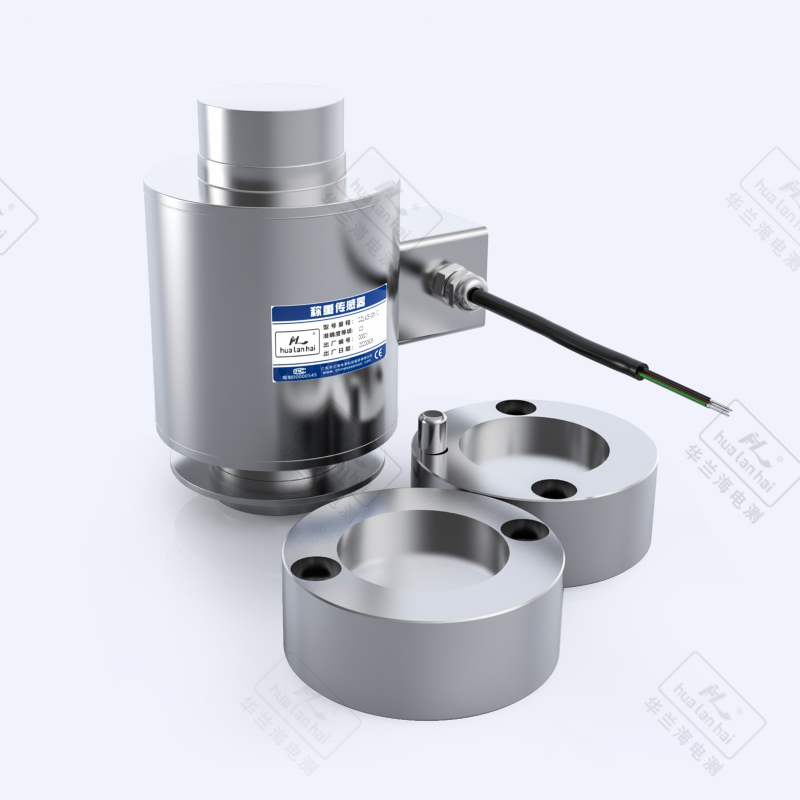
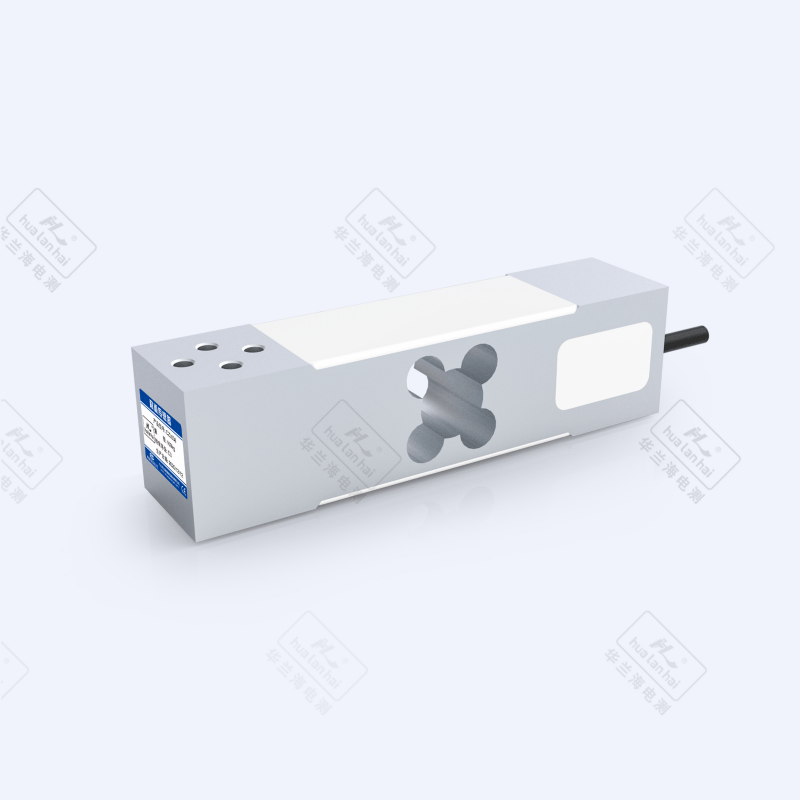
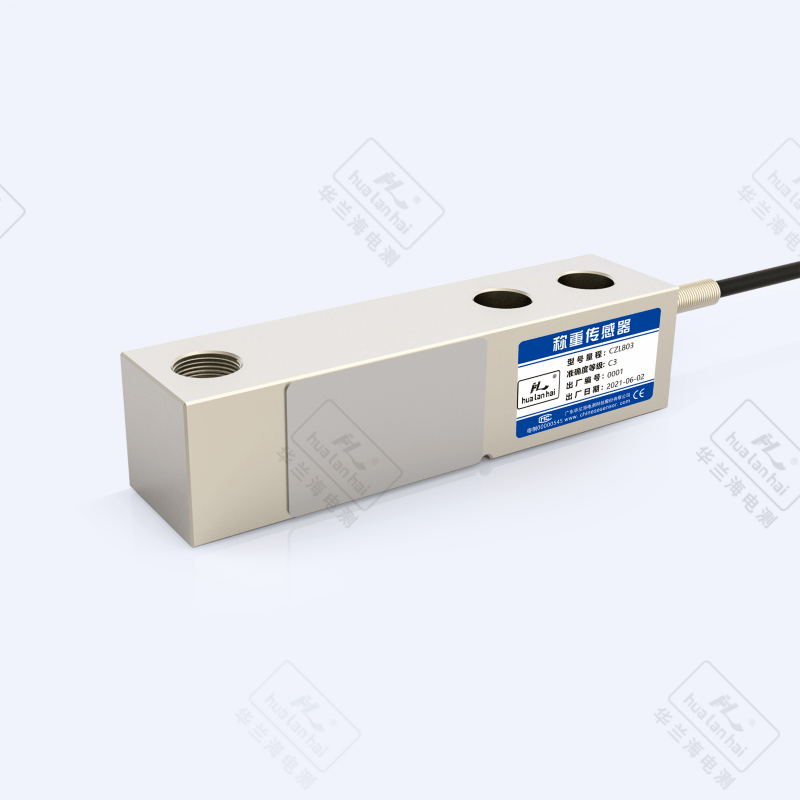
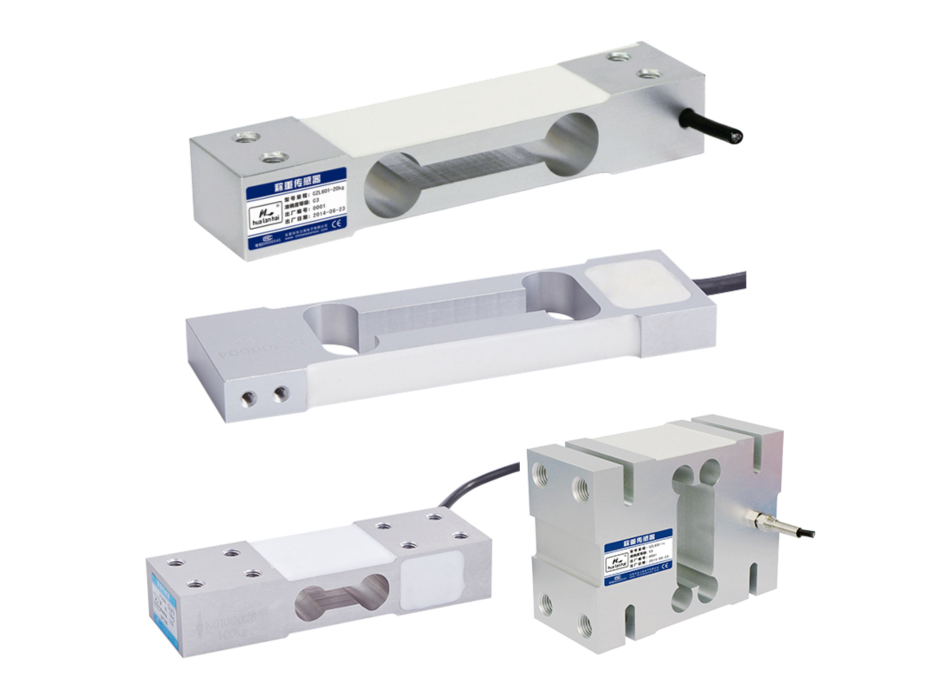
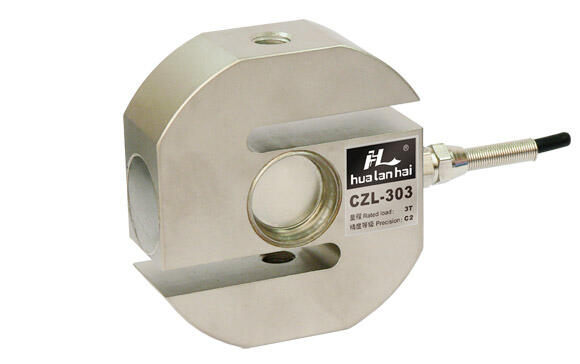
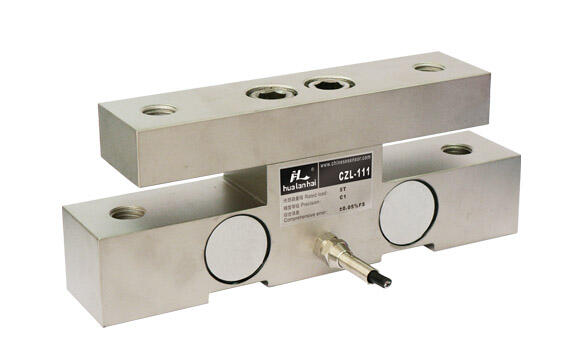
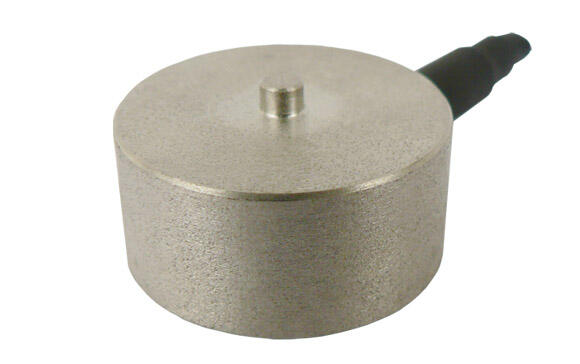
A pull force sensor represents a sophisticated measurement device engineered to detect and quantify tensile forces applied to objects or materials. This essential testing equipment operates by converting mechanical force into electrical signals, providing precise readings that enable engineers and technicians to evaluate material strength, structural integrity, and performance characteristics. The pull force sensor utilizes advanced strain gauge technology or piezoelectric elements to capture force measurements with exceptional accuracy and reliability. Modern pull force sensor designs incorporate digital interfaces that facilitate seamless integration with data acquisition systems, computerized testing platforms, and automated quality control processes. These devices feature robust construction materials that withstand harsh operating environments while maintaining measurement precision across extended operational periods. The pull force sensor typically includes calibrated load cells, signal conditioning circuits, and protective housing that ensures consistent performance under varying temperature and humidity conditions. Key technological features include real-time data transmission capabilities, programmable measurement ranges, and compatibility with multiple communication protocols. The sensor's compact design allows installation in confined spaces while delivering professional-grade measurement accuracy. Advanced pull force sensor models offer wireless connectivity, enabling remote monitoring and data collection from multiple testing locations simultaneously. The device supports various mounting configurations, accommodating different test specimen geometries and experimental setups. These sensors provide linear output characteristics across their specified measurement range, ensuring reliable force quantification for critical applications. The pull force sensor incorporates overload protection mechanisms that prevent damage from excessive forces while maintaining calibration integrity. Temperature compensation features ensure measurement stability across varying environmental conditions, making these devices suitable for both laboratory and field applications.

New Product Releases

The pull force sensor delivers exceptional measurement accuracy that significantly enhances quality control processes across manufacturing and testing environments. This precision enables organizations to identify material defects, verify product specifications, and maintain consistent quality standards that protect brand reputation and customer satisfaction. The device eliminates human error associated with manual force measurements, providing objective data that supports informed decision-making and regulatory compliance requirements. Real-time monitoring capabilities allow immediate detection of force variations, enabling prompt corrective actions that prevent costly production delays and material waste. The pull force sensor offers remarkable versatility in accommodating diverse testing requirements, from delicate electronic components to heavy-duty structural materials. This adaptability reduces equipment costs by eliminating the need for multiple specialized testing devices, streamlining operations while maximizing return on investment. The sensor's digital interface simplifies data collection and analysis, automatically recording measurements and generating comprehensive reports that facilitate documentation and traceability requirements. Installation proves straightforward, requiring minimal training for operators and reducing implementation time compared to complex mechanical testing systems. The pull force sensor demonstrates exceptional durability, withstanding repetitive loading cycles and harsh environmental conditions without degradation in measurement performance. This reliability minimizes maintenance costs and extends equipment lifespan, providing long-term value for testing laboratories and production facilities. The device supports automated testing protocols, reducing labor costs while increasing throughput and consistency in measurement procedures. Wireless connectivity options enable remote monitoring of multiple testing stations, improving operational efficiency and allowing centralized data management. The pull force sensor integrates seamlessly with existing quality management systems, enhancing workflow automation and reducing administrative overhead. Cost-effective operation results from low power consumption, minimal maintenance requirements, and robust construction that resists wear and environmental damage. These sensors provide scalable solutions that grow with business needs, supporting everything from small-scale research projects to high-volume production testing applications.

Tips And Tricks

Guide to Selecting Load Cells

25

Nov

Guide to Selecting Load Cells

View More

Get a Free Quote

Our representative will contact you soon.
Email
Name
Company Name
WhatsApp
Message
0/1000

pull force sensor

Advanced Digital Integration and Connectivity

Advanced Digital Integration and Connectivity

The pull force sensor features cutting-edge digital integration capabilities that revolutionize how organizations collect, analyze, and utilize force measurement data. This sophisticated technology incorporates multiple communication protocols, including USB, Ethernet, and wireless connectivity options, enabling seamless integration with existing testing infrastructure and data management systems. The sensor's intelligent microprocessor handles real-time signal processing, converting raw force measurements into calibrated digital values with exceptional precision and minimal latency. Advanced software compatibility ensures the pull force sensor works effectively with popular data acquisition platforms, statistical analysis programs, and quality management software systems. The device supports programmable measurement parameters, allowing users to customize sampling rates, filtering options, and alarm thresholds according to specific testing requirements. Remote monitoring capabilities enable technicians to supervise multiple testing stations simultaneously, reducing labor costs while maintaining oversight of critical quality control processes. The pull force sensor automatically timestamps measurements and maintains comprehensive data logs, facilitating traceability requirements and supporting regulatory compliance in industries such as aerospace, automotive, and medical device manufacturing. Cloud connectivity options enable secure data storage and sharing across distributed teams, promoting collaboration and enabling access to testing results from any location with internet connectivity. The sensor's digital interface eliminates analog signal degradation and electromagnetic interference issues that can compromise measurement accuracy in traditional testing systems. Automated calibration verification features ensure measurement integrity over extended operational periods, reducing maintenance requirements and minimizing downtime associated with manual calibration procedures. The pull force sensor supports batch testing protocols, automatically cycling through predetermined test sequences while documenting results for each specimen, significantly improving testing efficiency and reducing human error in repetitive measurement tasks.

Exceptional Measurement Precision and Reliability

Exceptional Measurement Precision and Reliability

The pull force sensor delivers unparalleled measurement precision through advanced strain gauge technology and sophisticated signal conditioning circuits that ensure accurate force quantification across diverse testing applications. This exceptional accuracy stems from carefully calibrated load cells that undergo rigorous factory testing and certification procedures, guaranteeing measurement uncertainty levels that meet or exceed international standards for force measurement devices. The sensor incorporates temperature compensation algorithms that automatically adjust readings based on ambient conditions, maintaining measurement stability across wide temperature ranges without requiring manual corrections or environmental controls. Overload protection mechanisms safeguard the sensitive measurement elements from damage while preserving calibration integrity, ensuring consistent performance even when subjected to forces exceeding the nominal measurement range. The pull force sensor features linear output characteristics across its entire measurement range, providing proportional response that simplifies data interpretation and analysis procedures. Advanced filtering algorithms eliminate noise and vibration effects that can compromise measurement accuracy in industrial environments, delivering clean, stable readings even in challenging operational conditions. The device undergoes comprehensive quality assurance testing during manufacturing, including calibration verification against traceable reference standards and environmental stress testing to validate long-term stability. Measurement repeatability specifications ensure consistent results when testing identical specimens under similar conditions, supporting statistical analysis and quality control protocols that require reliable data. The pull force sensor maintains measurement accuracy over millions of loading cycles, demonstrating exceptional fatigue resistance that makes it suitable for high-volume testing applications. Drift compensation features automatically correct for minor variations in sensor characteristics over time, extending calibration intervals and reducing maintenance costs associated with frequent recalibration requirements. The robust mechanical design protects sensitive measurement components from shock, vibration, and contamination while maintaining precise force transmission characteristics essential for accurate measurements.
Versatile Application Compatibility and Ease of Use

Versatile Application Compatibility and Ease of Use

The pull force sensor demonstrates remarkable versatility in accommodating diverse testing requirements across multiple industries, from delicate electronics testing to heavy-duty structural analysis applications. This adaptability results from modular design principles that support various mounting configurations, force ranges, and interface options, enabling users to customize the sensor for specific testing scenarios without compromising measurement performance. The device features intuitive operation that requires minimal training for technicians, reducing implementation time and associated costs while ensuring consistent measurement procedures across different operators. Standardized mounting interfaces facilitate easy installation on existing test fixtures and equipment, eliminating the need for extensive modifications to current testing setups. The pull force sensor supports both static and dynamic force measurements, accommodating applications ranging from material property characterization to fatigue testing and quality control verification. Multiple force range options enable users to select optimal sensitivity for their specific testing requirements, ensuring maximum measurement resolution while maintaining adequate overload protection. The device integrates seamlessly with automated testing systems, supporting programmable test sequences that improve throughput and consistency while reducing operator intervention requirements. Compact form factors allow installation in space-constrained environments without sacrificing measurement performance, making the pull force sensor suitable for both laboratory and production floor applications. The sensor accommodates various specimen geometries and gripping arrangements through compatible fixtures and adapters, providing flexibility in test setup design and execution. User-friendly software interfaces simplify configuration and data collection procedures, enabling technicians to focus on testing objectives rather than equipment operation complexities. The pull force sensor supports both handheld and fixed-mount applications, offering flexibility in testing approach based on specimen characteristics and operational requirements. Maintenance procedures remain straightforward, with accessible calibration points and diagnostic features that enable quick verification of sensor performance without specialized tools or extensive downtime.

Get a Free Quote

Our representative will contact you soon.
Email
Name
Company Name
WhatsApp
Message
0/1000