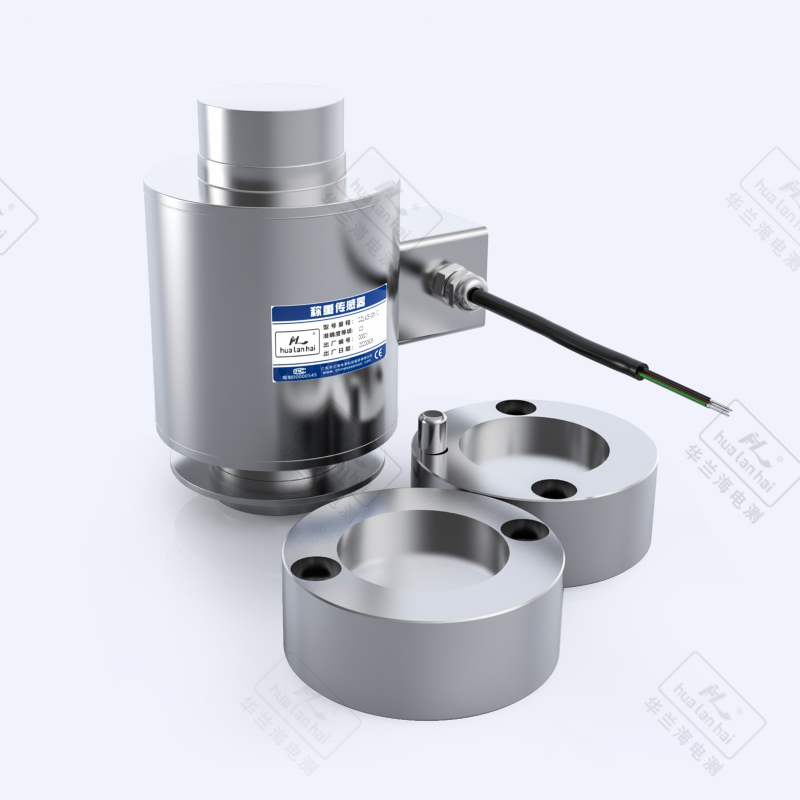
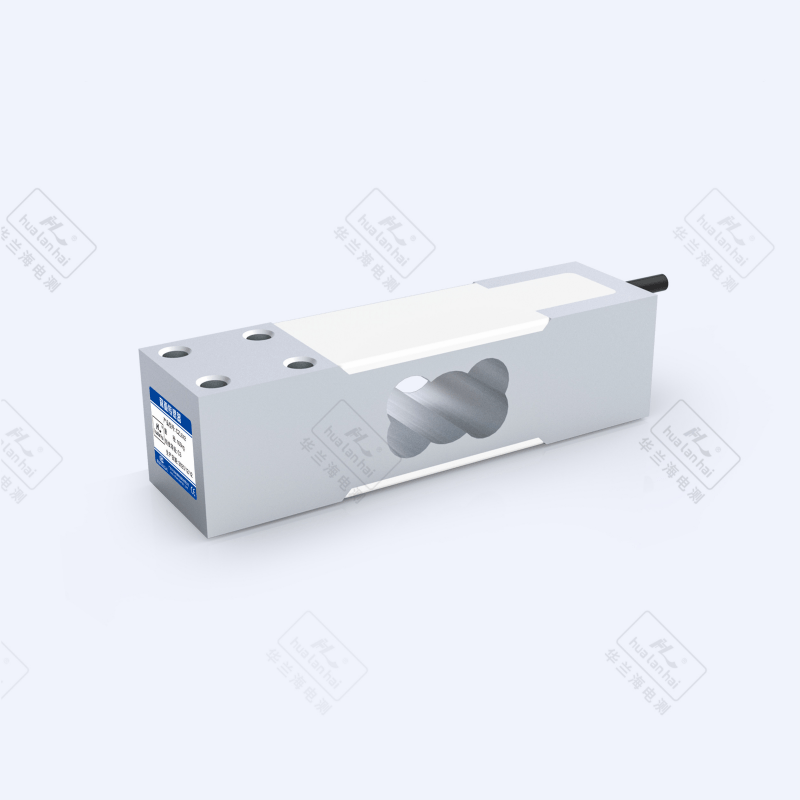
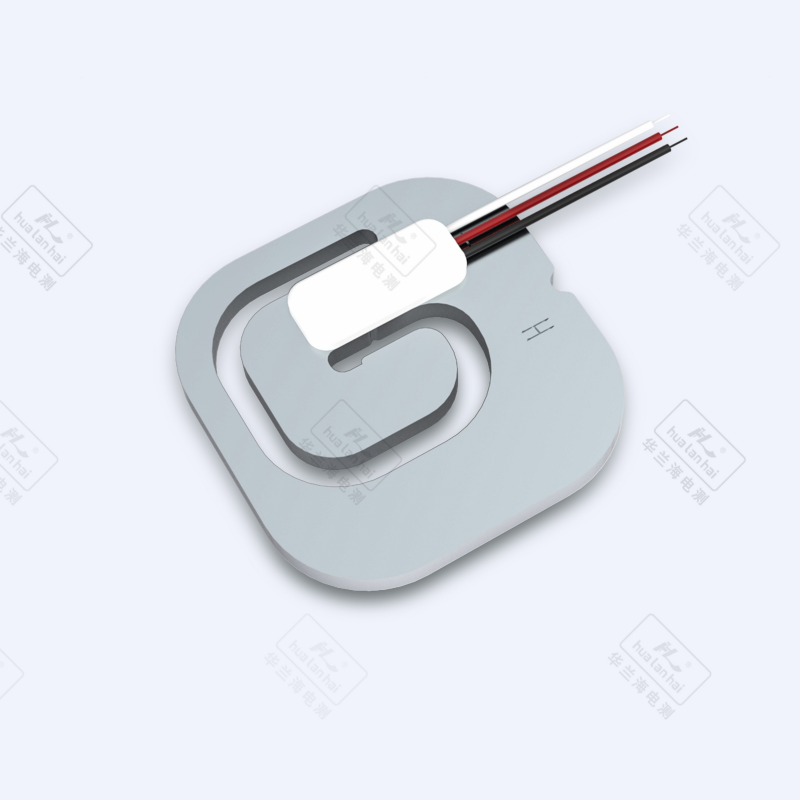
industrial weight indicator
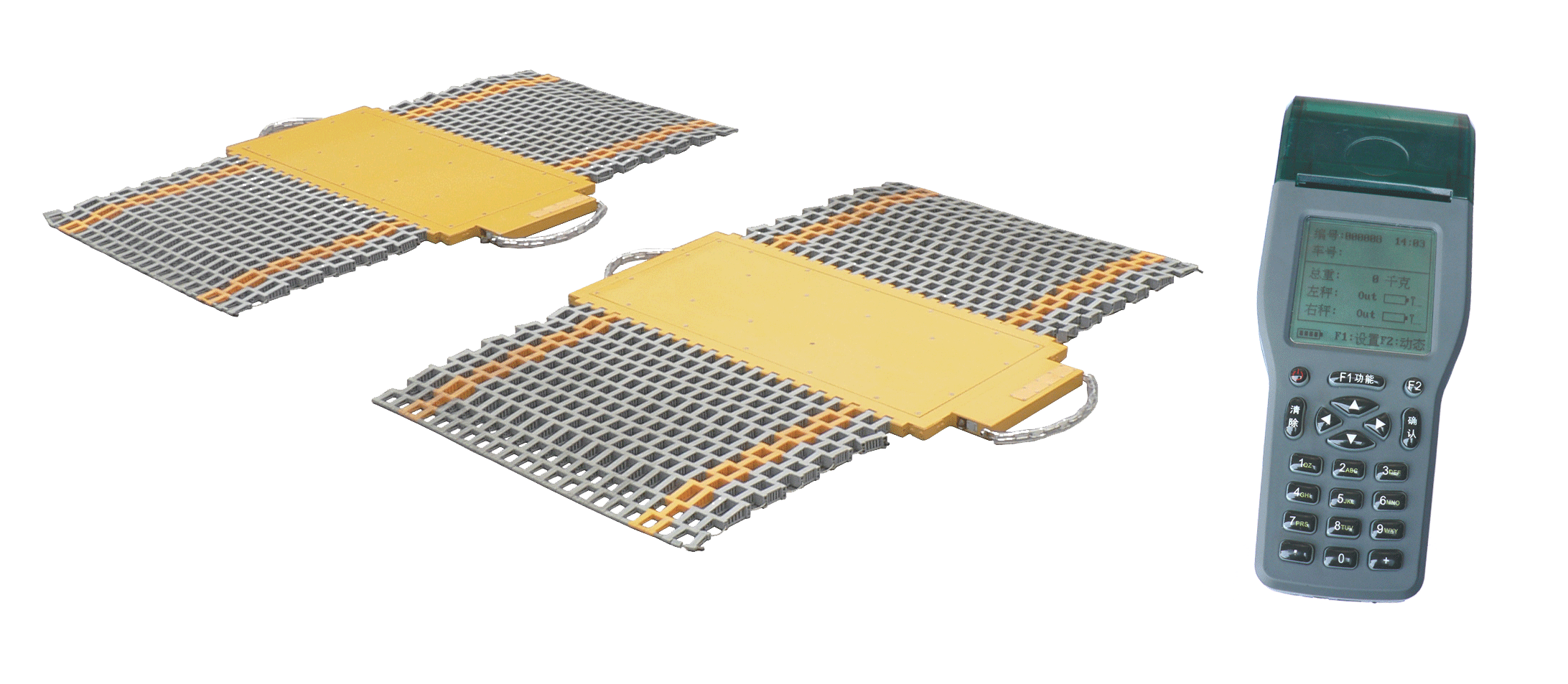
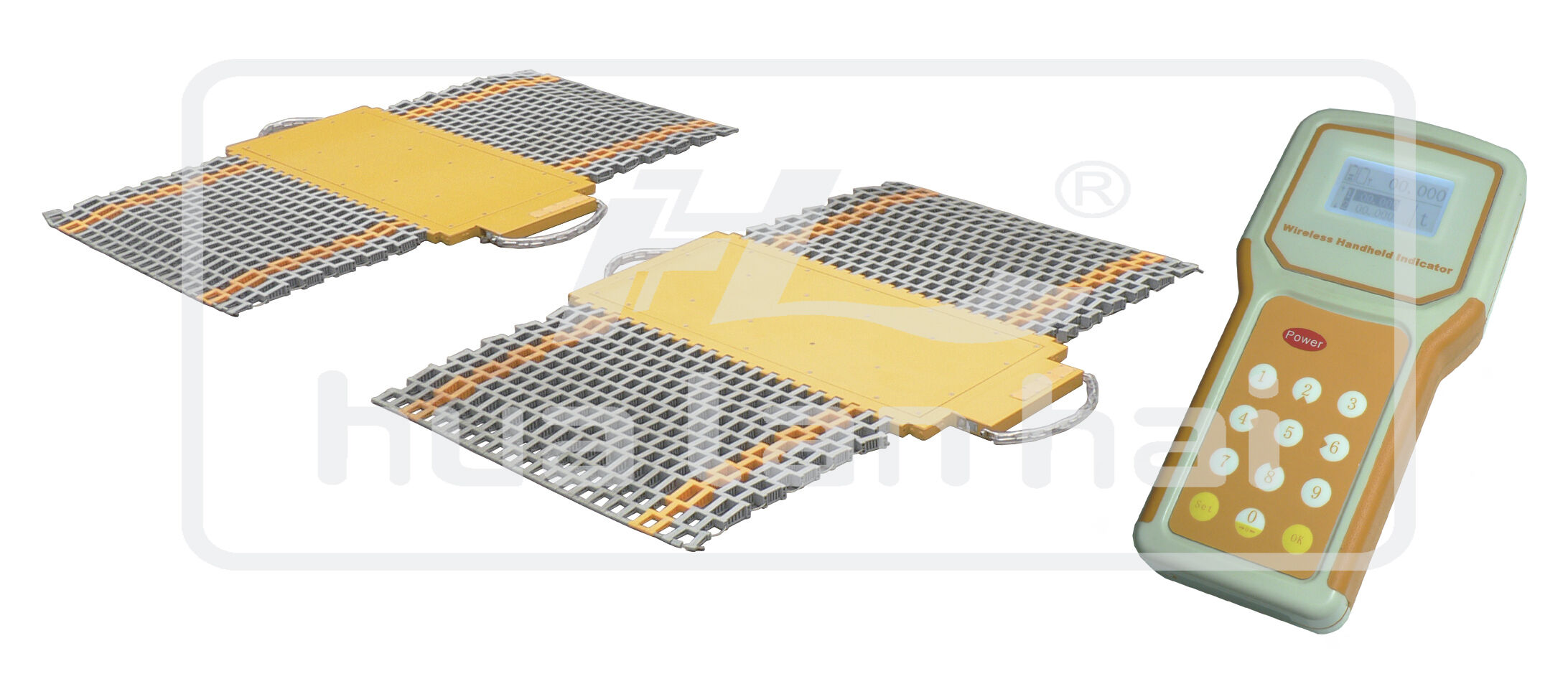
An industrial weight indicator serves as the central control unit for modern weighing systems, transforming raw load cell signals into precise, readable measurements. This sophisticated device acts as the interface between mechanical weighing components and digital display systems, making it essential for accurate weight measurement across numerous industrial applications. The industrial weight indicator processes electrical signals from load cells, amplifies them, converts analog data to digital format, and presents results on clear, easy-to-read displays. Modern industrial weight indicators incorporate advanced microprocessor technology, enabling them to perform complex calculations, store data, and communicate with external systems seamlessly. These devices typically feature robust construction designed to withstand harsh industrial environments, including exposure to dust, moisture, temperature variations, and electromagnetic interference. The core functionality of an industrial weight indicator extends beyond simple weight display, encompassing features like tare functions, preset limits, batch counting, and statistical analysis capabilities. Many units include connectivity options such as RS-232, RS-485, Ethernet, or wireless protocols, allowing integration with enterprise resource planning systems, warehouse management software, and quality control databases. The technological architecture of these indicators often includes high-resolution analog-to-digital converters, ensuring measurement accuracy down to fractional units. Advanced filtering algorithms eliminate noise and vibration effects, while temperature compensation maintains precision across varying environmental conditions. Industrial weight indicators find applications in manufacturing facilities, shipping departments, chemical processing plants, food production lines, pharmaceutical operations, and logistics centers. They serve critical roles in inventory management, quality assurance, compliance reporting, and process optimization. The versatility of these devices makes them suitable for applications ranging from simple parts counting to complex batching operations requiring multiple ingredient measurements.

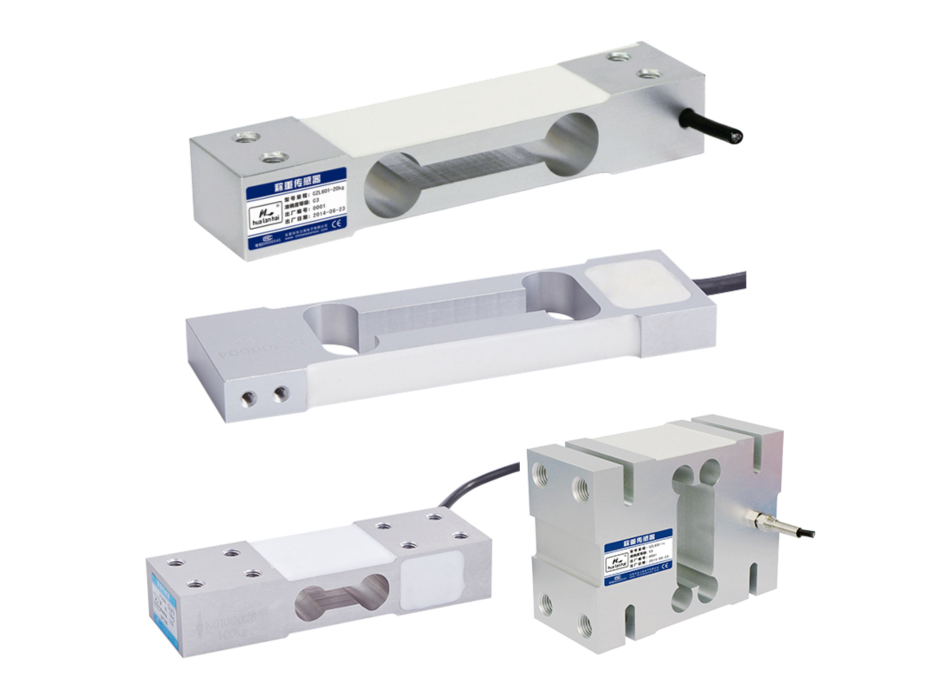

 EN
EN