
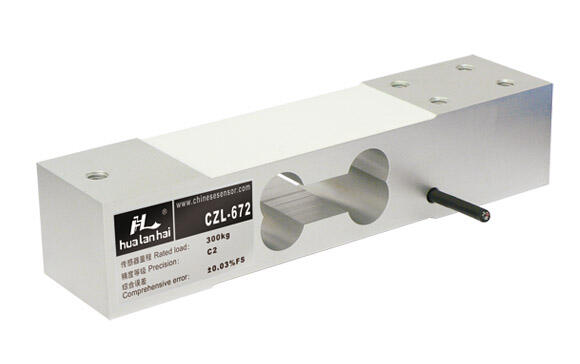
Professional Forklift Load Cell Systems - Precision Weight Monitoring Solutions

All Categories

Get a Free Quote

Our representative will contact you soon.
Email
Name
Company Name
WhatsApp
Message
0/1000

forklift load cell

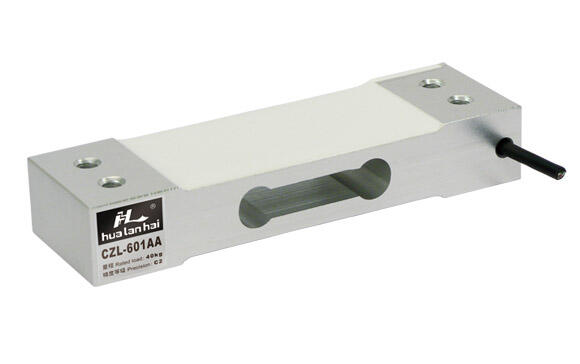
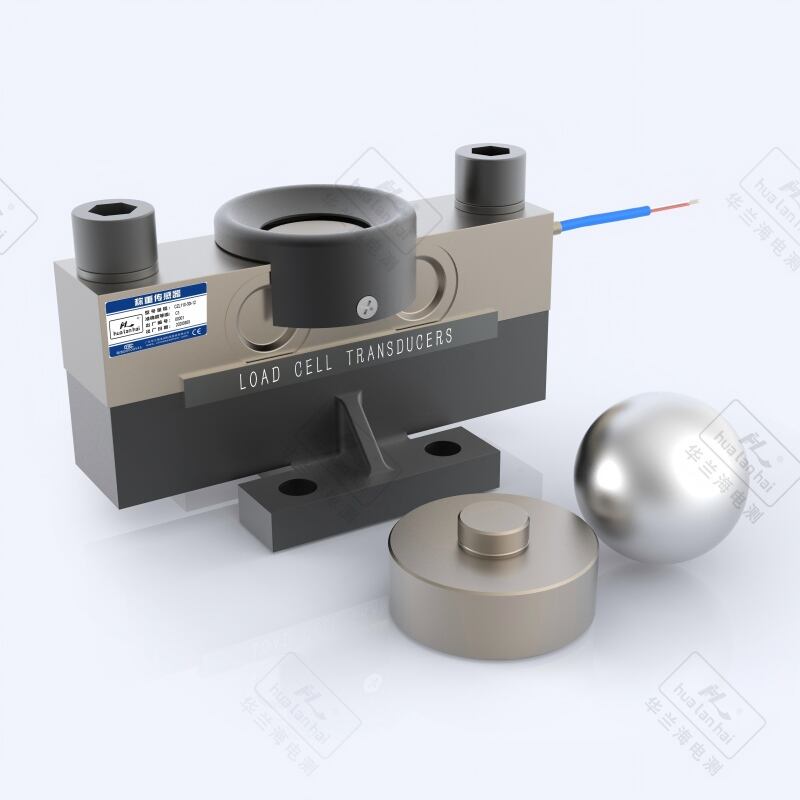
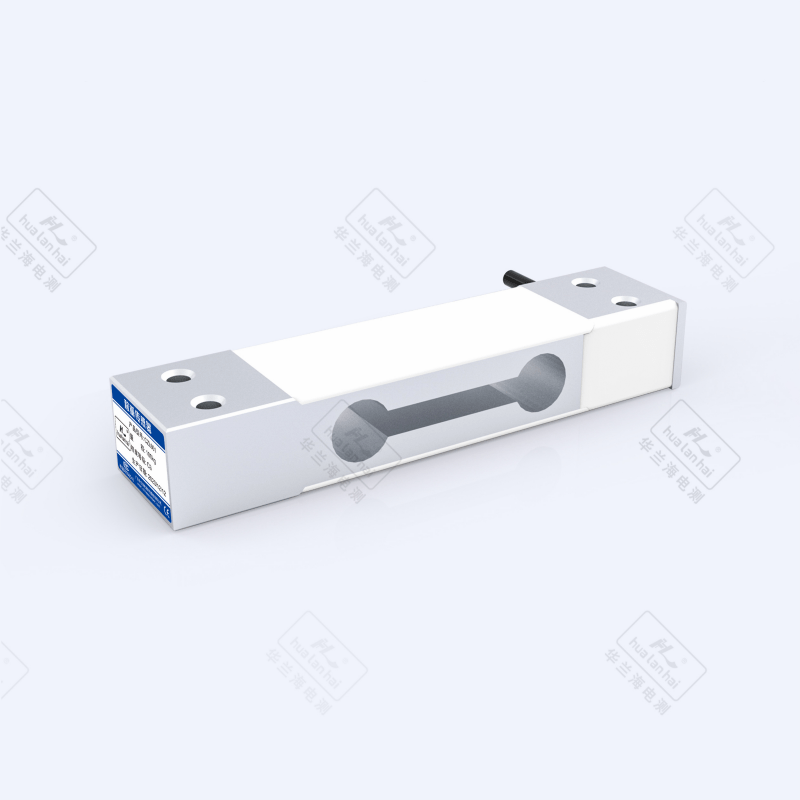
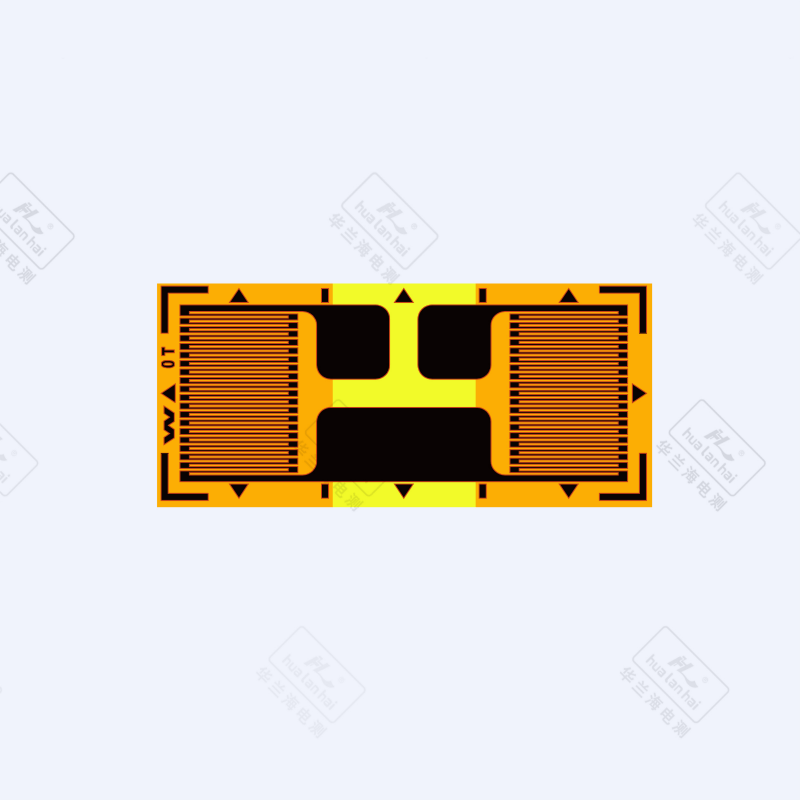
A forklift load cell represents a sophisticated weighing system designed specifically for integration into material handling equipment. This precision instrument transforms mechanical forces into electrical signals, enabling real-time weight measurement during lifting and transportation operations. The forklift load cell utilizes strain gauge technology to detect minute deformations caused by applied loads, converting these physical changes into measurable electronic outputs. Modern forklift load cell systems feature advanced digital processing capabilities that ensure accurate readings across diverse operating conditions. The primary function involves continuous monitoring of cargo weight, providing operators with instant feedback about load status and capacity utilization. These systems integrate seamlessly with existing forklift hydraulic components, requiring minimal modification to standard equipment configurations. The forklift load cell operates through multiple measurement points strategically positioned within the lifting mechanism, typically mounted between hydraulic cylinders and mast assemblies. Advanced models incorporate temperature compensation algorithms that maintain accuracy across varying environmental conditions, while sophisticated filtering systems eliminate interference from vibrations and dynamic loading scenarios. The technology encompasses both analog and digital output formats, accommodating various display systems and data logging requirements. Safety features include overload protection mechanisms that prevent equipment damage and operator injury through automated warnings and operational restrictions. Calibration procedures ensure long-term accuracy, with many forklift load cell systems featuring self-diagnostic capabilities that monitor performance parameters and alert users to potential maintenance requirements. Communication protocols enable integration with warehouse management systems, facilitating automated inventory tracking and operational optimization. The robust construction withstands harsh industrial environments, incorporating sealed housing designs that protect sensitive electronics from moisture, dust, and chemical exposure. Installation flexibility accommodates different forklift models and configurations, with adjustable mounting systems that ensure proper alignment and optimal performance across diverse applications.

Popular Products

The forklift load cell delivers substantial operational benefits that directly impact productivity and profitability across warehouse and industrial environments. Cost reduction emerges as a primary advantage, as accurate weight measurement eliminates guesswork and prevents costly overloading incidents that can damage equipment or compromise safety standards. Operators gain immediate access to precise load information, enabling informed decisions about cargo handling and capacity management without requiring separate weighing procedures. This real-time feedback capability significantly reduces processing time, as materials can be weighed during normal lifting operations rather than requiring additional stops at external scales. The forklift load cell enhances inventory accuracy through automated weight recording, reducing human error associated with manual data entry and providing reliable documentation for shipping and receiving operations. Safety improvements represent another crucial benefit, as continuous load monitoring prevents dangerous overweight conditions that could cause equipment failure or workplace accidents. The system automatically alerts operators when approaching weight limits, enabling proactive adjustments before reaching critical thresholds. Maintenance costs decrease substantially due to reduced wear on forklift components, as proper load management prevents excessive stress on hydraulic systems, masts, and drive components. The forklift load cell improves customer satisfaction through more accurate billing based on actual weights rather than estimates, reducing disputes and enhancing business relationships. Compliance benefits include simplified adherence to transportation regulations and safety standards, as documented weight records provide evidence of proper loading practices. Integration capabilities enable connection with existing warehouse management systems, creating comprehensive tracking solutions that optimize operations across multiple departments. The technology reduces fuel consumption and operational expenses by preventing inefficient trips with underutilized capacity or dangerous overloads. Training requirements remain minimal, as most forklift load cell systems feature intuitive displays and simple operation procedures that integrate naturally into existing workflows. Quality control improvements result from consistent weight verification, enabling detection of packaging errors or product variations before materials reach customers. Long-term reliability ensures sustained performance with minimal maintenance requirements, providing excellent return on investment through years of dependable service.

Tips And Tricks

Get a Free Quote

Our representative will contact you soon.
Email
Name
Company Name
WhatsApp
Message
0/1000

forklift load cell

Advanced Real-Time Weight Monitoring Technology

Advanced Real-Time Weight Monitoring Technology

The forklift load cell incorporates cutting-edge sensor technology that delivers unprecedented accuracy in real-time weight measurement applications. This sophisticated system utilizes high-precision strain gauges strategically positioned throughout the lifting mechanism to capture comprehensive load data during every operation. The advanced electronics package processes multiple sensor inputs simultaneously, applying complex algorithms that compensate for dynamic loading conditions, temperature variations, and mechanical tolerances. Digital signal processing eliminates noise interference and provides stable readings even in challenging industrial environments characterized by vibration, electromagnetic interference, and rapid load changes. The forklift load cell features rapid response times measured in milliseconds, ensuring operators receive immediate feedback about load status throughout lifting, lowering, and transportation cycles. Multi-point calibration procedures guarantee accuracy across the entire weight range, from minimal loads to maximum capacity specifications. The system automatically adjusts for forklift positioning and mast angle variations, maintaining consistent accuracy regardless of operational orientation. Advanced filtering algorithms distinguish between actual load weight and dynamic forces generated by acceleration, deceleration, and directional changes. Temperature compensation mechanisms ensure stable performance across extreme environmental conditions, from freezing warehouse environments to high-temperature industrial applications. The forklift load cell incorporates self-diagnostic capabilities that continuously monitor sensor integrity, electrical connections, and calibration stability. Automated alerts notify operators of potential issues before they affect measurement accuracy, enabling proactive maintenance scheduling. The robust design withstands shock loads and impact forces common in demanding material handling operations. Sealed construction protects sensitive components from moisture, dust, chemicals, and mechanical damage. The system maintains accuracy specifications throughout extended operational periods, reducing recalibration requirements and minimizing downtime. Advanced communication protocols enable integration with various display systems, data loggers, and warehouse management platforms, providing flexible connectivity options for diverse applications.
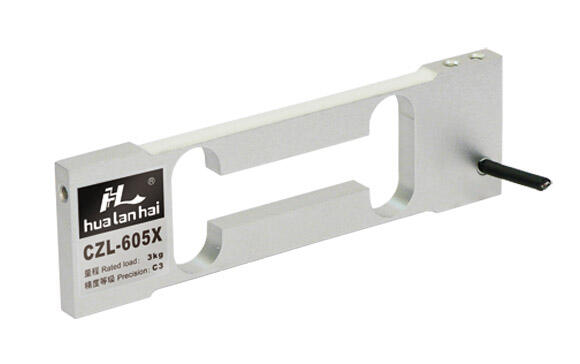
Seamless Integration with Existing Forklift Systems

Seamless Integration with Existing Forklift Systems

The forklift load cell demonstrates exceptional compatibility with diverse forklift models and configurations, requiring minimal modifications to existing equipment while delivering comprehensive weighing capabilities. Installation procedures utilize standard mounting hardware and connection methods that integrate naturally with original equipment manufacturer specifications. The system adapts to various hydraulic configurations, including single and dual cylinder designs, telescopic masts, and specialized lifting attachments. Universal mounting brackets accommodate different forklift brands and models, ensuring broad applicability across mixed fleet operations. The forklift load cell connects seamlessly with existing hydraulic systems without compromising performance or reliability of original lifting functions. Electrical integration utilizes standard industrial connectors and wiring practices, simplifying installation and maintenance procedures. The system operates within existing forklift electrical parameters, drawing minimal power while providing continuous monitoring capabilities. Display integration options include dashboard mounting, external indicators, and wireless transmission to remote monitoring stations. The forklift load cell accommodates various attachment types, from standard forks to specialized clamps, rotators, and side shifters, maintaining accuracy across diverse lifting configurations. Calibration procedures account for different attachment weights and characteristics, ensuring consistent performance regardless of equipment configuration. The system maintains compatibility with existing forklift safety features, including load backrest extensions, overhead guards, and operator restraint systems. Installation typically requires minimal downtime, allowing continued operations during implementation phases. Modular design enables system expansion and upgrade capabilities without replacing entire installations. The forklift load cell integrates with fleet management systems, providing centralized monitoring and data collection across multiple units. Standardized communication protocols ensure compatibility with various software platforms and data management systems. Service procedures utilize conventional tools and techniques familiar to forklift maintenance personnel, reducing training requirements and simplifying support operations. The system accommodates future technology upgrades through expandable hardware and software architectures, protecting investment value over extended operational periods. Documentation packages include comprehensive installation guides, wiring diagrams, and troubleshooting procedures that facilitate professional installation and ongoing maintenance support.
Comprehensive Safety and Compliance Enhancement Features

Comprehensive Safety and Compliance Enhancement Features

The forklift load cell provides extensive safety features designed to protect personnel, equipment, and cargo while ensuring compliance with industry regulations and operational standards. Overload protection systems automatically prevent lifting operations when weight limits approach dangerous thresholds, displaying clear warnings and restricting hydraulic functions to prevent equipment damage and safety hazards. The system continuously monitors load conditions throughout all operational phases, including lifting, lowering, traveling, and positioning activities. Stability calculations account for load distribution, forklift configuration, and operational parameters to assess tip-over risks and provide real-time stability feedback. The forklift load cell incorporates programmable weight limits that accommodate different operational requirements, operator skill levels, and specific safety protocols. Audit trail capabilities maintain comprehensive records of all weighing activities, including timestamps, operator identification, and load characteristics for compliance documentation and incident analysis. Visual and audible alarm systems provide clear notifications when approaching weight limits, enabling proactive intervention before reaching critical conditions. The system generates detailed reports that document proper loading practices and demonstrate adherence to transportation regulations and workplace safety standards. Emergency override capabilities allow authorized personnel to address critical situations while maintaining safety protocols and documentation requirements. The forklift load cell integrates with existing safety systems, including backup alarms, warning lights, and operator restraint systems, creating comprehensive protection networks. Maintenance monitoring features track system performance parameters and alert supervisors to potential issues that could compromise safety or accuracy. The system accommodates various regulatory requirements across different industries and geographical regions, providing configurable settings that ensure compliance with local standards. Training support features include operational guides and safety procedures that help operators understand proper loading techniques and safety protocols. Data logging capabilities preserve historical information that supports safety analysis, trend identification, and continuous improvement initiatives. The forklift load cell includes redundant safety mechanisms that maintain protection even during component failures or system malfunctions. Regular calibration verification procedures ensure sustained accuracy and reliability for critical safety applications. Integration with warehouse management systems enables automated compliance monitoring and reporting across entire operations, reducing administrative burden while enhancing safety oversight capabilities throughout material handling operations.

Get a Free Quote

Our representative will contact you soon.
Email
Name
Company Name
WhatsApp
Message
0/1000