EN
EN

- Overview
- Recommended Products
- Ultra-small Volume and Lightweight: The Aluminum Micro Sensor CZL672 features standard dimensions ranging from 5mm×5mm×2mm to 30mm×20mm×10mm, with weights as low as 0.1g–5g. Customized micro load cell configurations can achieve even smaller dimensions at the millimeter scale, enabling seamless integration into ultra-compact devices such as smartwatches, micro-pumps, and portable wearables without compromising structural integrity.
- Compact Structural Design: The CZL672 load cell employs integrated packaging architecture, consolidating sensitive measurement components and signal conditioning circuits within a precision-engineered micro-shell. Multiple installation configurations including surface-mount and lead-type designs ensure compatibility with direct PCB soldering or snap-fit fixation methods, streamlining assembly processes.
- Wide Range of Precise Measurement: This aluminum load cell sensor delivers measurement accuracy spanning from 0.1g to 50kg, with measurement precision as tight as ±0.01%FS–±0.1%FS and resolution capabilities down to 0.001g. The Aluminum Micro Sensor CZL672 satisfies demanding applications requiring microgram-level accuracy in laboratory environments and gram-level precision in consumer electronics applications.
- Rapid Dynamic Response: With response time specifications of ≤10ms, the micro load cell CZL672 captures instantaneous weight fluctuations in real-time, preventing measurement errors caused by signal delays. This rapid responsiveness proves critical in high-speed automated sorting applications and continuous medical monitoring systems requiring immediate data feedback.
- Stable Anti-Interference Capability: The aluminum load cell sensor incorporates built-in temperature compensation modules, maintaining operational stability across -10°C–60°C environmental ranges. Differential signal outputs and electromagnetic shielding technology effectively counteract interference from surrounding electronic circuits, ensuring consistent and reliable measurement data.
- Multi-Signal Output Compatibility: The CZL672 load cell supports comprehensive signal protocols including analog outputs (0-5V, 4-20mA) and digital interfaces (I2C, SPI, UART), enabling direct connection to microcontrollers, single-chip microcomputers, and compact PLCs without requiring additional signal conditioning amplification modules.
- Material and Medium Compatibility: Constructed from premium materials including 316L stainless steel, titanium alloy, or specialized engineering plastics, the micro load cell delivers superior corrosion resistance across diverse weighing media. This design compatibility accommodates medical fluids, food ingredients, electronic components, and harsh chemical environments while preventing contamination or material degradation.
- Low Power Consumption: Operating at static power consumption levels of ≤10mA with sleep mode capabilities reaching 10μA, the Aluminum Micro Sensor CZL672 proves ideally suited for battery-powered portable devices including handheld weighers and smart wearables, significantly extending operational battery life and reducing energy overhead.
- Integration Barriers in Micro-Devices: The CZL672 load cell eliminates dimensional constraints preventing embedding of conventional sensors within compact devices such as smart bracelets, liquid weight control systems in medical micro-pumps, and specialized wearables, enabling dual achievement of weighing functionality and miniaturization requirements.
- High-Precision Measurement of Light Loads: This aluminum load cell sensor overcomes precision deficiencies in gram and milligram-level measurements, providing reliable data essential for laboratory micro-sample weighing and electronic component pin weight detection in precision manufacturing environments.
- Power Consumption in Portable Devices: The micro load cell significantly reduces battery drain experienced with conventional weighing sensors, extending operational duration in handheld express weighers and outdoor portable measurement devices through optimized power efficiency.
- Complex Installation Space Constraints: The Aluminum Micro Sensor CZL672 accommodates weight measurement requirements in challenging spatial environments through flexible surface-mount or embedded installation options, ideal for internal equipment component weighing and specialized pipeline fluid weight monitoring applications.
- Multi-Scenario Signal Compatibility: The CZL672 load cell resolves signal mismatches between traditional sensors and modern microcontroller systems, with digital signal models connecting directly to single-chip microcomputers, thereby simplifying circuit design complexity and substantially reducing development costs.
- High Integration Convenience: Standardized pin configurations and package dimensions enable rapid PCB soldering or snap-fit installation procedures without requiring complex mechanical infrastructure, reducing integration timelines to approximately 30 minutes and substantially enhancing manufacturing productivity.
- Simple Debugging and Operation: Digital signal configurations provide convenient command-based zero and range calibration functionality, while analog signal versions deliver exceptional linearity requiring only fundamental circuit validation. These characteristics substantially lower technical competency thresholds for development teams.
- Strong Usage Stability: Advanced temperature compensation and electromagnetic interference rejection design limit annual data drift to ≤±0.05%FS, minimizing recalibration frequency requirements and substantially reducing long-term maintenance workload in portable and embedded deployment scenarios.
- Flexible and Diverse Model Selection: Extensive model portfolios encompassing varied measurement ranges, signal architectures, and mounting configurations enable direct specification selection aligned with device footprint requirements, power supply characteristics, and precision specifications, with manufacturer support for small-batch customization options.
- Reasonable Cost Control: Bulk acquisition costs for the Aluminum Micro Sensor CZL672 range from tens to hundreds of yuan per unit, delivering cost reductions exceeding 50% compared to customized proprietary sensing solutions. Exceptionally low power consumption profiles further minimize total device energy expenditure.
- Infusion Monitoring Devices: The CZL672 load cell embedded within infusion pump systems monitors real-time liquid weight dynamics, calculates precise infusion administration rates, and activates critical alarms upon fluid depletion—essential functionality for intensive care unit protocols requiring exacting infusion accuracy control.
- Rehabilitation and Nursing Equipment: This aluminum load cell sensor integrates into smart rehabilitation measurement platforms and prosthetic weight-sensing modules, monitoring weight-bearing progression during elderly rehabilitation training and delivering force feedback data for enhanced safety outcomes.
- Laboratory Medical Equipment: The micro load cell CZL672 precisely measures reagent and biological sample weights within micro-pipetting systems and biochemical analytical instruments, ensuring measurement accuracy critical for diagnostic applications including viral test reagent quantification.
- Smart Wearables: Integrated into smartwatches and fitness trackers, the Aluminum Micro Sensor CZL672 enables body composition analysis through weight distribution measurement and exercise force monitoring during running or training activities.
- Smart Home Devices: The aluminum load cell sensor integrates into intelligent kitchen scales for precise ingredient measurement and smart coffee brewing systems ensuring optimal powder dosing for beverage quality consistency, plus smart waste management systems employing weight-based capacity assessment.
- Portable Weighing Tools: Miniature express scales and luggage weighers leverage the CZL672 load cell for ultra-compact form factors with extended battery life, delivering real-time measurement feedback without compromising portability requirements.
- Electronic Component Production: The micro load cell CZL672 implements real-time quality control on surface-mount technology assembly production lines, monitoring component weights to identify defective parts and verifying semiconductor encapsulation colloid weight specifications for packaging integrity assurance.
- Micro Automation Equipment: Equipped on end-effectors of precision assembly robotic systems, the Aluminum Micro Sensor CZL672 detects component pickup success through weight measurement verification during complex assembly operations including mobile device camera module integration.
- Fluid Control Devices: Embedded in micro-metering pump systems and fuel injection mechanisms, this aluminum load cell sensor monitors precise fluid delivery through weight measurement, enabling combustion efficiency optimization in fuel injection system applications.
- Materials Science Research: The CZL672 load cell measures micro-material sample weights including nanomaterials and thin films, quantifying weight changes during material property testing to generate essential performance analysis data for advanced materials development.
- Environmental Monitoring Equipment: Integrated into water quality monitoring and air sampling instrumentation, the micro load cell determines collected sample weights for pollutant concentration calculation, particularly in atmospheric particulate matter analysis applications.
- Micro Sorting Systems: The Aluminum Micro Sensor CZL672 enables weight-based package classification at express logistics automated sorting line endpoints and facilitates product identification through weight matching in unmanned retail checkout environments.
- Retail Weighing Equipment: Precious metals and jewelry precision scales leverage the aluminum load cell sensor's exceptional accuracy for gold, diamond, and luxury goods weighing applications, with compact dimensions accommodating standard retail counter space constraints.
Product Introduction
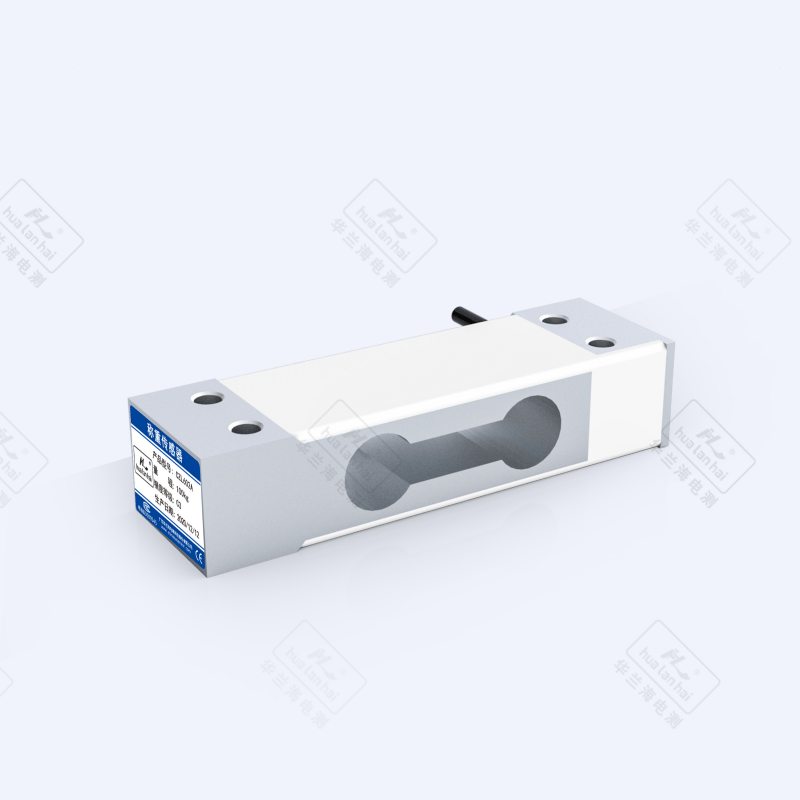
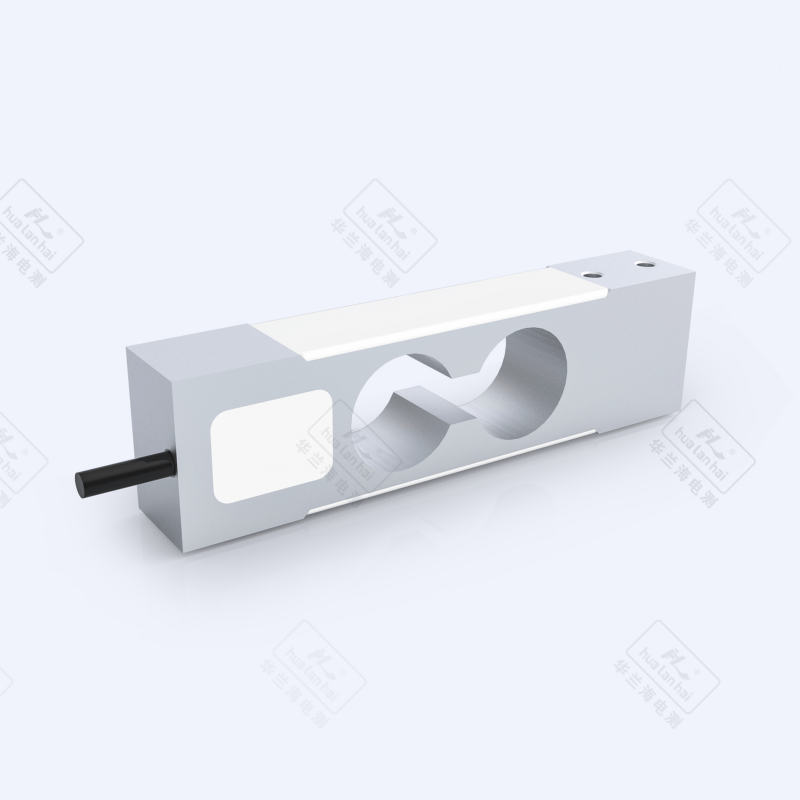
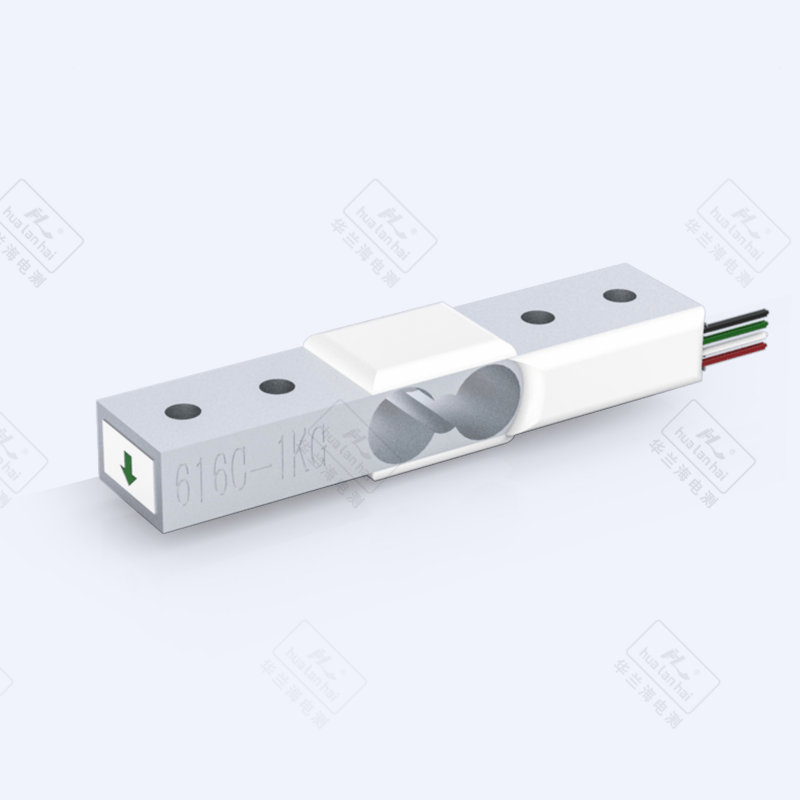
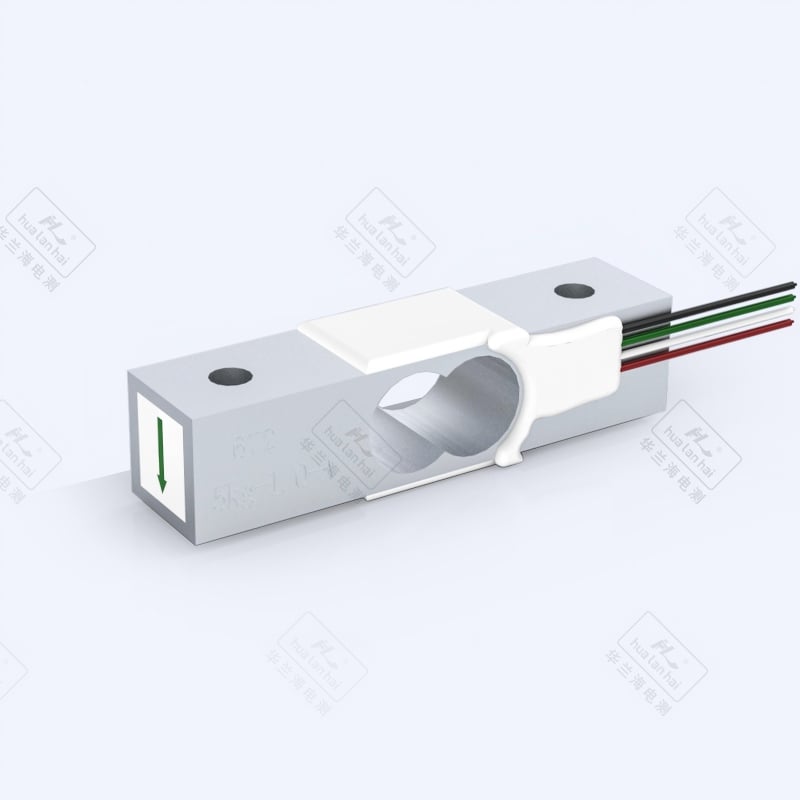
The Aluminum Micro Sensor CZL672 represents a breakthrough in precision weight measurement technology, engineered specifically for miniaturized applications across diverse industries. This aluminum load cell sensor combines strain-gauge technology with micro-sensing principles to convert weight signals into precise electrical signals through sophisticated elastic body mechanisms. The Aluminum Micro Sensor CZL672 exemplifies the convergence of compact design and exceptional accuracy, with volumes ranging from just a few cubic centimeters while delivering measurement capabilities spanning from grams to kilograms. As a specialized micro load cell, the CZL672 load cell serves as the foundational component for weight sensing in space-constrained applications, making it indispensable in medical devices, consumer electronics, intelligent equipment, and scientific research environments where precision and miniaturization are paramount.
1. Core Features and Functions
1) Core Feature of Miniaturization
2) Weighing Performance Advantages
3) Integration and Adaptation Functions
2. Core Industry Pain Points Addressed
Traditional weighing sensors frequently encounter critical limitations including excessive physical dimensions, elevated power consumption requirements, insufficient measurement precision, and complex integration procedures. The Aluminum Micro Sensor CZL672 and related aluminum load cell sensors comprehensively resolve these persistent challenges:
3. User Experience Highlights
4. Typical Application Scenarios
1) Medical and Health Field
2) Consumer Electronics and Smart Wearables
3) Industrial Automation and Micro Manufacturing
4) Scientific Research and Testing Field
5) Logistics and Retail Field
Summary
The Aluminum Micro Sensor CZL672, functioning as both a specialized aluminum load cell sensor and micro load cell, establishes industry-leading competitive advantages through miniaturized dimensions, exceptional measurement precision, and minimal power requirements. This aluminum load cell configuration transcends traditional equipment spatial and measurement limitations, precisely addressing lightweight weighing demands spanning medical technologies, consumer electronics, and advanced micro-manufacturing industries. The CZL672 load cell's streamlined integration procedures, exceptional operational stability, and cost-effective implementation model substantially support functional enhancements in compact device architectures while establishing dependable support for industry achievement of precision, miniaturization, and intelligent capabilities in contemporary weighing applications. The Aluminum Micro Sensor CZL672 represents an indispensable technological component within modern sensor systems.
Detail Display
Parameters
| Parameter Name | Parameter Value |
| Sensor range | 1kg ~ 50kg |
| Output sensitivity | 1.0±0.15 mV/V |
| Linear error | 0.05% FS |
| Lag error | 0.05% FS |
| Off center load error | 0.05% FS |
| Zero output | ±0.1 mV/V |
| Input impedance | 1000±10Ω |
| Output impedance | 1000±10Ω |
| Influence of zero temperature | 0.5% FS/10℃ |
| Sensitivity temperature effect | 0.05% FS/10℃ |
| Reference excitation voltage | 3VDC ~ 10VDC |
| insulation resistance | ≥2000MΩ |
| working temperature | -10℃ ~ +40 ℃ |
| Storage temperature | -10℃ ~ +60 ℃ |
| Safe overload range | 120% |
| Limit overload range | 150% |
| Material Science | Aluminum Alloy |
| Protection level | IP65 |
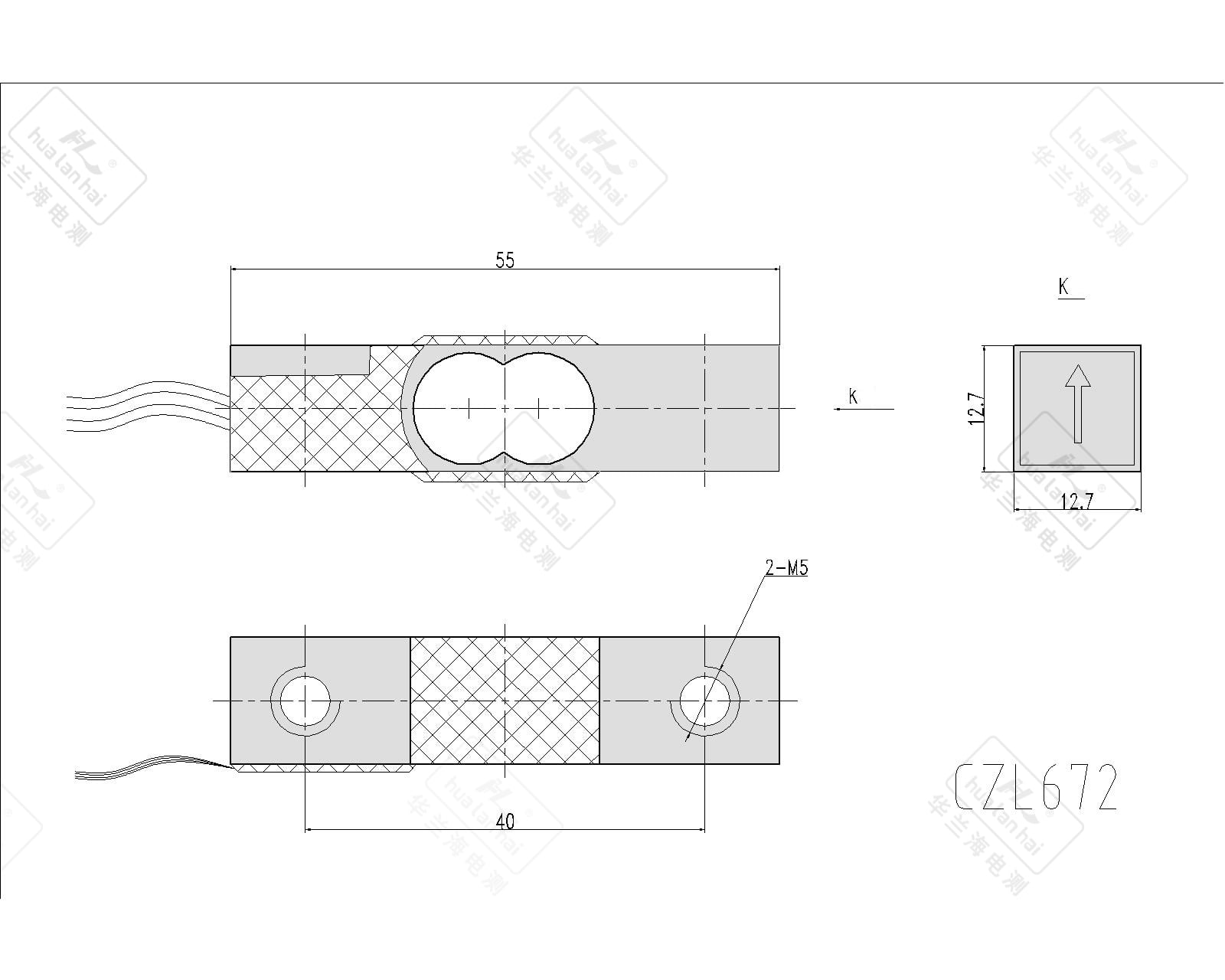
| External dimension of sensor | 5512.712.7 |
| Mounting hole size | 2-M5 |