
 EN
EN
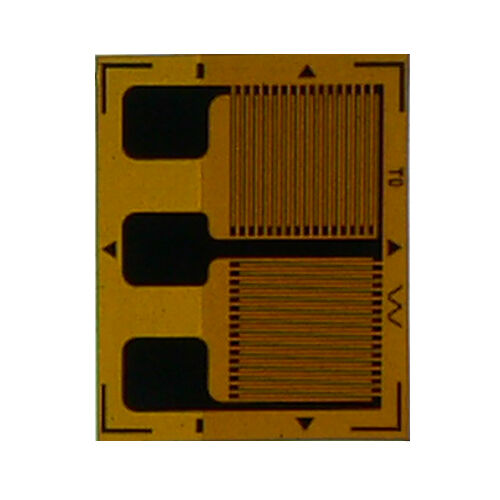
In precision measurement applications across aerospace, automotive, and industrial sectors, the reliability of strain measurement directly impacts safety, performance, and cost-effectiveness. A strain gauge serves as the fundamental sensing element that converts mechanical deformation into measurable electrical signals, making it indispensable for stress analysis, structural health monitoring, and load measurement systems. However, the accuracy and longevity of any strain gauge system fundamentally depend on one critical factor that engineers often underestimate: bonding quality between the sensor and the test specimen.
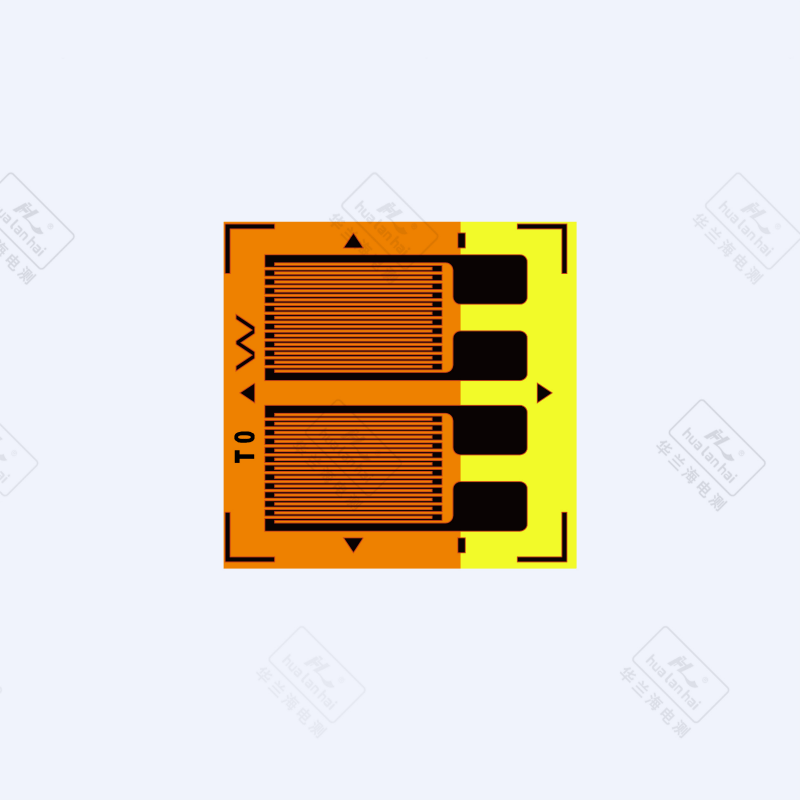
The bonding interface represents the critical transmission path where mechanical strain transfers from the test structure to the strain gauge sensing grid. Poor bonding quality introduces measurement errors, reduces sensor sensitivity, creates thermal drift issues, and ultimately leads to premature failure. Understanding the science behind strain gauge bonding mechanics enables engineers to implement best practices that ensure reliable, accurate measurements throughout the sensor's operational lifetime.
Fundamental Principles of Strain Gauge Bonding
Adhesive Selection and Compatibility
The adhesive system forms the mechanical link between the strain gauge backing material and the test specimen surface. Proper adhesive selection requires consideration of the substrate material, operating temperature range, environmental conditions, and expected strain levels. Cyanoacrylate adhesives provide excellent bonding strength for general-purpose applications with moderate temperature requirements, while epoxy-based systems offer superior performance in high-temperature environments and corrosive conditions.
Each strain gauge backing material exhibits different adhesive compatibility characteristics. Polyimide-backed sensors work well with both cyanoacrylate and epoxy adhesives, providing flexibility for various application requirements. Phenolic-backed strain gauges typically require specific adhesive formulations to achieve optimal bonding strength and temperature stability. The adhesive thickness must remain minimal to ensure efficient strain transfer while providing adequate coverage to prevent delamination under cyclic loading conditions.
Surface Preparation Techniques
Achieving reliable strain gauge bonding begins with proper surface preparation of the test specimen. The substrate surface must be cleaned, degreased, and properly roughened to promote adhesive wetting and mechanical interlocking. Contamination from oils, oxides, or residual machining compounds creates weak bonding interfaces that compromise measurement accuracy and sensor reliability.
Mechanical abrasion using fine-grit sandpaper or abrasive pads removes surface contaminants while creating microscopic texture that enhances adhesive bonding. Chemical cleaning with solvents eliminates organic contaminants, while acid etching processes can improve bonding on certain metallic substrates. The prepared surface must be completely dry and free from residual cleaning agents before strain gauge installation to prevent bonding degradation and measurement drift.
Impact of Bonding Quality on Measurement Accuracy
Strain Transfer Efficiency
The primary function of the bonding layer involves transferring mechanical strain from the test specimen to the strain gauge sensing element without attenuation or distortion. Perfect strain transfer occurs when the bonding interface remains rigid under all loading conditions, ensuring that surface strains accurately transmit to the sensor grid. However, real-world bonding systems exhibit finite stiffness that can reduce strain transfer efficiency, particularly under high-frequency dynamic loading conditions.
Strain transfer coefficient quantifies the effectiveness of the bonding interface, with values approaching unity indicating excellent bonding quality. Poor bonding quality reduces this coefficient, resulting in measurement errors that increase with applied strain magnitude. The strain gauge sensitivity factor becomes effectively reduced when bonding quality compromises strain transfer, requiring calibration adjustments that may not remain stable over time.
Temperature Effects and Thermal Compensation
Temperature variations affect both the strain gauge element and the bonding interface, creating thermal output that can mask the actual mechanical strain being measured. High-quality bonding systems minimize differential thermal expansion between the sensor and substrate, reducing temperature-induced apparent strain that appears as measurement error. The thermal characteristics of the adhesive system directly influence the temperature coefficient of the complete sensor installation.
Thermal cycling can degrade bonding quality through differential expansion stresses that create microscopic debonding or adhesive creep. These effects accumulate over time, causing measurement drift and reducing sensor accuracy. Proper adhesive selection and curing procedures help minimize thermal effects, while temperature compensation techniques can account for residual thermal sensitivity in critical applications.
Common Bonding Defects and Their Consequences
Incomplete Adhesive Coverage
Insufficient adhesive application creates voids or areas of poor bonding that concentrate stress and reduce strain transfer effectiveness. These defects often occur at strain gauge edges where proper adhesive flow becomes difficult to achieve. Incomplete coverage allows moisture ingress that can cause corrosion, electrical leakage, and progressive bonding degradation over time.
Visual inspection techniques can identify obvious coverage defects, but microscopic voids may remain undetected until sensor performance degrades. Non-destructive testing methods, including ultrasonic inspection and thermal imaging, can reveal bonding defects that compromise strain gauge reliability. Proper adhesive application techniques, including controlled dispensing and adequate working time, help ensure complete coverage and uniform bonding thickness.
Contamination and Debonding Issues
Surface contamination represents one of the most common causes of strain gauge bonding failure. Oil films, fingerprints, oxide layers, and residual cleaning solvents prevent proper adhesive wetting and reduce bonding strength. These contaminants may not be immediately apparent but create weak interfaces that fail under mechanical or thermal stress.
Progressive debonding typically begins at contaminated areas and spreads throughout the bonding interface under cyclic loading conditions. This failure mode causes gradual reduction in strain gauge sensitivity and increased measurement noise. Environmental factors, including humidity, chemical exposure, and temperature cycling, accelerate debonding processes in contaminated installations. Clean room techniques and controlled handling procedures help prevent contamination-related bonding failures.
Advanced Bonding Techniques for Critical Applications
Multi-Layer Adhesive Systems
Complex measurement environments may require specialized bonding approaches that exceed the capabilities of single-adhesive systems. Multi-layer techniques combine different adhesive types to optimize specific performance characteristics. A thin primer layer can improve substrate wetting and chemical compatibility, while the main adhesive layer provides structural bonding strength and environmental resistance.
Strain gauge installations in extreme temperature environments benefit from gradient adhesive systems that accommodate differential thermal expansion through carefully designed interface properties. These advanced techniques require precise process control and extended curing cycles but provide superior performance in demanding applications. Quality control procedures must verify each adhesive layer to ensure proper bonding throughout the complete system.
Environmental Protection and Sealing
Long-term strain gauge reliability requires protection of the bonding interface from environmental factors that can cause degradation. Moisture ingress represents a primary concern, as water absorption can plasticize adhesives, reduce bonding strength, and create electrical leakage paths. Protective coating systems provide environmental barriers while maintaining strain transfer characteristics.
Chemical compatibility between protective coatings and the underlying adhesive system must be verified to prevent adverse reactions that compromise bonding quality. UV-resistant formulations help prevent photodegradation in outdoor applications, while chemical-resistant coatings protect against aggressive industrial environments. The protective system design must balance environmental protection with accessibility for sensor maintenance and inspection requirements.
Quality Control and Testing Methods
Bond Strength Evaluation
Quantitative assessment of strain gauge bonding quality requires standardized testing procedures that evaluate adhesive strength under relevant loading conditions. Pull-off testing measures the tensile bonding strength, while shear testing evaluates the interface performance under lateral loading. These mechanical tests provide baseline bonding strength data but may not fully represent the complex stress states experienced in actual applications.
Statistical quality control approaches help identify bonding process variations that could affect sensor reliability. Sample testing of representative installations provides confidence in the bonding procedures while identifying potential improvement opportunities. Correlation between mechanical bond strength measurements and actual strain gauge performance helps establish acceptance criteria for production installations.
Performance Validation Techniques
Electrical testing methods can detect bonding defects that affect strain gauge performance without destructive testing requirements. Resistance measurements identify gross bonding failures or electrical discontinuities, while insulation resistance testing reveals moisture ingress or contamination issues. Temperature cycling tests help identify bonding systems that may fail under thermal stress conditions.
Comparative testing using multiple strain gauges on identical test specimens can reveal bonding quality variations through performance comparison. Sensors with poor bonding quality typically exhibit reduced sensitivity, increased noise, or drift characteristics that differ from properly bonded installations. Long-term monitoring of installed sensors provides feedback on bonding system performance and helps identify improvement opportunities for future installations.
Best Practices for Reliable Strain Gauge Installation
Process Documentation and Control
Consistent strain gauge bonding quality requires detailed procedure documentation that specifies surface preparation requirements, adhesive handling procedures, environmental conditions, and curing parameters. Process control measures help ensure repeatability while providing traceability for quality assurance purposes. Environmental monitoring during installation helps identify conditions that could compromise bonding quality.
Training programs for installation personnel should emphasize the critical importance of bonding quality and provide hands-on experience with proper techniques. Certification procedures can verify installer competency and help maintain consistent quality standards across different projects and locations. Regular auditing of installation procedures helps identify process drift and improvement opportunities.
Material Storage and Handling
Proper storage conditions for strain gauges and adhesive systems help maintain material properties that affect bonding quality. Temperature and humidity control prevent premature aging or contamination that could compromise installation reliability. Adhesive systems with limited shelf life require inventory rotation procedures to ensure fresh materials for critical installations.
Handling procedures should minimize contamination risks while protecting delicate strain gauge components from damage. Clean handling techniques, including the use of gloves and clean tools, prevent fingerprint contamination that can affect bonding quality. Proper packaging and storage of prepared strain gauges help maintain cleanliness until installation occurs.
Troubleshooting Common Installation Problems
Adhesive Curing Issues
Incomplete adhesive curing represents a common cause of bonding problems that may not become apparent until sensors are subjected to service loads. Temperature, humidity, and contamination can all affect curing kinetics and final adhesive properties. Inadequate curing results in soft, weak bonding interfaces that exhibit poor strain transfer and reduced durability.
Monitoring curing progress through temperature measurement or mechanical testing helps ensure complete adhesive polymerization before sensor commissioning. Extended curing times may be required for thick adhesive layers or low-temperature installations. Post-cure heating can accelerate curing and improve final adhesive properties, but temperature limits must be observed to prevent strain gauge damage.
Environmental Compatibility
Matching adhesive systems to environmental conditions requires careful consideration of temperature ranges, chemical exposure, and moisture conditions. Adhesive systems that perform well in laboratory conditions may fail when exposed to actual service environments. Accelerated aging tests can help predict long-term performance under specific environmental conditions.
Chemical compatibility testing should evaluate both the adhesive and strain gauge materials when unusual chemical exposures are anticipated. Some industrial environments contain chemicals that can attack adhesive systems or strain gauge components, leading to gradual degradation and eventual failure. Barrier coating systems may provide protection, but compatibility with the complete sensor system must be verified.
FAQ
What factors determine the optimal adhesive thickness for strain gauge bonding?
Optimal adhesive thickness balances strain transfer efficiency with bonding strength and coverage requirements. Thinner adhesive layers provide better strain transfer but may not achieve complete coverage over surface irregularities. Typical thickness ranges from 0.001 to 0.005 inches, with specific requirements depending on surface roughness, strain levels, and environmental conditions. Uniform thickness across the bonding area helps ensure consistent performance and prevents stress concentrations.
How does bonding quality affect strain gauge fatigue life?
Poor bonding quality significantly reduces strain gauge fatigue life by creating stress concentrations and allowing progressive debonding under cyclic loading. High-quality bonding distributes strain evenly across the sensor grid, minimizing localized stress that can cause conductor fatigue. Proper bonding also prevents moisture ingress and contamination that accelerate fatigue failure mechanisms. Well-bonded strain gauges can typically withstand millions of strain cycles, while poorly bonded sensors may fail within thousands of cycles.
Can bonding defects be repaired without replacing the strain gauge?
Minor bonding defects at strain gauge edges can sometimes be repaired using additional adhesive application, but complete rebonding typically requires sensor replacement. Partial debonding creates permanent changes in strain transfer characteristics that cannot be fully restored through repair procedures. Protective coating application can prevent further degradation of marginally bonded sensors, but measurement accuracy may remain compromised. Critical applications should replace sensors with suspected bonding defects to ensure reliable performance.
What inspection methods can detect bonding problems before sensor failure?
Visual inspection can identify obvious debonding or coating degradation, while electrical testing reveals moisture ingress or insulation breakdown. Ultrasonic inspection techniques can detect subsurface bonding defects, though specialized equipment and training are required. Performance monitoring through regular calibration checks can identify gradual sensitivity changes that indicate bonding degradation. Thermal imaging may reveal bonding defects through differential heating patterns, particularly useful for large sensor installations.
Table of Contents
- Fundamental Principles of Strain Gauge Bonding
- Impact of Bonding Quality on Measurement Accuracy
- Common Bonding Defects and Their Consequences
- Advanced Bonding Techniques for Critical Applications
- Quality Control and Testing Methods
- Best Practices for Reliable Strain Gauge Installation
- Troubleshooting Common Installation Problems
- FAQ