
 EN
EN
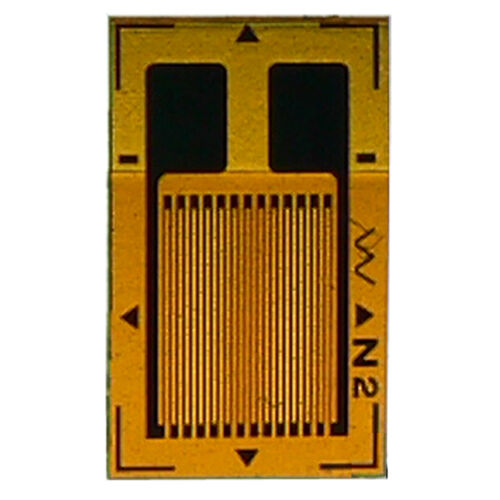
Environmental conditions play a crucial role in determining the accuracy and longevity of strain gauge measurements. Understanding how temperature fluctuations, humidity levels, electromagnetic interference, and mechanical vibrations affect strain gauge performance is essential for engineers and technicians working in demanding industrial applications. These sensitive measurement devices require careful consideration of their operating environment to ensure reliable and precise data collection across various engineering disciplines.
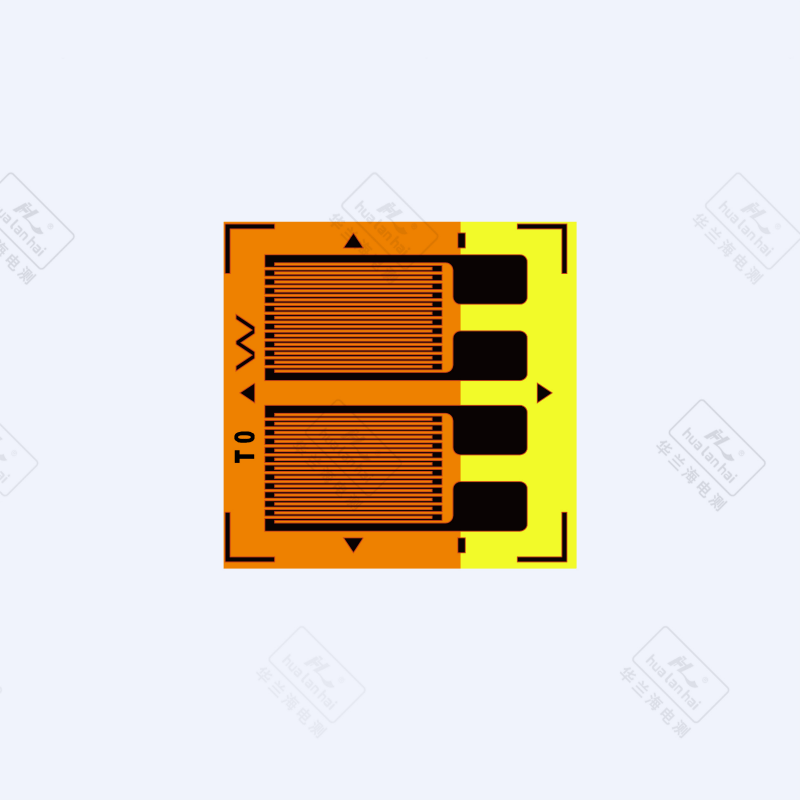
Temperature Effects on Strain Gauge Accuracy
Thermal Expansion and Measurement Drift
Temperature variations represent one of the most significant environmental challenges for strain gauge applications. When exposed to temperature changes, both the strain gauge and the test specimen undergo thermal expansion or contraction, leading to apparent strain readings that do not reflect the actual mechanical loading. This thermal drift can introduce substantial measurement errors, particularly in precision applications where small strain variations are critical. The coefficient of thermal expansion mismatch between the strain gauge and substrate material creates additional complexity in temperature compensation strategies.
Modern strain gauge designs incorporate temperature compensation techniques to minimize thermal effects on measurement accuracy. Self-compensated strain gauge configurations utilize materials with carefully matched thermal coefficients to reduce temperature-induced drift. However, complete thermal compensation across wide temperature ranges remains challenging, requiring additional electronic compensation circuits or software algorithms to achieve optimal performance in demanding environmental conditions.
Temperature Gradient Impact
Non-uniform temperature distributions across the measurement surface create complex thermal stress patterns that can significantly affect strain gauge readings. Temperature gradients cause differential thermal expansion, generating mechanical strains that superimpose on the actual load-induced strains being measured. These thermal strains can mask the true mechanical response, leading to incorrect interpretations of structural behavior or component performance under various loading conditions.
Proper installation techniques and environmental control measures help minimize temperature gradient effects on strain gauge performance. Strategic placement of temperature sensors near the strain gauge location enables real-time temperature monitoring and compensation. Additionally, thermal insulation or controlled heating systems can maintain more uniform temperature conditions, reducing gradient-induced measurement errors in critical applications requiring high accuracy and reliability.
Humidity and Moisture Considerations
Electrical Insulation Degradation
High humidity environments pose significant challenges for strain gauge installations, particularly affecting the electrical insulation properties of the bonding adhesive and protective coatings. Moisture ingress can create conductive pathways that compromise the strain gauge electrical resistance stability, leading to measurement drift and reduced signal-to-noise ratios. The insulation resistance between the strain gauge grid and the substrate decreases substantially with increasing moisture content, potentially causing erratic readings or complete measurement failure.
Protective measures against humidity effects include specialized moisture-resistant adhesives, conformal coatings, and environmental sealing techniques. Silicone-based compounds and polyurethane coatings provide effective moisture barriers when properly applied to strain gauge installations. Regular monitoring of insulation resistance helps detect early signs of moisture-related degradation, enabling proactive maintenance before measurement accuracy becomes compromised in humid operating environments.
Corrosion and Long-term Stability
Prolonged exposure to high humidity conditions accelerates corrosion processes that can affect strain gauge grid materials and electrical connections. Metallic strain gauge elements, particularly those containing copper or aluminum alloys, become susceptible to electrochemical corrosion when exposed to moisture and ionic contaminants. This corrosion process gradually alters the electrical properties of the strain gauge, causing measurement drift and eventual sensor failure in severe cases.
Implementing appropriate corrosion protection strategies extends strain gauge operational life in humid environments. Stainless steel strain gauge grids offer superior corrosion resistance compared to conventional materials, while proper surface preparation and primer application enhance adhesive bond durability. Environmental monitoring systems that track humidity levels enable predictive maintenance scheduling, ensuring strain gauge replacements occur before corrosion-related failures compromise measurement integrity in critical applications.
Electromagnetic Interference Effects
Signal Noise and Measurement Accuracy
Electromagnetic interference from industrial equipment, power lines, and wireless communication systems can significantly impact strain gauge signal quality and measurement precision. High-frequency electromagnetic fields induce electrical noise in strain gauge circuits, creating signal fluctuations that obscure the actual strain-related voltage changes. This interference becomes particularly problematic in industrial environments where heavy machinery, welding equipment, and motor drives generate substantial electromagnetic emissions across broad frequency ranges.
Effective electromagnetic interference mitigation requires careful attention to strain gauge wiring practices and signal conditioning techniques. Twisted-pair wiring configurations, proper grounding schemes, and shielded cables help minimize electromagnetic pickup in strain gauge installations. Additionally, low-pass filtering in signal conditioning amplifiers removes high-frequency interference while preserving the strain gauge signal bandwidth necessary for accurate dynamic measurements in electromagnetically noisy environments.
Grounding and Shielding Strategies
Proper grounding and shielding implementation represents a critical factor in maintaining strain gauge measurement integrity in electromagnetically challenging environments. Single-point grounding systems prevent ground loops that can introduce common-mode interference, while comprehensive electromagnetic shielding protects sensitive strain gauge circuits from external electromagnetic fields. The effectiveness of these protective measures depends heavily on installation quality and adherence to established electromagnetic compatibility principles.
Strain gauge installations in industrial facilities require careful coordination between electrical and mechanical systems to optimize electromagnetic interference protection. Separation of strain gauge wiring from power cables, use of dedicated conduits for instrumentation wiring, and implementation of Faraday cage principles around sensitive measurement equipment help maintain signal integrity. Regular electromagnetic compatibility testing ensures continued protection effectiveness as facility electromagnetic environments evolve with equipment modifications and upgrades.
Mechanical Vibration Impact
Dynamic Loading Effects
Mechanical vibrations present unique challenges for strain gauge applications, particularly in dynamic measurement scenarios where vibration-induced strains superimpose on the primary loading conditions being monitored. High-frequency vibrations can cause strain gauge output fluctuations that complicate data interpretation and reduce measurement accuracy. The dynamic response characteristics of the strain gauge installation, including the natural frequency of the bonded sensor system, influence the fidelity of vibration-related strain measurements.
Vibration isolation techniques and proper strain gauge mounting procedures help minimize unwanted dynamic effects on measurement accuracy. Rigid mounting systems with high natural frequencies prevent resonance conditions that amplify vibration-induced measurement errors. Additionally, signal processing techniques such as digital filtering and frequency domain analysis enable separation of vibration-related signals from the primary strain measurements of interest in dynamic testing applications.
Installation Integrity Under Vibration
Prolonged exposure to mechanical vibrations can compromise strain gauge installation integrity through fatigue mechanisms that affect adhesive bonds and electrical connections. Cyclic stress concentrations at the strain gauge perimeter and solder joint locations create potential failure points that develop over time under continuous vibration exposure. These fatigue-related failures often manifest as gradual measurement drift or sudden signal loss, requiring careful monitoring and preventive maintenance in vibration-prone applications.
Vibration-resistant installation techniques incorporate flexible lead wire configurations, stress relief measures, and high-fatigue-life adhesive systems to enhance long-term reliability. Proper strain relief at cable connections prevents vibration-induced wire breakage, while flexible protective coatings accommodate differential movement between the strain gauge and substrate without bond line failure. Regular vibration monitoring and periodic strain gauge calibration verification help detect early signs of vibration-related degradation before measurement accuracy becomes compromised.
Chemical Exposure and Contamination
Chemical Compatibility Considerations
Chemical exposure represents a significant environmental factor affecting strain gauge performance and longevity in industrial applications. Acids, bases, solvents, and other chemical agents can attack strain gauge materials, adhesive bonds, and protective coatings, leading to measurement errors and premature sensor failure. The chemical compatibility of all strain gauge system components must be carefully evaluated for specific application environments to ensure reliable long-term operation under chemical exposure conditions.
Material selection plays a crucial role in strain gauge chemical resistance, with specialized formulations available for harsh chemical environments. Chemically inert strain gauge grids, fluorinated adhesives, and chemical-resistant protective coatings provide enhanced durability in corrosive atmospheres. Compatibility testing with actual process chemicals helps validate strain gauge system suitability for specific chemical exposure conditions, preventing unexpected failures in critical measurement applications.
Contamination Prevention Strategies
Surface contamination from oils, dust, moisture, and chemical residues can significantly impact strain gauge adhesive bonding and electrical performance. Contaminated surfaces prevent proper adhesive wetting and curing, resulting in weak bonds that compromise strain transfer efficiency and measurement accuracy. Additionally, conductive contaminants can create electrical leakage paths that affect strain gauge resistance stability and signal quality in precision measurement applications.
Comprehensive surface preparation protocols and contamination control measures ensure optimal strain gauge installation performance. Solvent cleaning, abrasive preparation, and chemical etching techniques remove surface contaminants and create suitable bonding surfaces for adhesive application. Cleanroom practices during strain gauge installation minimize contamination introduction, while protective enclosures prevent post-installation contamination accumulation that could degrade measurement performance over time.
Environmental Testing and Qualification
Accelerated Environmental Testing
Environmental testing protocols validate strain gauge performance under accelerated exposure conditions that simulate long-term service environments. Temperature cycling, humidity exposure, vibration testing, and chemical resistance evaluation provide quantitative data on strain gauge durability and performance stability under various environmental stresses. These testing programs enable prediction of strain gauge service life and identification of potential failure modes before deployment in critical applications.
Standardized environmental testing procedures ensure consistent evaluation criteria across different strain gauge types and manufacturers. Test protocols typically include baseline performance characterization, environmental exposure phases, and post-exposure performance verification to quantify environmental effects on measurement accuracy and sensor reliability. Data from these testing programs guides strain gauge selection decisions and establishes appropriate maintenance intervals for field installations.
Real-world Performance Validation
Field validation studies provide essential feedback on strain gauge environmental performance under actual service conditions that may not be fully captured in laboratory testing programs. Long-term monitoring installations generate valuable data on environmental factor interactions and cumulative effects that influence strain gauge performance over extended operational periods. This real-world performance data validates laboratory test results and identifies environmental factors requiring additional attention in future strain gauge designs.
Systematic data collection from field installations enables development of improved environmental protection strategies and more accurate service life predictions. Performance trending analysis helps identify gradual degradation patterns associated with specific environmental exposures, enabling proactive maintenance scheduling and replacement planning. This field experience feedback loop continuously improves strain gauge environmental resistance capabilities and application reliability in demanding service environments.
FAQ
How does temperature affect strain gauge readings
Temperature changes cause both the strain gauge and test specimen to expand or contract thermally, creating apparent strain readings that do not represent actual mechanical loading. Modern strain gauge designs incorporate temperature compensation features, but significant temperature variations still require electronic compensation or controlled environmental conditions to maintain measurement accuracy. Temperature gradients across the measurement surface create additional complications by inducing differential thermal strains that can mask true mechanical responses.
What protective measures prevent humidity damage to strain gauge installations
Moisture protection involves multiple layers of defense including moisture-resistant adhesives, conformal coatings such as silicone or polyurethane compounds, and environmental sealing techniques. Proper surface preparation and primer application enhance adhesive bond durability, while regular insulation resistance monitoring detects early signs of moisture ingress. In extreme humidity environments, desiccant systems or controlled atmospheric enclosures provide additional protection for critical strain gauge measurements.
How can electromagnetic interference be minimized in strain gauge systems
Electromagnetic interference mitigation requires careful wiring practices including twisted-pair configurations, proper grounding schemes, and shielded cables to minimize electromagnetic pickup. Signal conditioning amplifiers with low-pass filtering remove high-frequency interference while preserving necessary measurement bandwidth. Single-point grounding systems prevent ground loops, and separation of instrumentation wiring from power cables reduces interference coupling in industrial environments with high electromagnetic noise levels.
What installation techniques improve strain gauge vibration resistance
Vibration-resistant installations incorporate rigid mounting systems with high natural frequencies to prevent resonance conditions, flexible lead wire configurations to accommodate movement, and stress relief measures at cable connections. High-fatigue-life adhesive systems and flexible protective coatings enhance long-term reliability under continuous vibration exposure. Proper strain relief prevents wire breakage, while vibration isolation techniques minimize unwanted dynamic effects on measurement accuracy in high-vibration environments.