
 EN
EN
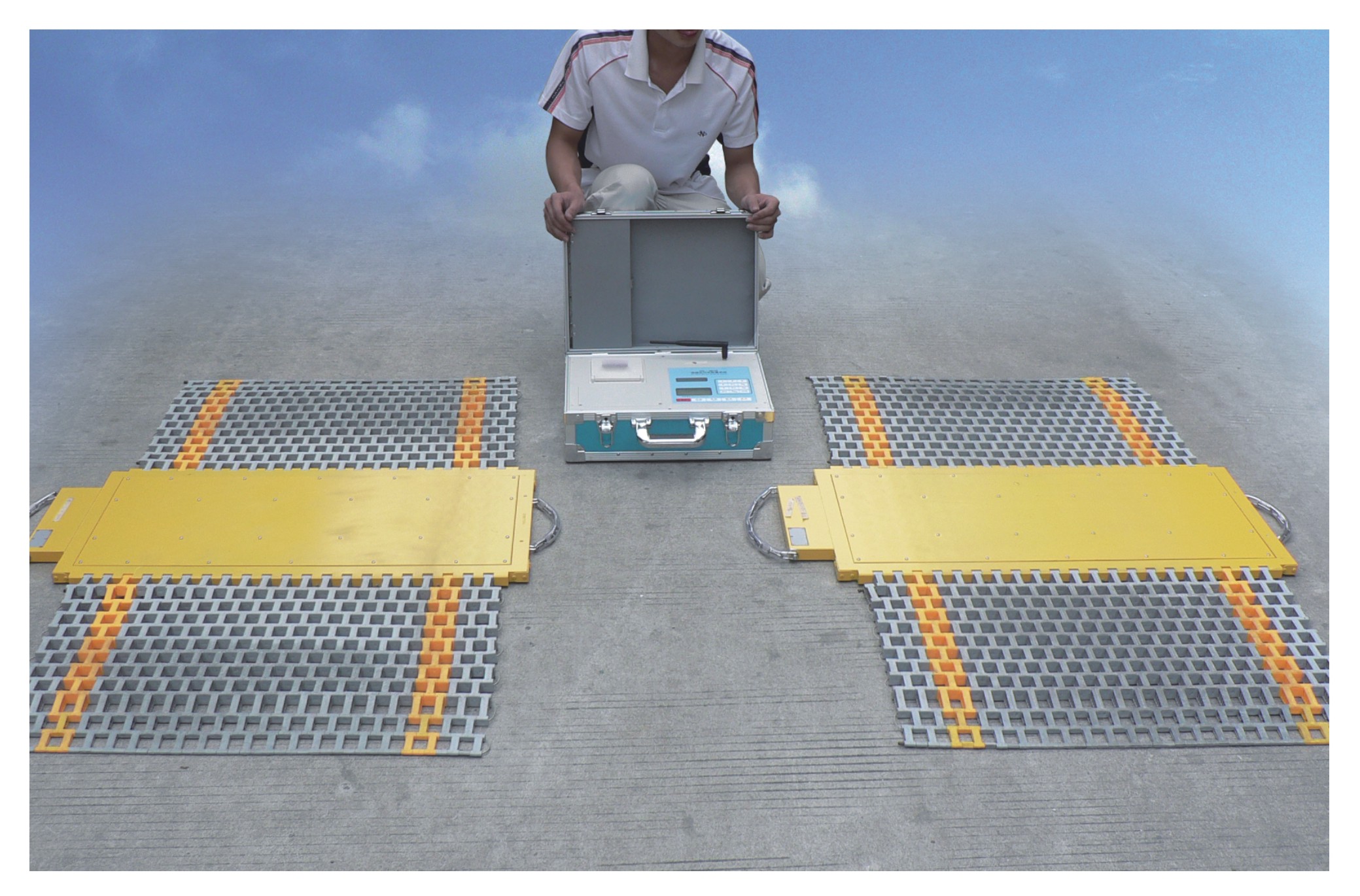
Road infrastructure preservation and safety enforcement have become critical priorities for transportation authorities worldwide. Overloaded vehicles pose significant threats to bridge integrity, pavement durability, and overall road network sustainability. Modern enforcement strategies require sophisticated monitoring solutions that can accurately measure vehicle weights without disrupting traffic flow. A weigh in motion system represents the cornerstone technology for effective overload enforcement, providing continuous monitoring capabilities that traditional static weighing methods simply cannot match.
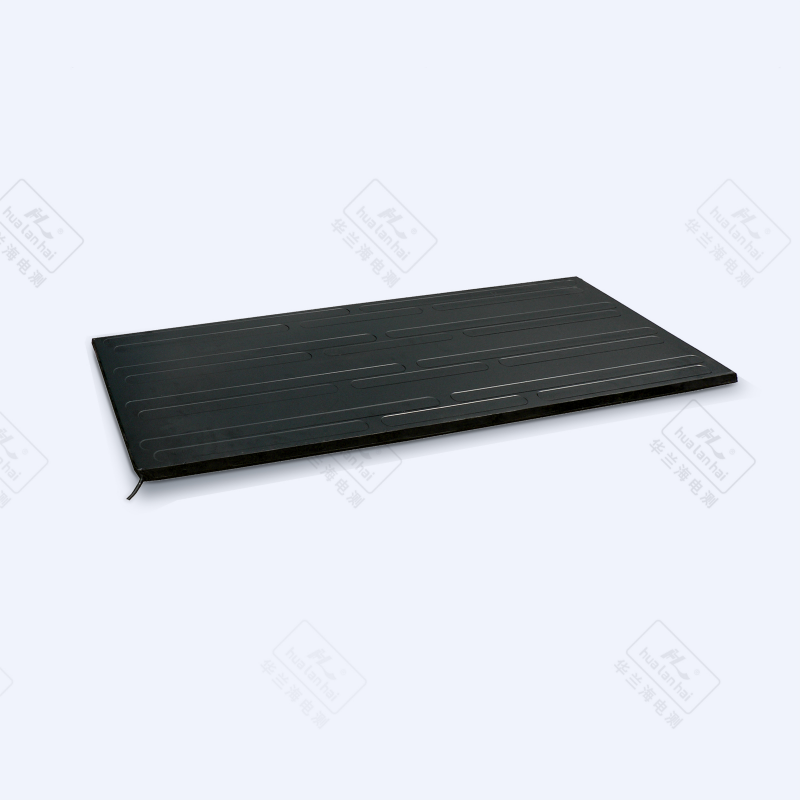
Transportation departments face mounting pressure to protect their infrastructure investments while maintaining efficient traffic operations. The implementation of dynamic weighing technology addresses these challenges by enabling real-time weight measurement without requiring vehicle stops or dedicated inspection facilities. This technological advancement has revolutionized how authorities approach weight enforcement, shifting from reactive inspection methods to proactive monitoring systems that operate continuously throughout the day and night.
The financial implications of inadequate weight enforcement extend far beyond immediate maintenance costs. Overloaded vehicles accelerate pavement deterioration exponentially, with damage increasing by the fourth power of axle load according to established engineering principles. A comprehensive weigh in motion system deployment strategy can significantly reduce long-term infrastructure replacement costs while ensuring compliance with federal and state weight regulations.
Fundamental Components of Dynamic Weighing Technology
Load Cell Integration and Sensor Technology
The foundation of any effective weigh in motion system lies in its sophisticated sensor array and load cell configuration. High-precision strain gauge technology forms the core measurement component, capable of detecting minute deformations in the weighing platform when vehicles pass overhead. These sensors must withstand extreme environmental conditions, including temperature fluctuations, moisture exposure, and continuous mechanical stress from heavy vehicle traffic.
Modern load cell designs incorporate advanced materials and protective enclosures that ensure measurement accuracy across diverse operating conditions. Stainless steel construction and hermetically sealed chambers protect sensitive electronic components from corrosion and contamination. The calibration process involves multiple reference weights and sophisticated algorithms that account for dynamic loading effects and environmental variables that could influence measurement precision.
Signal conditioning electronics play a crucial role in converting raw sensor data into actionable weight measurements. Digital signal processing techniques filter out noise and vibrations while amplifying the actual weight signals. This technology enables the weigh in motion system to distinguish between genuine vehicle weights and external disturbances such as wind loading or adjacent traffic vibrations.
Data Acquisition and Processing Systems
Sophisticated data acquisition hardware captures weight measurements at high sampling rates, ensuring accurate representation of dynamic loading conditions. Modern systems process thousands of data points per second, creating detailed weight profiles for each passing vehicle. Advanced algorithms analyze this information to determine gross vehicle weight, axle weights, and axle spacing configurations that identify specific vehicle classifications.
Real-time processing capabilities enable immediate violation detection and alert generation. The system compares measured weights against established legal limits for different vehicle categories, automatically flagging potential overweight violations. Database integration stores historical weight data for trend analysis and enforcement pattern identification, supporting long-term infrastructure planning and regulatory compliance reporting.
Communication protocols ensure seamless integration with existing traffic management systems and enforcement databases. Ethernet connectivity, wireless transmission options, and cloud-based data storage provide flexible deployment configurations that accommodate various operational requirements. Remote monitoring capabilities allow transportation officials to oversee multiple weigh in motion system installations from centralized control centers.
Strategic Advantages for Infrastructure Protection
Pavement Preservation and Longevity Enhancement
Continuous weight monitoring through dynamic weighing technology provides unprecedented insights into actual loading conditions that roads experience. This information enables transportation engineers to make informed decisions about pavement design specifications, maintenance scheduling, and rehabilitation priorities. Understanding real-world weight distributions helps optimize infrastructure investments and extend service life through targeted interventions.
The relationship between axle loading and pavement damage follows well-established engineering principles that emphasize the critical importance of weight control. A single overloaded vehicle can cause damage equivalent to thousands of properly loaded vehicles, making effective enforcement essential for infrastructure preservation. The weigh in motion system provides the continuous monitoring capability necessary to identify and address overweight violations before cumulative damage occurs.
Predictive maintenance strategies benefit significantly from comprehensive weight data collection. Historical loading patterns reveal seasonal variations, route-specific challenges, and emerging trends that influence pavement performance. This intelligence supports evidence-based decision making for capital improvement projects and helps justify infrastructure investments through quantifiable damage prevention metrics.
Bridge Safety and Structural Integrity Monitoring
Bridge structures face particular vulnerability to overweight vehicles, as design load calculations assume compliance with legal weight limits. Dynamic weighing installations at bridge approaches provide critical early warning systems that protect these expensive infrastructure assets. Real-time weight measurement enables immediate intervention when dangerously overloaded vehicles approach sensitive structures.
Structural health monitoring integration combines weight measurement data with bridge response sensors to assess actual loading conditions and structural performance. This comprehensive approach provides valuable insights into bridge capacity utilization and helps identify potential safety concerns before they become critical. The weigh in motion system serves as a fundamental component in this integrated monitoring approach.
Emergency response protocols benefit from automated alert systems that notify bridge inspectors and traffic control personnel when potentially damaging loads are detected. Immediate notification enables rapid response measures, including traffic diversion, load verification, and structural assessment procedures. This proactive approach minimizes the risk of catastrophic structural failures and protects public safety.
Economic Benefits and Cost-Effectiveness Analysis
Return on Investment Calculations
The financial justification for weigh in motion system deployment typically demonstrates compelling return on investment through infrastructure preservation and extended service life. Initial capital costs are quickly offset by reduced maintenance requirements, delayed rehabilitation projects, and avoided premature replacement expenses. Comprehensive economic analysis considers both direct cost savings and indirect benefits such as reduced user delay costs and improved traffic flow efficiency.
Maintenance cost reduction represents one of the most quantifiable benefits of effective weight enforcement. Studies consistently demonstrate that preventing overweight violations through continuous monitoring results in significantly lower annual maintenance expenditures compared to reactive repair approaches. The exponential relationship between axle loading and pavement damage means that even modest improvements in weight compliance yield substantial cost savings.
Revenue generation through fine collection provides additional economic benefits that help offset system operational costs. Automated violation detection and documentation streamline the enforcement process, reducing personnel requirements while increasing citation accuracy and legal defensibility. Enhanced enforcement capability often results in improved voluntary compliance as carriers recognize the increased likelihood of detection.
Operational Efficiency Improvements
Traffic flow optimization represents a significant operational advantage of dynamic weighing technology compared to traditional static weighing facilities. Vehicles continue moving at highway speeds during weight measurement, eliminating the delays and congestion associated with weigh station operations. This improvement benefits both enforcement agencies and the traveling public through reduced travel times and improved safety conditions.
Personnel efficiency gains result from automated data collection and violation detection capabilities that reduce manual inspection requirements. Enforcement officers can focus their attention on confirmed violations rather than conducting random inspections of compliant vehicles. This targeted approach maximizes enforcement effectiveness while minimizing resource requirements and operational costs.
Data quality improvements enhance enforcement program effectiveness through more accurate and comprehensive weight measurement capabilities. The weigh in motion system provides detailed axle weight distributions, vehicle classifications, and timestamp information that supports legal proceedings and regulatory compliance reporting. Enhanced data accuracy reduces disputes and improves the overall credibility of enforcement programs.
Implementation Strategies and Best Practices
Site Selection and Installation Considerations
Successful weigh in motion system deployment requires careful consideration of site-specific factors that influence measurement accuracy and system longevity. Pavement conditions, traffic patterns, geometric constraints, and environmental factors all play critical roles in determining optimal installation locations. Level roadway sections with stable subgrade conditions provide the most favorable measurement environments.
Installation methodology significantly impacts long-term system performance and maintenance requirements. Proper sensor placement, adequate drainage provisions, and robust electrical connections ensure reliable operation under diverse weather conditions. Construction quality control measures prevent installation defects that could compromise measurement accuracy or create premature failure modes.
Traffic management during installation minimizes disruption to normal operations while ensuring worker safety and construction quality. Phased installation approaches allow continued traffic flow during construction activities. Temporary traffic control measures protect both construction personnel and traveling public during system deployment and calibration procedures.
Calibration and Maintenance Protocols
Accurate weight measurement depends on proper calibration procedures that account for site-specific conditions and environmental variables. Reference weight vehicles with certified loads provide traceable calibration standards that ensure measurement accuracy and legal defensibility. Regular calibration verification maintains system accuracy throughout the operational life cycle.
Preventive maintenance programs protect system investments and ensure continued reliable operation. Routine inspection procedures identify potential problems before they affect measurement accuracy or cause system failures. Component replacement schedules based on manufacturer recommendations and operational experience minimize unexpected downtime and maintain measurement quality.
Performance monitoring protocols track system accuracy and identify trending issues that require attention. Statistical analysis of calibration data reveals system drift patterns and helps optimize maintenance intervals. Quality assurance measures ensure that the weigh in motion system continues meeting accuracy requirements throughout its service life.
Integration with Enforcement Programs
Automated Violation Detection and Documentation
Modern enforcement strategies rely heavily on automated systems that can operate continuously without constant human supervision. Sophisticated algorithms analyze weight data in real-time, comparing measurements against legal limits for different vehicle categories. When violations are detected, the system automatically captures photographic evidence, vehicle identification information, and detailed weight measurements that support legal proceedings.
Documentation quality significantly influences the success rate of enforcement actions. High-resolution cameras capture multiple images showing vehicle identification, weight distribution, and violation details. Timestamp synchronization ensures that photographic evidence correlates accurately with weight measurements, providing comprehensive documentation packages that meet legal requirements for prosecution.
Database integration streamlines the citation process by automatically populating violation records with measured weights, vehicle classifications, and supporting evidence. Electronic data transfer eliminates manual data entry errors while accelerating the processing of enforcement actions. This automation enables enforcement agencies to handle larger violation volumes with existing personnel resources.
Compliance Monitoring and Trend Analysis
Long-term data collection provides valuable insights into compliance patterns, seasonal variations, and enforcement program effectiveness. Statistical analysis reveals trends in violation rates, common vehicle types involved in overweight violations, and routes with recurring compliance problems. This intelligence supports strategic enforcement planning and resource allocation decisions.
Carrier-specific monitoring identifies repeat offenders and enables targeted enforcement actions. Fleet-level compliance tracking helps transportation companies identify operational issues that contribute to weight violations. Educational outreach programs can address common compliance problems while building industry partnerships that promote voluntary compliance with weight regulations.
Performance metrics demonstrate enforcement program effectiveness and justify continued investment in weigh in motion system technology. Compliance rate improvements, violation reduction trends, and infrastructure preservation benefits provide quantifiable evidence of program success. Regular reporting to stakeholders maintains support for enforcement initiatives and guides future program development.
Technology Advancement and Future Developments
Emerging Sensor Technologies and Accuracy Improvements
Continuous technological advancement drives improvements in weigh in motion system accuracy, reliability, and functionality. Next-generation sensor designs incorporate advanced materials and manufacturing techniques that enhance precision while reducing maintenance requirements. Fiber optic sensing technology offers improved immunity to electromagnetic interference and enhanced long-term stability in challenging environments.
Machine learning algorithms enhance measurement accuracy by learning site-specific characteristics and compensation techniques. Artificial intelligence systems can distinguish between genuine weight violations and measurement anomalies caused by environmental factors or system disturbances. These advanced processing capabilities improve enforcement effectiveness while reducing false positive rates.
Wireless communication technologies enable more flexible installation configurations and reduce infrastructure requirements. Solar power systems and energy harvesting techniques support remote installations where traditional power sources are unavailable. These technological advances expand deployment opportunities and reduce operational costs for weigh in motion system installations.
Integration with Connected Vehicle Technologies
Future enforcement strategies will leverage connected vehicle technologies to enhance weight monitoring capabilities and improve compliance rates. Vehicle-to-infrastructure communication can provide advance notification of approaching vehicles, enabling more precise measurement timing and enhanced violation detection capabilities. Real-time feedback to commercial vehicle operators promotes immediate corrective actions and improved compliance behavior.
Electronic logging device integration offers opportunities for comprehensive fleet monitoring and compliance verification. Weight measurement data combined with electronic logbook information provides complete operational oversight that supports both safety and weight compliance objectives. This integrated approach addresses multiple regulatory requirements through coordinated monitoring systems.
Predictive analytics capabilities will enable proactive enforcement strategies that identify high-risk vehicles before violations occur. Historical data analysis combined with route information and cargo characteristics can predict likely violation scenarios and guide enforcement resource deployment. These advanced capabilities represent the future direction of intelligent transportation systems and automated enforcement technologies.
FAQ
What accuracy levels can modern weigh in motion systems achieve?
Contemporary weigh in motion systems typically achieve accuracy levels within 5-10% of actual vehicle weights under optimal conditions. High-speed installations may experience slightly higher variance due to dynamic effects, while low-speed applications can achieve accuracy approaching static scale performance. Proper calibration and maintenance procedures are essential for maintaining specified accuracy levels throughout the system's operational life.
How do weather conditions affect weigh in motion system performance?
Environmental factors such as temperature extremes, precipitation, and thermal cycling can influence measurement accuracy if not properly compensated. Modern systems incorporate temperature compensation algorithms and weatherproof sensor designs that minimize these effects. Regular calibration verification during different weather conditions ensures consistent performance across diverse operating environments. Proper drainage and sensor protection prevent moisture-related issues that could affect long-term reliability.
What maintenance requirements are associated with weigh in motion installations?
Routine maintenance typically includes periodic calibration verification, sensor cleaning, electrical connection inspection, and software updates. Most systems require professional calibration annually or semi-annually, depending on traffic volume and accuracy requirements. Preventive maintenance schedules based on manufacturer recommendations help identify potential issues before they affect system performance. Component replacement intervals vary by installation conditions but typically span several years for major components.
How do weigh in motion systems integrate with existing enforcement infrastructure?
Modern weigh in motion systems feature flexible communication interfaces that support integration with traffic management centers, citation processing systems, and mobile enforcement units. Database connectivity enables automatic violation record creation and evidence documentation. Network integration allows remote monitoring and control from centralized facilities. Standard communication protocols ensure compatibility with various enforcement management systems and facilitate seamless data exchange between different agencies and jurisdictions.