
 EN
EN
In precision measurement technology, the performance of a load cell depends heavily on one essential component: the strain gauge. While load cells are widely recognized as the core devices used to convert force or weight into electrical signals, the strain gauge is the sensitive element that makes this conversion possible.
For engineers, industrial buyers, and weighing system integrators, understanding the relationship between strain gauges and load cell manufacturing is important not only for technical knowledge, but also for product selection, quality evaluation, and supplier assessment. A well-manufactured load cell is not simply a metal body with an output wire. It is the result of careful mechanical design, precise strain measurement principles, stable material behavior, and highly controlled production processes.
This article explains how strain gauges work in load cell manufacturing and why they form the technical bridge between raw mechanical force and reliable industrial weighing performance.
1. What Is a Strain Gauge?
A strain gauge is a sensitive component that converts the mechanical strain of a structural member into a measurable change in electrical resistance. In simple terms, when a material deforms under force, the strain gauge attached to it also deforms. This deformation causes a change in resistance, which can then be detected and processed as an electrical signal.
According to the public technical description on GDHLHDC’s website, resistance strain gauges are core sensitive components widely used in load cells, force sensors, structural health monitoring, aerospace testing, and many other measurement scenarios. This highlights the fact that strain gauges are not secondary accessories — they are the foundation of force-to-signal conversion.
For buyers exploring broader precision sensing products, our strain gauges solutions offer a wider view of how these core sensing elements support industrial measurement systems.
2. Why Strain Gauges Matter in Load Cell Manufacturing
A load cell works by converting load or mass into an electrical signal. However, the metal structure of a load cell alone cannot do this. The structure provides the mechanical deformation path, but the strain gauge is what detects the tiny change caused by force.
When force is applied to the elastic element of the load cell, the metal body undergoes controlled deformation. The bonded strain gauges follow this deformation and generate resistance changes. These changes are then converted into an electrical output that corresponds to the applied load.
This means the quality of the strain gauge directly affects:
- Signal sensitivity
- Measurement accuracy
- Repeatability
- Long-term stability
- Temperature-related performance
- Consistency between units
In other words, if the strain gauge is weak, unstable, or poorly matched to the elastic body, the final load cell cannot perform reliably.
3. The Basic Working Principle Inside a Load Cell
In load cell manufacturing, strain gauges are bonded to specific locations on the elastic element where deformation is expected under load. These positions are selected according to mechanical design and stress analysis so that the sensor can capture meaningful strain while minimizing unwanted interference.
As the load is applied, the elastic element stretches or compresses slightly. The strain gauges attached to the structure experience the same deformation. This changes their electrical resistance, and the signal is then processed through the measuring circuit to produce a usable output.
The process may sound simple in theory, but in manufacturing it requires precise control over:
- Strain gauge type
- Bonding quality
- Placement position
- Elastic body design
- Circuit matching
- Compensation and calibration
This is why load cell manufacturing is fundamentally a precision engineering process rather than simple assembly work.
4. Strain Gauge Performance Influences Load Cell Precision
Load cells are widely used in industrial metrology, electronic scales, automated production lines, logistics, warehousing, and other applications where consistent output matters. In all of these systems, the strain gauge plays a direct role in determining how well the sensor performs.
A high-quality strain gauge helps improve:
- Sensitivity to small deformation
- Stable resistance behavior
- Signal consistency
- Measurement repeatability
- Reduced drift over time
If the strain gauge performance is unstable, the load cell may show signal inconsistency, lower repeatability, or calibration problems during operation. That is why advanced load cell manufacturers focus not only on the metal structure, but also on strain gauge R&D, matching, and process control.
GDHLHDC’s site emphasizes that strain gauges are core sensitive components and that the company has long-term investment in precision measurement R&D. This is an important signal for industrial buyers because strain gauge capability is one of the deeper technical foundations behind load cell quality.
5. Manufacturing Precision Is About More Than the Elastic Body
When buyers evaluate load cells, they often focus on material type, load range, or external appearance. But true manufacturing precision depends on the interaction between mechanical structure and strain gauge technology.
A well-manufactured load cell requires careful control of:
- Elastic body machining
- Surface treatment
- Strain gauge bonding
- Wiring and circuit layout
- Sealing and protection
- Calibration process
- Final inspection consistency
The strain gauge is especially important because even small errors in positioning, bonding, or matching can influence the final sensor output. In precision load cell manufacturing, the sensor is only as reliable as the process used to install and integrate the strain gauge into the body.
That is why strain gauge knowledge is not separate from load cell engineering — it is central to it.
6. How Strain Gauges Support Different Load Cell Applications
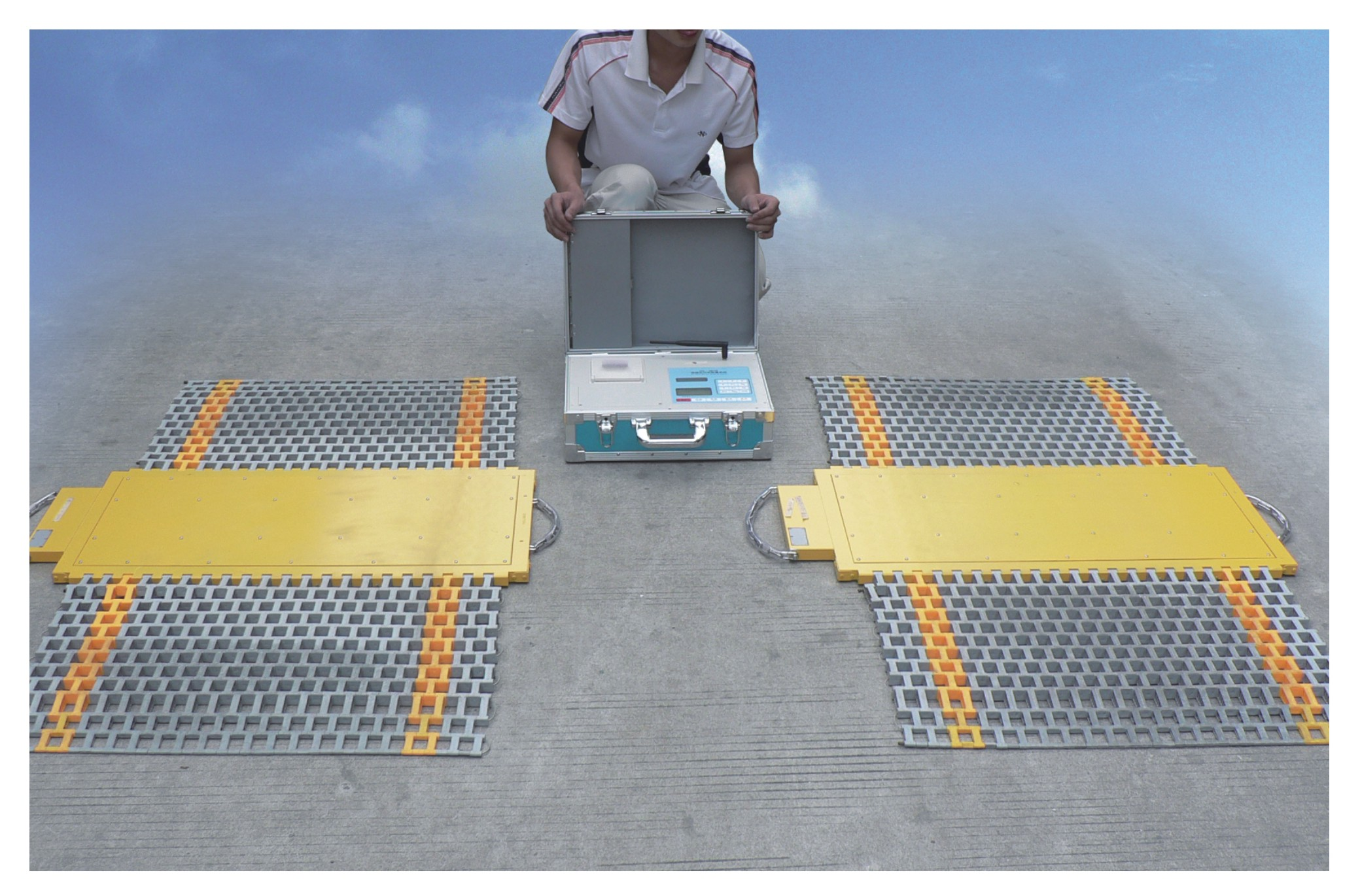
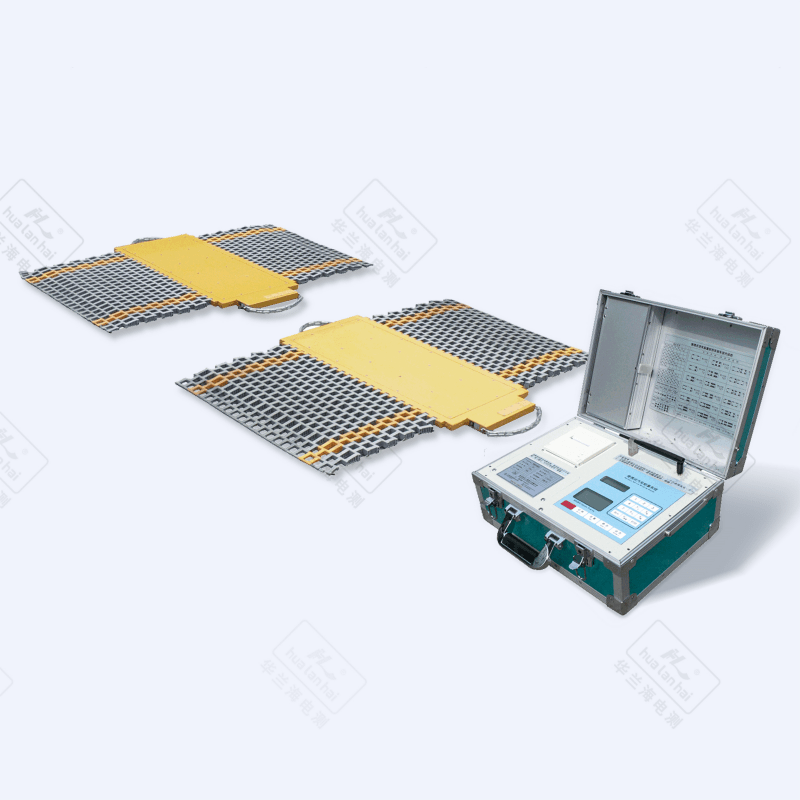
Different industrial weighing systems place different demands on the sensor. A compact commercial weighing system, a logistics platform, an automated production line, and a portable axle weighing system all require different structural and performance characteristics.
Because strain gauges are the sensing core, their quality and integration influence how well a load cell performs under these varying conditions. The same fundamental principle applies across different load cell types, but the mechanical design, stress distribution, and system demands may vary.
This is one reason strain gauge capability supports the broader diversity of load cell products seen on GDHLHDC’s site, including:
- Miniature load cells
- Commercial aluminium load cells
- Commercial steel load cells
- Portable axle weighing systems
- Precision measurement solutions
The strain gauge creates the technical continuity across these different product families.
7. Why This Matters for Supplier Evaluation
For B2B buyers, understanding the role of strain gauges helps improve supplier evaluation. A manufacturer with true strain gauge capability usually has stronger technical depth than a supplier that only assembles finished sensor bodies.
On GDHLHDC’s website, the company highlights its foundation in precision measurement R&D and production, its long operating history since 2003, ISO / CE / RoHS / OIML certifications, and a portfolio of 155+ patents by 2025. These details matter because they suggest engineering depth behind both strain gauges and load cells.
When buyers evaluate a supplier for industrial weighing systems, useful questions include:
- Does the supplier understand both strain gauges and load cell integration?
- Does the company have precision measurement R&D capability?
- Can the supplier support different industrial application scenarios?
- Is the product line broad enough to support system-level solutions?
- Does the company show evidence of technical consistency and quality management?
A supplier that understands the sensing element as well as the final sensor product is generally in a stronger position to support industrial measurement needs.
8. Strain Gauges and Load Cells Form a Natural Technical Content Bridge
From a technical content perspective, strain gauges and load cells should not be treated as isolated topics. They are naturally linked.
Strain gauges explain the sensing principle. Load cells explain the application and final sensor solution. One is the core component; the other is the engineered product built around that component. This is why connecting these two content themes creates a much stronger technical knowledge structure for both users and search engines.
For readers who want to understand the broader industrial application side of this technology, our load cells product page provides more information about precision weighing and force measurement solutions.
Conclusion
Strain gauges are the core sensing elements that make load cell performance possible. They convert tiny mechanical strain into resistance changes, enabling the load cell to transform force into a measurable electrical signal. Without precise strain gauge design, bonding, and integration, accurate load cell manufacturing cannot be achieved.
For industrial buyers and engineers, understanding this relationship helps improve both technical judgment and supplier evaluation. A deeper knowledge of strain gauge function makes it easier to understand why some load cells deliver better precision, stability, and long-term performance than others.
In precision weighing technology, the path from force to signal begins with the strain gauge — and reaches practical industrial value through the load cell.
Table of Contents
- 1. What Is a Strain Gauge?
- 2. Why Strain Gauges Matter in Load Cell Manufacturing
- 3. The Basic Working Principle Inside a Load Cell
- 4. Strain Gauge Performance Influences Load Cell Precision
- 5. Manufacturing Precision Is About More Than the Elastic Body
- 6. How Strain Gauges Support Different Load Cell Applications
- 7. Why This Matters for Supplier Evaluation
- 8. Strain Gauges and Load Cells Form a Natural Technical Content Bridge
- Conclusion