
 EN
EN
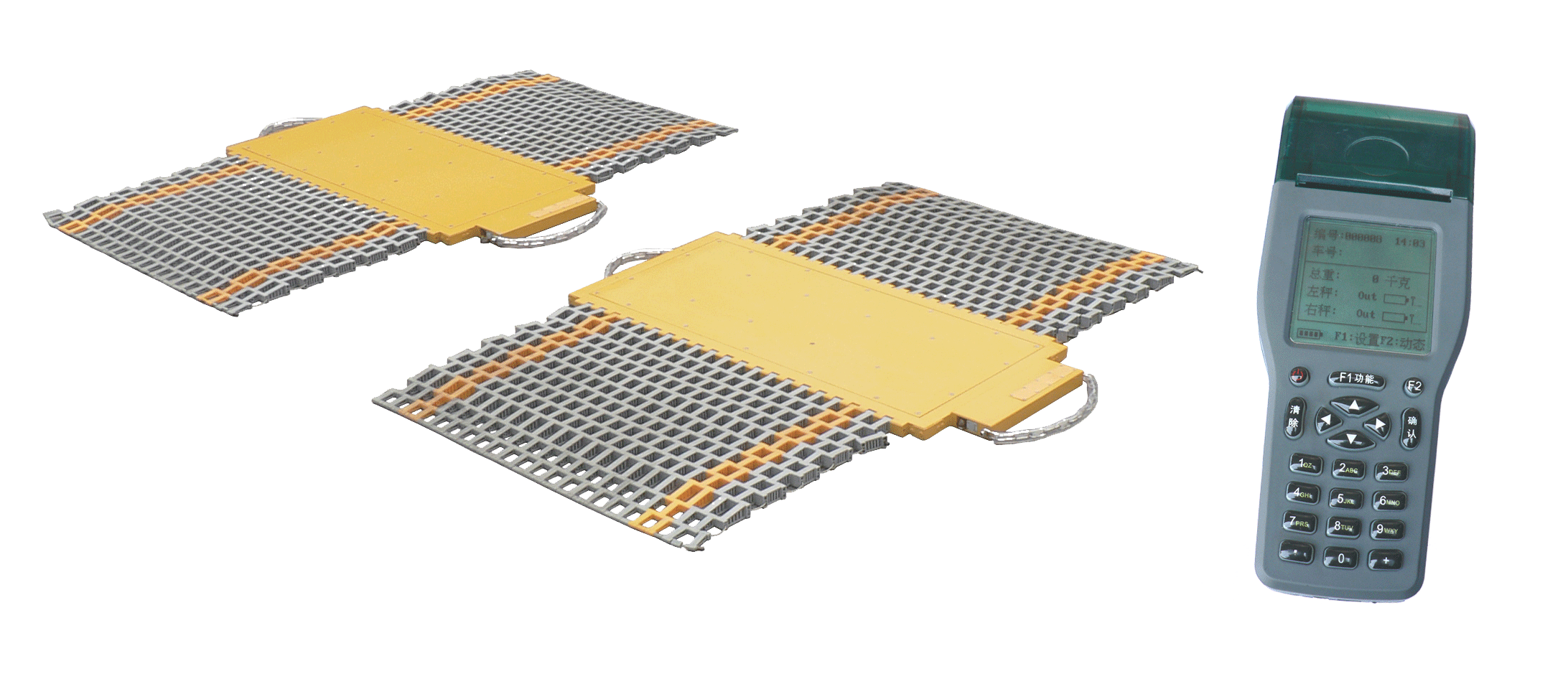
Modern transportation networks face unprecedented challenges as traffic volumes continue to surge across highways, bridges, and commercial corridors worldwide. Traditional static weighing methods create significant bottlenecks that slow down commerce, increase fuel consumption, and contribute to mounting operational costs for fleet operators. A weigh in motion system represents a revolutionary approach to vehicle weight measurement that eliminates these constraints by enabling continuous traffic flow while maintaining accurate weight data collection. This advanced technology transforms how transportation authorities manage weight enforcement, optimize infrastructure utilization, and enhance overall network efficiency.
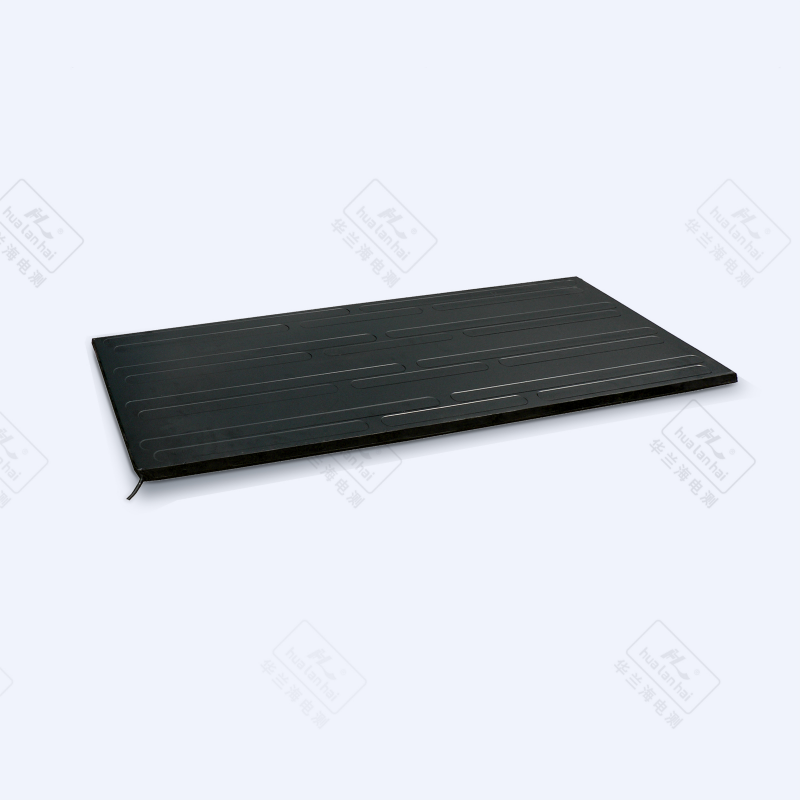
The implementation of weigh in motion system technology addresses multiple operational challenges simultaneously, from reducing vehicle queuing times to improving data accuracy for infrastructure planning. Transportation departments worldwide are increasingly recognizing that traditional weighing methods create artificial chokepoints that ripple through entire logistics networks. By enabling vehicles to maintain highway speeds during weight measurement, these systems eliminate the primary cause of weight-related traffic disruptions while providing superior data quality for regulatory compliance and infrastructure management decisions.
Understanding Dynamic Weight Measurement Technology
Core Components and Operating Principles
A weigh in motion system operates through sophisticated sensor arrays embedded directly into roadway surfaces, typically utilizing piezoelectric, strain gauge, or load cell technologies to capture precise weight measurements. These sensors detect the dynamic forces exerted by vehicle axles as they pass over designated measurement zones at normal highway speeds. The system processes multiple data points simultaneously, including individual axle weights, gross vehicle weight, vehicle speed, and axle spacing configurations to generate comprehensive weight profiles for each passing vehicle.
Advanced signal processing algorithms compensate for variables that could affect measurement accuracy, such as vehicle speed variations, road surface irregularities, and environmental conditions. Modern weigh in motion system installations incorporate temperature compensation, vibration filtering, and multi-sensor validation to ensure consistent performance across diverse operational conditions. The technology captures weight data with remarkable precision, often achieving accuracy levels within two to five percent of static scale measurements while maintaining continuous traffic flow.
Integration with Traffic Management Infrastructure
Contemporary weigh in motion system deployments integrate seamlessly with existing traffic management networks, providing real-time data streams to centralized monitoring centers. This integration enables transportation authorities to correlate weight data with traffic flow patterns, weather conditions, and infrastructure loading to optimize network operations dynamically. The system communicates weight violations, overload alerts, and traffic density information to enforcement personnel and traffic control systems instantaneously.
Data connectivity through fiber optic networks, wireless communications, or cellular systems ensures that weigh in motion system information reaches decision-makers without delay. Modern installations support multiple communication protocols and can interface with automated enforcement systems, variable message signs, and traffic diversion mechanisms. This comprehensive integration transforms weight measurement from an isolated function into a critical component of intelligent transportation system operations.
Traffic Flow Optimization Through Continuous Measurement
Eliminating Static Weighing Bottlenecks
Traditional truck weighing operations require vehicles to exit highway traffic, queue at weigh stations, and undergo time-consuming static measurements before rejoining traffic flow. This process creates significant delays, particularly during peak shipping periods when commercial vehicle volumes are highest. A weigh in motion system eliminates these bottlenecks entirely by enabling weight measurement at highway speeds, allowing trucks to maintain their planned routes without deviation or delay.
The removal of mandatory weigh station stops has profound implications for traffic flow dynamics throughout transportation corridors. Commercial vehicles no longer create acceleration and deceleration zones around weigh facilities, reducing the ripple effects that slow surrounding traffic. Fleet operators report substantial improvements in delivery schedule reliability and fuel efficiency when operating on routes equipped with weigh in motion system technology instead of traditional static scales.
Capacity Optimization for Transportation Networks
Weigh in motion system installations enable transportation authorities to maximize infrastructure capacity by providing continuous monitoring of actual loading conditions. Rather than designing for worst-case scenarios based on limited static weighing data, engineers can utilize comprehensive weight distribution information to optimize traffic routing and infrastructure utilization. This data-driven approach supports more efficient use of existing roadway capacity while identifying opportunities for strategic improvements.
The continuous nature of weigh in motion system data collection provides unprecedented visibility into traffic patterns, enabling predictive analysis of congestion formation and infrastructure stress. Transportation planners can identify peak loading periods, seasonal variations, and route-specific characteristics that inform capacity expansion decisions and traffic management strategies. This comprehensive understanding of actual network utilization supports more effective investment prioritization and operational optimization.
Economic Impact of Reduced Transportation Delays
Fleet Operational Efficiency Improvements
Commercial transportation companies experience measurable cost reductions when operating on networks equipped with weigh in motion system technology. The elimination of weigh station delays directly translates to improved fuel efficiency, reduced driver hours, and enhanced schedule reliability. Fleet operators report that avoiding traditional weighing procedures can reduce trip times by fifteen to thirty minutes per weigh station encounter, depending on queue lengths and processing times.
These time savings compound across large fleet operations, resulting in significant operational cost reductions and improved customer service levels. Drivers can maintain consistent speeds and routing, reducing vehicle wear and fuel consumption while improving delivery predictability. The enhanced operational efficiency enabled by weigh in motion system deployment supports more competitive pricing and improved service quality throughout the logistics industry.
Regional Economic Benefits
The broader economic impact of weigh in motion system implementation extends beyond individual fleet operations to encompass regional economic development and competitiveness. Reduced transportation costs and improved logistics efficiency make regions more attractive for manufacturing, distribution, and commercial development. The enhanced reliability of freight movement supports just-in-time manufacturing processes and reduces inventory carrying costs for businesses throughout the supply chain.
Transportation corridors equipped with advanced weigh in motion system technology often experience increased freight traffic as carriers optimize their routing to take advantage of improved efficiency. This increased utilization generates additional economic activity while validating infrastructure investments and supporting ongoing system maintenance and enhancement programs.
Enhanced Enforcement and Compliance Capabilities
Automated Violation Detection and Processing
Modern weigh in motion system installations incorporate sophisticated violation detection algorithms that automatically identify overweight vehicles and initiate appropriate enforcement responses. The system can differentiate between minor weight variations and significant violations, enabling proportional enforcement responses that focus resources on the most serious infractions. Automated license plate recognition technology links weight measurements to specific vehicles and operators, supporting comprehensive violation tracking and compliance monitoring.
The continuous monitoring capabilities of weigh in motion system technology provide enforcement agencies with comprehensive coverage that would be impossible to achieve through traditional static weighing methods. Every commercial vehicle passing through equipped corridors undergoes weight measurement, creating a complete compliance picture that supports more effective enforcement strategies and improved deterrent effects.
Data-Driven Compliance Management
The extensive data collection capabilities of weigh in motion system installations support sophisticated compliance analysis and enforcement planning. Transportation authorities can identify patterns of non-compliance, correlate violations with specific carriers or routes, and develop targeted enforcement strategies that address the root causes of weight violations. This analytical approach improves enforcement effectiveness while reducing the burden on compliant operators.
Comprehensive weight data enables transportation agencies to work collaboratively with the freight industry to improve compliance rates through education, incentive programs, and targeted assistance. The transparency and consistency of weigh in motion system measurements build trust between regulators and operators, supporting more cooperative approaches to weight enforcement and infrastructure protection.
Infrastructure Protection and Longevity
Preventive Load Management
Continuous weight monitoring through weigh in motion system technology enables proactive infrastructure protection by identifying and addressing overloading before significant damage occurs. The real-time nature of weight measurement allows for immediate intervention when excessive loads are detected, preventing cumulative damage that could compromise structural integrity. This preventive approach extends infrastructure service life while reducing maintenance costs and service disruptions.
The detailed loading data provided by weigh in motion system installations supports sophisticated pavement and bridge management programs that optimize maintenance timing and resource allocation. Engineers can correlate actual loading histories with observed deterioration patterns to refine design standards and maintenance protocols. This data-driven approach to infrastructure management yields significant cost savings while improving service reliability.
Long-Term Sustainability Benefits
The implementation of comprehensive weigh in motion system networks supports more sustainable transportation infrastructure management by optimizing resource utilization and minimizing unnecessary construction. Accurate loading data enables more precise infrastructure design that avoids both over-engineering and premature failure. The resulting efficiency improvements reduce material consumption, construction activity, and environmental impact while maintaining service quality.
Long-term operation of weigh in motion system installations provides valuable data for climate change adaptation and infrastructure resilience planning. The continuous monitoring capabilities support real-time assessment of infrastructure performance under varying environmental conditions, enabling adaptive management strategies that maintain service reliability despite changing operational conditions.
FAQ
How accurate are weigh in motion systems compared to static scales
Modern weigh in motion system technology typically achieves accuracy levels within two to five percent of static scale measurements for properly calibrated and maintained installations. The accuracy depends on factors such as vehicle speed, road surface conditions, and system design, but advances in sensor technology and signal processing have dramatically improved measurement precision. Many installations exceed industry accuracy standards and provide reliable data for enforcement and infrastructure management purposes.
What types of vehicles can be measured by weigh in motion systems
A weigh in motion system can measure virtually all vehicle types, from passenger cars to heavy commercial trucks and specialized transport equipment. The system automatically detects vehicle characteristics such as axle count, wheelbase, and configuration to apply appropriate measurement algorithms. Different sensor configurations and calibration settings can be optimized for specific vehicle types or mixed traffic conditions, ensuring accurate measurements across diverse vehicle populations.
How do weather conditions affect weigh in motion system performance
Advanced weigh in motion system designs incorporate comprehensive environmental compensation to maintain accuracy across varying weather conditions. Temperature compensation algorithms adjust for thermal expansion and contraction of sensors and roadway materials, while moisture detection systems account for wet surface conditions. Most modern installations operate reliably in temperature ranges from negative forty to positive seventy degrees Celsius and can function effectively in rain, snow, and other adverse conditions.
What maintenance requirements are associated with weigh in motion systems
Weigh in motion system maintenance requirements are generally minimal compared to traditional weigh station facilities, primarily involving periodic calibration verification, sensor inspection, and data system maintenance. The embedded nature of most sensors provides protection from environmental factors and traffic damage, while remote monitoring capabilities enable predictive maintenance scheduling. Most installations require only quarterly calibration checks and annual comprehensive inspections to maintain optimal performance and accuracy standards.