
 EN
EN
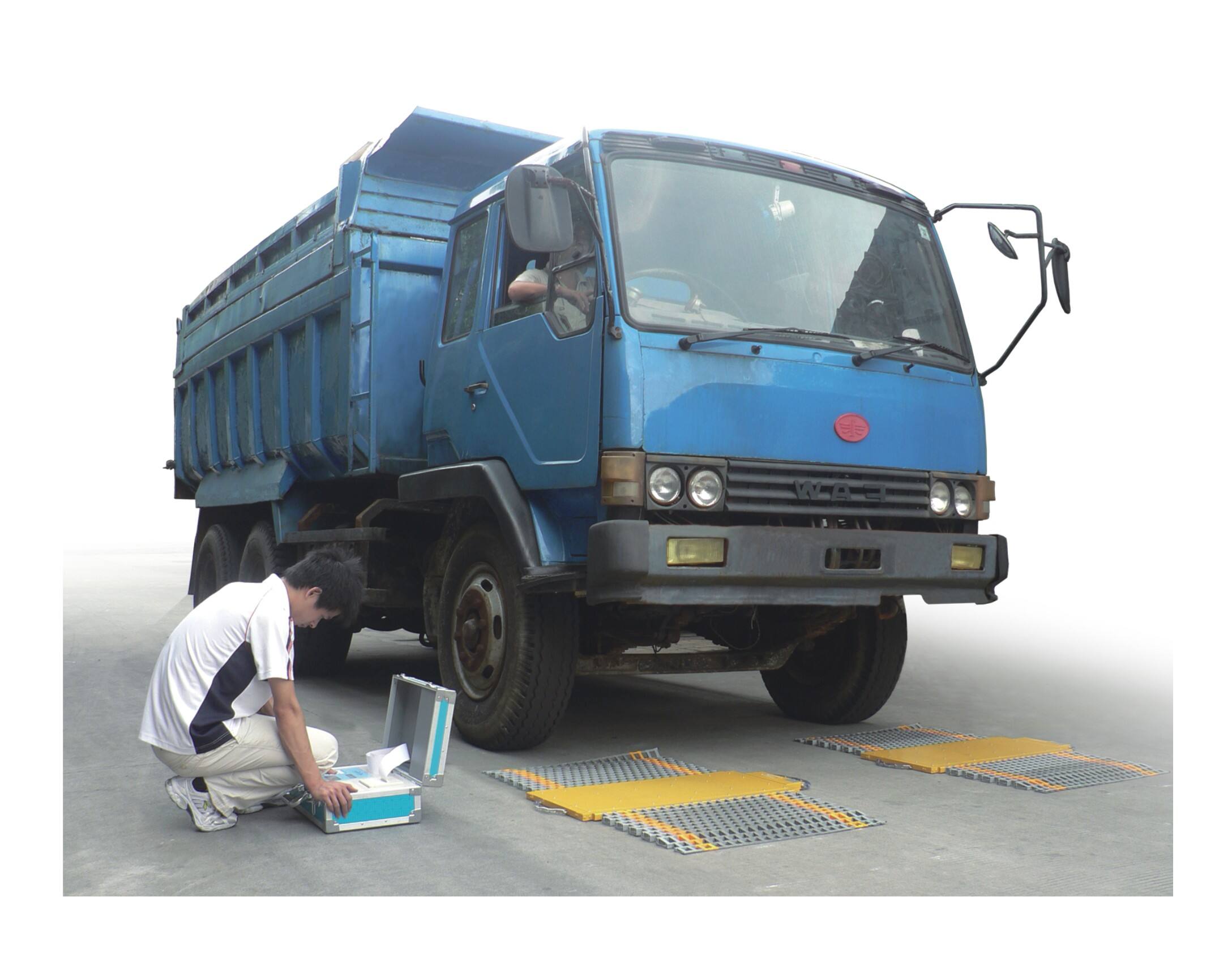
Modern highway infrastructure relies heavily on advanced technologies to monitor traffic patterns, ensure road safety, and maintain compliance with weight regulations. A weigh in motion system represents one of the most critical components in this technological ecosystem, providing real-time weight measurements of vehicles as they travel at normal highway speeds. These sophisticated systems have revolutionized how transportation authorities monitor commercial vehicle compliance, collect traffic data, and protect road infrastructure from excessive wear and damage.
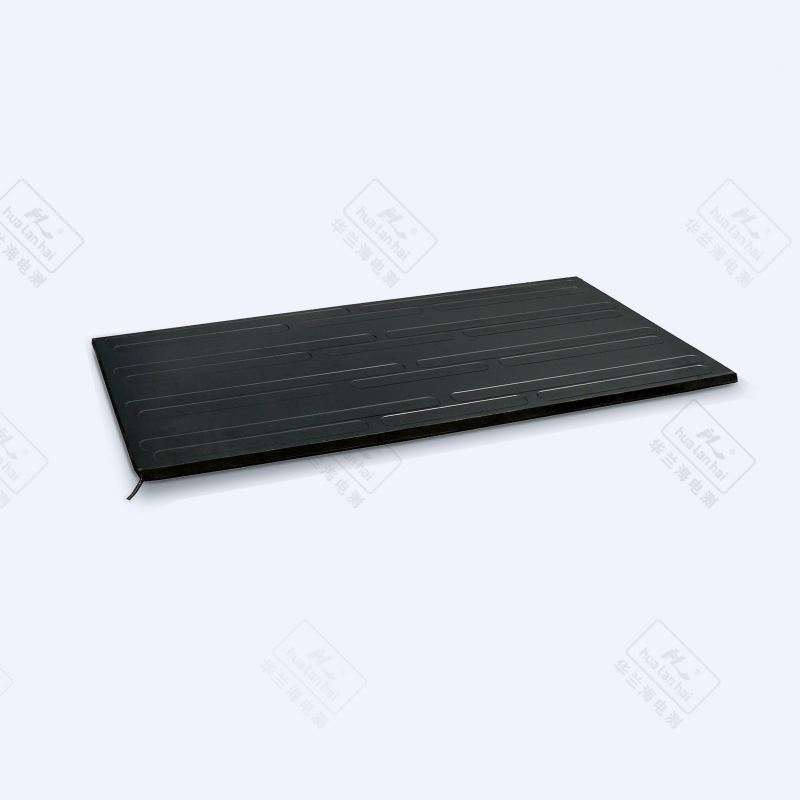
The implementation of weigh in motion systems has transformed highway monitoring from static checkpoints to continuous, seamless data collection. Unlike traditional static weighing methods that require vehicles to stop at designated scales, these dynamic systems capture accurate weight data while maintaining traffic flow efficiency. This capability has proven invaluable for highway departments, commercial fleet operators, and enforcement agencies seeking to optimize operations while ensuring regulatory compliance.
Fundamental Principles of Weigh in Motion Technology
Core Components and Architecture
A comprehensive weigh in motion system consists of several interconnected components working together to deliver accurate weight measurements. The primary sensing elements include piezoelectric sensors, load cells, or bending plate sensors embedded directly into the roadway surface. These sensors detect the dynamic forces exerted by vehicle axles as they pass over the measurement zone, converting mechanical stress into electrical signals that can be processed and analyzed.
The data acquisition unit serves as the central processing hub, collecting signals from multiple sensors and applying sophisticated algorithms to compensate for vehicle speed, road conditions, and environmental factors. Advanced weigh in motion systems incorporate multiple sensor arrays positioned at strategic intervals to capture comprehensive vehicle profiles, including axle spacing, gross vehicle weight, and individual axle loads.
Signal Processing and Calibration Methods
Modern weigh in motion systems employ advanced signal processing techniques to ensure measurement accuracy across varying operating conditions. Digital filtering algorithms remove noise and interference from sensor signals, while temperature compensation mechanisms account for thermal effects on sensor performance. The calibration process involves establishing reference relationships between sensor outputs and known vehicle weights through controlled testing with certified reference vehicles.
Continuous calibration monitoring ensures long-term accuracy by tracking system performance against established benchmarks. Many systems incorporate automatic calibration features that adjust sensor sensitivity based on environmental conditions, traffic patterns, and historical data trends. This intelligent calibration approach minimizes maintenance requirements while maximizing measurement reliability.
Installation and Integration Requirements
Highway Infrastructure Considerations
Successful implementation of a weigh in motion system requires careful consideration of highway infrastructure characteristics and traffic patterns. The installation site must provide adequate approach and departure zones to ensure vehicles maintain consistent speeds through the measurement area. Pavement conditions, grade changes, and lane geometry all influence system performance and measurement accuracy.
Installation typically involves cutting precise slots in the roadway surface to accommodate sensor elements, ensuring proper alignment and secure mounting. The surrounding pavement must be restored to match existing road characteristics, maintaining smooth transitions that prevent vehicle bouncing or speed changes. Proper drainage design prevents water accumulation around sensors, which could affect performance and longevity.
Communication and Data Management Infrastructure
Modern weigh in motion systems require robust communication networks to transmit data to central monitoring facilities and integrate with broader traffic management systems. Fiber optic cables, wireless networks, or cellular connections provide reliable data transmission capabilities, enabling real-time monitoring and remote system management.
Data management infrastructure includes local storage systems for buffering measurements during communication outages, as well as centralized databases for long-term data analysis and reporting. Integration with existing traffic management systems allows weigh in motion data to enhance overall highway monitoring capabilities, supporting applications such as truck routing, bridge protection, and commercial vehicle enforcement.
Operational Applications and Benefits
Commercial Vehicle Enforcement
Law enforcement agencies utilize weigh in motion systems as screening tools to identify potentially overweight vehicles without disrupting traffic flow. When a weigh in motion system detects a vehicle exceeding weight limits, it can trigger alerts to downstream enforcement stations or mobile units. This targeted approach improves enforcement efficiency by focusing resources on actual violations rather than conducting random inspections.
The continuous monitoring capability provided by weigh in motion systems enables enforcement agencies to identify patterns of non-compliance, track repeat violators, and develop targeted enforcement strategies. Historical data analysis reveals trends in overweight violations, helping authorities allocate resources more effectively and develop educational programs for commercial vehicle operators.
Infrastructure Protection and Asset Management
Highway infrastructure suffers significant damage from overweight vehicles, with pavement deterioration and bridge stress increasing exponentially with excessive loads. Weigh in motion systems provide crucial data for infrastructure protection programs, enabling authorities to quantify the impact of heavy vehicles on roadway assets and develop appropriate maintenance strategies.
The continuous weight data collected by these systems supports sophisticated pavement management models that predict deterioration rates based on actual traffic loading. This information enables more accurate budgeting for highway maintenance projects and helps justify infrastructure investments. Bridge owners use weigh in motion data to monitor load exposure and assess structural integrity over time.
Technology Variations and Performance Characteristics
Sensor Technology Options
Different sensor technologies offer varying performance characteristics and installation requirements for weigh in motion systems. Piezoelectric sensors provide high accuracy and fast response times, making them suitable for high-speed applications. These sensors generate electrical charges proportional to applied mechanical stress, offering excellent linearity and stability over wide temperature ranges.
Bending plate sensors utilize strain gauge technology to measure deflection caused by vehicle loads. These systems offer good accuracy for lower-speed applications and provide durability in harsh environmental conditions. Load cell-based systems incorporate multiple sensing elements to capture detailed axle load distributions, supporting advanced applications such as vehicle classification and load distribution analysis.
Accuracy Standards and Performance Metrics
The performance of weigh in motion systems is evaluated using internationally recognized accuracy standards that define acceptable measurement tolerances for different applications. Type approval testing ensures systems meet specified accuracy requirements under controlled conditions, while site-specific calibration verifies performance in actual operating environments.
Key performance metrics include gross vehicle weight accuracy, individual axle weight precision, and system availability. High-performance weigh in motion systems achieve gross vehicle weight accuracy within 5-10% for enforcement applications, while specialized installations may achieve even tighter tolerances. Environmental factors, traffic conditions, and maintenance practices all influence long-term accuracy performance.
Data Analysis and Reporting Capabilities
Real-Time Monitoring and Alerts
Advanced weigh in motion systems provide comprehensive real-time monitoring capabilities that enable immediate response to overweight vehicles and system malfunctions. Automated alert systems notify operators when vehicles exceed predetermined weight thresholds, triggering enforcement actions or infrastructure protection measures.
System health monitoring continuously evaluates sensor performance, communication status, and data quality indicators. Predictive maintenance algorithms analyze performance trends to identify potential issues before they affect measurement accuracy. Remote diagnostic capabilities enable technical support teams to troubleshoot problems and optimize system performance without site visits.
Historical Analysis and Trend Identification
The extensive databases generated by weigh in motion systems support sophisticated analysis of traffic patterns, weight distributions, and compliance trends. Statistical analysis tools identify seasonal variations, route-specific characteristics, and long-term changes in commercial vehicle operations. This information supports strategic planning for highway improvements, enforcement programs, and regulatory policy development.
Data visualization tools present complex weight data in accessible formats, enabling stakeholders to understand traffic patterns and identify areas of concern. Customizable reporting systems generate regular summaries for different user groups, from enforcement statistics for law enforcement agencies to loading analyses for infrastructure engineers.
Installation Considerations and Best Practices
Site Selection and Environmental Factors
Optimal performance of a weigh in motion system depends heavily on proper site selection and consideration of environmental factors. Installation locations should provide straight, level roadway sections with consistent pavement conditions and minimal grade changes. Traffic patterns, lane usage distribution, and vehicle speeds all influence measurement accuracy and system longevity.
Environmental considerations include temperature extremes, moisture exposure, and chemical exposure from road treatments. Proper sensor protection and drainage design prevent premature failure and maintain measurement accuracy over extended operating periods. Climate-specific design modifications may be necessary for installations in extreme environments.
Maintenance Requirements and Lifecycle Management
Successful weigh in motion system operation requires comprehensive maintenance programs that address both preventive and corrective maintenance needs. Regular calibration verification ensures continued accuracy, while sensor cleaning and inspection prevent performance degradation from debris accumulation or physical damage.
Lifecycle management strategies consider sensor replacement schedules, system upgrades, and technology evolution. Modular system designs facilitate component replacement and technology updates without complete system reconstruction. Proper documentation and training programs ensure maintenance staff can effectively support system operations throughout the equipment lifecycle.
Integration with Intelligent Transportation Systems
Connected Vehicle Technologies
The integration of weigh in motion systems with emerging connected vehicle technologies creates new opportunities for enhanced highway monitoring and commercial vehicle management. Vehicle-to-infrastructure communication enables weigh in motion data to be transmitted directly to commercial vehicles, providing immediate feedback on weight compliance and potential violations.
Connected weigh in motion systems can interface with electronic logging devices and fleet management systems to provide comprehensive monitoring of commercial vehicle operations. This integration supports automated compliance reporting, route optimization, and load management strategies that benefit both carriers and infrastructure operators.
Artificial Intelligence and Machine Learning Applications
Modern weigh in motion systems increasingly incorporate artificial intelligence and machine learning capabilities to enhance measurement accuracy and provide predictive insights. Machine learning algorithms analyze historical data patterns to improve calibration models and compensate for environmental effects on measurement accuracy.
Predictive analytics capabilities enable weigh in motion systems to anticipate maintenance needs, identify unusual traffic patterns, and detect potential security threats. These intelligent features transform basic weight measurement systems into comprehensive traffic monitoring and analysis platforms that support advanced highway management strategies.
FAQ
How accurate are weigh in motion systems compared to static scales
Weigh in motion systems typically achieve gross vehicle weight accuracy within 5-15% depending on the application and installation quality, while static scales provide accuracy within 1-2%. The trade-off between accuracy and traffic flow efficiency makes weigh in motion systems ideal for screening applications where high throughput is essential. For enforcement purposes, suspected violations identified by weigh in motion systems are typically verified using certified static scales.
What factors affect the performance of weigh in motion systems
Several factors influence weigh in motion system performance, including vehicle speed variations, pavement conditions, sensor calibration, and environmental conditions such as temperature and moisture. Proper installation with adequate approach zones, regular calibration maintenance, and appropriate sensor selection for local conditions help optimize system performance. Traffic patterns and vehicle types also affect accuracy, with consistent heavy truck traffic providing better calibration stability than mixed vehicle operations.
How long do weigh in motion systems typically last
The operational lifespan of weigh in motion systems varies significantly based on sensor technology, traffic loading, environmental conditions, and maintenance practices. Piezoelectric sensors typically last 8-15 years under normal highway conditions, while bending plate systems may operate effectively for 15-20 years. Regular maintenance, proper drainage, and protection from harsh chemicals can significantly extend system life. Electronic components may require more frequent updates or replacement due to technology evolution and communication standard changes.
Can weigh in motion systems work in all weather conditions
Modern weigh in motion systems are designed to operate reliably in various weather conditions, though extreme conditions can affect measurement accuracy. Temperature compensation algorithms account for thermal effects on sensor performance, while proper drainage prevents water accumulation that could interfere with measurements. Snow and ice may temporarily affect accuracy until road surfaces are cleared, but systems typically resume normal operation once conditions improve. Some installations include heating elements or special coatings to minimize weather-related performance impacts.
Table of Contents
- Fundamental Principles of Weigh in Motion Technology
- Installation and Integration Requirements
- Operational Applications and Benefits
- Technology Variations and Performance Characteristics
- Data Analysis and Reporting Capabilities
- Installation Considerations and Best Practices
- Integration with Intelligent Transportation Systems
- FAQ