
 EN

Bending plate technology has become a cornerstone of modern industrial weighing applications, offering reliable force measurement across diverse operational environments. Understanding where bending plate systems deliver their greatest value requires examining specific use cases, operational demands, and environmental conditions that make this technology the optimal choice. Organizations investing in precision weighing infrastructure must recognize that not all applications benefit equally from bending plate solutions, and strategic deployment ensures maximum return on measurement investment.
The bending plate mechanism operates on fundamental physics principles that translate mechanical force into measurable electrical signals, making it exceptionally suited to industrial environments where durability and consistency matter most. Bending plate systems excel when applications demand high repeatability, robust construction, and stable long-term performance under challenging conditions. By exploring the specific contexts where bending plate technology thrives, industries can make informed decisions about load cell selection, ensuring measurement systems align perfectly with operational requirements and performance expectations.
Heavy-Duty Industrial Weighing Operations
Platform and Floor Scale Applications
Bending plate weighing systems have become standard equipment in heavy industrial environments where substantial loads require accurate measurement without frequent replacement or recalibration. Platform scales, floor scales, and hopper scales commonly integrate bending plate technology because the robust construction withstands repetitive loading cycles and mechanical shock that would compromise more delicate sensor designs. Bending plate sensors maintain accuracy across millions of weighing cycles, making them ideal for high-throughput operations in distribution centers, manufacturing facilities, and bulk material handling operations.
The bending plate configuration provides exceptional overload protection, automatically limiting measurement range to prevent sensor damage when loads exceed design specifications. This protective characteristic makes bending plate systems particularly valuable in environments where occasional accidental overloading occurs, preserving equipment lifespan and reducing costly downtime. Industries processing raw materials, aggregate, or heavy components routinely select bending plate technology because operational reliability directly translates to production continuity and cost efficiency.
Batch and Checkweighing Systems
Manufacturing quality control processes depend on precise batch composition and consistent product weights, applications where bending plate weighing systems deliver exceptional performance. Production lines for chemicals, pharmaceuticals, food manufacturing, and consumer goods rely on bending plate sensors for rapid weighing cycles that maintain manufacturing pace without sacrificing accuracy. Bending plate technology responds quickly to changing loads while maintaining measurement stability, enabling production systems to detect weight variations before they affect product quality or compliance.
Checkweighing applications benefit significantly from bending plate systems because the technology tolerates frequent calibration checks, vibration from production machinery, and temperature fluctuations common in manufacturing environments. Bending plate sensors provide consistent results across production shifts, reducing variability in final product quality and supporting regulatory compliance documentation. The durability and reliability of bending plate systems make them economically attractive for operations running continuous production schedules across multiple shifts and production zones.
Transportation and Logistics Industry Applications
Vehicle Axle Load Measurement
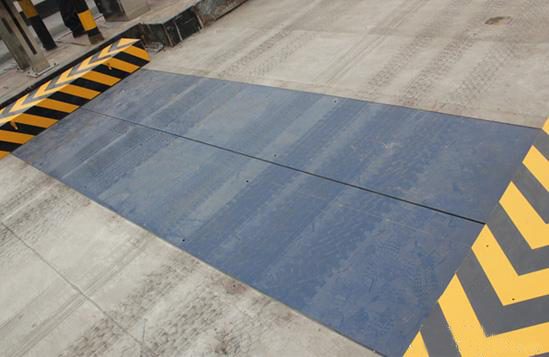
Transportation and logistics operations employ bending plate weighing systems for dynamic vehicle weight measurement, ensuring regulatory compliance and protecting infrastructure from damage caused by overloaded vehicles. Bending plate technology installed in portable weighing platforms accurately measures individual axle loads, providing rapid feedback that influences loading decisions and route planning. Bending plate systems withstand the harsh impacts of vehicles rolling onto measurement platforms, demonstrating mechanical resilience that justifies their deployment in high-traffic commercial environments.
The bending plate design supports rapid measurement cycles essential for logistics operations where time represents significant operational cost. Drivers can position vehicles on bending plate weighing systems and receive accurate load confirmation within seconds, minimizing delays in shipping schedules and supporting efficient logistics planning. Bending plate technology provides the accuracy required for fair pricing, dispute resolution, and regulatory certification in commercial transportation where measurement transparency affects business relationships and compliance standing.
Dock and In-Motion Weighing
Loading docks and warehouse operations integrate bending plate weighing systems into shipping workflows, enabling real-time weight verification that prevents shipping errors and ensures invoice accuracy. Bending plate sensors embedded in conveyor systems and dock scales measure products as they move through logistics channels, providing continuous weight data without interrupting material flow. This integration capability demonstrates the versatility of bending plate technology in applications demanding both accuracy and operational continuity.
Some advanced logistics operations deploy bending plate systems for in-motion weighing, where vehicles or products move across measurement platforms at controlled speeds. Bending plate technology accumulates precise weight signals even during motion, enabling weighing processes that don't require complete vehicle stops or production line interruptions. This capability streamlines operations and reduces total logistics cycle time, making bending plate technology financially attractive for high-volume distribution environments.
Food Processing and Pharmaceutical Manufacturing
Ingredient Batching and Formulation Control
Food processing and pharmaceutical manufacturing depend on precise ingredient measurement to maintain product consistency, meet regulatory requirements, and ensure consumer safety. Bending plate weighing systems provide the accuracy and repeatability these sensitive industries demand, supporting production processes where ingredient errors can compromise product integrity or violate compliance standards. Bending plate technology integrates seamlessly into automated batching systems where control computers calculate precise ingredient quantities and bending plate sensors confirm dispensing accuracy.
Regulatory agencies in food and pharmaceutical industries require documented evidence of measurement accuracy and system calibration compliance, requirements that bending plate systems support through stable long-term performance and straightforward validation protocols. Bending plate technology maintains metrological integrity across extended production runs, reducing the frequency of recalibration events that disrupt manufacturing schedules. The combination of accuracy, reliability, and regulatory alignment makes bending plate systems the preferred choice for regulated manufacturing environments where measurement documentation directly supports product safety claims.
Finished Product Packaging and Quality Assurance
Packaged food and pharmaceutical products require weight verification before shipping, ensuring consumers receive the quantity and weight promised on product labels. Bending plate weighing systems perform rapid verification checks that identify underfilled or overfilled containers before they enter distribution channels, protecting brand reputation and supporting regulatory compliance. Bending plate sensors withstand the continuous operation demands of high-speed packaging lines, maintaining accuracy across thousands of daily measurement cycles.
The bending plate technology employed in packaging applications tolerates temperature variations from processing equipment, vibration from packaging machinery, and mechanical stress from conveyor system integration. Quality assurance teams recognize that bending plate systems provide the reliability needed to maintain statistical process control throughout production shifts, ensuring consistent product quality and meeting customer expectations consistently. The durability of bending plate systems justifies their investment by reducing maintenance costs and minimizing production disruptions caused by sensor failures.
FAQ
In what industrial sectors do bending plate weighing systems provide the most value?
Bending plate systems deliver exceptional value in heavy manufacturing, food processing, pharmaceuticals, logistics, and material handling where operational demands exceed the capabilities of less robust sensor technologies. These sectors benefit from bending plate durability, overload protection, and consistent long-term accuracy. Any industry requiring continuous operation, frequent measurement cycles, and high reliability should seriously evaluate whether bending plate technology aligns with their specific measurement requirements and operational constraints.
How do environmental conditions influence where bending plate weighing systems are best deployed?
Bending plate systems tolerate temperature fluctuations, mechanical vibration, and environmental contamination better than many alternative sensor designs, making them particularly suited to challenging industrial environments. Applications involving extreme temperatures, corrosive atmospheres, or high-vibration machinery benefit significantly from bending plate technology. However, applications requiring extremely high resolution or operating in controlled laboratory conditions might benefit from alternative sensor types specifically designed for those constraints.
Are bending plate weighing systems cost-effective for low-volume production environments?
Bending plate systems represent excellent investments for any operation requiring reliable, durable measurement regardless of production volume. While initial equipment costs for bending plate systems may exceed alternatives, total cost of ownership typically favors bending plate technology through reduced maintenance expenses, longer service life, and minimal calibration requirements. Organizations should evaluate bending plate systems based on total value delivered over the complete product lifecycle rather than initial purchase price alone.