
 EN
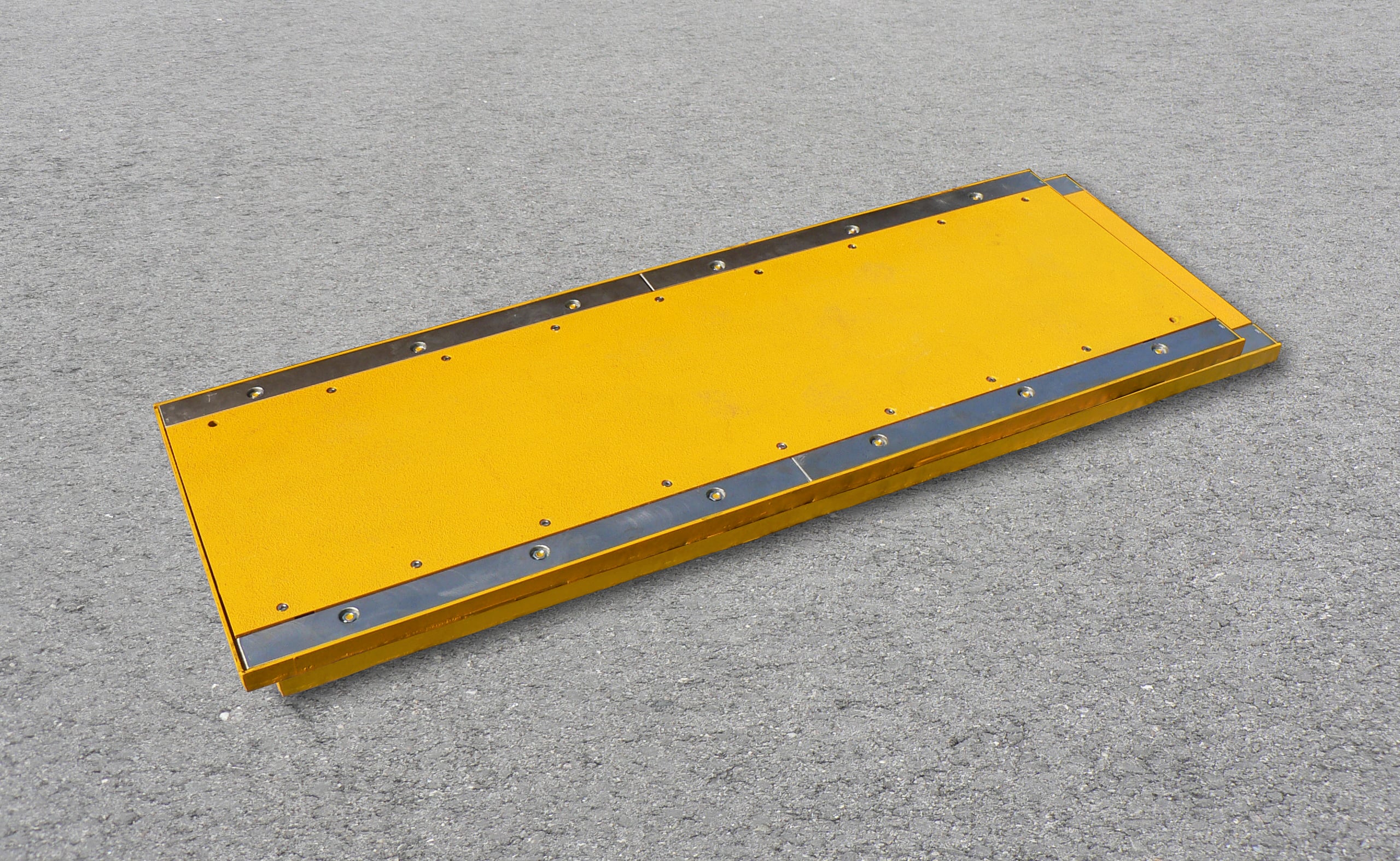
High speed weighing represents a critical infrastructure component in modern transportation, logistics, and industrial operations. Whether managing vehicle fleets, collecting tolls, enforcing weight regulations, or optimizing load distribution, organizations require accurate, instantaneous weight data to maintain compliance, prevent equipment damage, and improve operational efficiency. Traditional static weighing methods introduce delays and bottlenecks that disrupt traffic flow and compromise data accuracy. High speed weighing systems eliminate these constraints by capturing precise vehicle weight measurements in real time, often while vehicles travel at speeds up to 15 kilometers per hour or beyond, enabling seamless integration into existing traffic management and logistics workflows.
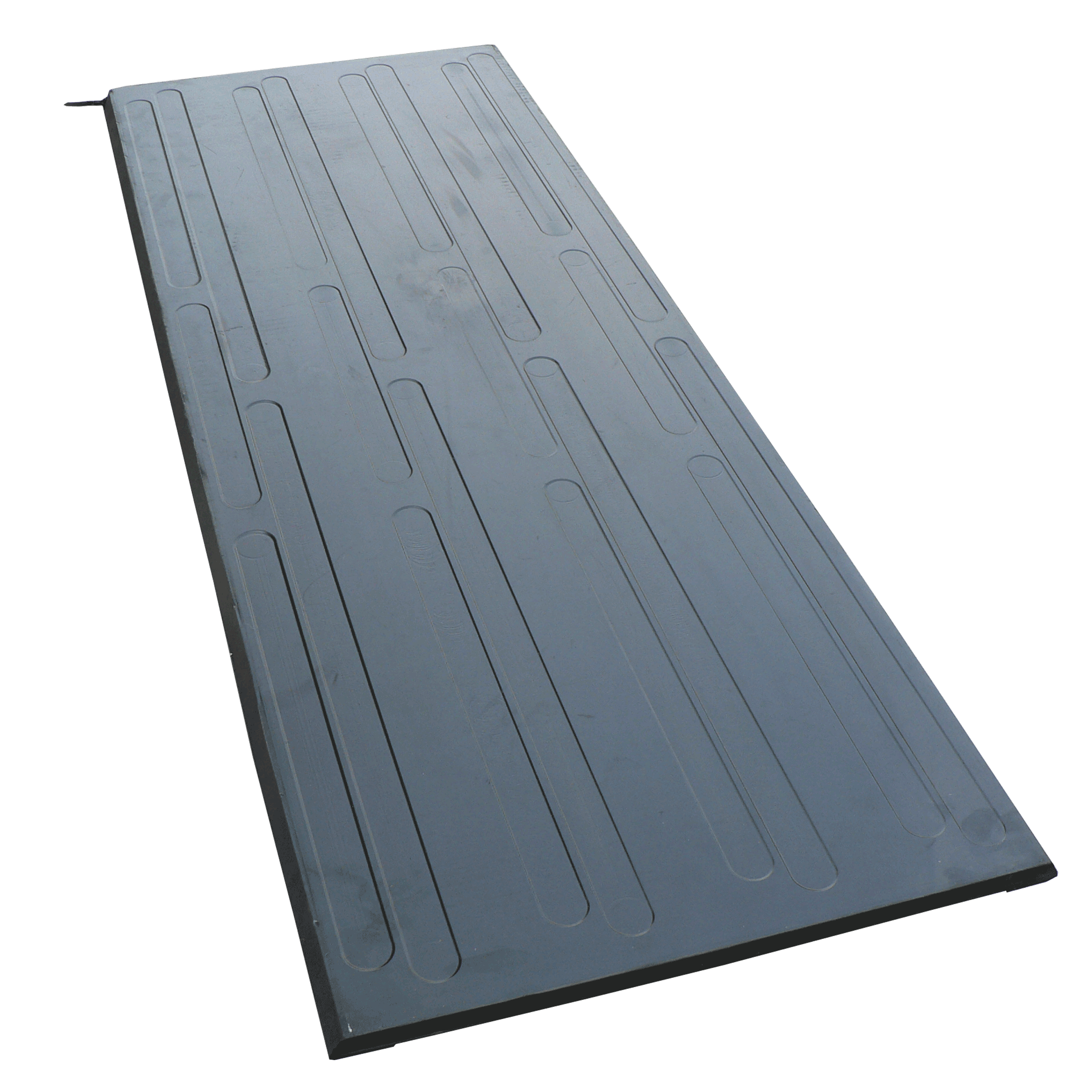
The technology behind high speed weighing has evolved significantly, transforming how organizations handle weight monitoring across highways, ports, distribution centers, and industrial facilities. Modern high speed weighing systems combine advanced load cell technology, sophisticated signal processing, and intelligent software algorithms to deliver reliable measurements without requiring vehicles to stop. This capability directly addresses the operational and regulatory demands of industries that depend on accurate weight data to support decision-making, ensure legal compliance, and maintain operational safety.
How High Speed Weighing Systems Operate
Real-Time Data Capture and Processing
High speed weighing systems function by embedding specialized sensors into road surfaces or mounting weighing equipment at strategic points along traffic corridors. As vehicles pass over or near these sensors, the high speed weighing technology captures instantaneous weight distribution data from each wheel or axle group. Advanced load cells convert mechanical force into electrical signals with exceptional precision, while integrated electronics process these signals in real time to calculate total vehicle weight. The entire measurement cycle completes within milliseconds, allowing high speed weighing operations to function effectively even as vehicles maintain normal traffic speeds. This real-time capability eliminates the need for traffic interruption, reducing congestion and improving throughput significantly.
Data validation and quality control represent essential components of reliable high speed weighing performance. Once the system captures weight readings, onboard algorithms immediately verify measurements against expected ranges and compare results across multiple sensor inputs to confirm accuracy. Vehicles flagged by high speed weighing systems as exceeding legal weight limits or showing suspicious patterns can be automatically directed to enforcement stations or inspection areas without disrupting normal traffic flow. This intelligent filtering significantly reduces false positives and ensures that operator attention focuses on genuinely problematic vehicles.
Integration with Traffic Management Infrastructure
Modern high speed weighing systems integrate seamlessly with broader transportation management platforms, allowing weight data to flow directly into traffic control systems, toll collection networks, and logistics databases. The high speed weighing data becomes immediately actionable, enabling automatic lane routing decisions, dynamic toll adjustments, and real-time fleet optimization. Communication protocols ensure that high speed weighing measurements synchronize with vehicle identification systems, creating comprehensive records that link specific vehicles to their weight readings. This integration capability transforms high speed weighing from isolated measurement into a strategic asset within comprehensive transportation intelligence systems.
Critical Applications Across Industries
Highway Enforcement and Regulatory Compliance
Transportation authorities rely on high speed weighing technology to enforce weight regulations without creating traffic bottlenecks. High speed weighing systems screen vehicles continuously, identifying those exceeding legal weight limits and directing them to inspection facilities. This application of high speed weighing technology dramatically improves compliance rates while maintaining traffic flow at levels comparable to un-instrumented roads. Law enforcement agencies benefit from continuous, accurate data that supports case prosecution and identifies repeat offenders. High speed weighing enforcement reduces road damage caused by overweight vehicles, extending pavement lifespan and reducing maintenance costs across entire highway networks.
Toll Collection and Revenue Management
Many toll collection systems employ high speed weighing to implement weight-based pricing models that reflect actual vehicle wear on road infrastructure. High speed weighing systems capture accurate axle counts and weight distributions that determine toll charges automatically, eliminating manual classification errors and supporting dynamic pricing strategies. Revenue agencies using high speed weighing systems report improved collection accuracy and reduced disputes compared to traditional classification methods. The real-time data from high speed weighing enables sophisticated pricing algorithms that adjust toll levels based on traffic conditions, time of day, and vehicle characteristics, optimizing both revenue and traffic flow.
Port and Logistics Operations
Distribution centers, warehouses, and port facilities deploy high speed weighing systems to verify loads and manage inventory movement without operational interruption. High speed weighing technology enables automatic recording of weights as loaded trucks enter and exit facilities, creating permanent records that support auditing and liability management. Logistics managers using high speed weighing systems can identify overloaded vehicles before they depart, preventing fines, equipment damage, and safety hazards. High speed weighing integration with warehouse management systems automatically updates inventory records and links weight measurements to specific shipments, improving traceability and reducing discrepancies.
Technical Advantages and Performance Characteristics
Accuracy and Reliability Under Operational Conditions
Modern high speed weighing systems deliver measurement accuracy within one to three percent of actual vehicle weight, meeting or exceeding standards established by international weights and measures authorities. This accuracy level holds consistent across varying weather conditions, pavement temperatures, and traffic speeds, enabling organizations to rely on high speed weighing data for regulatory compliance and business decisions. Redundant sensor arrays within high speed weighing installations ensure continued operation even if individual sensors experience temporary degradation, while diagnostic systems alert operators to maintenance needs before measurement quality declines. The robust design of contemporary high speed weighing technology enables deployment in challenging environments including high-traffic highways, industrial sites with vibration, and outdoor facilities exposed to weather extremes.
Scalability and Deployment Flexibility
Organizations can implement high speed weighing technology at scales ranging from single inspection stations to networked systems spanning entire regions. High speed weighing systems accommodate varying installation requirements, including in-road weighing, bridge-integrated systems, and portable configurations that organizations can relocate between locations. Modular high speed weighing architecture allows incremental expansion as operational demands grow, without requiring complete replacement of existing infrastructure. This flexibility makes high speed weighing accessible to organizations of diverse sizes and operational profiles, from small transporters to national transportation networks.
Cost Effectiveness Compared to Static Alternatives
While initial capital investment in high speed weighing infrastructure exceeds that of traditional static scales, the operational advantages generate rapid return on investment for most organizations. Reduced inspection personnel requirements, decreased traffic delays, improved compliance, and extended pavement life justify high speed weighing expenditures within typical three to five year payback periods. Organizations implementing high speed weighing systems also report reduced liability exposure from undetected overweight vehicles and improved safety outcomes. The long operational lifespan of modern high speed weighing equipment, often exceeding fifteen years with routine maintenance, further strengthens the economic case for deployment.
FAQ
What measurement accuracy should organizations expect from high-speed weighing systems?
Organizations implementing properly calibrated high speed weighing systems can expect measurement accuracy within one to three percent of actual vehicle weight. High speed weighing accuracy at these levels meets international standards for regulatory applications and supports reliable business decision-making. Regular calibration and maintenance preserve high speed weighing accuracy throughout system lifespan, while environmental factors like extreme temperature changes typically cause only temporary variations that automated quality controls detect immediately.
Can high speed weighing systems function effectively in extreme weather conditions?
Yes, modern high speed weighing technology incorporates weatherproofing and environmental controls that maintain measurement reliability through rain, snow, temperature extremes, and other challenging conditions. High speed weighing systems designed for highway deployment undergo extensive testing to verify performance consistency across expected environmental ranges. Some high speed weighing installations include heated enclosures or specially sealed sensors that further enhance performance in particularly severe climates, ensuring organizations can rely on consistent high speed weighing data regardless of weather patterns.
How quickly can high speed weighing systems detect and report overweight violations?
High speed weighing systems complete measurements and violation detection within milliseconds, enabling real-time alerts that reach enforcement personnel before violating vehicles exit monitoring zones. Data transmission from high speed weighing sensors to central management systems typically occurs within seconds, providing timely information for dynamic routing decisions. This rapid response capability distinguishes high speed weighing from traditional static weighing methods and enables proactive enforcement strategies that maximize compliance before violations occur.