
 EN
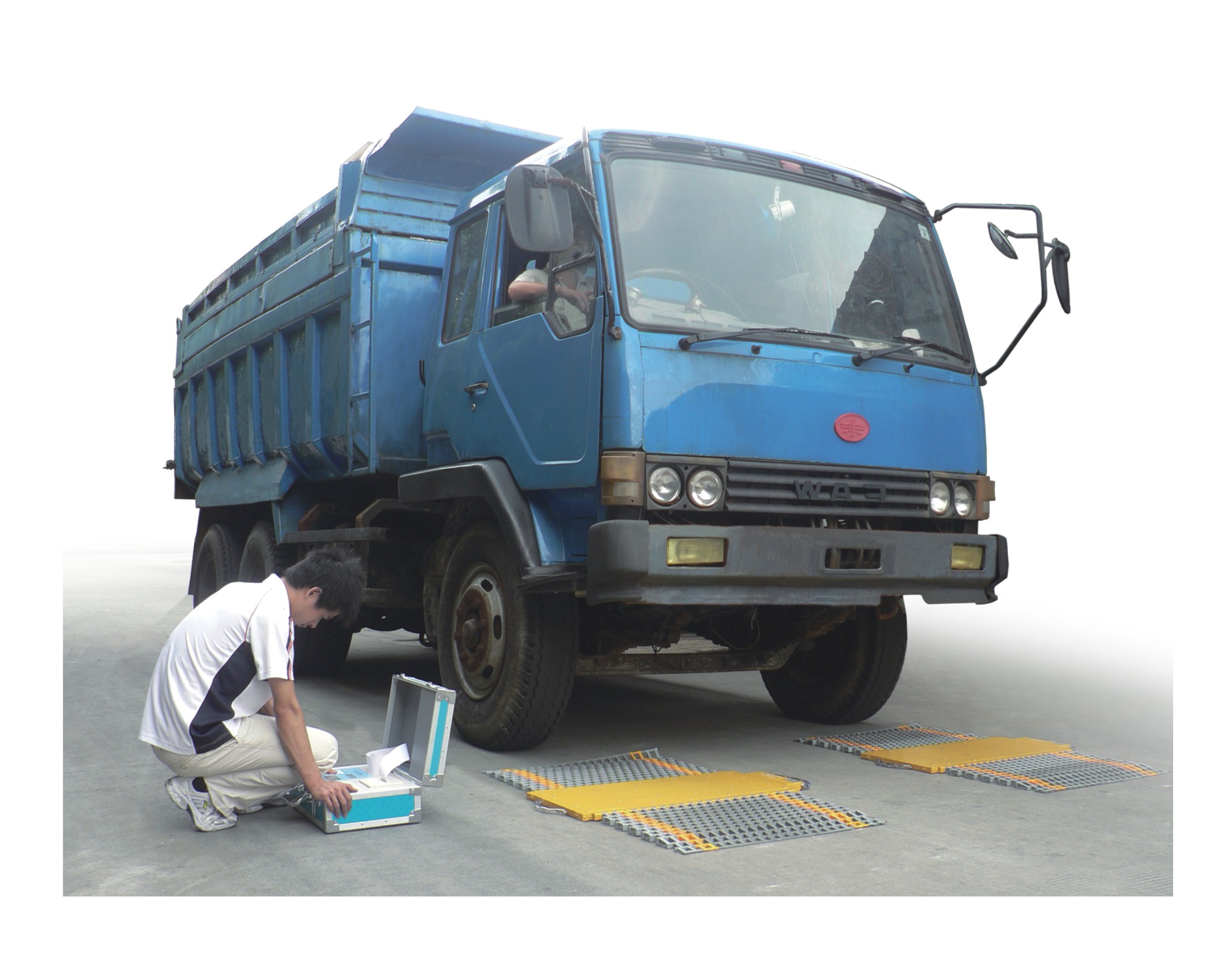
Modern transportation infrastructure faces unprecedented challenges in managing vehicle weight compliance and traffic flow efficiency. A weigh in motion system represents a transformative solution for traffic management professionals seeking to monitor vehicle weights without disrupting traffic patterns. These advanced systems capture precise weight data in real time as vehicles travel across detection zones, enabling authorities to enforce regulations, collect operational intelligence, and protect road infrastructure from overload damage.

The deployment of a weigh in motion system transforms how transportation departments approach vehicle monitoring and regulatory compliance. Unlike traditional static weigh stations that require vehicles to stop, this technology operates continuously, processing hundreds of vehicles hourly while maintaining normal traffic speeds. Organizations across highway networks, commercial corridors, and industrial zones increasingly rely on weigh in motion system capabilities to establish data-driven traffic management strategies that reduce congestion, extend pavement life, and support sustainable transportation planning.
Core Applications in Traffic Management
Weight Compliance and Enforcement
A weigh in motion system provides transportation authorities with objective, continuous data regarding vehicle weight distribution and gross vehicle weight rating compliance. This capability enables enforcement officers to identify overloaded vehicles with precision, reducing the manual inspection burden and directing resources toward genuine compliance violations. When integrated with license plate recognition technology, a weigh in motion system automatically flags non-compliant vehicles, generating alerts that support efficient enforcement operations and deterring repeat violators through consistent penalty application.
Pavement Protection and Maintenance Planning
Heavy vehicles cause disproportionate road damage, with impact correlating exponentially to axle weight. A weigh in motion system continuously monitors actual weight loads crossing specific road sections, providing maintenance planners with comprehensive data about structural stress patterns. By analyzing weigh in motion system data over time, transportation departments identify high-risk corridors, predict maintenance schedules with greater accuracy, and allocate repair budgets based on genuine wear patterns rather than assumptions. This data-driven approach extends pavement lifespan and reduces overall infrastructure costs significantly.
Operational Intelligence and Network Optimization
Traffic Flow and Congestion Analysis
Beyond compliance monitoring, a weigh in motion system generates valuable traffic composition data that reveals vehicle type distributions, peak loading periods, and network usage patterns. Transportation planners use weigh in motion system insights to optimize lane configurations, predict congestion zones during specific times, and implement targeted traffic management strategies. This intelligence supports decisions regarding dynamic tolling, vehicle restrictions during peak periods, and infrastructure expansion projects, all informed by actual traffic behavior captured through continuous weigh in motion system monitoring.
Fleet Management and Logistics Optimization
Commercial fleet operators increasingly access weigh in motion system data to monitor their own vehicle compliance and optimize loading practices. A weigh in motion system provides immediate feedback regarding weight distribution across axles, enabling operators to adjust cargo arrangements before regulatory penalties occur. Fleet managers integrate weigh in motion system data into route planning algorithms, identifying corridors with stricter weight enforcement or higher congestion linked to vehicle mass, thereby reducing operational costs and improving service reliability through informed decision-making.
Strategic Benefits for Transportation Systems
Safety Enhancement and Accident Prevention
Overloaded vehicles demonstrate reduced braking capacity, increased stopping distances, and heightened rollover risk, particularly on curved sections or during emergency maneuvers. A weigh in motion system enforces weight limits that directly correlate with vehicle safety performance, reducing accident probability across monitored corridors. By providing objective enforcement data, a weigh in motion system encourages carriers to maintain compliant loading practices, creating systemic safety improvements that benefit all road users and reduce emergency response demands in transportation networks.
Environmental and Economic Sustainability
Overloaded vehicles consume disproportionate fuel quantities and emit elevated pollutant levels, creating environmental costs beyond direct transportation impacts. A weigh in motion system supports environmental compliance by enforcing weight regulations that reduce excessive fuel consumption and emissions from non-compliant heavy vehicles. Transportation agencies implementing weigh in motion system programs report measurable improvements in air quality indices and fuel consumption metrics, translating weight compliance into tangible environmental benefits that support regional sustainability objectives and climate action initiatives.
FAQ
What are the primary advantages of a weigh in motion system compared to traditional static scales?
A weigh in motion system operates without stopping traffic, processing vehicles at normal highway speeds while capturing accurate weight data. Traditional static scales require vehicles to exit traffic and stop at dedicated facilities, creating bottlenecks and operational delays. Unlike static operations, a weigh in motion system provides continuous monitoring across entire corridor networks, generating comprehensive datasets that reveal patterns invisible in manual sampling. The non-intrusive nature of weigh in motion system technology ensures higher compliance rates and reduces driver avoidance behaviors commonly associated with visible static weigh stations.
How does a weigh in motion system contribute to road longevity?
Road deterioration correlates directly to axle loading, with damage increasing exponentially as vehicle weight exceeds design specifications. A weigh in motion system continuously monitors which vehicles exceed safe weight limits on specific road sections, providing maintenance planners with precise data about structural stress distribution. This intelligence enables targeted reinforcement of high-traffic sections carrying heavy loads while deferring maintenance on corridors dominated by lighter vehicles. By enforcing weight compliance through weigh in motion system data, transportation authorities significantly extend pavement lifespan and reduce lifecycle maintenance costs compared to reactive repair approaches.
Can a weigh in motion system be integrated with existing traffic management infrastructure?
Yes, modern weigh in motion system technology integrates seamlessly with traffic management centers, providing data feeds that complement existing traffic signals, variable message signs, and incident response systems. A weigh in motion system connects to license plate recognition infrastructure, automatic vehicle identification systems, and centralized database platforms without requiring significant reconstruction of existing road installations. Integration enables coordinated responses where overloaded vehicles are dynamically routed away from sensitive infrastructure or directed toward enforcement checkpoints, maximizing operational effectiveness while maintaining normal traffic flow for compliant vehicles.