
 EN
EN
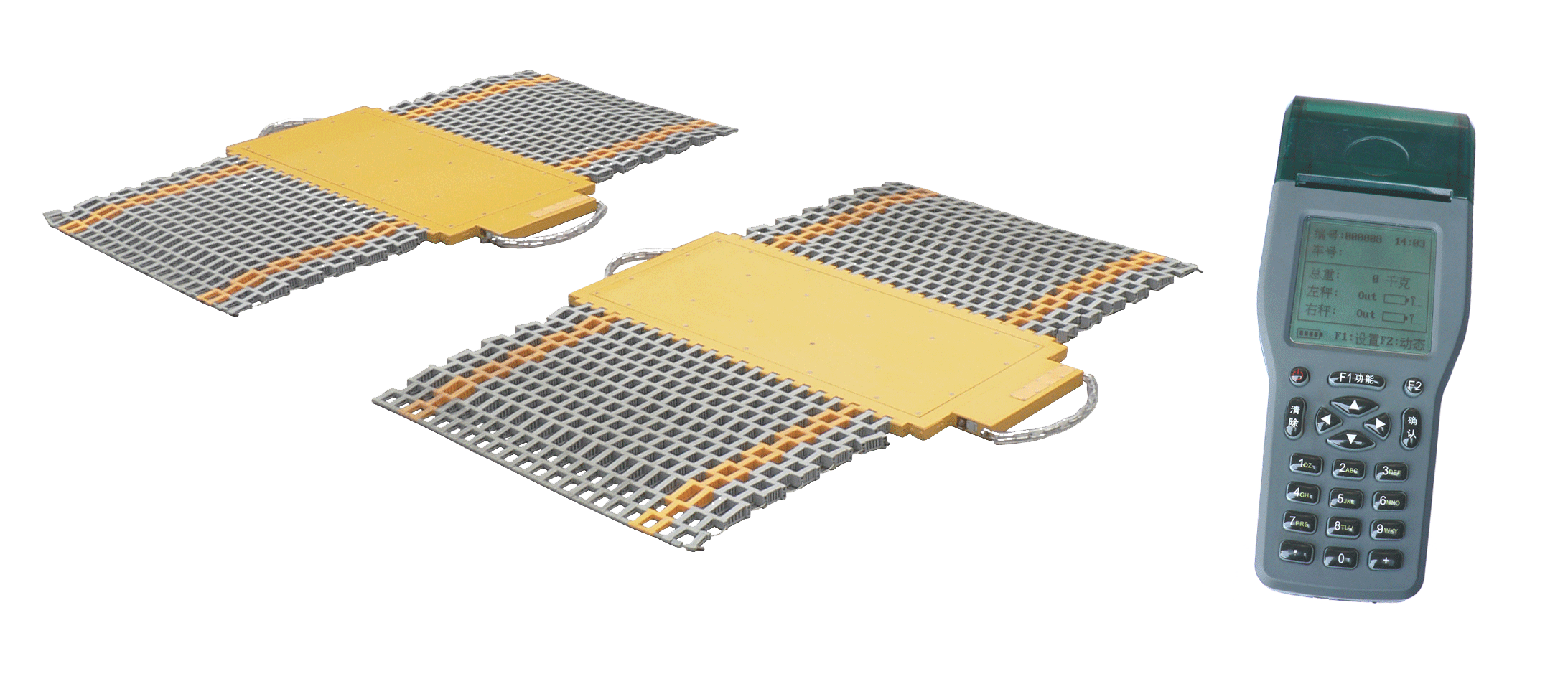
When it comes to weighing vehicles accurately in various industrial and commercial applications, selecting the right portable axle scale is crucial for ensuring compliance, safety, and operational efficiency. A portable axle scale offers the flexibility to conduct weight measurements at multiple locations without the need for permanent installation, making it an invaluable tool for transportation companies, logistics operations, and regulatory enforcement agencies. Understanding the key factors that determine the quality and performance of these weighing systems will help you make an informed decision that meets your specific operational requirements.
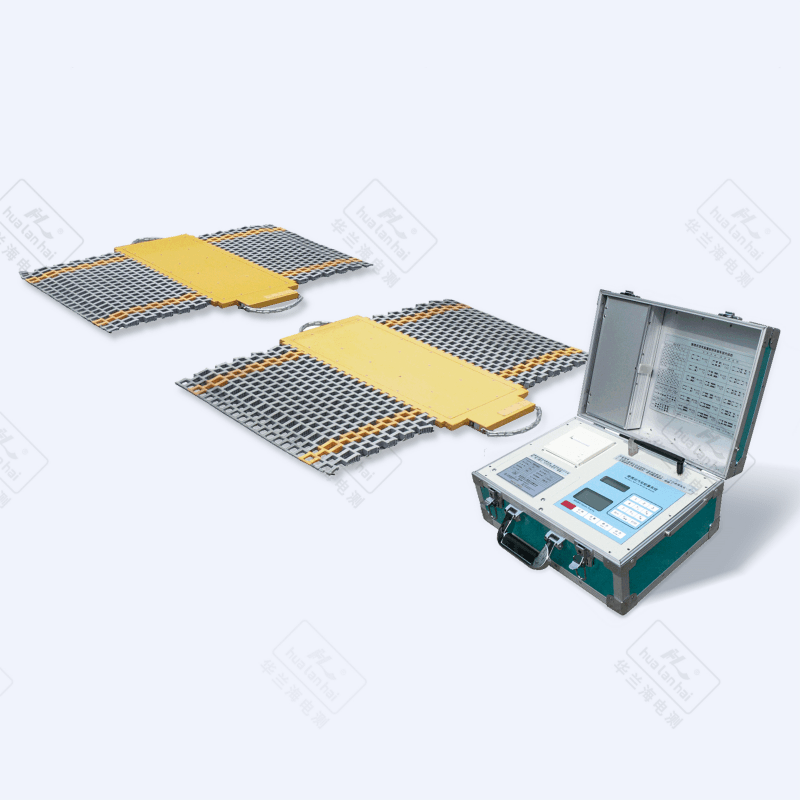
The selection process for a portable axle scale involves evaluating multiple technical specifications, operational features, and practical considerations. These weighing systems must deliver consistent accuracy while withstanding harsh environmental conditions and frequent transportation between different job sites. The investment in quality equipment pays dividends through reduced maintenance costs, extended service life, and reliable performance that ensures regulatory compliance and operational excellence.
Weight Capacity and Accuracy Requirements
Understanding Load Specifications
The weight capacity of your portable axle scale must align with the maximum axle loads you expect to encounter in your operations. Most commercial portable axle scales are designed to handle capacities ranging from 20,000 to 40,000 pounds per axle, though specialized applications may require higher capacities. It is essential to select a scale with adequate capacity that includes a safety margin above your typical maximum loads to ensure accurate measurements and prevent damage to the weighing equipment.
Consider the types of vehicles you will be weighing regularly, including standard commercial trucks, heavy-duty construction vehicles, and specialized transport equipment. The portable axle scale you choose should accommodate the heaviest vehicles in your fleet while maintaining precision for lighter loads. This versatility ensures that your investment provides comprehensive coverage for all weighing requirements without the need for multiple specialized systems.
Precision and Calibration Standards
Accuracy requirements vary depending on your specific application, with legal-for-trade operations typically requiring higher precision than general operational weighing. A quality portable axle scale should maintain accuracy within acceptable tolerances, usually within 0.1% to 0.25% of the applied load. Regular calibration procedures and proper maintenance protocols are essential for maintaining this level of precision throughout the equipment's service life.
The scale's load cell technology and internal electronics significantly impact measurement accuracy and repeatability. Look for systems that incorporate high-quality strain gauge load cells with appropriate environmental protection and signal conditioning circuits that minimize drift and provide stable readings under varying operational conditions. Advanced digital processing capabilities can further enhance measurement precision and provide consistent results across different environmental conditions.
Durability and Construction Quality
Material Selection and Build Quality
The construction materials and manufacturing quality of a portable axle scale directly influence its longevity and performance reliability. Steel construction with appropriate thickness and reinforcement provides the structural integrity necessary to withstand repeated heavy loads and transportation stresses. The weighing platform should feature a robust frame design that distributes loads evenly across the load cells while resisting deflection and maintaining dimensional stability.
Surface treatments and protective coatings play a crucial role in preventing corrosion and extending equipment life, particularly in environments where the portable axle scale may be exposed to moisture, chemicals, or abrasive conditions. Look for scales with powder-coated or galvanized finishes that provide superior corrosion resistance compared to standard paint systems. The quality of welding and assembly practices also affects long-term durability and should meet industrial standards for heavy-duty equipment.
Environmental Protection Features
Environmental resistance capabilities are critical factors when selecting a portable axle scale for outdoor applications. The equipment must function reliably across a wide temperature range while maintaining accuracy despite exposure to moisture, dust, and other environmental contaminants. Sealed load cell compartments and weatherproof junction boxes protect sensitive electronic components from environmental damage.
Consider the ingress protection (IP) rating of the scale's electronic components, with higher ratings indicating better protection against dust and moisture infiltration. A portable axle scale with appropriate environmental protection will provide consistent performance regardless of weather conditions and reduce maintenance requirements over its operational lifetime.
Portability and Setup Features
Transportation Convenience
The portability aspect of a portable axle scale encompasses both the physical design features that facilitate transportation and the practical considerations for moving the equipment between job sites. Integrated lifting points, forklift pockets, or built-in wheels can significantly reduce the effort required to load and unload the scales. The overall weight and dimensions of the scale platform should be compatible with your available transportation vehicles and handling equipment.
Modular design features that allow the portable axle scale to be separated into smaller components can improve transportation efficiency and reduce handling requirements. Some systems incorporate folding or telescoping elements that minimize storage space while maintaining structural integrity when deployed. Consider how frequently you will need to move the equipment and ensure that the design features support your operational workflow.
Installation and Setup Procedures
Quick and straightforward setup procedures are essential for maximizing the efficiency of portable axle scale operations. The system should include clear positioning guides, automatic leveling features, or simplified alignment procedures that enable accurate deployment with minimal time and effort. User-friendly design elements reduce the potential for setup errors that could compromise measurement accuracy or equipment safety.
Cable management systems and wireless communication capabilities can streamline the installation process by reducing the number of physical connections required between scale components. Integrated cable reels or quick-disconnect fittings protect connection points and accelerate setup and breakdown procedures. The portable axle scale should include comprehensive documentation and training materials that enable operators to achieve consistent setup results regardless of their experience level.
Electronic Systems and Data Management
Display and Control Features
The electronic display and control system of a portable axle scale serves as the primary interface between operators and the weighing equipment. Modern systems typically feature digital displays with high contrast and visibility in various lighting conditions, along with intuitive control layouts that minimize operator training requirements. Advanced displays may include graphical interfaces that provide additional operational information and diagnostic capabilities.
Consider the functionality requirements for your specific applications, including features such as weight accumulation, tare functions, data storage capabilities, and printing options. A well-designed control system enhances operational efficiency while reducing the potential for operator errors. The portable axle scale should provide clear feedback on system status, measurement validity, and any operational issues that may require attention.
Data Recording and Connectivity
Data management capabilities have become increasingly important in modern portable axle scale applications, with many operations requiring detailed weight records for compliance, billing, or operational analysis purposes. Built-in data storage, USB connectivity, and wireless communication options enable seamless integration with existing data management systems and reduce manual record-keeping requirements.
Advanced connectivity features may include Bluetooth or Wi-Fi capabilities that enable real-time data transmission to mobile devices or central management systems. Some portable axle scale systems offer cloud-based data storage and analysis tools that provide valuable insights into operational patterns and equipment performance. Evaluate your data management requirements and ensure that the selected system provides appropriate connectivity and storage capabilities.
Compliance and Certification Standards
Legal and Regulatory Requirements
Compliance with applicable regulations and standards is crucial when selecting a portable axle scale for commercial or enforcement applications. Different jurisdictions may have specific requirements for weighing equipment accuracy, certification, and periodic verification procedures. Understanding these requirements before making a purchase decision ensures that your equipment will meet all necessary regulatory standards.
Look for portable axle scale systems that carry appropriate certifications from recognized testing organizations such as NTEP (National Type Evaluation Program) in the United States or similar certification bodies in other regions. These certifications indicate that the equipment has undergone rigorous testing to verify compliance with applicable standards for accuracy, durability, and performance consistency.
Quality Assurance and Testing
Manufacturing quality assurance processes and testing procedures provide confidence in the long-term performance and reliability of portable axle scale equipment. Reputable manufacturers typically conduct comprehensive testing of their products under various operational conditions to verify performance specifications and identify potential issues before delivery to customers.
Documentation of quality assurance procedures, testing results, and certification compliance should be readily available from the manufacturer. This information helps verify that the portable axle scale meets your specific requirements and provides assurance of consistent performance throughout its operational life. Consider manufacturers with established quality management systems and proven track records in the weighing equipment industry.
Maintenance and Service Considerations
Routine Maintenance Requirements
Understanding the maintenance requirements of a portable axle scale is essential for budgeting ongoing operational costs and ensuring consistent performance. Regular maintenance tasks typically include cleaning, calibration verification, load cell inspection, and replacement of wear items such as cables or protective covers. Well-designed equipment minimizes maintenance requirements through robust construction and user-accessible service points.
The availability of maintenance documentation, training programs, and technical support resources affects your ability to maintain the equipment effectively. Look for manufacturers that provide comprehensive maintenance manuals, training programs for your staff, and responsive technical support services. A portable axle scale with lower maintenance requirements and excellent support resources will provide better long-term value and operational reliability.
Service Support and Parts Availability
Long-term service support and parts availability are critical considerations that affect the total cost of ownership for portable axle scale equipment. Established manufacturers with extensive service networks typically provide better support coverage and faster response times when service is required. Consider the manufacturer's reputation for customer service, warranty coverage, and commitment to supporting their products throughout their operational life.
Parts availability and pricing should be evaluated as part of your selection process, particularly for specialized components such as load cells or electronic modules. Some manufacturers offer exchange programs or refurbishment services that can reduce repair costs and minimize equipment downtime. The availability of local service technicians or authorized service providers can significantly impact response times and service quality when repairs are needed.
FAQ
What is the typical accuracy range for a quality portable axle scale?
A quality portable axle scale typically maintains accuracy within 0.1% to 0.25% of the applied load under normal operating conditions. Legal-for-trade applications may require tighter tolerances, while general operational weighing may accept slightly broader accuracy ranges. The specific accuracy requirements depend on your application and applicable regulations.
How often should a portable axle scale be calibrated?
Calibration frequency for a portable axle scale depends on usage patterns, environmental conditions, and regulatory requirements. Most applications require annual calibration verification, though heavy-use or critical applications may benefit from more frequent calibration checks. Regular calibration ensures continued accuracy and compliance with applicable standards.
What environmental conditions can affect portable axle scale performance?
Environmental factors that can impact portable axle scale performance include temperature extremes, moisture exposure, vibration, wind, and uneven ground conditions. Quality equipment incorporates environmental protection features and compensation systems to minimize these effects, but proper setup and environmental awareness remain important for optimal performance.
What is the typical lifespan of a well-maintained portable axle scale?
A well-maintained portable axle scale from a reputable manufacturer typically provides 10 to 15 years of reliable service under normal operating conditions. Factors that influence lifespan include usage intensity, environmental conditions, maintenance quality, and the initial build quality of the equipment. Proper care and maintenance can extend equipment life significantly beyond the typical range.