
 EN
EN
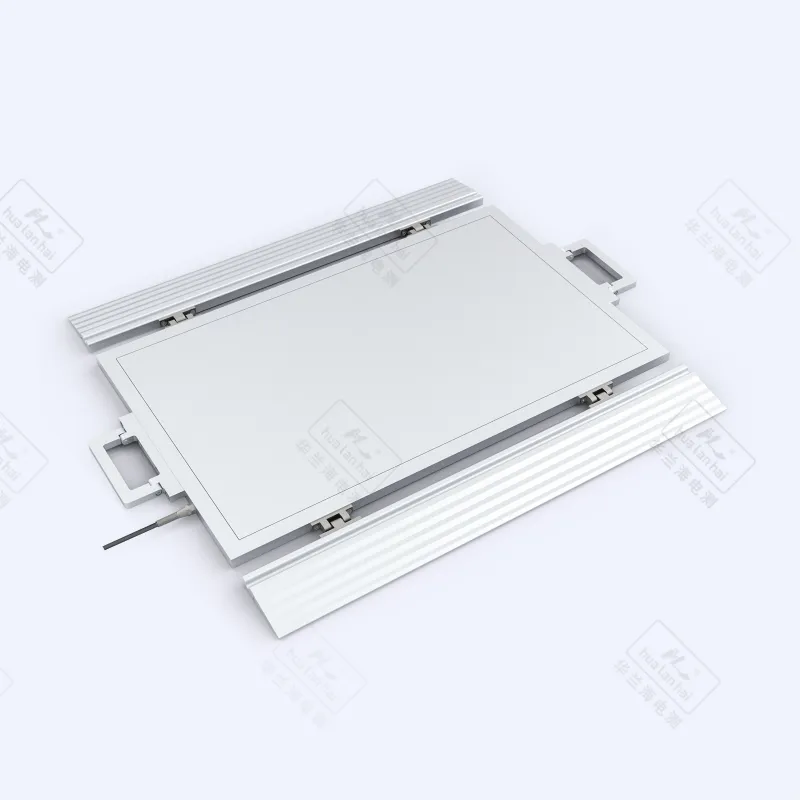
Modern transportation and logistics operations demand precise weight measurements to ensure compliance with regulatory standards while maximizing operational efficiency. A portable axle scale represents a revolutionary advancement in mobile weighing technology, providing businesses with the flexibility to conduct accurate weight measurements directly at their operational sites. These innovative weighing solutions eliminate the need for costly trips to certified weigh stations, significantly reducing downtime and operational expenses while maintaining the highest standards of measurement accuracy.
The integration of portable weighing technology into daily operations transforms how companies approach weight management and regulatory compliance. Industries ranging from construction and agriculture to waste management and transportation benefit from the convenience and accuracy that modern portable axle scale systems provide. These advanced systems offer real-time weight data, enabling immediate decision-making and preventing potential overloading violations that could result in substantial fines and operational delays.
Understanding Portable Axle Scale Technology
Core Components and Design Features
The fundamental architecture of a portable axle scale incorporates precision load cells, digital indicators, and robust platform construction designed to withstand harsh operational environments. Advanced models feature wireless connectivity, allowing operators to monitor weight measurements from remote locations while maintaining complete control over the weighing process. The scale platforms typically utilize aircraft-grade aluminum or steel construction, ensuring durability while maintaining portability for frequent relocation between job sites.
Modern portable axle scale systems integrate sophisticated digital processing capabilities that provide enhanced measurement accuracy and data logging functionality. These systems often include automated calibration features, temperature compensation algorithms, and anti-vibration technology to ensure consistent performance across varying environmental conditions. The user interface typically features large, easy-to-read displays with intuitive controls that minimize operator training requirements while maximizing measurement efficiency.
Weight Measurement Principles
The operational principle behind portable axle scale technology relies on precision strain gauge load cells that convert mechanical force into electrical signals. When a vehicle's axle is positioned on the scale platform, the distributed weight creates measurable deformation in the load cells, which is then processed through advanced analog-to-digital conversion systems. This process delivers highly accurate weight measurements typically within 0.1% of the actual weight, meeting or exceeding industry standards for commercial weighing applications.
Advanced portable axle scale models incorporate multi-point calibration systems that account for uneven surfaces and varying load distributions. The digital processing algorithms compensate for environmental factors such as wind, temperature fluctuations, and ground vibrations that could potentially affect measurement accuracy. This sophisticated approach ensures reliable weight data regardless of challenging field conditions commonly encountered in industrial operations.
Operational Efficiency Benefits
Time Savings and Productivity Enhancement
Implementation of portable axle scale technology dramatically reduces the time required for weight verification processes, eliminating lengthy trips to distant weigh stations. Operations teams can conduct multiple weight measurements throughout a single shift, enabling real-time load optimization and immediate compliance verification. This enhanced efficiency translates directly into increased productivity, allowing companies to handle more projects within existing operational timeframes while maintaining strict adherence to weight regulations.
The mobility aspect of a portable axle scale enables simultaneous multi-site operations, where teams can quickly relocate weighing equipment to match project requirements. This flexibility eliminates bottlenecks associated with centralized weighing facilities and enables continuous workflow optimization. Companies report significant improvements in project completion times when utilizing portable weighing solutions, as teams can make immediate loading adjustments based on real-time weight data.
Cost Reduction and ROI Optimization
The financial benefits of implementing portable axle scale systems extend beyond immediate operational cost savings to encompass long-term strategic advantages. Eliminating frequent trips to commercial weigh stations reduces fuel consumption, vehicle wear, and labor costs associated with transportation delays. Companies typically observe a complete return on investment within the first year of implementation, with ongoing savings continuing throughout the equipment's operational lifespan.
Portable weighing systems enable optimal load management, ensuring vehicles operate at maximum legal capacity without risking overweight violations. This optimization reduces the number of trips required to transport materials, lowering overall transportation costs while improving environmental sustainability. The ability to verify weights on-site also prevents costly fines and penalties associated with overweight violations, protecting companies from unexpected financial impacts.

Industry Applications and Use Cases
Construction and Heavy Equipment Operations
Construction companies utilize portable axle scale technology to ensure compliance with road weight limits while maximizing payload efficiency for material transportation. These systems enable precise loading of aggregate materials, concrete, and construction equipment, preventing costly overweight situations that could damage infrastructure or result in regulatory penalties. The portable axle scale becomes an essential tool for project managers seeking to optimize logistics while maintaining strict compliance standards.
Heavy equipment operators benefit from the ability to verify axle weights before transportation between job sites, ensuring safe and legal equipment movements. This capability is particularly valuable when transporting excavators, bulldozers, and other heavy machinery that approaches or exceeds standard weight limits. The portable nature of these scales allows for weight verification at equipment storage yards, construction sites, and temporary staging areas.
Agriculture and Livestock Management
Agricultural operations leverage portable axle scale technology for grain transportation, livestock weighing, and fertilizer distribution management. Farmers can verify truck weights at grain elevators, ensuring accurate commodity pricing while avoiding overweight penalties during transportation to market facilities. The mobility of portable weighing systems enables efficient harvest operations, where trucks can be weighed directly in fields before proceeding to storage or processing facilities.
Livestock operations utilize portable axle scale systems for accurate animal weighing, feed distribution monitoring, and transportation compliance verification. These applications support precision agriculture initiatives by providing detailed weight data that enables optimized feeding programs and accurate inventory management. The durability and portability of modern scales make them ideal for outdoor agricultural environments where traditional fixed scales would be impractical.
Technical Specifications and Performance Standards
Accuracy and Calibration Requirements
Professional-grade portable axle scale systems typically maintain measurement accuracy within 0.1% of full scale capacity, meeting or exceeding commercial trade standards established by regulatory authorities. These systems undergo rigorous calibration procedures using certified test weights to ensure consistent performance across varying operational conditions. Regular calibration verification protocols help maintain measurement integrity and support legal trade applications where weight accuracy is critical for financial transactions.
Advanced portable axle scale models incorporate automatic calibration verification systems that continuously monitor measurement accuracy and alert operators to potential calibration drift. These systems utilize internal reference standards and sophisticated algorithms to detect measurement inconsistencies before they impact operational accuracy. The integration of temperature compensation and environmental correction factors ensures reliable performance across wide temperature ranges and varying atmospheric conditions.
Durability and Environmental Resistance
Modern portable axle scale construction emphasizes rugged durability to withstand challenging operational environments commonly encountered in industrial applications. Weather-resistant enclosures protect electronic components from moisture, dust, and temperature extremes, while reinforced platform designs handle repeated loading cycles without compromising measurement accuracy. Many systems feature IP65 or higher protection ratings, ensuring reliable operation in harsh outdoor conditions.
The platform construction typically utilizes corrosion-resistant materials and protective coatings designed to maintain structural integrity despite exposure to chemicals, salt, and abrasive materials. Advanced shock absorption systems protect sensitive load cells from impact damage during transportation and setup, while anti-slip surface treatments ensure safe vehicle positioning during weighing operations. These design features contribute to extended operational lifespans and reduced maintenance requirements.
Installation and Setup Procedures
Site Preparation and Surface Requirements
Effective portable axle scale deployment begins with proper site preparation to ensure accurate measurements and safe operation. The weighing surface should be level, stable, and capable of supporting the combined weight of the scale platform and loaded vehicle. Temporary leveling procedures using adjustable feet or leveling blocks can accommodate minor surface irregularities, while significant slopes may require additional preparation or alternative positioning strategies.
Surface conditions directly impact measurement accuracy, requiring operators to assess and address potential issues such as soft ground, debris, or uneven surfaces before scale deployment. Proper drainage considerations prevent water accumulation under scale platforms, which could affect stability and measurement consistency. The setup process typically requires minimal time and equipment, enabling rapid deployment across multiple sites within a single operational period.
System Configuration and Calibration
Initial system configuration involves establishing communication between scale platforms, digital indicators, and data logging systems according to manufacturer specifications. Modern portable axle scale systems feature plug-and-play connectivity that simplifies setup procedures while ensuring reliable data transmission. Wireless systems require verification of signal strength and interference levels to maintain consistent communication throughout weighing operations.
Calibration procedures typically involve positioning certified test weights on scale platforms and adjusting system parameters to achieve specified accuracy levels. Advanced systems support multiple calibration modes including span calibration, linearity adjustment, and zero point verification to optimize performance for specific operational requirements. Regular calibration verification ensures ongoing measurement accuracy and supports compliance with applicable trade and regulatory standards.
Maintenance and Troubleshooting
Preventive Maintenance Protocols
Effective portable axle scale maintenance programs focus on preventing operational issues through regular inspection and servicing procedures. Daily maintenance tasks include visual inspection of platform surfaces, cable connections, and display units to identify potential problems before they impact measurement accuracy. Weekly cleaning procedures remove debris and contaminants that could affect load cell performance or platform stability during weighing operations.
Periodic calibration verification using certified test weights ensures ongoing measurement accuracy and identifies potential drift issues before they compromise operational reliability. Lubrication of mechanical components, inspection of cable integrity, and verification of wireless communication systems form essential elements of comprehensive maintenance programs. Proper storage procedures protect portable axle scale equipment from environmental damage during non-operational periods, extending equipment lifespan and maintaining measurement accuracy.
Common Issues and Solutions
Measurement inconsistencies often result from improper surface preparation, debris accumulation, or environmental interference affecting load cell performance. Systematic troubleshooting procedures help operators identify and resolve these issues quickly, minimizing operational disruptions. Temperature-related measurement variations can be addressed through proper warm-up periods and temperature compensation adjustments built into modern portable axle scale systems.
Wireless communication issues may arise from interference sources or signal obstruction, requiring repositioning of system components or adjustment of communication parameters. Battery-powered systems require regular charge monitoring and backup power planning to prevent measurement interruptions during critical operations. Comprehensive troubleshooting guides and technical support resources help operators maintain system reliability and measurement accuracy across diverse operational scenarios.
Future Technology Developments
Smart Connectivity and IoT Integration
The evolution of portable axle scale technology increasingly incorporates Internet of Things connectivity and cloud-based data management systems. These advanced features enable remote monitoring, automated data collection, and integration with enterprise resource planning systems for comprehensive operational oversight. Real-time data transmission capabilities support immediate decision-making and enable proactive maintenance scheduling based on usage patterns and performance metrics.
Artificial intelligence algorithms analyze weighing patterns and operational data to optimize loading procedures and predict maintenance requirements. Machine learning capabilities enable systems to adapt to specific operational environments and improve measurement accuracy over time. These technological advances position portable axle scale systems as integral components of modern digital logistics and fleet management ecosystems.
Enhanced Measurement Capabilities
Future portable axle scale developments focus on expanding measurement capabilities beyond basic weight determination to include center of gravity analysis, load distribution assessment, and dynamic weighing during vehicle movement. Advanced sensor integration enables comprehensive vehicle analysis, supporting enhanced safety protocols and optimized loading procedures. These expanded capabilities provide operators with detailed insights into vehicle dynamics and loading characteristics.
Miniaturization efforts aim to reduce system size and weight while maintaining or improving measurement accuracy and durability. Advanced materials and manufacturing techniques enable more compact designs that retain the robustness required for industrial applications. These developments enhance portability and ease of deployment, making portable axle scale technology accessible to a broader range of applications and operational scenarios.
FAQ
What is the typical accuracy range for portable axle scale systems?
Professional-grade portable axle scale systems typically achieve measurement accuracy within 0.1% to 0.2% of full scale capacity, which meets or exceeds commercial trade standards. This level of accuracy is sufficient for most regulatory compliance applications and commercial transactions. Higher-precision models can achieve even better accuracy under controlled conditions, while basic models may have slightly lower accuracy specifications that still meet industrial weighing requirements.
How quickly can a portable axle scale system be deployed and ready for operation?
Most portable axle scale systems can be deployed and operational within 15 to 30 minutes, depending on site conditions and system complexity. Simple single-axle systems may require only 10-15 minutes for setup, while multi-axle configurations with wireless connectivity might take 20-30 minutes. The setup time includes surface preparation, scale positioning, system calibration, and operational verification procedures necessary to ensure accurate measurements.
What maintenance requirements are necessary to ensure optimal performance?
Regular maintenance includes daily visual inspections, weekly cleaning procedures, and monthly calibration verification using certified test weights. Preventive maintenance also involves periodic inspection of cables, connectors, and mechanical components, along with proper storage procedures when equipment is not in use. Most manufacturers recommend annual professional calibration and inspection services to maintain measurement accuracy and extend equipment lifespan.
Can portable axle scale systems operate effectively in harsh weather conditions?
Modern portable axle scale systems are designed to operate reliably in challenging environmental conditions including rain, snow, extreme temperatures, and high humidity. Weather-resistant enclosures protect electronic components, while temperature compensation algorithms maintain measurement accuracy across wide temperature ranges. However, extreme conditions such as lightning storms or flooding may require temporary suspension of operations to protect equipment and ensure operator safety.
Table of Contents
- Understanding Portable Axle Scale Technology
- Operational Efficiency Benefits
- Industry Applications and Use Cases
- Technical Specifications and Performance Standards
- Installation and Setup Procedures
- Maintenance and Troubleshooting
- Future Technology Developments
-
FAQ
- What is the typical accuracy range for portable axle scale systems?
- How quickly can a portable axle scale system be deployed and ready for operation?
- What maintenance requirements are necessary to ensure optimal performance?
- Can portable axle scale systems operate effectively in harsh weather conditions?