
 EN
EN
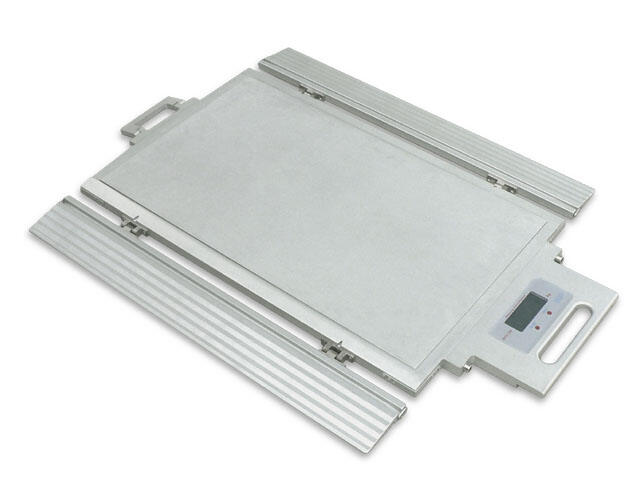
A portable axle scale represents a revolutionary advancement in vehicle weighing technology, providing accurate weight measurements for individual axles without requiring permanent installation or extensive infrastructure. These innovative weighing devices have transformed how transportation professionals, logistics companies, and regulatory agencies approach vehicle weight compliance and load distribution analysis. Understanding the functionality and applications of a portable axle scale is essential for anyone involved in commercial transportation, fleet management, or weight enforcement operations.
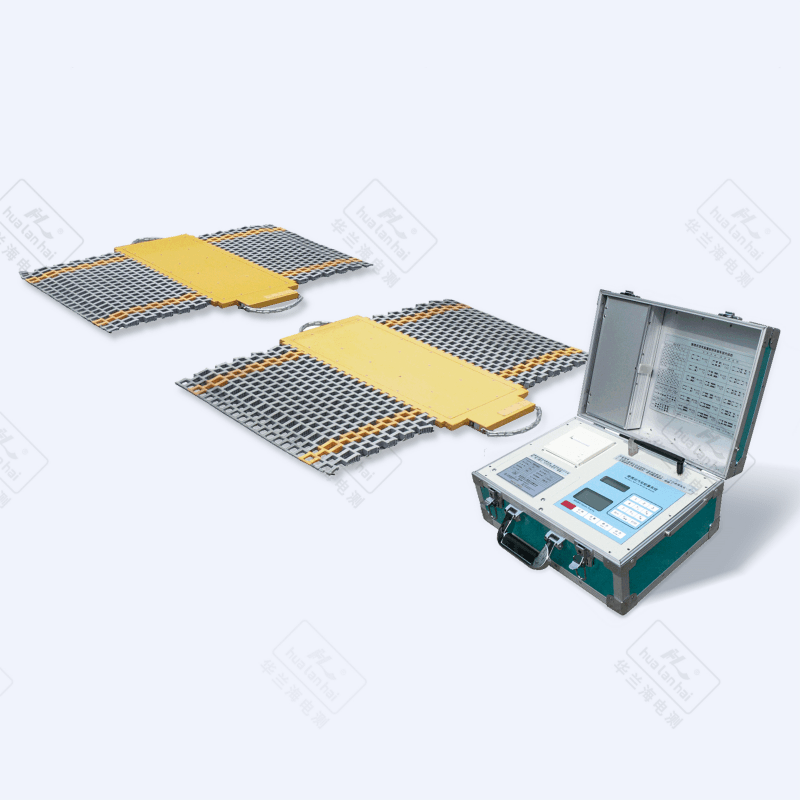
The evolution of portable weighing technology has made it possible to conduct precise vehicle weight assessments in virtually any location, from remote construction sites to busy distribution centers. Modern portable axle scale systems incorporate advanced load cell technology and digital instrumentation to deliver laboratory-grade accuracy in a compact, transportable format. This versatility has made them indispensable tools across multiple industries where weight compliance and load optimization are critical operational requirements.
Understanding Portable Axle Scale Technology
Core Components and Design Principles
The fundamental design of a portable axle scale centers around precision load cells that convert mechanical force into electrical signals. These load cells are strategically positioned within rugged aluminum or steel platforms designed to withstand the concentrated loads applied by vehicle axles. The platform construction typically features reinforced mounting points and shock-absorbing elements to ensure consistent performance under varying environmental conditions and repeated loading cycles.
Digital instrumentation systems integrated into portable axle scale units process the electrical signals from load cells and convert them into readable weight measurements. Advanced models incorporate microprocessor-based controllers that provide features such as automatic zero calibration, data logging capabilities, and wireless connectivity for remote monitoring applications. The combination of robust hardware and sophisticated software creates a measurement system capable of delivering accuracy levels comparable to permanent weighbridge installations.
Measurement Accuracy and Calibration Standards
Precision calibration protocols ensure that each portable axle scale maintains measurement accuracy within industry-specified tolerances. Most professional-grade systems achieve accuracy levels of plus or minus 0.1 percent of the applied load when properly calibrated and maintained according to manufacturer specifications. This level of precision meets or exceeds the requirements established by national weights and measures authorities for commercial weighing applications.
Regular calibration verification using certified test weights helps maintain the long-term accuracy of portable axle scale systems. Many units feature built-in calibration verification modes that allow operators to quickly confirm system accuracy before conducting critical weighing operations. Temperature compensation algorithms automatically adjust readings to account for thermal effects on load cell performance, ensuring consistent accuracy across varying environmental conditions.
Operational Methods and Measurement Procedures
Static Weighing Techniques
Static weighing represents the most common application method for portable axle scale systems, requiring vehicles to remain stationary during the measurement process. Operators position the scale platforms beneath individual axles or axle groups, ensuring proper alignment and complete contact between tires and platform surfaces. This method provides the highest accuracy levels and allows for detailed analysis of load distribution across multiple axles.
The static weighing process typically involves sequential measurement of each axle or axle group, with operators recording individual readings and calculating total vehicle weight. Advanced portable axle scale systems feature multiple platform configurations that can simultaneously weigh multiple axles, reducing measurement time and improving operational efficiency. Proper positioning techniques and operator training are essential for achieving consistent and accurate results using static weighing methods.
Dynamic Weighing Applications
Dynamic weighing capabilities enable portable axle scale systems to measure vehicle weights while vehicles are in motion, providing rapid screening capabilities for high-volume operations. This measurement approach requires specialized signal processing algorithms to compensate for the dynamic forces and vibrations associated with moving vehicles. While dynamic measurements typically exhibit slightly lower accuracy compared to static methods, they offer significant advantages in terms of operational throughput and traffic flow management.
Implementation of dynamic weighing procedures requires careful consideration of approach speeds, surface conditions, and environmental factors that can influence measurement accuracy. Most dynamic portable axle scale systems operate optimally at vehicle speeds between 3 and 10 miles per hour, providing a balance between measurement accuracy and operational efficiency. Advanced signal filtering and averaging algorithms help minimize the impact of vehicle dynamics and road surface irregularities on final weight measurements.
Industrial Applications and Use Cases
Transportation and Logistics Operations
Commercial transportation companies utilize portable axle scale technology to optimize load distribution and ensure compliance with weight regulations before vehicles enter public roadways. Fleet managers can quickly verify that individual axle loads remain within legal limits while maximizing payload capacity to improve operational profitability. The portability of these systems allows for weight verification at multiple loading locations without requiring permanent weighing infrastructure.
Distribution centers and shipping facilities integrate portable axle scale systems into their loading dock operations to verify outbound vehicle weights and prevent costly overweight violations. Real-time weight monitoring during the loading process enables operators to make immediate adjustments to cargo distribution, ensuring optimal weight compliance before departure. This proactive approach to weight management reduces the risk of regulatory penalties and minimizes vehicle wear associated with improper load distribution.
Construction and Mining Industries
Construction sites and mining operations rely on portable axle scale systems to monitor the weights of haul trucks, excavators, and other heavy equipment operating in remote locations. These applications require rugged weighing systems capable of withstanding harsh environmental conditions while maintaining measurement accuracy. Portable axle scale units designed for construction applications typically feature reinforced platforms and enhanced environmental protection to ensure reliable operation in demanding field conditions.
Mining operations use portable axle scale technology to optimize payload management for haul trucks operating between extraction sites and processing facilities. Accurate weight measurements enable operators to maximize truck utilization while preventing overloading that could damage equipment or create safety hazards. The mobility of these weighing systems allows for deployment at multiple locations throughout large mining operations, providing comprehensive weight monitoring capabilities across the entire site.
Technical Specifications and Performance Parameters
Load Capacity and Platform Dimensions
Portable axle scale systems are available in a wide range of load capacities to accommodate different vehicle types and operational requirements. Standard capacity options typically range from 20,000 pounds per axle for light commercial applications to 80,000 pounds per axle for heavy-duty industrial use. Platform dimensions vary accordingly, with typical widths ranging from 24 to 48 inches and lengths from 24 to 72 inches, depending on the intended application and axle configuration requirements.
Weight capacity selection must consider not only the maximum expected axle loads but also safety factors and potential dynamic loading conditions. Professional-grade portable axle scale systems typically incorporate safety factors of 150 to 200 percent of rated capacity to ensure reliable operation under demanding conditions. Platform construction materials and load cell specifications are carefully matched to provide optimal performance across the entire operating range while maintaining long-term durability.
Environmental Resistance and Durability Features
Environmental protection features ensure that portable axle scale systems maintain accuracy and reliability when exposed to challenging outdoor conditions. Sealed load cell enclosures protect sensitive electronics from moisture, dust, and temperature extremes commonly encountered in industrial applications. Corrosion-resistant materials and protective coatings extend operational life in environments with high humidity, salt exposure, or chemical contamination.
Temperature compensation systems automatically adjust measurements to account for thermal effects on load cell performance and structural components. Operating temperature ranges for professional portable axle scale systems typically extend from negative 40 degrees Fahrenheit to positive 150 degrees Fahrenheit, covering the full spectrum of environmental conditions encountered in most commercial applications. Advanced models feature heated load cells and temperature-controlled electronics to maintain accuracy in extreme cold conditions.
Installation and Setup Procedures
Site Preparation Requirements
Proper site preparation is essential for achieving optimal performance from portable axle scale installations. Level, stable surfaces provide the foundation for accurate weight measurements, with surface variations typically required to be within one-quarter inch over the platform area. Operators must evaluate surface conditions and make necessary adjustments using leveling plates or temporary surface preparations to ensure proper platform support.
Approach and exit ramps facilitate smooth vehicle transition onto and off of portable axle scale platforms, minimizing dynamic forces that could affect measurement accuracy. Temporary approach ramps constructed from steel plates or composite materials provide the necessary transition surfaces while maintaining portability advantages. Proper ramp design and installation help ensure that vehicle wheels make consistent contact with scale platforms throughout the weighing process.
System Configuration and Calibration
Initial system configuration involves connecting individual scale platforms to central display units and verifying proper communication between all system components. Modern portable axle scale systems feature plug-and-play connectivity with clearly marked cable connections to simplify setup procedures. Operators typically complete basic system configuration within 15 to 30 minutes, depending on the complexity of the installation and number of platforms involved.
Calibration verification using certified test weights ensures that the portable axle scale system provides accurate measurements before beginning operational use. Standard calibration procedures involve applying known weights across the platform surface and verifying that displayed readings match applied loads within specified tolerances. Documentation of calibration results provides traceability for quality assurance purposes and regulatory compliance requirements.
Maintenance and Quality Assurance
Preventive Maintenance Protocols
Regular maintenance schedules help ensure continued accuracy and reliability of portable axle scale systems throughout their operational life. Daily inspection procedures include visual examination of platform surfaces, cable connections, and display unit functions to identify potential issues before they impact measurement performance. Weekly maintenance tasks typically involve cleaning platform surfaces and verifying calibration using check weights or built-in calibration verification features.
Annual professional calibration services provide comprehensive system evaluation and adjustment to maintain measurement accuracy within specification limits. Certified technicians perform detailed load cell testing, signal pathway verification, and software updates during annual service visits. Documentation of maintenance activities and calibration results supports quality management systems and regulatory compliance requirements in commercial weighing applications.
Troubleshooting Common Issues
Common operational issues with portable axle scale systems often relate to environmental factors or improper setup procedures rather than equipment failures. Unstable readings frequently result from inadequate surface preparation or platform movement during weighing operations. Operators can resolve these issues by improving surface conditions, securing platform positions, or adjusting environmental protection measures.
Electronic interference from nearby equipment or communication systems can occasionally affect portable axle scale performance, resulting in erratic readings or communication failures. Proper cable routing, shielding installations, and frequency coordination help minimize interference issues in complex industrial environments. Advanced diagnostic features built into modern systems assist operators in identifying and resolving performance issues quickly and effectively.
Regulatory Compliance and Standards
Legal Weight Requirements
Federal and state regulations establish specific weight limits for commercial vehicles operating on public roadways, with portable axle scale systems playing a crucial role in verifying compliance with these requirements. Maximum gross vehicle weights typically range from 80,000 to 120,000 pounds depending on vehicle configuration and permit restrictions. Individual axle weight limits generally range from 12,000 to 20,000 pounds for steering axles and 34,000 pounds for drive and trailer axles.
Bridge formula calculations determine maximum allowable weights based on axle spacing and overall vehicle length, requiring accurate axle weight measurements to ensure compliance. Portable axle scale systems provide the measurement capability necessary to verify compliance with these complex regulations before vehicles enter public roadways. Proper documentation of weight measurements supports legal compliance and provides evidence of due diligence in weight management programs.
Industry Standards and Certification
National Institute of Standards and Technology guidelines establish accuracy requirements and testing procedures for commercial weighing equipment, including portable axle scale systems. NTEP certification provides verification that weighing equipment meets prescribed accuracy and performance standards for commercial applications. Users should select portable axle scale systems that carry appropriate certifications for their intended applications and regulatory requirements.
International Organization for Standardization standards provide additional guidance for quality management systems and measurement procedures related to portable weighing applications. ISO 9001 quality management principles apply to both equipment manufacturing processes and operational procedures for portable axle scale systems. Adherence to recognized standards helps ensure consistent performance and regulatory acceptance across diverse applications and jurisdictions.
FAQ
What factors affect the accuracy of portable axle scale measurements
Several factors influence the accuracy of portable axle scale measurements, with surface conditions being among the most critical. Level, stable surfaces provide optimal measurement conditions, while uneven or soft surfaces can introduce errors. Environmental factors such as temperature variations, wind, and vibration also impact accuracy. Proper calibration, regular maintenance, and adherence to manufacturer operating procedures help maintain measurement precision within specified tolerances.
How long does it take to set up a portable axle scale system
Setup time for portable axle scale systems varies depending on the number of platforms and complexity of the installation. Simple single-axle configurations typically require 10 to 15 minutes for complete setup, while multi-axle systems may require 30 to 45 minutes. Factors affecting setup time include surface preparation requirements, cable routing complexity, and calibration verification procedures. Experienced operators can significantly reduce setup time through familiarity with equipment and standardized procedures.
What maintenance is required for portable axle scale systems
Routine maintenance for portable axle scale systems includes daily visual inspections, weekly cleaning of platform surfaces, and monthly calibration verification using check weights. Annual professional calibration services ensure continued accuracy and regulatory compliance. Proper storage in protective cases when not in use helps extend equipment life and maintain performance. Regular documentation of maintenance activities supports quality assurance programs and warranty requirements.
Can portable axle scales be used in all weather conditions
Most professional-grade portable axle scale systems are designed for operation in challenging weather conditions, with environmental protection features that enable use in rain, snow, and extreme temperatures. However, severe weather conditions such as ice formation, standing water, or high winds may affect measurement accuracy and operator safety. Manufacturers typically specify operating limits for temperature, humidity, and wind conditions to ensure optimal performance and safety during use.