
 EN
EN
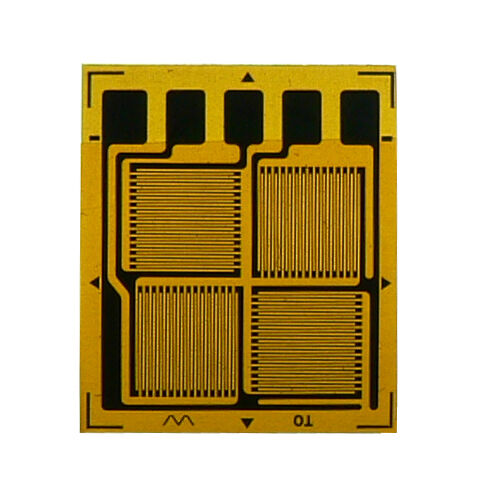
Engineers working with structural monitoring, material testing, and precision measurement applications face a critical decision when selecting the right strain gauge for their projects. The performance, accuracy, and reliability of these sensitive instruments directly impact the success of engineering measurements and the safety of structures under analysis. Understanding the key factors that influence strain gauge selection enables engineers to make informed decisions that optimize measurement quality while ensuring long-term durability in demanding environments.
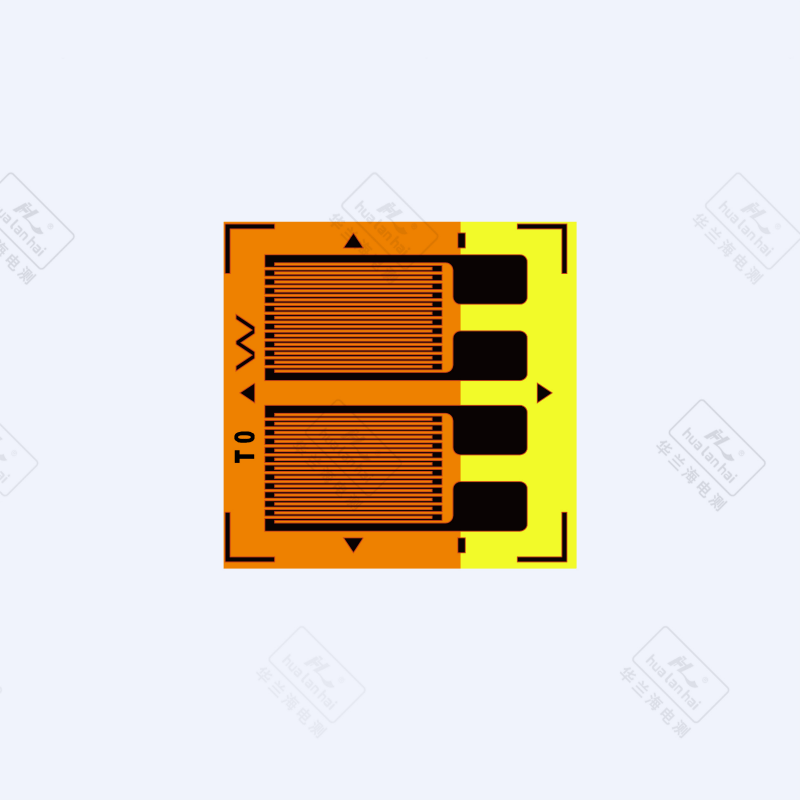
The selection process requires careful evaluation of multiple technical parameters, environmental conditions, and application-specific requirements. Modern strain gauge technology offers numerous configurations and specifications, making it essential for engineers to understand how different characteristics affect measurement performance. From gauge factor and temperature compensation to installation methods and signal conditioning requirements, each aspect plays a crucial role in achieving accurate and repeatable strain measurements.
Fundamental Strain Gauge Characteristics
Gauge Factor and Sensitivity
The gauge factor represents the fundamental sensitivity characteristic of any strain gauge, defining the relationship between mechanical strain and electrical resistance change. Most metallic strain gauges exhibit gauge factors between 2.0 and 2.2, while semiconductor strain gauges can achieve much higher values, sometimes exceeding 100. This parameter directly affects the output signal magnitude and measurement resolution capabilities.
Engineers must consider the trade-offs between high sensitivity and measurement stability when evaluating gauge factor requirements. While higher gauge factors provide stronger output signals, they may also introduce increased temperature sensitivity and nonlinearity effects. The choice depends on the specific application requirements, available signal conditioning equipment, and desired measurement accuracy levels.
Resistance Values and Electrical Characteristics
Standard strain gauge resistance values typically range from 120 ohms to 1000 ohms, with 350 ohms being the most common choice for general-purpose applications. The resistance value affects several important factors including power dissipation, signal-to-noise ratio, and compatibility with data acquisition systems. Lower resistance values may provide better signal transmission over long cable runs but require higher excitation currents.
The electrical characteristics of a strain gauge also include temperature coefficient of resistance, which influences measurement accuracy across varying temperature conditions. Engineers should evaluate these specifications in relation to their specific measurement environment and required accuracy levels. Proper matching between strain gauge electrical characteristics and signal conditioning equipment ensures optimal measurement performance.
Environmental Considerations for Strain Gauge Applications
Temperature Effects and Compensation
Temperature variations represent one of the most significant challenges in strain gauge measurements, affecting both the gauge itself and the test specimen. Thermal expansion differences between the strain gauge and substrate material can introduce apparent strain that masks the actual mechanical strain being measured. Understanding these thermal effects is crucial for selecting appropriate compensation methods.
Self-temperature-compensated strain gauges are designed to minimize thermal output when properly matched to specific substrate materials. The compensation is achieved through careful selection of the strain gauge alloy composition and heat treatment processes. However, perfect compensation is only achieved at specific temperatures, and engineers must understand the compensation characteristics across their expected operating temperature range.
Environmental Protection and Durability
The operating environment significantly influences strain gauge selection, particularly regarding protection requirements and expected service life. Factors such as humidity, chemical exposure, vibration, and mechanical abuse must be considered when choosing appropriate strain gauge construction and protection systems. Proper environmental protection ensures measurement accuracy and extends operational lifetime.
Different protection methods are available depending on the severity of environmental conditions. Basic applications may require only simple coating materials, while harsh environments demand fully encapsulated strain gauges with specialized protective systems. The protection level must be balanced against cost considerations and installation complexity requirements.
Installation and Mechanical Considerations
Substrate Material Compatibility
The substrate material properties directly affect strain gauge performance and selection criteria. Different materials exhibit varying thermal expansion coefficients, surface roughness characteristics, and chemical compatibility with adhesive systems. Engineers must ensure that the selected strain gauge construction and installation materials are compatible with the test specimen.
Surface preparation requirements vary significantly depending on substrate material and expected measurement duration. Metals typically require thorough cleaning and surface conditioning to achieve reliable adhesive bonds, while composite materials may need specialized surface treatments. The substrate's thermal and mechanical properties also influence the choice of adhesive systems and curing procedures.
Installation Method and Adhesive Selection
The installation method significantly impacts strain gauge performance and measurement quality. Proper adhesive selection considers factors such as operating temperature range, creep characteristics, chemical resistance, and curing requirements. Different adhesive systems offer specific advantages for particular applications, and the choice affects both short-term accuracy and long-term stability.
Installation procedures must ensure complete strain transfer from the test specimen to the strain gauge sensing element. Air bubbles, incomplete adhesive coverage, or inadequate curing can compromise measurement accuracy and introduce measurement errors. The selected strain gauge should be compatible with available installation equipment and operator skill levels.
Application-Specific Requirements
Measurement Range and Accuracy
The expected strain range and required measurement accuracy directly influence strain gauge selection criteria. Different strain gauge constructions offer varying measurement ranges and accuracy capabilities. High-precision applications may require specialized strain gauge designs with enhanced stability and reduced hysteresis characteristics.
Dynamic measurements introduce additional requirements regarding frequency response and fatigue resistance. Strain gauge construction affects both parameters, with thin backing materials typically providing better frequency response but potentially reduced durability. Engineers must balance these requirements based on specific application demands and expected service conditions.
Signal Conditioning and Data Acquisition Interface
The strain gauge must be compatible with available signal conditioning equipment and data acquisition systems. Different strain gauge configurations require specific bridge completion and excitation arrangements. The choice between quarter-bridge, half-bridge, or full-bridge configurations affects measurement sensitivity, temperature compensation, and installation complexity.
Modern data acquisition systems often include built-in strain gauge signal conditioning capabilities, but engineers must verify compatibility with selected strain gauge specifications. Factors such as excitation voltage requirements, input impedance characteristics, and calibration procedures must be considered during the selection process.
Cost and Lifecycle Considerations
Initial Cost versus Long-term Value
While initial strain gauge cost is often a significant consideration, engineers should evaluate total cost of ownership including installation labor, calibration requirements, and expected service life. Higher-quality strain gauges may justify increased initial costs through improved accuracy, extended service life, and reduced maintenance requirements.
The complexity of installation procedures also affects total project costs. Strain gauges requiring specialized installation techniques or environmental protection systems may increase labor costs but provide better long-term performance. Engineers should consider these factors when comparing different strain gauge options for their specific applications.
Availability and Supply Chain Considerations
The availability of strain gauge products and technical support affects both project timeline and long-term maintenance capabilities. Selecting strain gauge products from established manufacturers with reliable supply chains reduces the risk of project delays and ensures continued availability for replacement or expansion needs.
Technical support availability is particularly important for complex applications or when working with new strain gauge technologies. Manufacturers offering comprehensive technical documentation, application support, and training resources can significantly reduce implementation risks and improve measurement success rates.
Quality Assurance and Calibration
Manufacturing Quality Standards
The manufacturing quality standards and quality assurance procedures used in strain gauge production directly affect measurement reliability and consistency. Different manufacturers employ varying quality control processes, and engineers should understand these differences when selecting strain gauge suppliers for critical applications.
Certification requirements may dictate specific quality standards for certain applications, particularly in aerospace, nuclear, or medical device industries. Strain gauge products meeting these standards typically undergo more rigorous testing and documentation procedures, which may justify higher costs for critical applications.
Calibration Requirements and Traceability
Calibration requirements vary significantly depending on measurement accuracy needs and applicable standards or regulations. Some applications require individual strain gauge calibration with traceable references, while others may accept batch calibration certificates or nominal specifications.
The calibration process itself may influence strain gauge selection, particularly regarding stability during calibration procedures and compatibility with available calibration equipment. Engineers should consider these requirements early in the selection process to ensure compatibility with quality assurance procedures.
FAQ
What is the most important factor when selecting a strain gauge for high-temperature applications
Temperature compensation and thermal stability are the most critical factors for high-temperature strain gauge applications. Engineers should select strain gauges specifically designed for the expected temperature range, with appropriate backing materials and adhesive systems. Self-temperature-compensated strain gauges matched to the substrate material help minimize thermal output errors, while specialized high-temperature adhesives ensure reliable strain transfer throughout the operating temperature range.
How does gauge length affect strain gauge performance
Gauge length affects the spatial resolution and averaging characteristics of strain measurements. Shorter gauge lengths provide better spatial resolution for measuring strain gradients or localized effects, while longer gauge lengths average strain over larger areas and may provide better signal-to-noise ratios. The choice depends on the specific measurement requirements, with structural applications typically using longer gauge lengths and material testing applications often requiring shorter lengths for precise measurement location control.
What are the key differences between metallic and semiconductor strain gauges
Metallic strain gauges offer excellent stability, wide temperature ranges, and predictable characteristics, making them suitable for most general-purpose applications. They typically exhibit gauge factors around 2.0 and provide reliable long-term performance. Semiconductor strain gauges provide much higher sensitivity with gauge factors often exceeding 50, but they exhibit greater temperature sensitivity and nonlinearity effects. The choice between technologies depends on sensitivity requirements, operating conditions, and acceptable complexity in signal conditioning systems.
How do environmental conditions affect strain gauge selection
Environmental conditions significantly influence strain gauge construction and protection requirements. High humidity environments require moisture-resistant backing materials and protective coatings to prevent degradation. Chemical exposure may necessitate specialized barrier materials or fully encapsulated strain gauge designs. Vibration and mechanical abuse require robust construction with appropriate backing material thickness and adhesive systems. Engineers must carefully evaluate all environmental factors and select strain gauge products with appropriate protection levels to ensure reliable long-term performance.