
 EN
EN
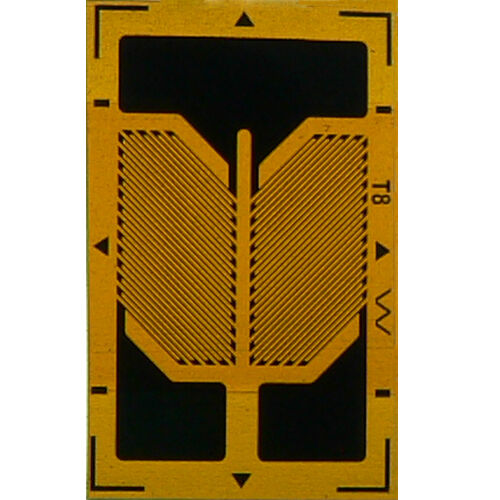
A strain gauge represents one of the most fundamental and widely used sensors in modern engineering and industrial applications. This precision instrument enables engineers to measure minute deformations in materials and structures with remarkable accuracy. The technology behind strain gauge systems has revolutionized how we monitor structural integrity, test materials, and ensure safety across countless industries. Understanding the principles and applications of strain gauge technology becomes essential for professionals working in mechanical engineering, aerospace, construction, and manufacturing sectors.
Fundamental Principles of Strain Gauge Operation
Electrical Resistance Changes in Metallic Conductors
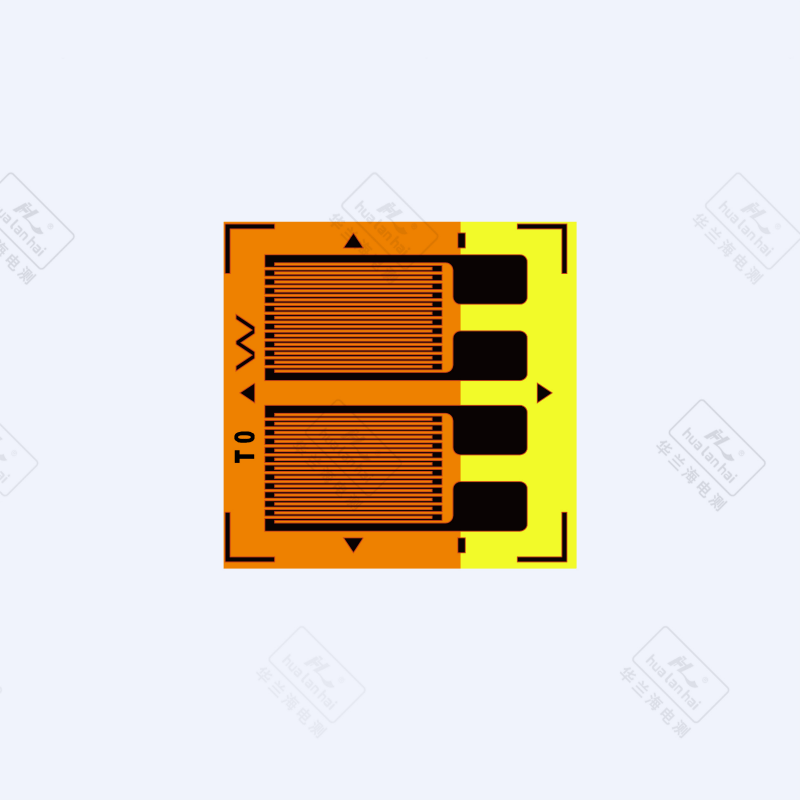
The operation of a strain gauge relies on the fundamental property of electrical resistance changes in metallic conductors when subjected to mechanical deformation. When a conductor experiences strain, its length, cross-sectional area, and resistivity all undergo changes that directly affect its electrical resistance. This relationship forms the foundation of strain gauge measurement technology. The strain gauge consists of a fine wire or foil pattern arranged in a serpentine configuration, bonded to a backing material that can be attached to the test specimen.
The mathematical relationship governing strain gauge operation follows Ohm's law and the gauge factor principle. As the test material deforms under applied forces, the strain gauge deforms proportionally, causing its resistance to change in a predictable manner. This resistance change, though minute, can be measured with high precision using specialized electronic circuits. The sensitivity of a strain gauge system depends on the gauge factor, which represents the ratio of relative resistance change to the applied strain.
Gauge Factor and Sensitivity Characteristics
The gauge factor serves as a critical parameter determining the sensitivity and accuracy of strain gauge measurements. Typical metallic strain gauges exhibit gauge factors ranging from 2.0 to 2.2, meaning that a strain of 1000 microstrain produces approximately a 0.2% change in electrical resistance. This relationship remains linear within the elastic range of most engineering materials, ensuring accurate and repeatable measurements. Understanding the gauge factor becomes crucial for proper calibration and data interpretation in strain gauge applications.
Temperature compensation represents another fundamental aspect of strain gauge operation. Changes in ambient temperature can introduce apparent strain readings due to thermal expansion effects and temperature-dependent resistance variations. Modern strain gauge systems incorporate temperature compensation techniques, including dummy gauges and self-temperature-compensated designs, to minimize these effects and maintain measurement accuracy across varying environmental conditions.
Construction and Design Elements
Sensing Element Configuration
The sensing element of a strain gauge typically consists of a metallic foil or wire arranged in a grid pattern to maximize the length of conductor exposed to strain while maintaining a compact overall size. Common materials include constantan, karma alloy, and platinum-tungsten alloys, each selected for specific characteristics such as gauge factor, temperature coefficient, and long-term stability. The foil pattern design optimizes sensitivity in the primary measurement direction while minimizing cross-sensitivity to perpendicular strains.
Advanced strain gauge designs incorporate multiple sensing elements in rosette configurations to measure strain components in different directions simultaneously. Three-element rosettes enable complete strain analysis at a point, providing data for calculating principal strains and maximum shear strains. The geometric arrangement of sensing elements in rosette strain gauges follows precise angular relationships, typically 45 degrees or 60 degrees, to ensure accurate multi-directional strain measurements.
Backing Materials and Bonding Systems
The backing material plays a crucial role in strain gauge performance by providing mechanical support and electrical insulation for the sensing element. Common backing materials include polyimide films, phenolic resins, and epoxy-glass composites, each offering specific advantages for different applications. The backing material must exhibit excellent dimensional stability, low creep characteristics, and compatibility with the intended operating environment. Proper selection of backing materials ensures reliable strain transfer from the test specimen to the sensing element.
Bonding systems represent equally critical components that determine the quality of strain transfer and long-term reliability of strain gauge installations. Cyanoacrylate adhesives provide rapid curing for short-term measurements, while epoxy-based adhesives offer superior performance for long-term monitoring applications. The bonding process requires meticulous surface preparation, precise adhesive application, and controlled curing conditions to achieve optimal strain transfer characteristics and measurement accuracy.
Measurement Principles and Signal Conditioning
Wheatstone Bridge Configurations
The Wheatstone bridge circuit forms the foundation of most strain gauge measurement systems, converting small resistance changes into measurable voltage signals. Quarter-bridge configurations utilize a single active strain gauge with three fixed resistors, providing basic strain measurement capability with moderate sensitivity. Half-bridge arrangements employ two active strain gauges, offering improved sensitivity and temperature compensation when properly configured. Full-bridge circuits incorporate four active strain gauges, maximizing sensitivity while providing excellent common-mode rejection and temperature compensation.
Bridge completion networks and signal conditioning amplifiers play essential roles in converting the minute voltage changes from strain gauge bridges into usable engineering units. Modern strain gauge amplifiers provide programmable gain settings, filtering capabilities, and digital output formats for seamless integration with data acquisition systems. The selection of appropriate bridge configurations and signal conditioning equipment depends on measurement requirements, environmental conditions, and system accuracy specifications.
Data Acquisition and Processing Methods
Contemporary strain gauge systems incorporate sophisticated data acquisition hardware and software for real-time monitoring and analysis of structural behavior. High-resolution analog-to-digital converters enable precise measurement of small voltage changes, while advanced filtering algorithms remove noise and unwanted frequency components. Sampling rates must be carefully selected based on the dynamic characteristics of the measured phenomena, ensuring adequate frequency response without introducing aliasing errors.
Digital signal processing techniques enhance the quality and utility of strain gauge measurements through various mathematical operations. Real-time calculations can convert raw strain data into stress values, fatigue damage accumulation, or structural health indicators. Advanced systems incorporate wireless transmission capabilities, enabling remote monitoring of critical structures and equipment. Data logging functionality provides long-term trend analysis and predictive maintenance capabilities for industrial applications.
Industrial Applications and Use Cases
Structural Health Monitoring Systems
Structural health monitoring represents one of the most significant applications of strain gauge technology in modern engineering practice. Large-scale infrastructure projects, including bridges, buildings, and offshore platforms, rely on distributed strain gauge networks to monitor structural behavior under various loading conditions. These monitoring systems provide real-time assessment of structural integrity, enabling proactive maintenance strategies and enhanced safety protocols. The continuous monitoring capability of strain gauge systems helps identify potential problems before they develop into critical failures.
Aerospace applications utilize strain gauge technology for aircraft structural testing, in-flight monitoring, and certification programs. Wing loading tests, fuselage pressure monitoring, and landing gear strain analysis all depend on accurate strain gauge measurements. The harsh operating environment of aerospace applications demands specialized strain gauge designs with enhanced temperature stability, vibration resistance, and long-term reliability. Advanced composites and lightweight materials common in aerospace structures present unique challenges for strain gauge installation and interpretation.
Manufacturing Process Control
Manufacturing industries employ strain gauge sensors for process control, quality assurance, and equipment monitoring applications. Force measurement systems using strain gauge load cells enable precise control of pressing, forming, and assembly operations. Torque monitoring applications in rotating machinery utilize specialized strain gauge configurations to measure shaft twisting and power transmission. The real-time feedback provided by strain gauge systems improves product quality while reducing waste and production costs.
Material testing laboratories depend on strain gauge instrumentation for characterizing mechanical properties of engineering materials. Tensile testing, compression testing, and fatigue analysis all require accurate strain measurements to determine material constants and failure criteria. The versatility of strain gauge technology enables testing of diverse materials, from traditional metals to advanced composites and polymeric materials. Standardized testing procedures specify strain gauge requirements to ensure consistent and comparable results across different laboratories and testing facilities.
Installation Techniques and Best Practices
Surface Preparation and Mounting Procedures
Successful strain gauge installation begins with proper surface preparation to ensure optimal adhesion and strain transfer characteristics. The mounting surface must be clean, smooth, and free from contaminants that could affect bonding quality. Mechanical cleaning using abrasive papers removes surface oxidation and creates the proper surface texture for adhesive bonding. Chemical cleaning with appropriate solvents eliminates residual oils, fingerprints, and other organic contaminants that could compromise bond strength.
The actual mounting process requires careful attention to gauge alignment, adhesive application, and curing conditions. Precise alignment ensures that the strain gauge measures the intended strain component without introducing measurement errors due to misorientation. Adhesive application techniques vary depending on the specific adhesive system, but generally require thin, uniform coverage without air bubbles or excess material. Controlled curing conditions, including temperature and pressure application, ensure optimal bond development and long-term stability.
Environmental Protection and Long-Term Reliability
Environmental protection systems extend the operational life of strain gauge installations in challenging conditions. Moisture ingress represents one of the primary failure modes for strain gauge systems, requiring effective sealing and coating strategies. Protective coatings, including silicone compounds and polyurethane materials, provide barriers against moisture, chemicals, and mechanical damage. The selection of protection systems depends on the specific environmental conditions and expected service life requirements.
Long-term reliability considerations include thermal cycling effects, creep behavior, and stability characteristics of the complete measurement system. Thermal cycling can introduce fatigue effects in both the strain gauge and bonding system, potentially leading to measurement drift or complete failure. Creep effects in the adhesive bonding system can cause apparent strain changes over time, requiring careful material selection and installation procedures. Regular calibration and verification procedures help maintain measurement accuracy throughout the service life of strain gauge installations.
Advanced Technologies and Future Developments
Fiber Optic Strain Sensing Systems
Fiber optic strain sensing technology represents a significant advancement beyond traditional resistive strain gauge systems, offering unique advantages for specific applications. Fiber optic sensors utilize changes in light transmission characteristics to measure strain, providing immunity to electromagnetic interference and the ability to multiplex multiple sensors on a single fiber. Distributed sensing capabilities enable continuous strain measurement along the entire length of an optical fiber, providing spatial resolution impossible with discrete strain gauge installations.
Bragg grating sensors represent one of the most successful implementations of fiber optic strain measurement technology. These sensors exhibit excellent long-term stability, high accuracy, and the ability to measure both strain and temperature simultaneously. The wavelength-based measurement principle provides absolute readings that do not drift over time, making them ideal for permanent monitoring installations. However, the higher cost and complexity of fiber optic systems limit their application to specialized requirements where traditional strain gauge technology cannot meet performance requirements.
Wireless and Smart Sensor Networks
Wireless strain gauge systems eliminate the need for extensive cabling in large-scale monitoring applications, reducing installation costs and enabling measurements in previously inaccessible locations. Advanced wireless nodes incorporate local signal processing capabilities, data storage, and battery management systems for autonomous operation. Mesh networking protocols enable robust communication between sensors and central monitoring stations, providing redundancy and extended range capabilities for distributed monitoring networks.
Smart sensor technologies integrate advanced computational capabilities directly into strain gauge systems, enabling local processing, analysis, and decision-making functions. Edge computing capabilities reduce data transmission requirements while providing real-time analysis of structural behavior. Machine learning algorithms can identify abnormal patterns and predict potential failures based on historical strain data. These intelligent systems represent the future direction of strain gauge technology, combining traditional measurement accuracy with modern digital capabilities.
FAQ
What factors affect the accuracy of strain gauge measurements?
Several factors influence strain gauge measurement accuracy, including temperature effects, installation quality, and electrical interference. Temperature variations can cause apparent strain readings due to thermal expansion of both the gauge and test material. Proper temperature compensation techniques and careful material selection help minimize these effects. Installation quality, particularly the bonding process and surface preparation, directly impacts strain transfer efficiency and measurement accuracy. Electrical interference from nearby equipment can introduce noise into the measurement signal, requiring proper shielding and grounding practices.
How do you select the appropriate strain gauge for a specific application?
Strain gauge selection depends on several key parameters including the expected strain range, operating temperature, environmental conditions, and required accuracy. The gauge length should be appropriate for the strain field being measured, with shorter gauges providing better spatial resolution but potentially higher noise levels. Resistance values typically range from 120 to 1000 ohms, with higher resistances offering better signal-to-noise ratios but requiring more careful handling. Environmental factors such as humidity, chemical exposure, and vibration levels influence the choice of backing materials and protective coatings.
What are the common failure modes in strain gauge systems?
Common strain gauge failure modes include bond degradation, lead wire fatigue, and moisture infiltration. Bond degradation occurs when the adhesive connection between the gauge and specimen deteriorates, leading to reduced strain transfer and measurement drift. Lead wire fatigue results from repeated flexing or vibration, causing intermittent connections or complete wire breakage. Moisture infiltration can cause corrosion of the metallic sensing element and changes in electrical properties. Proper installation techniques, environmental protection, and regular maintenance help prevent these failure modes and ensure reliable long-term operation.
Can strain gauges measure dynamic or high-frequency phenomena?
Yes, strain gauges can effectively measure dynamic and high-frequency strain variations, with frequency response capabilities extending well into the kilohertz range for properly designed systems. The frequency response depends on several factors including the gauge size, bonding system stiffness, and signal conditioning electronics. Smaller gauges generally exhibit higher frequency response due to reduced mass and improved mechanical coupling. The complete measurement system, including cables, amplifiers, and data acquisition hardware, must be designed to preserve the high-frequency content of the strain signals for accurate dynamic measurements.