
 EN
EN
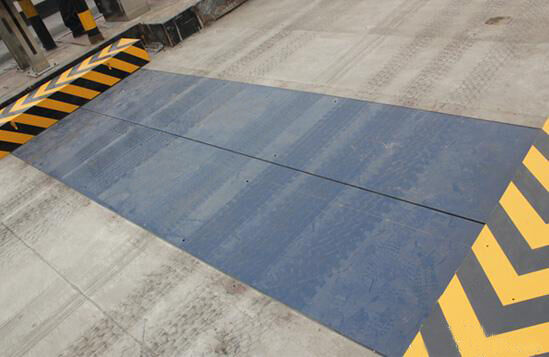
Modern engineering applications require precise measurement and monitoring solutions that can withstand demanding industrial environments while delivering accurate data. When selecting a bending plate system for structural analysis, load monitoring, or material testing applications, engineers must evaluate multiple critical factors to ensure optimal performance and reliability. The complexity of modern engineering projects demands sophisticated sensing technologies that can provide real-time feedback on structural integrity, load distribution, and material behavior under various stress conditions.
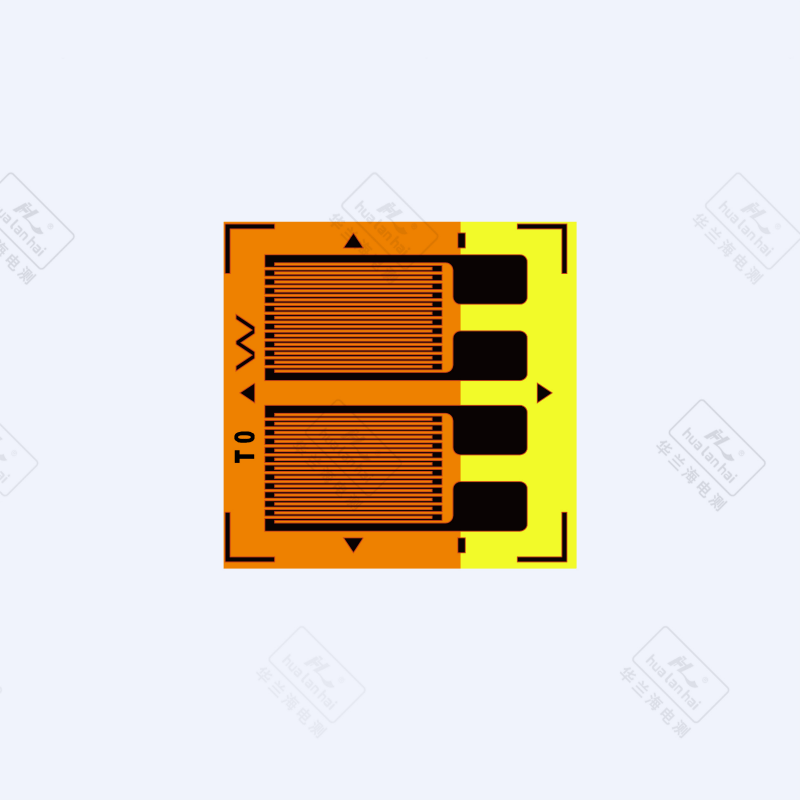
The selection process for a bending plate system involves comprehensive analysis of technical specifications, environmental conditions, and application requirements. Engineers must consider the mechanical properties of the sensing element, electrical characteristics of the measurement system, and compatibility with existing monitoring infrastructure. A well-chosen bending plate solution provides accurate strain measurements, excellent long-term stability, and resistance to environmental factors that could compromise measurement accuracy in industrial settings.
Fundamental Design Principles and Operating Mechanisms
Strain Measurement Technology and Signal Processing
The fundamental operating principle of a bending plate system relies on strain gauge technology integrated into a robust mechanical structure designed to measure deflection and load variations. When subjected to applied forces, the bending plate undergoes controlled deformation that generates measurable electrical signals proportional to the applied stress. Advanced signal processing electronics convert these minute electrical changes into calibrated output signals suitable for data acquisition systems and control applications.
Modern bending plate designs incorporate multiple strain gauges arranged in Wheatstone bridge configurations to enhance measurement sensitivity and temperature compensation. The electrical output characteristics of the system depend on the gauge factor, bridge excitation voltage, and mechanical properties of the substrate material. Engineers must understand these relationships to select appropriate amplification and signal conditioning equipment for their specific measurement requirements.
Mechanical Construction and Material Considerations
The mechanical design of a bending plate system significantly impacts measurement accuracy, durability, and environmental resistance. High-quality systems utilize precision-machined aluminum or steel substrates with carefully controlled geometric properties to ensure consistent mechanical behavior under varying load conditions. The substrate material selection affects temperature coefficient, elastic modulus, and fatigue resistance characteristics that directly influence long-term measurement stability.
Surface preparation and strain gauge bonding techniques play crucial roles in achieving reliable mechanical coupling between the sensing elements and the bending plate substrate. Professional-grade adhesives and curing processes ensure optimal strain transfer while maintaining electrical isolation and environmental protection. The mechanical mounting configuration must provide proper load introduction while minimizing unwanted stress concentrations that could affect measurement accuracy.
Technical Specifications and Performance Parameters
Sensitivity and Measurement Range Characteristics
The sensitivity specification of a bending plate system determines the minimum detectable load change and overall measurement resolution capabilities. Typical sensitivity values range from 1 to 5 millivolts per volt of excitation per applied load unit, depending on the mechanical design and strain gauge configuration. Engineers must match the sensitivity characteristics to their measurement range requirements while considering the available signal conditioning and data acquisition capabilities.
Measurement range specifications define the maximum load capacity and overload protection capabilities of the bending plate system. The linear operating range typically extends to 150-200% of the rated capacity, with safe overload protection to 300% or higher. Non-linearity specifications, usually expressed as a percentage of full-scale output, indicate the deviation from ideal linear response across the measurement range.
Temperature Compensation and Environmental Stability
Temperature coefficient specifications describe how the bending plate output varies with ambient temperature changes, typically expressed in parts per million per degree Celsius. Advanced designs incorporate temperature compensation techniques using matched strain gauge pairs or electronic correction algorithms to minimize temperature-induced measurement errors. The operating temperature range specification defines the environmental limits within which the system maintains specified accuracy.
Long-term stability characteristics indicate the expected measurement drift over extended operating periods under constant load conditions. Quality bending plate systems exhibit stability specifications of 0.02% to 0.05% of rated output per year, making them suitable for permanent installation monitoring applications. Environmental protection ratings specify resistance to moisture, dust, and chemical exposure that may be encountered in industrial environments.
Application-Specific Selection Criteria
Load Monitoring and Structural Analysis Applications
Structural monitoring applications require bending plate systems capable of detecting small load variations over extended periods while maintaining measurement accuracy under varying environmental conditions. The frequency response characteristics become important for dynamic loading applications, where the system must accurately capture load transients and vibration-induced stress variations. Engineers should verify that the natural frequency of the bending plate assembly exceeds the highest frequency components of interest by at least a factor of five.
Installation mounting considerations significantly impact measurement accuracy and system reliability in structural monitoring applications. The bending plate must be properly aligned with the primary load path while avoiding introduction of unwanted moment loads or lateral forces that could compromise measurement accuracy. Proper mechanical isolation from thermal expansion effects and vibration sources helps maintain measurement stability in permanent installation scenarios.
Material Testing and Quality Control Integration
Material testing applications demand bending plate systems with high resolution and excellent repeatability characteristics to detect subtle variations in material properties during quality control processes. The measurement uncertainty specification becomes critical when test results must meet stringent accuracy requirements or regulatory compliance standards. Engineers should evaluate the combined uncertainty contributions from the bending plate sensor, signal conditioning electronics, and data acquisition system.
Integration with automated testing equipment requires consideration of electrical output characteristics, response time specifications, and digital communication capabilities. Modern bending plate systems often incorporate built-in electronics with standardized analog outputs or digital communication interfaces compatible with industrial control systems. The selection process should verify compatibility with existing test equipment and data management systems used in the quality control environment.
Installation Requirements and System Integration
Mechanical Mounting and Load Introduction Methods
Proper mechanical mounting techniques are essential for achieving accurate and repeatable measurements with a bending plate system. The mounting hardware must provide rigid attachment to the supporting structure while ensuring proper load introduction through the designated loading points. Misalignment or improper load distribution can introduce measurement errors and reduce system reliability over time.
Load introduction methods vary depending on the specific application requirements and available mounting space. Some bending plate designs incorporate threaded loading studs or ball joint connections to accommodate minor misalignments while maintaining accurate load transfer. The mounting configuration should minimize unwanted forces and moments while providing adequate access for calibration and maintenance procedures.
Electrical Connections and Signal Conditioning Requirements
Electrical connection methods significantly impact measurement accuracy and system reliability, particularly in industrial environments with electromagnetic interference or temperature variations. High-quality bending plate systems utilize shielded cable connections with proper strain relief to prevent damage from vibration or thermal cycling. The cable length and routing should minimize electromagnetic pickup while maintaining signal integrity over the required transmission distance.
Signal conditioning requirements depend on the electrical output characteristics of the bending plate and the input specifications of the data acquisition system. Many applications require amplification, filtering, or linearization to optimize measurement performance for specific operating conditions. The signal conditioning electronics should provide adequate common-mode rejection and noise immunity to maintain measurement accuracy in electrically noisy industrial environments.
Calibration Procedures and Maintenance Considerations
Initial Calibration and Verification Methods
Initial calibration procedures establish the relationship between applied loads and electrical output signals for the complete bending plate measurement system. The calibration process typically involves application of known reference loads using certified weights or calibrated hydraulic loading systems. Multiple loading and unloading cycles help identify hysteresis characteristics and verify repeatability specifications.
Calibration verification should encompass the complete measurement range while documenting environmental conditions during the calibration process. Temperature effects on calibration accuracy require consideration when the operating environment differs significantly from calibration conditions. Proper documentation of calibration procedures and results provides traceability for quality assurance and regulatory compliance requirements.
Periodic Maintenance and Recalibration Scheduling
Maintenance schedules for bending plate systems depend on the operating environment, application criticality, and manufacturer recommendations. Routine inspections should verify mechanical mounting integrity, electrical connection condition, and overall system performance against established baseline measurements. Environmental factors such as temperature cycling, vibration exposure, and chemical contamination may accelerate degradation and require more frequent maintenance intervals.
Recalibration intervals typically range from six months to several years depending on accuracy requirements and operating conditions. Critical safety applications may require more frequent verification to ensure continued compliance with performance specifications. Trending analysis of calibration data helps identify gradual degradation patterns that may indicate the need for component replacement or system upgrades.
FAQ
What factors determine the accuracy of a bending plate measurement system?
The accuracy of a bending plate system depends on multiple factors including the mechanical design quality, strain gauge specifications, temperature compensation effectiveness, and proper installation techniques. Environmental conditions such as temperature variations, vibration levels, and electromagnetic interference can significantly impact measurement accuracy. Regular calibration verification and proper maintenance help maintain specified accuracy levels over the system's operational lifetime.
How do environmental conditions affect bending plate performance?
Environmental conditions including temperature, humidity, and vibration exposure can influence bending plate measurement accuracy and long-term stability. Temperature variations affect both the mechanical properties of the substrate material and the electrical characteristics of the strain gauges, requiring proper compensation techniques. Moisture ingress and chemical exposure can degrade electrical connections and strain gauge bonding, emphasizing the importance of appropriate environmental protection measures.
What maintenance procedures are required for optimal bending plate system performance?
Regular maintenance procedures include visual inspection of mechanical mounting components, verification of electrical connection integrity, and periodic calibration checks to ensure continued accuracy. Cleaning procedures should remove accumulated debris or contamination that could affect mechanical performance while avoiding damage to sensitive strain gauge elements. Documentation of maintenance activities and performance trends helps identify potential issues before they impact measurement reliability.
How should engineers evaluate different bending plate manufacturers and product options?
Engineers should evaluate bending plate manufacturers based on technical specifications, quality certifications, application experience, and long-term support capabilities. Comparison of sensitivity, accuracy, and environmental specifications helps identify products suitable for specific application requirements. Manufacturer reputation, calibration services availability, and technical support quality are important factors for successful long-term system implementation and maintenance.
Table of Contents
- Fundamental Design Principles and Operating Mechanisms
- Technical Specifications and Performance Parameters
- Application-Specific Selection Criteria
- Installation Requirements and System Integration
- Calibration Procedures and Maintenance Considerations
-
FAQ
- What factors determine the accuracy of a bending plate measurement system?
- How do environmental conditions affect bending plate performance?
- What maintenance procedures are required for optimal bending plate system performance?
- How should engineers evaluate different bending plate manufacturers and product options?