
 EN
EN
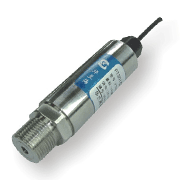
Modern industrial operations rely heavily on accurate pressure measurements to maintain optimal performance and safety standards. The reliability and longevity of any pressure sensor directly impacts operational efficiency, measurement accuracy, and overall system performance. Understanding proper maintenance practices becomes essential for maximizing equipment investment and preventing costly downtime. Through systematic care and attention to detail, operators can significantly extend the operational lifespan of their pressure measurement instruments while maintaining precision and reliability throughout extended service periods.

Environmental Protection and Installation Considerations
Temperature Management and Thermal Protection
Temperature fluctuations represent one of the most significant threats to pressure sensor longevity and measurement accuracy. Extreme temperature variations can cause thermal stress within sensor components, leading to drift in calibration and potential mechanical failure over time. Proper thermal management involves implementing protective enclosures or heat shields when operating in high-temperature environments, while also ensuring adequate ventilation to prevent heat buildup around sensitive electronic components.
Establishing temperature monitoring protocols helps identify potential thermal stress conditions before they impact sensor performance. Regular temperature logging can reveal patterns that indicate when protective measures should be enhanced or when sensor placement might need adjustment. Installation locations should prioritize thermal stability while maintaining accessibility for routine maintenance and calibration procedures.
Moisture and Chemical Contamination Prevention
Environmental contamination poses serious risks to pressure sensor components, particularly in industrial settings where chemicals, moisture, and particulate matter are present. Implementing proper sealing solutions and selecting appropriate ingress protection ratings ensures long-term sensor reliability. Regular inspection of sealing gaskets, cable glands, and enclosure integrity prevents moisture intrusion that can cause corrosion and electronic component failure.
Chemical compatibility assessment becomes crucial when selecting protective materials and maintenance procedures. Understanding the specific chemical environment allows for appropriate selection of sensor materials and protective coatings that resist degradation. Routine cleaning protocols using compatible solvents and cleaning agents help maintain sensor accuracy while preventing buildup of contaminating substances that could affect measurement performance.
Calibration and Performance Verification
Scheduled Calibration Intervals and Procedures
Regular calibration represents the cornerstone of effective pressure sensor maintenance, ensuring measurement accuracy throughout the sensor's operational lifespan. Establishing appropriate calibration intervals depends on application criticality, environmental conditions, and manufacturer recommendations. High-precision applications may require monthly calibration verification, while less critical applications might operate effectively with quarterly or semi-annual calibration schedules.
Documentation of calibration results provides valuable insight into sensor drift patterns and helps predict when more frequent calibration might become necessary. Tracking calibration data over time reveals trends that indicate when a pressure sensor might be approaching the end of its useful service life or when environmental factors are impacting performance more significantly than expected.
Performance Monitoring and Drift Detection
Continuous monitoring of sensor performance parameters enables early detection of drift or degradation before it impacts critical process measurements. Implementing automated monitoring systems can track key performance indicators such as zero offset, span accuracy, and response time variations. These monitoring systems provide early warning of potential issues, allowing for proactive maintenance before sensor failure occurs.
Establishing baseline performance parameters during initial installation creates reference points for ongoing performance comparison. Regular comparison of current performance against established baselines helps identify gradual degradation trends that might otherwise go unnoticed until significant accuracy problems develop. This proactive approach enables timely maintenance interventions that extend sensor lifespan while maintaining measurement reliability.
Physical Maintenance and Component Care
Cleaning and Surface Preparation
Regular cleaning of pressure sensor surfaces and connections prevents accumulation of contaminants that can interfere with proper operation and measurement accuracy. Appropriate cleaning procedures vary depending on sensor materials and environmental conditions, but generally involve gentle removal of surface deposits using compatible cleaning solutions. Special attention should be paid to sensing ports, electrical connections, and mounting surfaces where contamination most commonly affects performance.
Cleaning frequency depends on environmental conditions and contamination levels, with heavily contaminated environments requiring more frequent attention. Using proper cleaning techniques prevents damage to sensitive sensor components while effectively removing harmful deposits. Avoiding abrasive cleaning materials and harsh chemicals protects sensor surfaces and maintains the integrity of protective coatings that resist corrosion and wear.
Connection Integrity and Electrical Maintenance
Electrical connections require regular inspection and maintenance to ensure reliable signal transmission and prevent connection-related failures. Loose or corroded connections can introduce measurement errors and create intermittent faults that are difficult to diagnose. Regular tightening of electrical connections, inspection of cable integrity, and verification of grounding systems help maintain signal quality and prevent electrical interference.
Proper cable management prevents mechanical stress on electrical connections that can lead to wire fatigue and connection failure over time. Using appropriate strain relief devices and routing cables to minimize movement and vibration exposure extends the lifespan of both the pressure sensor and its associated wiring. Regular inspection of cable routing and support systems ensures that mechanical stress remains within acceptable limits throughout the sensor's operational life.
Operational Best Practices and System Integration
Pressure Range Management and Overload Protection
Operating pressure sensors within their specified pressure ranges prevents mechanical stress and premature failure of sensing elements. Implementing overload protection systems, such as pressure relief valves or protective diaphragms, shields sensors from pressure spikes that could cause permanent damage. Understanding the relationship between operating pressure and sensor lifespan enables optimization of system design to maximize equipment longevity.
Monitoring pressure cycling frequency and amplitude helps predict when fatigue-related failures might occur in pressure sensor diaphragms or sensing elements. High-frequency pressure cycling accelerates wear and can reduce sensor lifespan significantly. Implementing pressure dampening systems or selecting sensors specifically designed for dynamic pressure applications helps mitigate these effects and extend operational life.
System Integration and Compatibility Considerations
Proper system integration ensures that pressure sensor performance is not compromised by incompatible system components or operational parameters. Verifying compatibility between sensor output signals and receiving instrumentation prevents signal conditioning issues that could affect measurement accuracy or damage sensor electronics. Regular system health checks verify that all components continue to operate within their design specifications.
Understanding the impact of system modifications on pressure sensor performance enables proactive assessment of maintenance requirements when system changes are implemented. Changes in operating conditions, fluid properties, or system configuration may require adjustment of maintenance schedules or procedures to maintain optimal sensor performance. Regular review of system operating parameters ensures that maintenance practices remain appropriate for current operating conditions.
Troubleshooting and Diagnostic Procedures
Common Failure Modes and Early Detection
Understanding common pressure sensor failure modes enables implementation of targeted maintenance strategies that address the most likely causes of sensor degradation. Typical failure modes include zero drift, span changes, increased noise, and complete signal loss. Early detection of these symptoms through regular performance monitoring allows for timely intervention before complete sensor failure occurs.
Diagnostic procedures should focus on systematic evaluation of sensor performance parameters, environmental conditions, and system integration factors that might contribute to performance degradation. Comprehensive diagnostic protocols help distinguish between sensor-related issues and system problems that might appear to be sensor failures. This systematic approach prevents unnecessary sensor replacement and ensures that root causes are properly addressed.
Maintenance Documentation and Record Keeping
Comprehensive maintenance documentation provides valuable insight into pressure sensor performance trends and helps optimize maintenance schedules based on actual operating experience. Detailed records of calibration results, cleaning procedures, environmental conditions, and performance observations create a historical database that supports predictive maintenance strategies and helps identify patterns that indicate when maintenance interventions are most effective.
Regular analysis of maintenance records reveals opportunities for improvement in maintenance procedures and helps identify sensors that may benefit from more frequent attention or different maintenance approaches. This data-driven approach to maintenance optimization ensures that resources are allocated effectively while maximizing sensor lifespan and performance reliability throughout extended service periods.
Advanced Maintenance Strategies and Technologies
Predictive Maintenance Implementation
Modern predictive maintenance approaches leverage advanced monitoring technologies to optimize maintenance schedules and prevent unexpected pressure sensor failures. Implementation of continuous monitoring systems enables real-time assessment of sensor health and performance trends. These systems can automatically alert maintenance personnel when performance parameters drift outside acceptable ranges, enabling proactive maintenance before critical failures occur.
Machine learning algorithms can analyze historical performance data to predict optimal maintenance timing and identify sensors that may require attention before traditional maintenance schedules would indicate. This approach maximizes sensor utilization while minimizing maintenance costs and preventing unexpected downtime. Integration of predictive maintenance strategies with existing maintenance programs creates comprehensive approaches that balance proactive care with resource efficiency.
Technology Integration and Remote Monitoring
Remote monitoring capabilities enable continuous oversight of pressure sensor performance without requiring physical presence at measurement locations. These systems can track multiple performance parameters simultaneously and provide centralized monitoring of sensor health across entire facilities. Remote monitoring is particularly valuable for sensors installed in hazardous or difficult-to-access locations where routine inspection is challenging or dangerous.
Integration of remote monitoring data with maintenance management systems creates comprehensive maintenance programs that combine automated monitoring with scheduled maintenance activities. This integrated approach ensures that both routine maintenance and condition-based maintenance needs are addressed systematically. Advanced monitoring systems can also provide diagnostic information that helps maintenance technicians prepare appropriate tools and replacement parts before arriving at sensor locations.
FAQ
How often should pressure sensors be calibrated to maintain accuracy
Calibration frequency for pressure sensors depends on application criticality, environmental conditions, and accuracy requirements. Most industrial applications benefit from quarterly calibration checks, while high-precision or critical applications may require monthly verification. Harsh environments or applications with frequent pressure cycling may necessitate more frequent calibration to maintain accuracy. Establishing calibration intervals based on actual drift patterns observed during initial operation periods helps optimize maintenance schedules for specific applications.
What environmental factors most significantly impact pressure sensor lifespan
Temperature extremes, chemical exposure, moisture, and vibration represent the most significant environmental threats to pressure sensor longevity. Temperature cycling causes thermal stress that can lead to mechanical fatigue and calibration drift over time. Chemical compatibility issues can cause material degradation and corrosion of sensor components. Moisture intrusion leads to corrosion and electronic component failure, while excessive vibration can cause mechanical wear and connection problems that reduce sensor reliability.
When should a pressure sensor be replaced rather than maintained
Pressure sensor replacement becomes necessary when calibration drift exceeds acceptable limits despite proper maintenance, when physical damage compromises sensor integrity, or when repair costs approach replacement costs. Sensors showing consistent drift patterns that require increasingly frequent calibration may indicate fundamental degradation that makes continued operation uneconomical. Complete signal loss, erratic behavior, or inability to maintain calibration typically indicate that replacement is more cost-effective than continued maintenance efforts.
What are the most effective methods for protecting pressure sensors from contamination
Effective contamination protection involves selecting appropriate enclosure ratings, implementing proper sealing systems, and establishing regular cleaning protocols. Using sensors with appropriate IP ratings for the operating environment prevents ingress of moisture and particulate matter. Chemical-resistant materials and protective coatings prevent degradation from chemical exposure. Regular cleaning using compatible solvents and proper techniques removes accumulated contaminants before they affect sensor performance or cause permanent damage to sensor components.