
 EN
EN
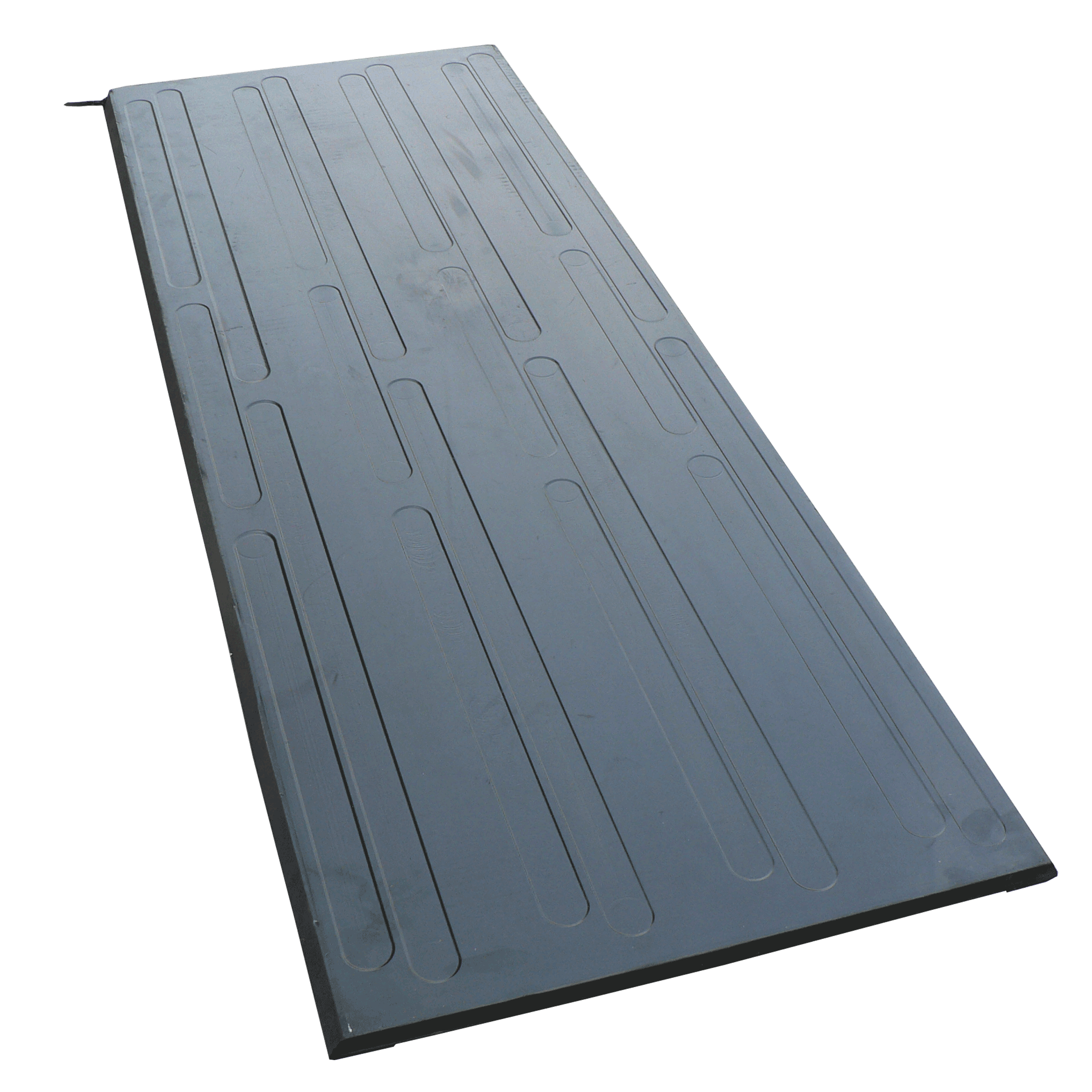
Industrial applications requiring precise force and strain measurements depend heavily on the reliable operation of bending plate systems. These critical components serve as the backbone of countless measurement and testing applications across manufacturing, automotive, aerospace, and research sectors. Understanding proper maintenance protocols ensures optimal performance, extends service life, and prevents costly downtime that can disrupt production schedules and compromise measurement accuracy.
The complexity of modern bending plate assemblies requires systematic maintenance approaches that address both mechanical and electrical components. Regular inspection protocols, calibration procedures, and preventive maintenance schedules form the foundation of effective system management. Professional engineers and technicians must understand the intricate relationships between environmental conditions, operational parameters, and component degradation patterns to implement successful maintenance strategies.
Essential Components Requiring Regular Inspection
Strain Gauge Element Assessment
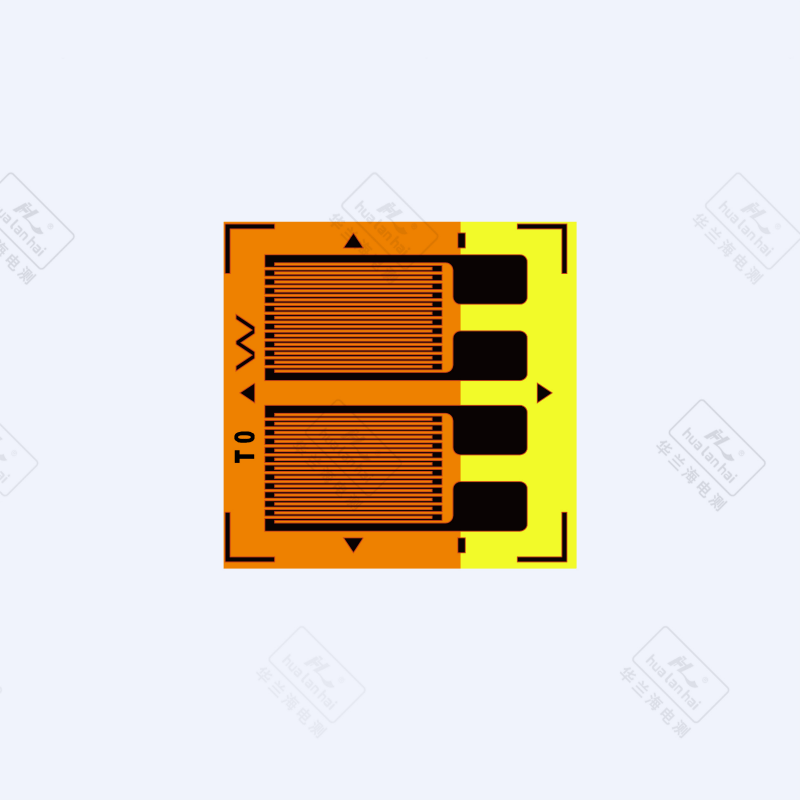
The strain gauge elements represent the most critical components within any bending plate assembly, requiring meticulous attention during routine inspections. These precision sensors convert mechanical deformation into electrical signals, making them susceptible to various forms of degradation including thermal stress, mechanical fatigue, and environmental contamination. Visual inspection should focus on detecting signs of cracking, delamination, or discoloration that might indicate compromised performance.
Electrical continuity testing forms another essential aspect of strain gauge assessment, utilizing specialized multimeters to verify proper resistance values and circuit integrity. Temperature coefficients and zero-balance characteristics should be documented and compared against manufacturer specifications to identify gradual drift patterns. Any deviation from established baselines warrants immediate investigation and potential component replacement to maintain measurement accuracy.
Mechanical Structure Evaluation
The mechanical integrity of the bending plate structure directly impacts measurement precision and system reliability. Regular inspection protocols must address potential issues including surface wear, dimensional changes, and structural deformation that can compromise strain distribution patterns. Precision measuring equipment should be employed to verify critical dimensions and surface finish specifications remain within acceptable tolerances.
Material fatigue assessment requires careful examination of high-stress regions where crack initiation is most likely to occur. Non-destructive testing methods such as magnetic particle inspection or dye penetrant testing provide valuable insights into subsurface defects that might not be visible during routine visual inspections. Documentation of any discovered anomalies enables trending analysis and proactive replacement scheduling.
Calibration and Performance Verification Procedures
Systematic Calibration Protocols
Accurate calibration represents the cornerstone of reliable bending plate operation, requiring standardized procedures that ensure traceability to national measurement standards. Multi-point calibration sequences should encompass the full operational range, utilizing certified reference loads and precision measurement equipment. The calibration process must account for temperature variations, loading rate effects, and long-term stability characteristics that influence measurement accuracy.
Modern bending plate systems often incorporate digital interfaces and automated calibration features that streamline the verification process. However, manual verification using independent measurement systems remains essential for validating automated calibration results and detecting potential systematic errors. Calibration certificates and documentation must be maintained according to quality management system requirements and regulatory compliance standards.
Performance Baseline Establishment
Establishing comprehensive performance baselines enables effective monitoring of system degradation and helps predict maintenance requirements before failures occur. Key performance indicators include linearity, repeatability, hysteresis, and temperature sensitivity characteristics that define overall system capability. Statistical analysis of baseline data provides valuable insights into normal variation patterns and helps establish appropriate acceptance criteria for ongoing performance monitoring.
Regular performance verification testing should be conducted using standardized test procedures that replicate actual operating conditions. This approach ensures that any changes in system behavior are detected early, allowing for proactive maintenance interventions before measurement accuracy is compromised. Trending analysis of performance data helps optimize maintenance intervals and identify recurring issues that might indicate design or operational problems.
Environmental Protection and Contamination Control
Moisture and Humidity Management
Environmental protection represents a critical aspect of bending plate maintenance, particularly in applications where exposure to moisture, chemicals, or extreme temperatures is unavoidable. Moisture ingress can cause significant degradation of electrical insulation properties and promote corrosion of metallic components. Sealed enclosures, desiccant systems, and environmental monitoring equipment help maintain optimal operating conditions and prevent moisture-related failures.
Humidity control strategies must be tailored to specific application requirements and environmental conditions. In high-humidity environments, active dehumidification systems may be necessary to maintain acceptable moisture levels. Regular inspection of sealing systems, gaskets, and protective coatings ensures continued effectiveness of environmental protection measures. Any signs of moisture ingress should be addressed immediately to prevent progressive damage to sensitive components.
Chemical Contamination Prevention
Chemical contamination poses significant threats to bending plate reliability, particularly in industrial environments where corrosive substances or cleaning agents may come into contact with system components. Protective coatings, chemical-resistant materials, and proper ventilation systems help minimize exposure risks. Regular cleaning procedures using approved solvents and techniques help remove accumulated contaminants before they can cause permanent damage.
Material compatibility considerations are essential when selecting cleaning agents and protective treatments for bending plate systems. Aggressive chemicals that might compromise strain gauge adhesives or protective coatings should be avoided. Environmental monitoring programs help identify potential contamination sources and enable proactive mitigation strategies. Personnel training on proper handling procedures reduces the risk of accidental contamination during maintenance activities.
Electrical System Maintenance Requirements
Cable and Connection Integrity
The electrical connections within bending plate systems require careful attention to ensure reliable signal transmission and prevent measurement errors. Cable inspection procedures should focus on identifying signs of wear, flexing fatigue, or insulation degradation that might compromise electrical performance. Connector integrity, proper sealing, and appropriate strain relief must be verified during routine maintenance activities.
Signal cable routing and support systems play crucial roles in maintaining electrical integrity and preventing mechanical damage. Cables should be properly secured to prevent excessive movement during system operation, and adequate clearance must be maintained from heat sources or sharp edges. Regular resistance and insulation testing using appropriate test equipment helps identify developing problems before they cause system failures or measurement inaccuracies.
Signal Conditioning Electronics
Modern bending plate systems incorporate sophisticated signal conditioning electronics that require specialized maintenance procedures and diagnostic techniques. Component aging, thermal cycling, and electrical stress can cause gradual degradation of electronic performance characteristics. Regular testing of amplifier gain, offset stability, and noise performance helps ensure continued measurement accuracy and system reliability.
Electronic component replacement procedures must follow manufacturer specifications and established quality control protocols. Static electricity protection measures are essential when handling sensitive electronic components, and proper component storage conditions help prevent premature degradation. Diagnostic software and automated test equipment can streamline electronic system verification and help identify specific component failures or performance degradation.
Preventive Maintenance Scheduling and Documentation
Maintenance Interval Optimization
Effective maintenance scheduling for bending plate systems requires careful balance between preventive maintenance costs and reliability requirements. Maintenance intervals should be based on manufacturer recommendations, historical failure data, and specific application conditions that influence component degradation rates. Statistical analysis of maintenance records helps optimize scheduling and identify opportunities for interval extension or reduction based on actual performance data.
Risk-based maintenance approaches consider the consequences of system failures and prioritize maintenance activities accordingly. Critical applications requiring high reliability may justify more frequent maintenance intervals, while less critical systems might operate successfully with extended intervals. Condition-based monitoring techniques can supplement scheduled maintenance and provide early warning of developing problems that require immediate attention.
Comprehensive Documentation Systems
Proper documentation forms the foundation of effective bending plate maintenance programs, providing historical records that enable trend analysis and continuous improvement initiatives. Maintenance records should include detailed descriptions of work performed, components replaced, test results, and any anomalies discovered during inspection activities. Digital documentation systems facilitate data analysis and help identify recurring issues or performance trends.
Quality management system requirements often mandate specific documentation protocols and record retention periods for measurement equipment maintenance. Calibration certificates, test reports, and maintenance logs must be readily accessible for regulatory audits and customer quality assessments. Standardized forms and procedures help ensure consistency in documentation practices and facilitate knowledge transfer between maintenance personnel.
Troubleshooting Common Issues
Signal Anomaly Investigation
Signal anomalies in bending plate systems can indicate various underlying problems ranging from simple calibration drift to serious component failures. Systematic troubleshooting procedures help identify root causes and guide appropriate corrective actions. Common symptoms include zero offset drift, reduced sensitivity, increased noise levels, and non-linear response characteristics that affect measurement accuracy and reliability.
Diagnostic testing procedures should follow logical sequences that systematically eliminate potential causes and focus investigation efforts on the most likely problem areas. Signal tracing techniques, component substitution methods, and comparative testing help isolate specific failure modes and determine appropriate repair strategies. Documentation of troubleshooting activities provides valuable information for future reference and helps build institutional knowledge about common failure patterns.
Performance Degradation Analysis
Performance degradation in bending plate systems often occurs gradually over extended periods, making detection challenging without systematic monitoring programs. Trending analysis of calibration data, measurement repeatability statistics, and environmental monitoring records helps identify developing problems before they compromise system performance. Early detection enables proactive maintenance interventions that minimize downtime and repair costs.
Root cause analysis techniques help identify underlying factors contributing to performance degradation and guide preventive measures to avoid recurrence. Environmental factors, operational stress levels, and maintenance practices all influence system degradation rates and should be considered when analyzing performance trends. Corrective action implementation must address both immediate symptoms and underlying causes to ensure long-term reliability improvements.
FAQ
How often should bending plate calibration be performed
Calibration frequency for bending plate systems depends on several factors including application criticality, environmental conditions, and regulatory requirements. Most applications benefit from quarterly or semi-annual calibration schedules, though critical measurements may require monthly verification. High-stress environments or extreme temperature conditions may necessitate more frequent calibration to maintain accuracy requirements.
What are the most common causes of bending plate failure
The most common failure modes include strain gauge fatigue due to excessive loading cycles, moisture ingress causing electrical insulation breakdown, and mechanical damage from improper handling or installation. Environmental contamination, temperature extremes, and inadequate maintenance also contribute significantly to premature failures. Proper installation procedures and regular maintenance substantially reduce failure risks.
Can bending plate systems operate reliably in harsh industrial environments
Modern bending plate designs incorporate robust environmental protection features that enable reliable operation in challenging industrial conditions. Sealed enclosures, protective coatings, and temperature compensation techniques help maintain performance in harsh environments. However, proper selection of environmental protection levels and regular maintenance remain essential for long-term reliability in demanding applications.
What diagnostic equipment is recommended for bending plate maintenance
Essential diagnostic equipment includes precision multimeters for electrical testing, calibrated load cells for performance verification, and environmental monitoring instruments for condition assessment. Specialized strain gauge test equipment, insulation testers, and signal analysis tools provide additional diagnostic capabilities. Investment in quality test equipment pays dividends through improved maintenance effectiveness and reduced troubleshooting time.