
 EN
EN
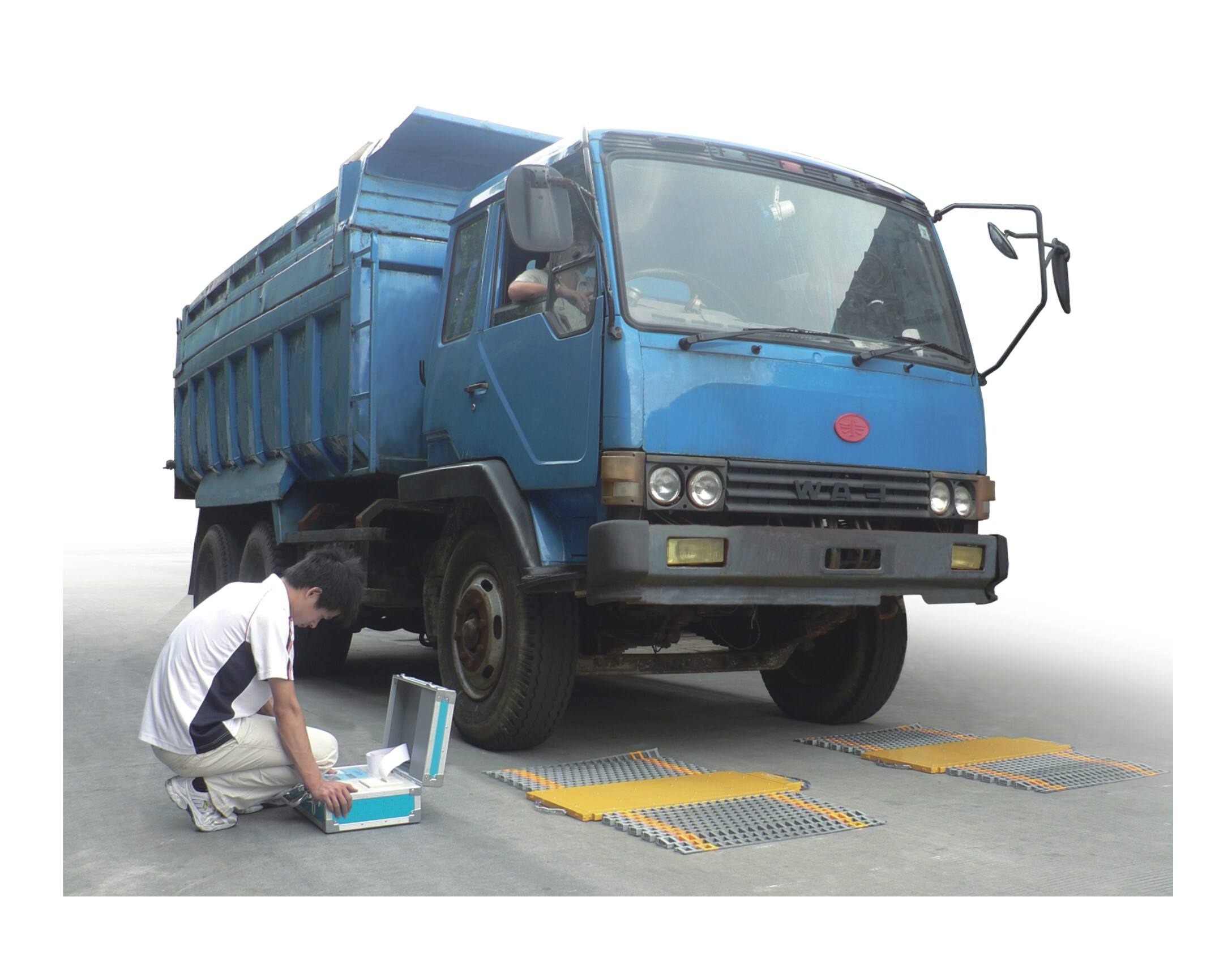
In today's technology-driven world, precision and accuracy have become paramount across virtually every industry. From pharmaceutical laboratories to industrial manufacturing, the demand for reliable measurement tools has never been greater. Among these essential instruments, the digital weighing scale stands out as a revolutionary advancement that has transformed how we approach weight measurement. Unlike traditional mechanical alternatives, modern digital weighing systems offer unprecedented accuracy, versatility, and integration capabilities that make them indispensable in contemporary applications.
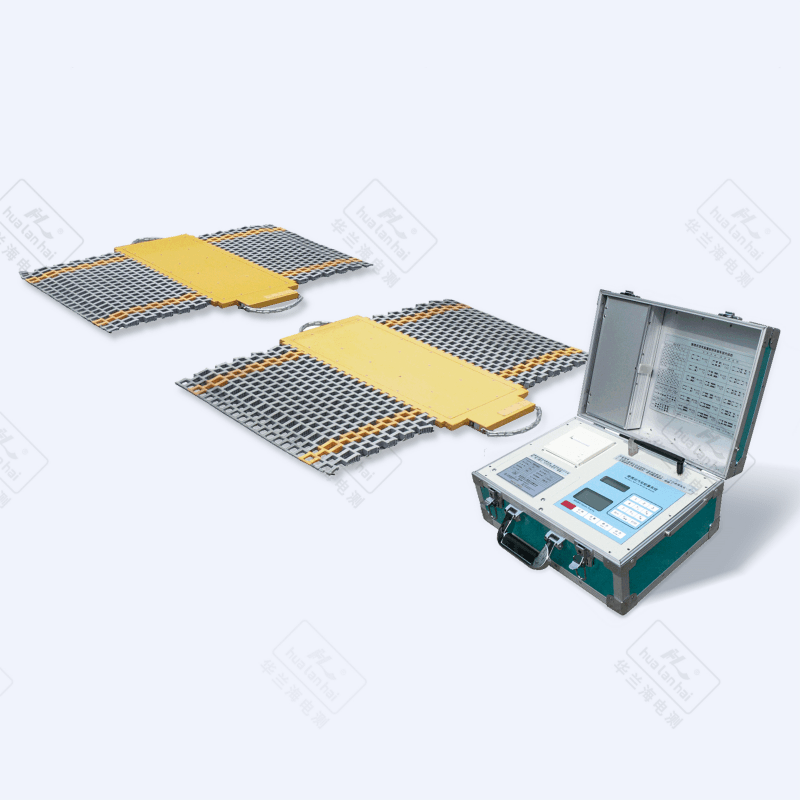
The evolution from analog to digital measurement technology represents more than just a technological upgrade; it signifies a fundamental shift in how businesses and professionals approach quality control, inventory management, and process optimization. Digital weighing systems have become the backbone of countless operations, from small retail establishments to massive industrial complexes. Their ability to provide instant, accurate readings while integrating seamlessly with modern data management systems has made them the preferred choice across diverse sectors.
Technological Advantages of Digital Weighing Systems
Enhanced Precision and Accuracy
Digital weighing scale technology relies on advanced load cell sensors and microprocessor-controlled systems that deliver exceptional precision levels often impossible with mechanical alternatives. These sophisticated instruments can detect minute weight variations, sometimes down to fractions of a gram, making them essential for applications requiring absolute accuracy. The digital conversion process eliminates human error associated with reading analog displays, ensuring consistent and reliable measurements across all operations.
Modern digital systems incorporate advanced calibration features that maintain accuracy over extended periods. Auto-calibration functions continuously adjust for environmental factors such as temperature fluctuations and vibrations, ensuring optimal performance regardless of operating conditions. This technological sophistication makes digital weighing solutions particularly valuable in laboratory settings, pharmaceutical manufacturing, and precision engineering applications where measurement integrity directly impacts product quality and safety.
Advanced Data Management Capabilities
Contemporary digital weighing scale models offer comprehensive data logging and management features that transform simple weight measurement into valuable business intelligence. These systems can store thousands of measurements, track weight trends over time, and generate detailed reports for quality control and compliance purposes. Integration with computer networks and cloud-based systems enables real-time data sharing across multiple locations and departments.
The connectivity options available in modern digital systems include USB ports, Ethernet connections, and wireless communication protocols. This connectivity allows seamless integration with enterprise resource planning systems, inventory management software, and quality assurance databases. Such integration capabilities enable businesses to maintain comprehensive audit trails, automate data collection processes, and implement sophisticated quality control protocols that would be impossible with traditional mechanical scales.
Industrial Applications and Sector-Specific Benefits
Manufacturing and Production Environments
In manufacturing settings, digital weighing scale systems play crucial roles in quality control, batch processing, and inventory management. These instruments ensure consistent product weights, monitor raw material consumption, and facilitate precise recipe formulation in chemical and food processing industries. The ability to interface with production control systems enables automated sorting, packaging, and quality verification processes that significantly enhance operational efficiency.
Industrial-grade digital weighing systems are designed to withstand harsh operating conditions including extreme temperatures, humidity, dust, and vibrations. Stainless steel construction and IP-rated enclosures protect sensitive electronics while maintaining measurement accuracy in challenging environments. Many industrial models feature explosion-proof certifications for use in hazardous locations, making them suitable for petrochemical, pharmaceutical, and food processing facilities where safety regulations are stringent.
Laboratory and Research Applications
Scientific research and analytical laboratories require weighing scale precision that only advanced digital systems can provide. These applications often involve measuring microscopic quantities of expensive reagents, pharmaceutical compounds, or research materials where accuracy directly impacts experimental outcomes and regulatory compliance. Digital analytical balances offer readability down to 0.1 milligrams or even finer resolutions for specialized applications.
Laboratory-grade digital weighing systems incorporate sophisticated environmental compensation algorithms that account for air currents, temperature variations, and static electricity interference. Built-in ionizers neutralize static charges that could affect sensitive measurements, while draft shields protect the weighing chamber from air currents. These features ensure measurement repeatability and accuracy essential for research validity and regulatory documentation.
Economic and Operational Advantages
Cost-Effectiveness and Return on Investment
While initial investment costs for digital weighing scale systems may exceed those of mechanical alternatives, the long-term economic benefits significantly outweigh upfront expenses. Digital systems require minimal maintenance compared to mechanical scales with their complex spring mechanisms and moving parts prone to wear and calibration drift. Reduced maintenance requirements translate to lower operational costs and decreased downtime in critical applications.
The accuracy and consistency provided by digital weighing systems directly contribute to reduced material waste, improved product quality, and enhanced customer satisfaction. In pharmaceutical manufacturing, for example, precise ingredient measurement reduces batch rejection rates and ensures regulatory compliance. Food processing operations benefit from consistent portion control that minimizes overweight products while maintaining quality standards, directly impacting profit margins and brand reputation.
Operational Efficiency and Productivity Gains
Digital weighing scale technology streamlines weighing processes through user-friendly interfaces, automated functions, and rapid measurement capabilities. Touch-screen displays provide intuitive operation, while programmable functions enable operators to quickly select appropriate settings for different products or procedures. Automatic tare functions, preset limits, and checkweighing modes accelerate routine operations while reducing the potential for operator error.
Integration with barcode scanners, RFID systems, and production management software creates seamless workflows that eliminate manual data entry and reduce processing time. weighing scale systems can automatically identify products, apply appropriate weighing parameters, and record results in appropriate databases without operator intervention. This level of automation enables businesses to achieve higher throughput rates while maintaining accuracy and documentation standards.
Regulatory Compliance and Quality Assurance
Meeting Industry Standards and Certifications
Modern digital weighing scale systems are designed to meet stringent regulatory requirements across various industries. FDA compliance for pharmaceutical and food applications, NTEP certification for trade use, and ISO standards for laboratory applications are standard features in quality digital weighing systems. These certifications ensure measurement traceability and accuracy required for regulatory audits and quality management systems.
Digital systems maintain comprehensive audit trails that document all weighing activities, calibration events, and system modifications. This documentation capability is essential for industries subject to regulatory oversight such as pharmaceuticals, medical devices, and food processing. Time-stamped records with user identification provide accountability and traceability required for compliance with Good Manufacturing Practices and other quality standards.
Calibration and Maintenance Advantages
Digital weighing scale calibration procedures are typically simpler and more reliable than mechanical alternatives. Many digital systems feature automatic calibration routines that use internal reference weights to verify accuracy without operator intervention. External calibration using certified weights can be performed quickly with step-by-step guidance provided by the system's software, ensuring proper procedures and documentation.
Preventive maintenance requirements for digital systems focus primarily on keeping the weighing platform clean and protecting electronic components from environmental contamination. Self-diagnostic features continuously monitor system performance and alert operators to potential issues before they affect measurement accuracy. This proactive approach to maintenance reduces unexpected failures and ensures consistent performance over extended operational periods.
Future Trends and Technological Developments
IoT Integration and Smart Connectivity
The future of digital weighing scale technology lies in enhanced connectivity and integration with Internet of Things ecosystems. Smart weighing systems equipped with wireless sensors, cloud connectivity, and artificial intelligence capabilities are revolutionizing how businesses manage weighing operations. Real-time monitoring, predictive maintenance, and automated calibration scheduling represent the next generation of weighing technology.
Machine learning algorithms integrated into advanced digital weighing systems can analyze usage patterns, predict maintenance requirements, and optimize performance based on historical data. Cloud-based data analytics enable businesses to identify trends, optimize processes, and make informed decisions based on comprehensive weighing data collected across multiple locations and time periods.
Enhanced User Interfaces and Accessibility
User interface development in digital weighing scale technology continues to evolve toward greater accessibility and ease of use. Touchscreen displays with intuitive navigation, multilingual support, and customizable workflows accommodate diverse user requirements and skill levels. Voice-guided operation and visual indicators enhance accessibility for users with varying abilities and experience levels.
Mobile device integration allows remote monitoring and control of weighing operations through smartphone and tablet applications. This connectivity enables supervisors to monitor multiple weighing stations simultaneously, receive real-time alerts about system status, and access historical data from anywhere within the facility or remotely via secure internet connections.
FAQ
What makes digital weighing scales more accurate than mechanical scales
Digital weighing scale systems utilize electronic load cells and microprocessors that eliminate mechanical wear and human reading errors associated with analog displays. The digital conversion process provides precise numerical readouts without interpretation, while advanced algorithms compensate for environmental factors such as temperature and vibration. Modern digital systems can achieve accuracy levels of 0.01% or better, significantly exceeding the precision capabilities of mechanical alternatives.
How do digital weighing scales integrate with existing business systems
Contemporary digital weighing scale models offer multiple connectivity options including USB, Ethernet, Wi-Fi, and Bluetooth for seamless integration with enterprise software systems. Data can be automatically transferred to inventory management systems, quality control databases, and ERP platforms without manual entry. Many digital scales support standard communication protocols that enable direct interface with barcode scanners, printers, and other peripheral devices commonly used in industrial and commercial applications.
What maintenance requirements do digital weighing scales have
Digital weighing scale maintenance is minimal compared to mechanical systems, primarily involving regular cleaning of the weighing platform and periodic calibration verification. Most digital systems include self-diagnostic features that monitor performance and alert users to potential issues. Routine maintenance typically includes checking cable connections, updating software when available, and ensuring proper environmental conditions. Professional calibration services may be required annually or based on usage frequency to maintain measurement accuracy and regulatory compliance.
Are digital weighing scales suitable for harsh industrial environments
Industrial-grade digital weighing scale systems are specifically designed for harsh operating conditions with features such as stainless steel construction, sealed electronics, and IP65 or higher ingress protection ratings. These systems can operate reliably in extreme temperatures, high humidity, dusty conditions, and environments with chemical exposure. Explosion-proof models are available for hazardous locations, while vibration-resistant designs ensure accurate measurements in high-activity industrial settings.