
 EN
EN
Selecting the right high speed weighing solution is critical for manufacturing operations that demand precision, speed, and reliability. Modern production environments require equipment capable of handling rapid product flow while maintaining strict weight accuracy standards. Whether you operate a food processing facility, pharmaceutical production line, or industrial packaging operation, the choice of weighing technology directly impacts throughput, quality control, and regulatory compliance. Understanding the distinctions between available solutions enables manufacturers to make informed decisions that align with operational demands and budget constraints.
The foundation of effective selection begins with understanding your specific operational requirements. Production volume, product characteristics, acceptable error margins, and integration points with existing systems all influence which weighing technology serves your needs best. Dynamic weighing systems and checkweigher technology represent distinct approaches, each suited to different scenarios. By examining key performance indicators, installation considerations, and total cost of ownership, manufacturers can identify solutions that deliver both immediate performance benefits and long-term value.
Understanding Dynamic Weighing Systems and Their Applications
How Dynamic Weighing Systems Operate
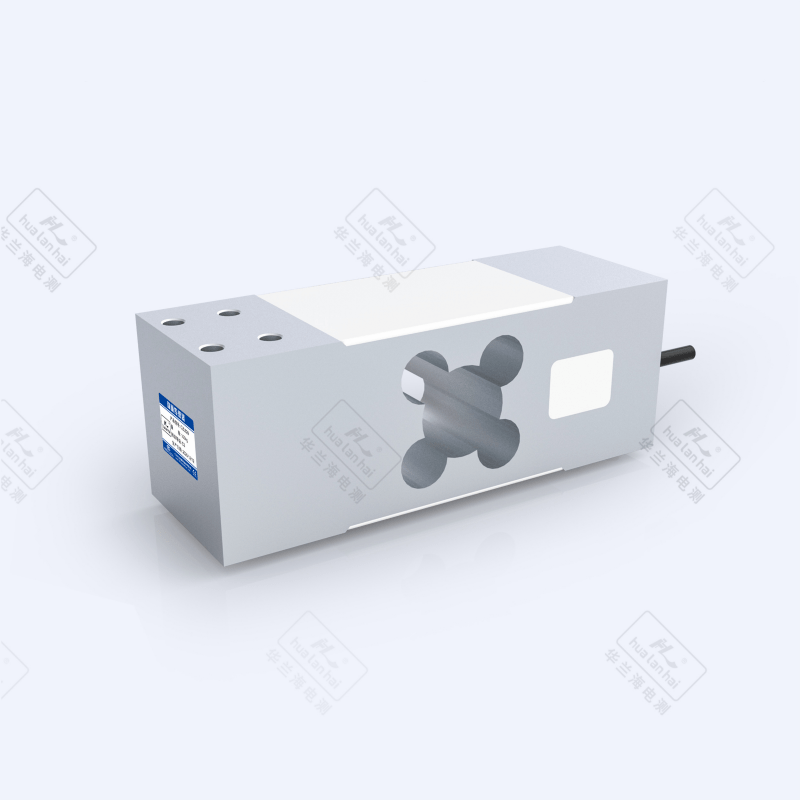
Dynamic weighing systems represent a sophisticated approach to real-time weight measurement during product motion. Unlike static weighing, which requires items to come to rest on a scale, dynamic weighing systems capture weight data continuously as products move through the production line. This technology is essential for high-speed operations where stopping product flow would create bottlenecks and reduce overall throughput. The system uses load cells integrated into conveyor systems or flow-through mechanisms to generate weight readings at predetermined intervals, creating a continuous stream of measurement data.
These systems employ advanced signal processing algorithms to filter out vibration noise and stabilize readings despite the motion of products. Modern dynamic weighing systems can achieve accuracy levels comparable to static scales while operating at speeds that traditional weighing equipment cannot match. The technology integrates seamlessly with production management software, enabling real-time adjustments and automated alerts when weights fall outside specified ranges. For manufacturers processing thousands of items per hour, dynamic weighing systems provide the measurement capability necessary to maintain quality standards without sacrificing production velocity.
Choosing Dynamic Weighing Systems for Your Operation
Selecting dynamic weighing systems requires careful consideration of your product types and production specifications. Products with irregular shapes, varying densities, or moisture content may require specialized load cell configurations and filtering parameters. The integration point within your production line significantly affects system performance; positioning the weighing zone at optimal conveyor speeds ensures accurate readings while maintaining production flow. Environmental factors such as temperature fluctuations, humidity, and vibration from adjacent equipment influence the stability of continuous weight measurement and should be assessed before installation. Manufacturers should verify that their existing conveyor systems can accommodate load cell installation or evaluate whether production line redesign is necessary.
Evaluating Checkweigher Technology for Quality Control
Core Functions and Benefits of Checkweigher Technology
Checkweigher technology serves as a dedicated quality control tool designed to verify that individual products meet specified weight tolerances. Unlike dynamic weighing systems that track continuous measurement, checkweigher technology performs discrete weight checks on individual items at predetermined points in the production line. Each product passes through the checkweigher, which captures its weight and compares the reading against acceptable minimum and maximum limits. Products outside specification trigger automatic rejection mechanisms, ensuring only compliant items proceed to packaging or shipping. This binary pass-fail approach makes checkweigher technology straightforward to implement and highly effective for catching weight variations before they reach customers.
The reliability of checkweigher technology depends on proper calibration, environmental stability, and accurate establishment of rejection thresholds. Modern checkweighing systems offer high-speed capabilities, processing products at rates matching or exceeding typical production line speeds. Integration with line control systems enables automatic diversion of out-of-specification items to rework or disposal areas, eliminating manual sorting requirements. For manufacturers operating under regulatory frameworks such as pharmaceutical or food safety standards, checkweigher technology provides documented evidence of weight compliance and supports audit trail requirements.
Implementation Factors for Checkweigher Technology Success
Successful checkweigher implementation requires clear understanding of your product weight distribution and specification tolerances. Products with high variability may require wider acceptance windows, reducing the checkweigher's ability to detect subtle process drift. Conversely, products with tight weight specifications demand highly stable checkweigher platforms and meticulous calibration protocols. The physical footprint of checkweigher technology differs significantly from dynamic weighing systems; these devices typically operate as standalone units at specific line positions rather than integrated into conveyor systems. Space availability, product flow directions, and reject mechanism capacity all influence whether checkweigher technology fits your production environment. Training operators to respond appropriately to rejection triggers and maintain calibration standards ensures reliable ongoing performance.
Key Factors for Making Your Selection Decision
Balancing Speed, Accuracy, and Cost Considerations
The selection between high speed weighing approaches fundamentally involves trade-offs across multiple dimensions. Dynamic weighing systems excel at measuring product streams without interrupting flow but provide aggregated trend data rather than individual item verification. Checkweigher technology offers definitive pass-fail results for each product but operates at specific line positions where products can be mechanically diverted. Dynamic weighing systems typically require higher initial investment and more sophisticated integration, while checkweigher technology offers simpler standalone installation but occupies additional line space. Manufacturers must assess whether their primary objective is process monitoring and optimization or final product quality verification, as this distinction determines which technology delivers superior value.
Total cost of ownership extends beyond purchase price to encompass installation, calibration, maintenance, software licensing, and operator training. High-speed production environments may justify investment in continuous weight measurement systems that optimize filling processes and reduce material waste. Lower-volume operations benefit from checkweigher technology that provides straightforward quality assurance without complex system integration. Environmental conditions also factor significantly into selection; unstable facilities with temperature and vibration challenges may find dynamic weighing systems difficult to maintain in calibration, making dedicated checkweigher positions more practical. Evaluating these factors systematically ensures your investment aligns with both immediate operational needs and long-term manufacturing strategy.
Integration and Operational Readiness
Integration capabilities determine whether a weighing solution fits seamlessly into your existing production infrastructure. Modern systems offer connectivity options including analog outputs, digital protocols, and cloud-based monitoring platforms. High speed weighing solutions that communicate effectively with existing management software reduce implementation complexity and accelerate deployment. Your IT infrastructure must support the data transmission and storage requirements of continuous weight measurement if you select dynamic systems. Conversely, checkweigher technology typically operates independently, requiring only mechanical integration for product diversion and basic electrical connections for calibration and alerts. Operational readiness includes staff training, calibration procedures, and maintenance protocols; investing time in comprehensive operator education prevents performance degradation and extends equipment lifespan.
FAQ
What is the primary difference between dynamic weighing systems and checkweigher technology?
Dynamic weighing systems provide continuous weight measurement of product streams during motion, offering real-time data for process optimization and trend analysis. Checkweigher technology performs discrete weight verification of individual items at specific line positions, triggering acceptance or rejection based on predefined tolerance ranges. Dynamic systems integrate into conveyor mechanisms, while checkweighers operate as standalone units. The choice depends on whether you prioritize continuous process monitoring or definitive individual product verification.
How does continuous weight measurement improve manufacturing efficiency?
Continuous weight measurement enables manufacturers to monitor filling accuracy, detect process drift, and adjust production parameters in real time. This approach identifies problems before they affect large product volumes, reducing waste and rework. High speed weighing data supports optimization of fill weights to minimize giveaway while maintaining compliance. Manufacturers using dynamic weighing systems benefit from reduced material costs, improved throughput, and enhanced regulatory documentation.
What environmental factors affect high speed weighing accuracy?
Temperature fluctuations, humidity variations, vibration from adjacent equipment, and electrical noise all influence weighing system performance. Dynamic weighing systems require stable foundations and environmental shielding to maintain calibration accuracy. Checkweigher platforms benefit from isolated mounting and controlled ambient conditions. Regular calibration verification using certified test weights ensures both system types maintain specified accuracy despite environmental changes.