
 EN
EN
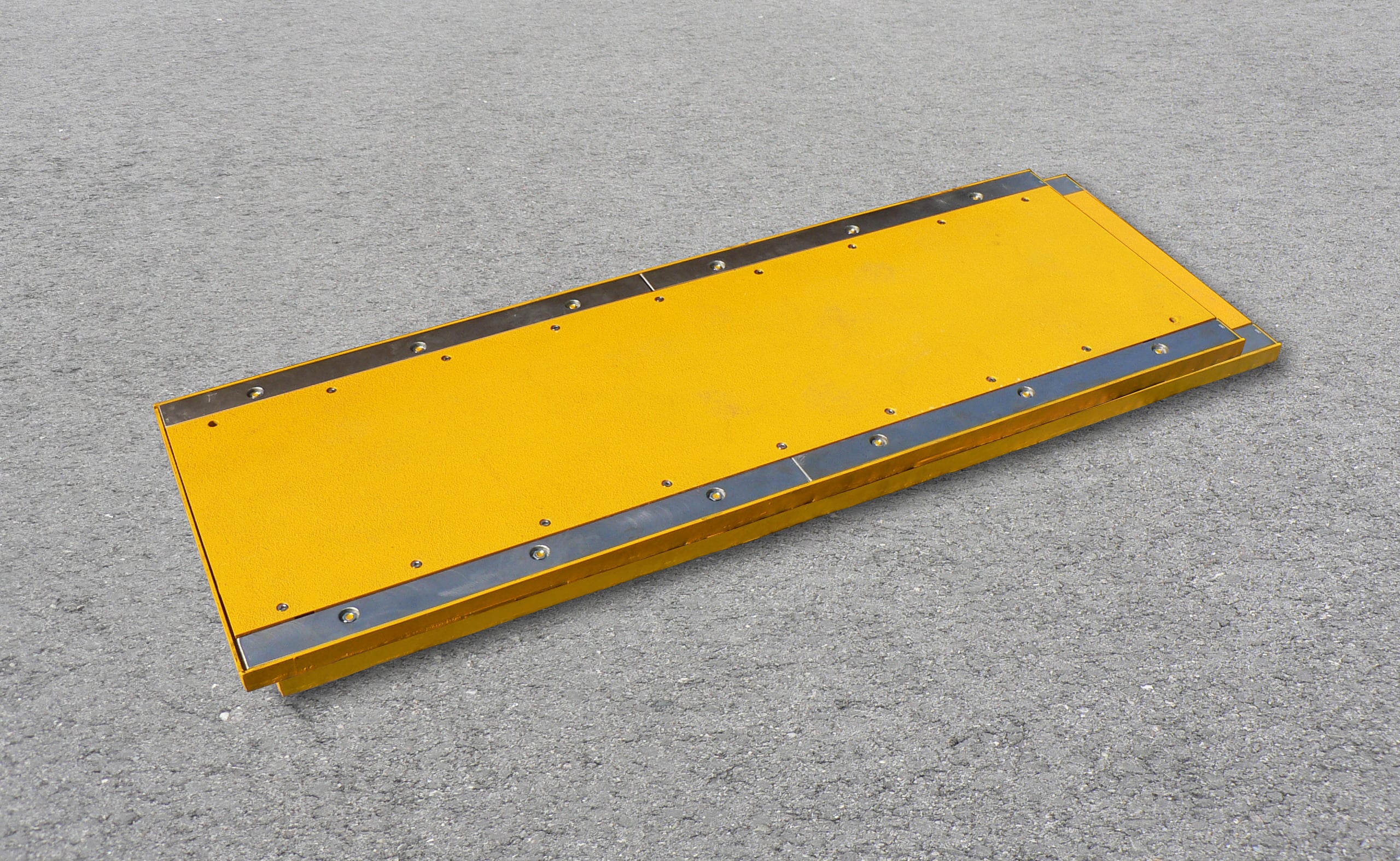
Modern industrial operations demand precision at scale, and high speed weighing has become essential for maintaining product quality, regulatory compliance, and operational efficiency. As production lines accelerate and throughput requirements intensify, traditional static weighing methods fall short. Advanced sensor technology now enables manufacturers to achieve unprecedented accuracy while maintaining the speed necessary for competitive production rates. Understanding how sensor innovations enhance weighing precision helps industrial operators make informed decisions about equipment upgrades and process optimization.
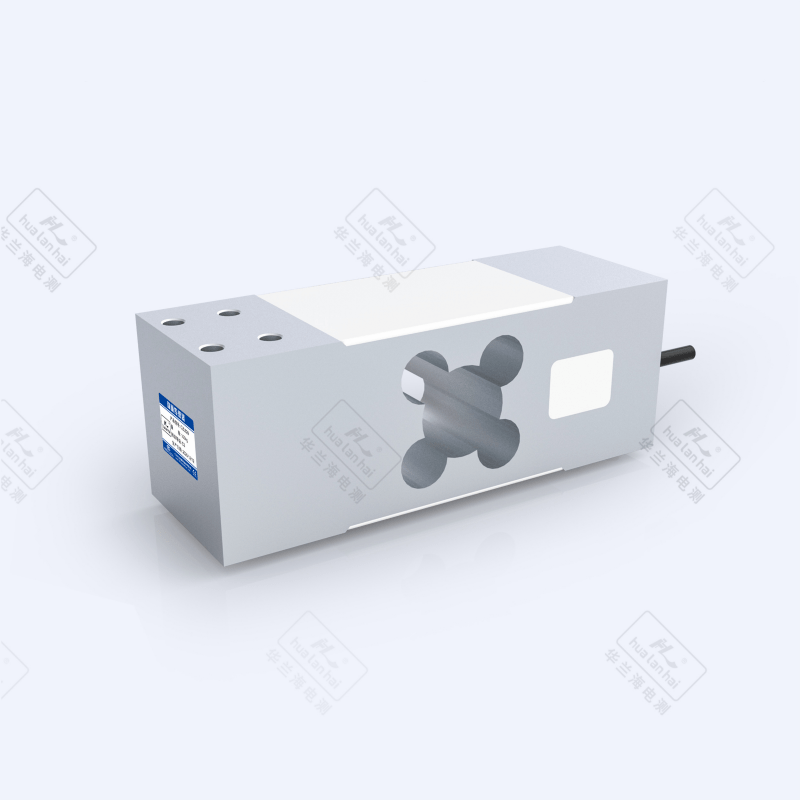
The evolution of sensor technology has fundamentally transformed how industries approach dynamic weighing systems and continuous conveyor belt scales. Modern sensors now incorporate advanced load cell designs, improved signal processing algorithms, and real-time weight measurement accuracy capabilities that previous generations simply could not deliver. By leveraging these technological advances, manufacturers can eliminate product giveaway, reduce waste, and ensure consistent batch quality across high-speed production environments.
Sensor Technology Fundamentals for Dynamic Weighing Systems
Load Cell Architecture and Performance
Modern load cells form the foundation of high speed weighing systems. These precision instruments convert mechanical force into electrical signals with exceptional sensitivity and repeatability. Advanced load cell designs now feature enhanced stiffness, reduced hysteresis, and improved temperature compensation compared to earlier models. The technology enables continuous conveyor belt scales to capture weight data instantaneously as products move at high velocities. Manufacturers benefit from load cells that maintain accuracy across wide operating temperature ranges and resist environmental contamination common in industrial settings.
Signal Conditioning and Digital Processing
Real-time weight measurement accuracy depends critically on sophisticated signal conditioning electronics. Modern sensor systems employ digital filters, noise rejection algorithms, and intelligent averaging techniques that extract precise weight values from raw analog signals. These technologies eliminate measurement noise caused by vibration, electromagnetic interference, and mechanical fluctuations inherent in high-speed conveyor operations. The signal processing occurs at microsecond intervals, enabling dynamic weighing systems to deliver stable, repeatable results even when products move rapidly across the weighing platform. This technological advancement represents a crucial leap in industrial measurement reliability.
Integration with Continuous Conveyor Belt Scales
Real-Time Data Acquisition Architecture
Continuous conveyor belt scales represent the practical application of advanced sensor technology in production environments. These systems integrate multiple load sensors positioned strategically beneath the conveyor structure to capture weight distribution across the product contact area. Real-time weight measurement accuracy is achieved through synchronized data sampling from all sensor channels, ensuring that weight calculations account for product position and movement dynamics. The architecture allows manufacturers to weigh products while maintaining production line throughput, eliminating bottlenecks associated with traditional stop-and-weigh approaches. Integration with production control systems enables automatic adjustments based on weight data, supporting closed-loop quality management.
Adaptive Filtering for Dynamic Environments
High speed weighing environments generate significant mechanical noise and vibration that challenge sensor accuracy. Modern dynamic weighing systems employ adaptive filtering technology that distinguishes genuine product weight signals from transient environmental disturbances. These algorithms continuously adjust filter characteristics based on conveyor speed, product type, and prevailing operating conditions. The result is reliable real-time weight measurement accuracy regardless of production floor environment complexity. This technological sophistication enables manufacturers to deploy weighing solutions in challenging industrial spaces without sacrificing measurement precision or requiring extensive facility modifications.
Practical Implementation Benefits and Industrial Applications
Compliance and Quality Assurance
Regulatory requirements across food, pharmaceutical, and chemical industries mandate precise weight verification at production scale. High speed weighing systems employing advanced sensor technology help manufacturers meet stringent compliance standards while maintaining production efficiency. Real-time weight measurement accuracy provides documented evidence of quality control throughout the production run, supporting traceability and regulatory audits. Continuous conveyor belt scales capture weight data for every product unit, enabling statistical process control and rapid identification of anomalies. The technology transforms weighing from a periodic checkpoint into continuous quality assurance integrated seamlessly with production workflow.
Cost Reduction Through Precision
Product giveaway represents significant financial loss in high-volume production environments. Dynamic weighing systems utilizing advanced sensor technology minimize overages by maintaining tighter control around target weight specifications. The precision enables manufacturers to reduce packaging weight incrementally while ensuring all units meet minimum weight requirements. Combined with waste reduction from rejected out-of-specification products, these improvements generate substantial cost savings that justify technology investment. Real-time weight measurement accuracy also supports optimization of fill rates based on material cost fluctuations, providing operational flexibility previously unavailable.
FAQ
What makes advanced sensor technology superior for high speed weighing accuracy?
Advanced sensor technology delivers superior high speed weighing accuracy through improved load cell designs with enhanced stiffness and temperature compensation, combined with digital signal processing that eliminates noise and vibration interference. Modern systems capture weight measurements at microsecond intervals, enabling real-time weight measurement accuracy even on fast-moving conveyor systems. The technology integrates multiple sensors with synchronized sampling and adaptive filtering, ensuring consistent precision across varying production conditions.
How do continuous conveyor belt scales improve production efficiency?
Continuous conveyor belt scales eliminate production line interruptions by measuring products in motion rather than stopping the conveyor. Dynamic weighing systems enable real-time data collection and quality verification without slowing throughput, allowing manufacturers to maintain high production rates while ensuring every product meets weight specifications. Integration with automated control systems enables immediate corrective actions based on weight measurements, reducing waste and minimizing downtime.
Can real-time weight measurement accuracy support regulatory compliance?
Yes, real-time weight measurement accuracy provides comprehensive documentation of product weights throughout production, creating verifiable records for regulatory audits and compliance verification. Modern dynamic weighing systems automatically log weight data with timestamps for each product unit, supporting traceability requirements and statistical quality analysis. This continuous monitoring capability enables manufacturers to demonstrate consistent compliance with weight specifications and supports investigation of any compliance issues.