
 EN
EN
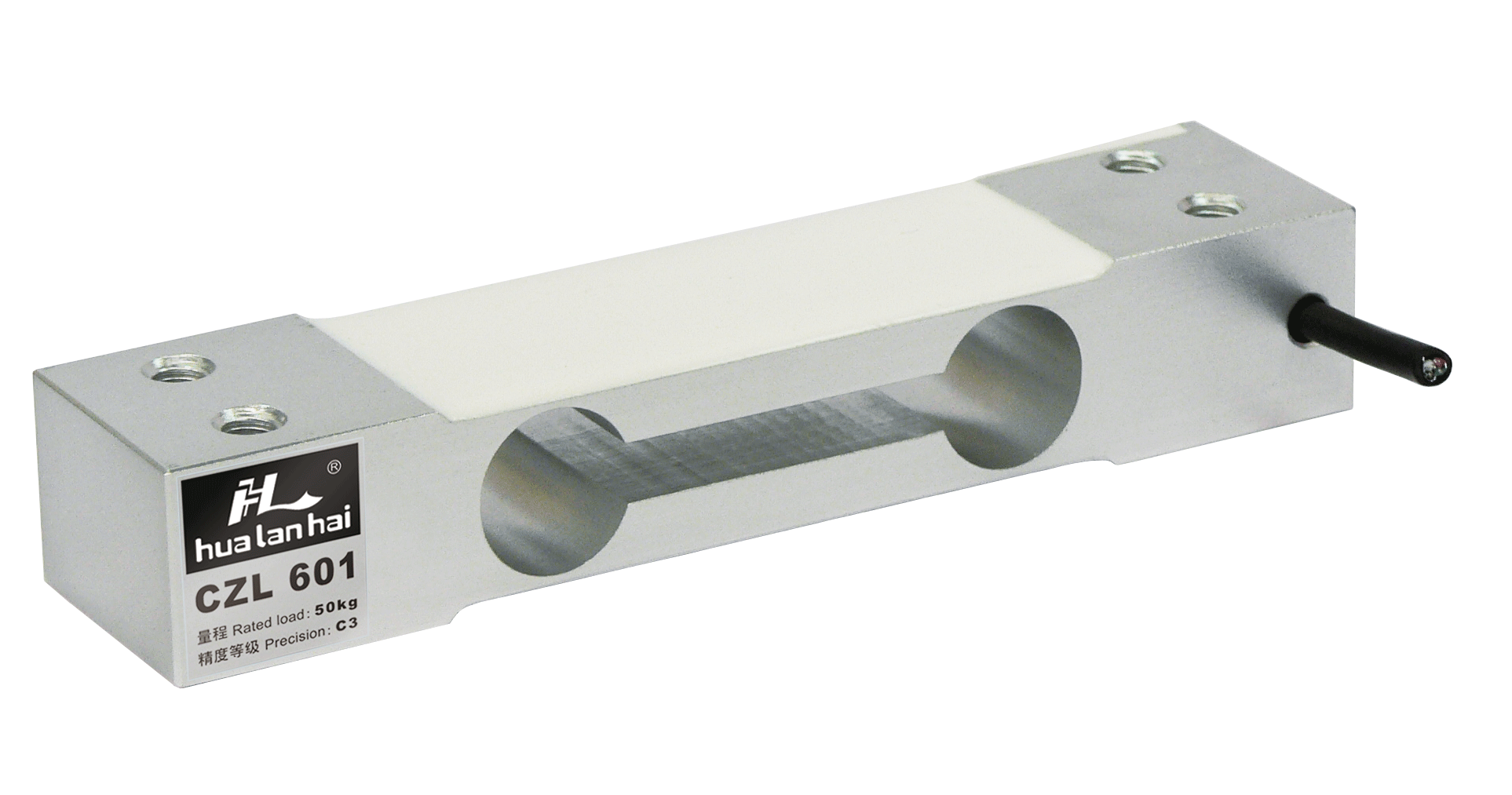
In modern industrial operations, precise measurement of weight and force is not optional—it is essential. A load cell serves as the backbone of any reliable weighing system, converting physical force into accurate electrical signals that manufacturing facilities, logistics hubs, and process industries depend on daily. Whether measuring the output of a production line, monitoring batch composition, or ensuring compliance with weight regulations, the performance of your load cell directly impacts operational efficiency, product quality, and regulatory adherence. High-precision load cells eliminate measurement uncertainty and provide the stability needed for consistent industrial weighing processes.
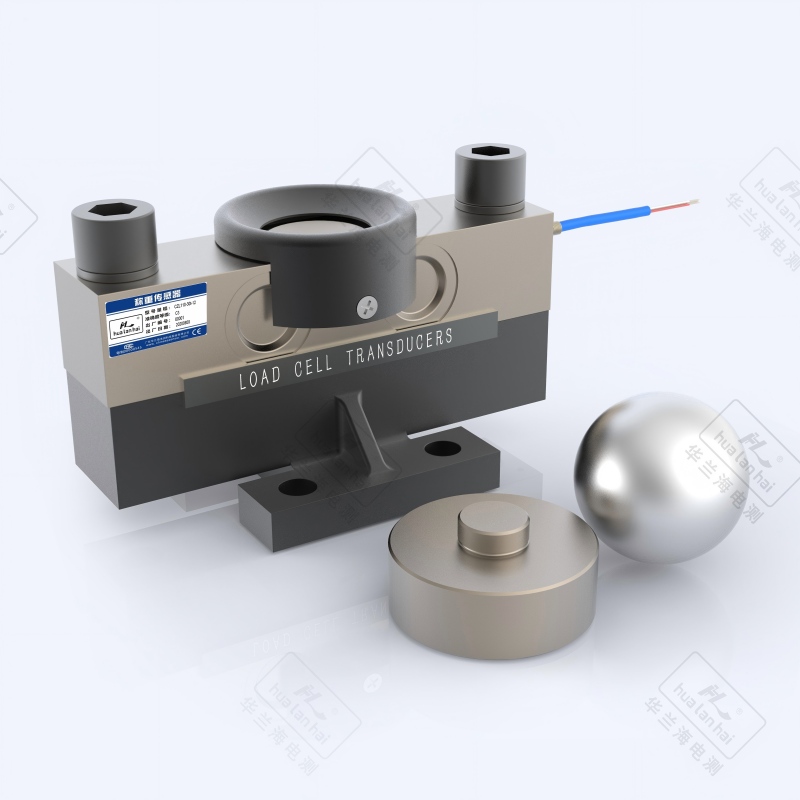
The foundation of accurate force measurement relies on understanding how modern strain gauge sensor technology operates within a load cell assembly. These systems integrate sophisticated transducers that respond to minute deformations, translating mechanical stress into measurable electrical output with remarkable precision. For industries where every gram or kilogram counts—from pharmaceutical production to heavy equipment assembly—investing in high-quality load cell solutions represents a strategic commitment to measurement integrity and operational reliability.
Understanding Load Cell Technology and Its Core Functions
How Load Cells Convert Force into Measurable Signals
A load cell operates through a strain gauge sensor embedded within its structure, which detects mechanical deformation when force is applied. As weight presses down or force is exerted on the load cell, the internal strain gauge responds by changing its electrical resistance proportionally. This resistance change is converted into a voltage or current signal that processing equipment can interpret and display as precise weight or force readings. The beauty of this force measurement transducer approach lies in its simplicity combined with exceptional accuracy, making load cells the preferred choice across countless industrial applications.
Modern load cells achieve stability through careful material selection, precision engineering, and sophisticated calibration methods. The internal strain gauge sensor components must be protected from environmental interference, temperature fluctuations, and mechanical shock to maintain consistent output. Manufacturing standards ensure that each load cell meets stringent performance specifications, allowing users to trust their measurements under demanding operational conditions. This reliability is what distinguishes high-precision load cell solutions from generic alternatives.
Integration with Industrial Weighing Systems
Load cells function as part of a larger ecosystem that includes data acquisition modules, display terminals, and automation controllers. When multiple load cells are networked together, they provide comprehensive force measurement across large structures or distributed processes. The strain gauge sensor technology within each unit must communicate consistently with peripheral equipment to deliver synchronized, accurate readings. Proper system integration ensures that force measurement transducer outputs translate seamlessly into actionable data for operators and automated systems alike.
Implementing Weighing Scale Calibration for Long-Term Accuracy
The Importance of Regular Calibration Procedures
Weighing scale calibration is not a one-time event but an ongoing commitment to measurement integrity. Over time, load cells can experience drift due to material fatigue, temperature cycling, or accumulated mechanical stress. Regular calibration procedures verify that strain gauge sensor output remains within acceptable tolerances and that force measurement transducer readings align with certified reference standards. Industrial facilities typically establish calibration schedules based on usage intensity, environmental conditions, and regulatory requirements governing their specific industry sector.
Effective weighing scale calibration involves comparing load cell output against traceable reference weights or force standards. Certified calibration technicians apply known loads and document how each load cell responds, identifying any deviations from expected performance. If drift is detected, adjustments can be made electronically or mechanically depending on the load cell design. This systematic approach prevents measurement errors from accumulating and ensures compliance with quality management systems like ISO 9001 or industry-specific standards.
Environmental Factors Affecting Load Cell Performance
Temperature variations pose one of the most significant challenges to maintaining stable force measurement transducer accuracy. As ambient temperature changes, materials within the load cell expand and contract at different rates, potentially affecting strain gauge sensor calibration. High-quality load cells incorporate temperature compensation features that automatically adjust output to account for thermal effects. Additionally, moisture, corrosive environments, and vibration from nearby machinery can degrade performance if the load cell lacks proper sealing and mechanical isolation.
Industrial facilities operating in harsh environments must select load cells specifically engineered for their conditions and commit to more frequent weighing scale calibration cycles. Stainless steel construction, sealed connectors, and vibration-damping mounting solutions all contribute to maintaining measurement stability. When load cells are properly protected and regularly calibrated, they can deliver reliable force measurement transducer performance for many years, reducing replacement costs and downtime.
Selecting High-Precision Load Cell Solutions for Your Operations
Capacity and Resolution Matching
Choosing the right load cell begins with understanding your specific force measurement requirements. The capacity—maximum weight the cell can measure—must accommodate your heaviest anticipated load, ideally with a safety margin. Resolution refers to the smallest detectable change in weight or force that the strain gauge sensor can distinguish. For applications requiring extreme precision, such as pharmaceutical ingredient dispensing or precision materials testing, higher resolution load cells justify the investment. Conversely, general industrial weighing applications may perform adequately with standard precision solutions.
Mismatching capacity to application can lead to measurement errors or premature load cell failure. Undersized cells may saturate under peak loads, providing inaccurate readings, while oversized cells waste investment and may lack the resolution needed for sensitive measurements. Consulting with load cell manufacturers helps ensure selection aligns with your weighing scale calibration standards and operational workflows.
Environmental and Installation Considerations
The physical environment where your load cell operates directly influences its performance and lifespan. Wash-down facilities requiring frequent cleaning demand stainless steel construction and IP-rated sealing to prevent water and detergent ingress. Chemical processing areas may expose load cells to corrosive vapors, necessitating specialized coating or material selection. Vibration-heavy environments benefit from mechanical isolation mounting and damping features that protect the strain gauge sensor from high-frequency oscillations that corrupt force measurement transducer accuracy.
Proper installation methodology ensures the load cell performs as designed. Mounting surfaces must be rigid and level, cables must be routed away from electrical interference sources, and connector types should match your data acquisition equipment. Installation documentation and weighing scale calibration procedures should be followed precisely to establish baseline performance against which future measurements can be compared. This attention to detail transforms a quality load cell into a dependable system component.
FAQ
What is the typical lifespan of a high-quality load cell?
A well-maintained load cell can operate reliably for 5 to 10 years or longer, depending on application intensity and environmental conditions. Regular weighing scale calibration, proper storage when not in use, and adherence to load limits all contribute to extended service life. The strain gauge sensor technology underlying force measurement transducer function is inherently durable, and stainless steel construction resists corrosion effectively. When replacement becomes necessary, modern load cell solutions offer drop-in compatibility with existing systems, minimizing downtime and retrofit costs.
How often should weighing scale calibration be performed?
Calibration frequency depends on usage intensity, regulatory requirements, and criticality of measurements to your operations. Many industrial facilities perform annual calibration as a baseline, while high-volume or highly regulated applications may require quarterly or even monthly verification. Food processing, pharmaceuticals, and legal trade environments typically maintain strict calendars. Your load cell manufacturer and relevant industry standards should guide calibration scheduling. More frequent calibration provides greater assurance that strain gauge sensor performance and force measurement transducer accuracy remain within acceptable tolerances.
Can a load cell be repaired or must it be replaced if accuracy degrades?
Some load cell issues can be addressed through recalibration or electronic adjustment, while others require replacement. If weighing scale calibration reveals drift within acceptable ranges, amplifier settings or digital compensation may restore accuracy. However, physical damage to the sensing element, water intrusion into sealed compartments, or fundamental strain gauge sensor degradation typically necessitate replacement. The cost of repair versus replacement should be evaluated case by case, considering the load cell's remaining life expectancy and the criticality of the application. Maintaining spare load cells on hand minimizes disruption when replacement is necessary.