
 EN
EN

In today's competitive logistics landscape, weight measurement accuracy has become a critical factor determining operational efficiency and regulatory compliance. Transportation companies, freight forwarders, and logistics managers are increasingly turning to advanced weighing solutions to ensure their vehicles meet legal weight limits while optimizing cargo capacity. The portable axle scale has emerged as a game-changing technology that provides precise weight measurements directly at loading docks, warehouses, and remote locations without requiring permanent installation or extensive infrastructure modifications.
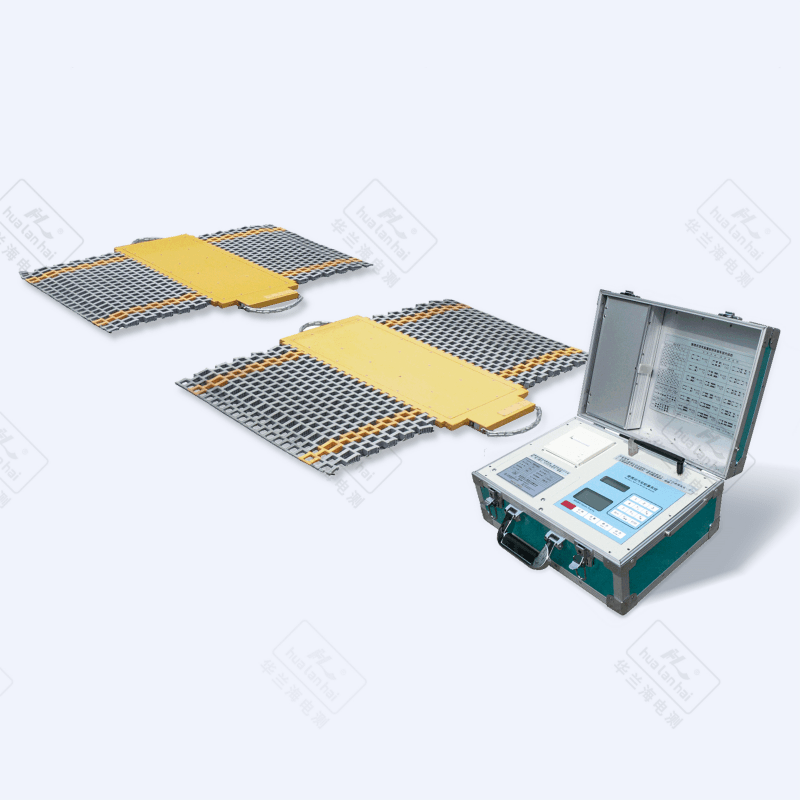
Modern logistics operations demand weighing solutions that deliver both accuracy and flexibility. Traditional truck scales require significant capital investment and permanent installations, making them impractical for many operational scenarios. The portable axle scale addresses these limitations by offering professional-grade accuracy in a mobile format that can be deployed wherever weighing operations are needed. This technology has revolutionized how logistics professionals approach weight management, providing real-time data that enables better decision-making and helps prevent costly overweight violations.
Understanding the accuracy capabilities of portable weighing systems is essential for logistics managers considering these solutions. Accuracy requirements vary significantly across different applications, from basic load verification to precise legal-for-trade measurements. The most advanced portable axle scale systems can achieve accuracy levels comparable to permanent installations while offering the added benefit of deployment flexibility. This combination of precision and portability has made these systems indispensable tools for modern logistics operations.
Technical Accuracy Standards for Portable Weighing Systems
Industry Accuracy Classifications
Portable weighing systems are classified according to internationally recognized accuracy standards that define acceptable measurement tolerances. The most stringent classification, Class III accuracy, is required for commercial weighing applications and typically allows for maximum permissible errors of 0.02% to 0.05% of the applied load. This level of precision ensures that a portable axle scale system can provide measurements accurate enough for regulatory compliance and commercial transactions. Understanding these classifications helps logistics professionals select appropriate weighing solutions for their specific operational requirements.
The accuracy of modern portable weighing systems depends on several technical factors including load cell quality, digital signal processing capabilities, and environmental compensation algorithms. High-quality systems incorporate advanced load cell technology with built-in temperature compensation and shock resistance features. These technical specifications directly impact measurement reliability under varying operational conditions, making it crucial for logistics operators to evaluate accuracy specifications when selecting portable weighing equipment.
Measurement Precision in Real-World Conditions
Real-world accuracy performance of portable axle scale systems can be affected by environmental factors such as temperature variations, surface conditions, and vibrations. Professional-grade systems incorporate sophisticated algorithms that compensate for these variables, maintaining measurement accuracy across diverse operational environments. Temperature compensation features automatically adjust readings based on ambient conditions, while advanced filtering algorithms eliminate interference from vibrations and electromagnetic sources.
Field testing has demonstrated that properly calibrated portable weighing systems can maintain accuracy levels within ±0.1% under typical operational conditions. This level of precision is sufficient for most logistics applications, including load verification, cargo distribution optimization, and regulatory compliance monitoring. The key to achieving consistent accuracy lies in proper system setup, regular calibration, and understanding the operational parameters that can influence measurement performance.
Operational Advantages in Logistics Applications
Deployment Flexibility and Efficiency
The primary advantage of portable axle scale technology lies in its deployment flexibility, allowing logistics operators to conduct weighing operations at any location without requiring permanent infrastructure. This capability is particularly valuable for companies operating multiple facilities, temporary loading sites, or remote locations where permanent scale installations are impractical. The ability to relocate weighing equipment as operational needs change provides significant cost advantages and operational flexibility.
Setup time for modern portable weighing systems has been reduced to minutes rather than hours, thanks to wireless connectivity and simplified installation procedures. Advanced systems feature automatic sensor recognition and self-calibration capabilities that minimize setup complexity while ensuring measurement accuracy. This rapid deployment capability enables logistics teams to implement weighing operations quickly in response to changing operational requirements or emergency situations.
Cost-Effectiveness Compared to Permanent Installations
Economic analysis consistently demonstrates that portable weighing solutions offer superior return on investment compared to permanent installations for many logistics applications. The elimination of construction costs, foundation requirements, and installation permits significantly reduces initial capital expenditure. Additionally, the ability to share portable axle scale systems across multiple locations maximizes equipment utilization and further improves cost-effectiveness.
Maintenance costs for portable systems are typically lower than permanent installations due to reduced exposure to harsh environmental conditions and simplified service requirements. The modular design of portable systems allows for component-level maintenance and replacement, minimizing downtime and repair costs. These economic advantages make portable weighing technology an attractive option for logistics companies seeking to optimize their weighing capabilities while controlling capital expenditures.
Accuracy Factors in Different Logistics Environments
Indoor Warehouse Applications
Indoor environments typically provide optimal conditions for portable axle scale accuracy, with controlled temperature, minimal vibrations, and protected surfaces. Warehouse applications benefit from consistent environmental conditions that allow portable weighing systems to maintain peak accuracy performance. The stable indoor environment eliminates many of the variables that can affect measurement precision in outdoor applications, making indoor deployments ideal for achieving the highest accuracy levels.
Concrete floors and loading dock surfaces provide excellent stability for portable weighing systems, ensuring consistent contact and load distribution. The controlled environment also allows for more precise calibration procedures and reduces the need for frequent recalibration. These factors combine to make indoor applications ideal for operations requiring the highest measurement accuracy, such as precious cargo handling or precision manufacturing logistics.
Outdoor and Remote Location Challenges
Outdoor deployments present additional challenges for portable axle scale accuracy, including temperature variations, surface irregularities, and environmental interference. Advanced systems address these challenges through enhanced environmental protection, temperature compensation algorithms, and robust construction designed to maintain accuracy under challenging conditions. Understanding these environmental factors is crucial for maintaining measurement reliability in outdoor applications.
Surface preparation becomes critical for outdoor accuracy, with uneven or soft surfaces potentially affecting measurement precision. Professional portable weighing systems include features such as adjustable leveling feet and surface compensation algorithms that help maintain accuracy on less-than-ideal surfaces. Proper site preparation and system setup procedures can ensure accurate measurements even in challenging outdoor environments.
Calibration and Maintenance for Optimal Performance
Regular Calibration Procedures
Maintaining accuracy in portable axle scale systems requires adherence to regular calibration schedules and proper calibration procedures. Most professional systems require calibration verification monthly or after a specified number of weighing cycles, depending on usage intensity and accuracy requirements. Automated calibration features in advanced systems streamline this process while ensuring compliance with accuracy standards.
Calibration procedures typically involve the use of certified test weights to verify system accuracy across the full measurement range. Digital systems often incorporate built-in calibration routines that guide operators through the process and automatically adjust internal parameters to maintain accuracy. Proper documentation of calibration activities is essential for regulatory compliance and quality assurance programs in logistics operations.
Preventive Maintenance Requirements
Preventive maintenance programs are essential for maintaining long-term accuracy in portable weighing systems. Regular cleaning of load cells and connection points prevents contamination that can affect measurement precision. Visual inspections should identify wear, damage, or corrosion that could compromise system performance. Component replacement schedules help ensure that critical elements are replaced before failure can affect accuracy.
Environmental protection measures, including proper storage and transportation procedures, significantly impact system longevity and accuracy maintenance. Protective cases and covers shield sensitive components from damage during transport and storage. Regular battery maintenance and replacement ensure consistent power supply for digital systems, preventing accuracy degradation due to power fluctuations.
Integration with Logistics Management Systems
Data Connectivity and Recording
Modern portable axle scale systems offer comprehensive data connectivity options that enable seamless integration with existing logistics management systems. Wireless communication capabilities allow real-time data transmission to central databases, enabling immediate access to weighing information for route optimization, compliance monitoring, and operational planning. This connectivity eliminates manual data entry errors while providing instant access to critical weight information.
Data recording capabilities in advanced systems include timestamp information, operator identification, and location data that provide complete documentation for each weighing transaction. This comprehensive data capture supports compliance requirements, quality assurance programs, and operational analysis initiatives. Integration with enterprise resource planning systems enables automatic updating of shipment records and inventory management systems based on actual weight measurements.
Compliance Documentation and Reporting
Regulatory compliance requirements in logistics operations demand accurate documentation of all weighing activities. Portable weighing systems equipped with data logging capabilities provide automated generation of compliance reports, including weight certificates, measurement histories, and calibration records. This automated documentation reduces administrative burden while ensuring complete compliance with regulatory requirements.
Advanced reporting features enable customized output formats that match specific compliance requirements for different jurisdictions and transportation modes. Electronic signatures and digital certificates provide legal validity for weight documentation, supporting enforcement activities and customer requirements. The ability to generate instant compliance documentation streamlines operations while reducing the risk of regulatory violations.
FAQ
What accuracy can I expect from a portable axle scale system?
Professional-grade portable axle scale systems typically achieve accuracy levels of ±0.1% to ±0.2% under normal operating conditions. This precision level meets or exceeds requirements for most logistics applications, including regulatory compliance and commercial weighing. Accuracy can be optimized through proper calibration, appropriate surface preparation, and adherence to manufacturer operating procedures.
How often should portable weighing systems be calibrated?
Calibration frequency depends on usage intensity and accuracy requirements, but most systems should be verified monthly for commercial applications. High-usage environments may require more frequent calibration verification, while systems used occasionally may maintain accuracy for longer periods. Regular calibration ensures consistent performance and compliance with legal-for-trade requirements.
Can portable axle scales maintain accuracy in outdoor environments?
Yes, properly designed portable weighing systems can maintain excellent accuracy in outdoor environments through environmental compensation features and robust construction. Temperature compensation algorithms automatically adjust for thermal effects, while weatherproof enclosures protect sensitive components. Proper surface preparation and setup procedures are critical for optimal outdoor performance.
What factors can affect the accuracy of portable weighing systems?
Several factors can influence measurement accuracy, including surface conditions, temperature variations, vibrations, and electromagnetic interference. Proper system setup, regular calibration, and adherence to operating procedures minimize these effects. Advanced systems incorporate compensation algorithms and filtering features that maintain accuracy despite environmental challenges.