
 EN
EN
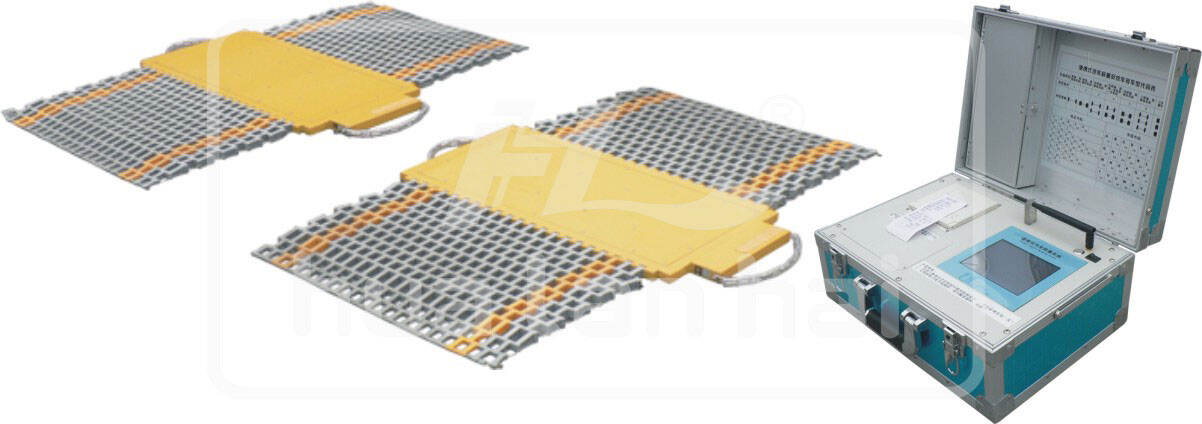
Operimet industriale moderne mbështeten në mënyrë të madhe në matje të sakta, dhe saktësia e çdo peshore ndikon drejtpërdrejt në produkt cilësi, përputhje me rregullat dhe efikasitetin operacional. Kalibrimi është procesi kryesor që siguron që këto instrumente kritike matëse ruajnë saktësinë e tyre me kalimin e kohës. Përmes procedurave sistematike të rregullimit dhe verifikimit, kalibrimi shndërron një peshore bazike në një instrument të besueshëm me precizion, i aftë të ofrojë rezultate të përsëritshme dhe të besueshme që plotësojnë standardet e rrepta industriale.

Marrëdhënia midis kalibrimit dhe performancës së peshoreve shtrihet përtej përmirësimeve të thjeshta të saktsisë. Procedurat e rregullta të kalibrimit adresojnë zhvendosjen e matjeve, ndikimet e mjedisit dhe konsumimin mekanik që ndodhin natyrshëm gjatë funksionimit normal. Kuptimi i kësaj lidhjeje themelore jep fuqi menaxherëve të objektit dhe profesionistëve të kontrollit të cilësisë për të zbatuar strategji efektive mirëmbajtjeje që maksimizojnë jetëgjatësinë e pajisjeve, duke siguruar njëkohësisht integritetin e matjeve gjatë tërë ciklit operacional.
Kuptimi i Parimeve Bazë të Kalibrimit të Peshoreve
Shkenca Pas Saktsisë së Peshoreve
Kalibrimi përfshin krahasimin e një peshoreje me standarde referimi të njohura për të përcaktuar saktësinë e matjeve dhe kryerjen e rregullimeve të nevojshme për të korrigjuar çdo devijim. Ky proces krijon gjurmueshmërinë drejt standardeve kombëtare të matjeve, duke siguruar që çdo lexim i peshorejes të përputhet me protokollet ndërkombëtare të matjeve. Parimi themelor mbështetet në përdorimin e peshave referimi të certifikuara për të verifikuar dhe rregulluar përgjigjen e peshorejes në tërë gamën e saj të matjeve.
Teknologjia moderne e peshoreve përfshin komponentë të sofistikuar qeliza ngarkese dhe elektronikë që kërkojnë kalibrim të saktë për të funksionuar optimalisht. Këto sisteme konvertojnë forcën mekanike në sinjale elektrike, dhe çdo zhvendosje në këtë proces konvertimi ndikon drejtpërdrejt në saktësinë e matjeve. Procedurat e kalibrimit verifikojnë që marrëdhënia midis peshës së aplikuar dhe leximit të shfaqur mbetet e qëndrueshme dhe e saktë në tërë gamën e funksionimit të peshorejes.
Llojet e procedurave të kalibrimit
Sistemet e kalibrimit të brendshëm përdorin masa referencë të integruara që verifikojnë automatikisht saktësinë e peshoreve në intervale të paracaktuara. Ky qasjet automatike ofron verifikim të lehtë pa kërkuar peshë të jashtme, gjë që e bën atë ideale për ambientet laboratorike ku verifikimi i shpeshtë është i nevojshëm. Megjithatë, sistemet e kalibrimit të brendshëm kërkojnë verifikim periodik duke përdorur peshë të certifikuara të jashtme, që të sigurohen se masat referencë të brendshme ruajnë saktësinë e tyre.
Kalibrimi i jashtëm përdor peshë referencë të certifikuara që janë të pavarura nga sistemi i peshimit. Kjo metodë ofron nivelin më të lartë të verifikimit të saktësisë dhe kërkohet për aplikime ku gjurmueshmëria e matjeve është kritike. Procedurat e kalibrimit të jashtëm përfshijnë zakonisht shumë pika testimi në tërë gamën e peshores, duke siguruar saktësinë në nivele të ndryshme ngarkese dhe duke identifikuar çdo problem lineariteti që mund të ndikojë në performancën e matjeve.
Ndikimi i Faktorëve Ambientalë mbi Performancën e Peshoreve
Efektet e temperaturës dhe kompensimi
Variacionet e temperaturës ndikojnë në mënyrë të konsiderueshme në performancën e peshoreve duke prekur si komponentët mekanikë, ashtu edhe sistemet elektronike. Qelizat ngarkuese tregojnë zgjerim dhe tkurrje termike që mund të ndryshojnë sensitivitetin e tyre, ndërsa qarqet elektronike përjetojnë zhvendosje në karakteristikat e tyre operative. Një peshore e kalibruar në mënyrë të duhur përfshin algoritme kompensimi të temperaturës që rregullojnë leximet bazuar në kushtet e temperaturës së ambientit, duke ruajtur saktësinë në gjithë gamën e specifikuar të temperaturave operative.
Ekuilibrimi termik bëhet i rëndësishëm kur lëvizet një peshore midis mjediseve të ndryshme temperaturë. Procesi i kalibrimi duhet të marrë parasysh këto efekte termike duke përcaktuar koeficientët e kalibrimi që mbeten të qëndrueshëm në gjithë gamën e temperaturave të parashikuara. Sistemet e avancuara të peshorave monitorojnë temperaturën brendëshme dhe aplikojnë korrigjime në kohë reale për të kompensuar zhvendosjen termike, duke siguruar saktësi të pandërprerë pa marrë parasysh kushtet e mjedisit.
Vibracionet mekanike nga pajisjet e afërta, lëvizja e njerëzve ose sistemet e ndërtesës mund të shkaktojnë gabime të konsiderueshme matëse në aplikimet e peshorave të ndjeshme. Procedurat e kalibrimi duhet të përcaktojnë performancën bazë në kushtet reale të funksionimit, përfshirë nivelet e zakonshme të vibracioneve që ekzistojnë në mjedisin e instalimit. Ky qasnjë siguron që
Peshorja skala e pesës mban saktësinë edhe kur është e nënshtruar ndaj disturbimeve normale të mjedisit.
Masat anti-vibracioni dhe teknikat e instalimit të përshtatshme punojnë në bashkëveprim me kalibrimin për të optimizuar performancën e peshoreve. Verifikimi i kalibrimit duhet të përfshijë testimin edhe në kushte të qeta edhe në mjedise tipike operative, për të siguruar që peshorja ruajë nivelet e pranueshme të saktësisë gjatë përdorimit normal. Ky qasje e gjerë identifikon problemet e mundshme të stabilitetit që mund të komprometojnë besueshmërinë e matjeve me kalimin e kohës.
Shpeshtësia e Kalibrimit dhe Strategjitë e Mirëmbajtjes
Përcaktimi i Intervaleve Optimalë të Kalibrimit
Shpeshtësia e kalibrimit varet nga shumë faktorë, përfshirë intensitetin e përdorimit të peshores, kushtet ambientale, kërkesat e saktësisë dhe standardet rregullative. Instalimet industriale të peshoreve me përdorim të lartë kërkojnë zakonisht kalibrime më të shpeshta se instrumentet laboratorike që përdoren ndërmitërisht. Mënyrat e përdorimit, ciklet e ngarkesës dhe niveli i stresit operacional ndikojnë të gjitha në shkallën me të cilën një peshore mund të devijojë nga gjendja e saj e kalibruar.
Planifikimi i kalibrimeve bazuar në rrezik merr parasysh pasojat e gabimeve të matjeve së bashku me të dhënat historike të performancës për të përcaktuar intervalet optimale të kalibrimit. Ky qasjet e balancon koston e kalibrimeve me rrezikun e dështimeve të matjeve, duke siguruar që aplikimet kryesore të peshave marrin vëmendjen e duhur, ndërkohë që shmangin procedurat e tepërta të kalibrimit. Dokumentimi i historisë së kalibrimeve dhe i modeleve të zhvendosjes lejon përmirësimin vazhdimës të skedarëve të kalibrimit për efikasitet maksimal.
Integrimi i Mirëmbajtjes Parandaluese
Programet efektive të mirëmbajtjes së peshave integrojnë kalibrimin me aktivitetet rutine të pastrimit, inspektimit dhe zëvendësimit të komponentëve. Ky qasje holistike siguron që sistemet mekanike dhe elektronike mbeten në gjendje optimale, duke zvogëluar mundësinë e zhvendosjes së kalibrimit dhe zgjatë jetën e pajisjeve. Aktivitetet e rregullta të mirëmbajtjes duhet të planifikohen në bashkëpunim me procedurat e kalibrimit për të minimizuar kohën e padukshme dhe për të maksimizuar efikasitetin operacional.
Protokollet e mirëmbajtjes parandaluese duhet të përfshijnë verifikimin e sistemeve të montimit të peshoreve, të lidhjeve elektrike dhe të masave të mbrojtjes mjedisore. Këto aktivitete mbështesin drejtpërdrejt qëndrueshmërinë e kalibrimit duke ruajtur kushtet optimale të funksionimit për komponentët e ndjeshëm të matjes. Një peshore e mirëmbajtur kërkon rregullime më të rralla të kalibrimit dhe tregon përmirësim të qëndrueshmërisë së matjeve në afat të gjatë.
Kontroll kualiteti dhe pajtim regjullator
Kërkesat për Dokumentim dhe Ndjeshmëri
Dokumentimi i plotë i kalibrimit ofron gjurmëshmëri të domosdoshme për sistemet e menaxhimit të cilësisë dhe për zbatimin e rregullave. Çdo ngjarje kalibrimi duhet të përfshijë regjistrime të hollësishme të procedurave të kryera, të standardeve referuese të përdorura, të kushteve mjedisore dhe të rezultateve të arritura. Ky dokumentim krijon një gjurmë kontrolli që tregon angazhimin vazhdimësor për cilësinë e matjeve dhe mbështet inspektimet rregullative ose auditet e cilësisë nga klientët.
Certifikatat e kalibrimit duhet të identifikojnë qartë peshoren që po kalibrohet, standartet referuese të përdorura, paprecizimin e matjes dhe periudhën e vlefshmërisë së kalibrimit. Sistemet digjitale për menaxhimin e kalibrimit lehtësojnë mbajtjen e regjistrimeve në mënyrë efikase, duke siguruar njëkohësisht që statusi i kalibrimit të mbetet aktual dhe i lehtësisht përdorshëm. Njoftimet automatike për datat e afërta të kalibrimit ndihmojnë në ruajtjen e përputhshmërisë me skemat e vendosura të kalibrimit.
Standardet e industrisë dhe praktikat më të mira
Standardet ndërkombëtare si ISO 9001 dhe rregulloret specifike për industrinë përcaktojnë kërkesat minimale për kalibrimin dhe mirëmbajtjen e peshoreve. Këto standarde specifikojnë nivelet e lejuara të paprecizimit të matjes, procedurat e kalibrimit dhe kërkesat për dokumentimin që sigurojnë cilësi të njëjtë në instalacione dhe organizata të ndryshme. Përputhshmëria me standardet e njohura tregon angazhimin për cilësinë e matjeve dhe lehtëson pranimin nga klientët i rezultateve të matjeve.
Udhëzimet e mirave praktike rekomandojnë përdorimin e shpeshëm të procedurave të kalibrimit për të përfshirë avancimet teknologjike dhe mësimet e nxjerra nga përvoja operative. Iniciativat e përmirësimit të vazhdueshëm duhet të vlerësojnë efikasitetin e kalibrimit dhe të identifikojnë mundësitë për të përmirësuar besueshmërinë e matjeve, ndërkohë që zvogëlohen kostot e kalibrimit. Ky qasje proaktive siguron që programet e kalibrimit të peshoreve të mbeten efektive dhe efikase me kalimin e kohës.
Teknologjitë dhe teknikat e avancuara të kalibrimit
Sisteme të kalibrimit automatik
Sistemet moderne të kalibrimit automatik integrojnë kontrollin e sofistikuar të softuerit me robotikën e saktë për të kryer procedura të kalibrimit të konzistenta dhe të ripërsëritshme. Këto sisteme eliminon faktorët e gabimeve njerëzore, ndërkohë që ofrojnë dokumentim të hollësishëm të çdo hapi të kalibrimit. Kalibrimi automatik i peshoreve bëhet veçanërisht i vlefshëm në aplikimet me volum të lartë, ku kalibrimi manual do të ishte i kohëmarrë dhe potencialisht i papërsosur.
Kapacitetet e kalibrimit nga largu lejojnë monitorimin dhe kontrollin qendror të shumë instalimeve të peshoreve nga një vend i vetëm. Kjo teknologji zvogëlon kostot e udhëtimit dhe kohën e ndërprerjes për kalibrim, duke siguruar në të njëjtën kohë procedura të konzistente në vendet e ndryshme. Sistemet e peshoreve të lidhura me rrjet mund të njoftojnë automatikisht personelin e kalibrimit kur parametrat e performancës tejkalojnë kufijtë e pranueshëm, duke lejuar intervenime parandaluese mirëmbajtjeje.
Integrimi i Kontrollit Statistikor të Procesit
Analiza statistikore e të dhënave të kalibrimit zbulon tendencat dhe modelet që tregojnë probleme potenciale të performancës para se këto të ndikojnë në saktësinë e matjeve. Grafikët e kontrollit dhe mjetet e analizës së tendencave ndihmojnë në identifikimin e zhvendosjes së ngadaltë të performancës së peshoreve, duke lejuar strategji parashikuese mirëmbajtjeje që parandalojnë dështimet e saktësisë. Ky qasja e bazuar në të dhëna optimizon planifikimin e kalibrimeve dhe aktivitetet e mirëmbajtjes në bazë të tendencave reale të performancës, jo sipas intervaleve të rastësishme kohore.
Analiza e papërcaktueshmërisë së matjeve kuantifikon buxhetin total të gabimeve për matjet me peshore, duke përfshirë kontributet nga papërcaktueshmëria e kalibrimit, efektet mjedisore dhe faktorët operacionalë. Kuptimi i papërcaktueshmërisë së matjeve lejon marrjen e vendimeve të informuara rreth shpeshtësisë së kalibrimit dhe kufijve të pranueshëm të performancës. Analiza e avancuar e papërcaktueshmërisë mbështet marrjen e vendimeve bazuar në rrezik dhe ndihmon në optimizimin e ekuilibrit midis cilësisë së matjeve dhe kostoave të kalibrimit.
Benefitet Ekonomike të Kalibrimit të Saktë
Zvogëlimi i Kostos Përmes Matjeve të Sakta
Matjet e sakta të peshoreve ndikojnë drejtpërdrejt në kostot e materialeve, në cilësinë e produktit dhe në shpenzimet për zbatimin e rregullave. Përshkarkimi i materialeve për shkak të matjeve të pasakta të peshoreve rezulton në kostot e panevojshme të materialeve të para, ndërsa nënshkarkimi mund të çojë në probleme cilësie të produktit dhe ankesa nga klientët. Kalibrimi i duhur siguron që matjet të mbeten brenda kufijve të tolerancës së pranueshme, duke minimizuar humbjet e materialeve dhe kostot e lidhura me cilësinë.
Kostot e zbatimit të rregullave rriten në mënyrë të konsiderueshme kur sistemet e matjes dështojnë në auditime ose inspektime për shkak të mungesës së kalibrimit të duhur. Ruajtja e dokumentacionit të duhur të kalibrimit dhe e vërtetimit të saktsisë së matjeve zvogëlon rrezikun e gjobave rregullative dhe të kostove të lidhura me korrigjimin e gabimeve. Investimi në programe të plotë kalibrimi prodhon zakonisht rendimente pozitive përmes zvogëlimit të rreziqeve të zbatimit të rregullave dhe përmirësimit të efikasitetit operacional.
Kohëzgjatja dhe Besueshmëria e Pajisjeve
Procedurat e rregullta të kalibrimit identifikojnë probleme potenciale të pajisjeve para se këto të çojnë në dështim të plotë të peshoreve. Zbulimi i hershëm i zhvendosjes ose të papastërtisë lejon mirëmbajtjen korrigjuese që zgjaton jetëgjatësinë e pajisjeve dhe zvogëlon kostot e zëvendësimit. Sistemet e peshoreve të mirëmbajtura dhe të kalibruara në mënyrë të duhur tregojnë besueshmëri të përmirësuar dhe kërkojnë më pak riparime ose zëvendësime urgjente.
Strategjitë e mirëmbajtjes parashikuese, të bazuara në të dhënat e performancës së kalibrimit, lejojnë kohëzgjedhjen optimale të zëvendësimit të komponentëve dhe të rishikimeve të mëdha. Ky qasjet minimizon pushimet e papritura ndërsa maksimizon jetëgjatësinë e përdorimit të investimeve në peshore. Të dhënat historike të kalibrimit ofrojnë ndihmesë të vlefshme për planifikimin e zëvendësimit të pajisjeve dhe vendimet për përditësimin teknologjik.
Pyetje të shpeshta
Sa shpesh duhet të kalibrohen peshoret industriale
Frekuenca e kalibrimit të skalarëve industrialë të peshimit varet nga intensiteti i përdorimit, kushtet mjedisore dhe kërkesat për saktësi. Shumica e aplikimeve industriale profiton nga kalibrimi çdo tremujor, megjithatë aplikimet me përdorim të lartë ose të rëndësishme mund të kërkojnë verifikim mujor. Faktorët mjedisorë si ndryshimet e temperaturës, vibracionet dhe ekspozimi ndaj pluhurit mund të shpejtsojnë zhvendosjen e kalibrimit, duke kërkuar intervale më të shpeshta kalibrimi. Kërkesat rregullative dhe standardet e sistemeve të cilësisë mund të specifikojnë gjithashtu frekuencat minimale të kalibrimit që duhet mbajtur për qëllime pajtimit.
Cilat janë shenjat që një skalar peshimi ka nevojë për rikalibrim
Indikatorët kryesorë që një peshore kërkon rikalibrim përfshijnë lexime të paqëndrueshme për të njëjtën peshë testuese, pamundësinë e kthimit në zero kur nuk është e ngarkuar, ose matjet që ndryshojnë me kalimin e kohës pa ndryshime në ngarkesë. Dëmtimi fizik i peshores, ekspozimi i saj ndaj kushteve mjedisore ekstreme ose zhvendosja e pajisjes kërkojnë gjithashtu rikalibrim. Shtojimisht, nëse verifikimi i kalibrimit duke përdorur pesha kontrolluese tregon lexime jashtë kufijve të lejuar të tolerancës, rikalibrimi menjëherë bëhet i domosdoshëm për të rivendosur saktësinë e matjeve.
A mund të kalibrohen peshoret në vend ose duhet dërguar në laborator?
Shumica e peshoreve industriale mund të kalibrohen në vend me standarde referimi portable dhe procedura të përshtatshme kalibrimi. Kalibrimi në vend zvogëlon kohën e ndërprerjes dhe ruan peshoren në ambientin e saj aktual të punës, gjë që shpesh ofron rezultate më të përshtatshme kalibrimi. Megjithatë, disa aplikime me saktësi të lartë ose kërkesa rregullative mund të kërkojnë kalibrimin në laborator duke përdorur standarde referimi më sofistikuar. Vendimi midis kalibrimit në vend dhe atij në laborator varet nga kërkesat për saktësi, portabiliteti i peshores dhe kërkesat specifike rregullative ose të sistemit të cilësisë.
Cila dokumentacion është e nevojshme për kalibrimin e duhur të peshoreve
Dokumentimi i përgjithshëm i kalibrimit duhet të përfshijë procedurat e përdorura për kalibrim, identifikimin dhe gjurmueshmërinë e standardeve referuese, kushtet mjedisore gjatë kalibrimit, rezultatet e matjeve dhe llogaritjet e paprecizisë. Certifikatat e kalibrimit duhet të identifikojnë qartë peshoren, datën e kalibrimit, kualifikimet e teknikut të kalibrimit dhe datën e ardhshme të kalibrimit. Dokumentacioni shtesë mund të përfshijë regjistrimet e rregullimeve të kalibrimit, raportet e jo-përputhjes për kalibrimet që nuk kanë kaluar dhe planet e veprimeve korrigjuese. Sistemet digjitale për menaxhimin e kalibrimit ndihmojnë në ruajtjen e plotë të dokumentacionit, duke siguruar një qasje të lehtë për auditorët dhe verifikimin e përputhshmërisë.
Tabela e Lëndës
- Kuptimi i Parimeve Bazë të Kalibrimit të Peshoreve
-
Ndikimi i Faktorëve Ambientalë mbi Performancën e Peshoreve
- Efektet e temperaturës dhe kompensimi
- Vibracionet mekanike nga pajisjet e afërta, lëvizja e njerëzve ose sistemet e ndërtesës mund të shkaktojnë gabime të konsiderueshme matëse në aplikimet e peshorave të ndjeshme. Procedurat e kalibrimi duhet të përcaktojnë performancën bazë në kushtet reale të funksionimit, përfshirë nivelet e zakonshme të vibracioneve që ekzistojnë në mjedisin e instalimit. Ky qasnjë siguron që
- Shpeshtësia e Kalibrimit dhe Strategjitë e Mirëmbajtjes
- Kontroll kualiteti dhe pajtim regjullator
- Teknologjitë dhe teknikat e avancuara të kalibrimit
- Benefitet Ekonomike të Kalibrimit të Saktë
- Pyetje të shpeshta