
 EN
EN
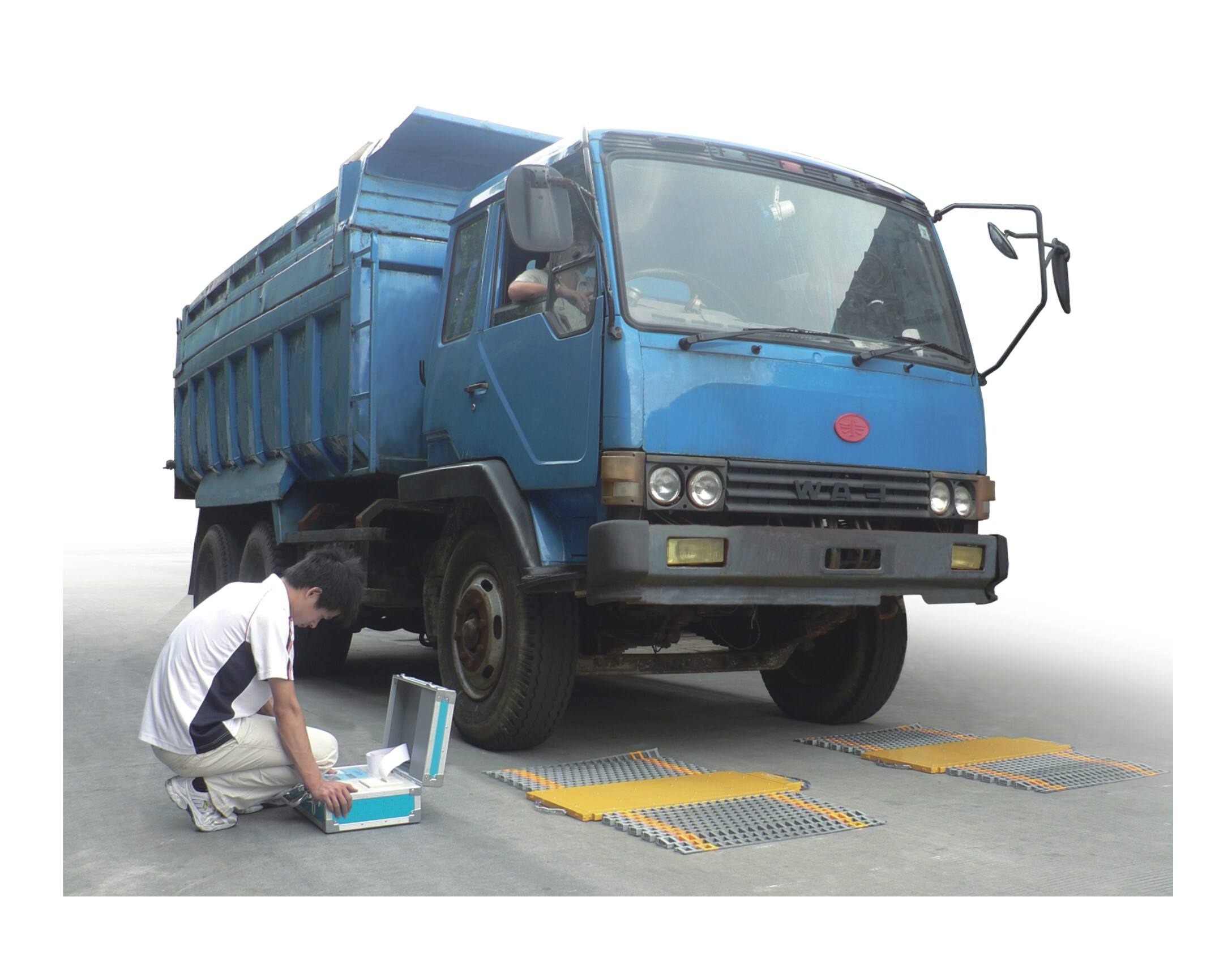
Selecting the appropriate weighing scale for industrial applications requires careful consideration of multiple factors that directly impact operational efficiency and measurement accuracy. Industrial environments demand precision instruments capable of withstanding harsh conditions while delivering consistent, reliable results. The right weighing scale becomes an integral component of quality control processes, inventory management systems, and production workflows across various manufacturing sectors.
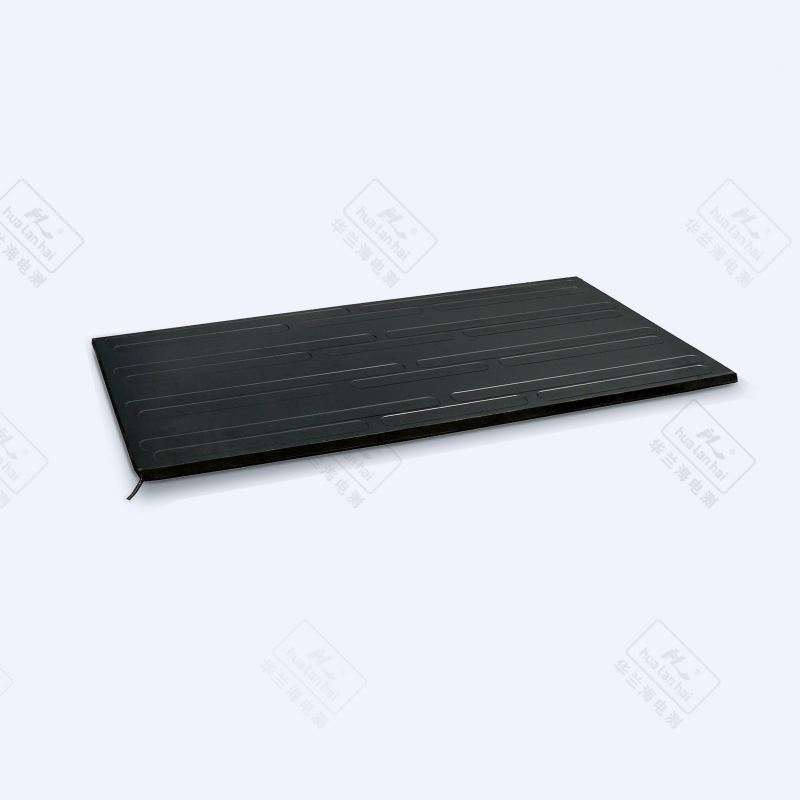
Modern industrial facilities rely heavily on accurate weight measurements for maintaining product consistency and meeting regulatory compliance standards. A poorly chosen weighing scale can result in costly production errors, regulatory violations, and compromised product quality. Understanding the technical specifications and operational requirements ensures optimal performance and long-term reliability in demanding industrial environments.
Essential Features for Industrial Weighing Applications
Load Capacity and Platform Design Considerations
Industrial weighing scale selection begins with determining the maximum load capacity required for specific applications. Manufacturing facilities typically handle materials ranging from small components to heavy machinery parts, necessitating scales with varying weight ranges. Platform size directly correlates with the dimensions of items being weighed, requiring adequate surface area to accommodate irregularly shaped objects safely.
The construction materials used in platform design significantly influence durability and measurement accuracy. Stainless steel platforms offer superior corrosion resistance in environments exposed to moisture, chemicals, or food processing applications. Heavy-duty steel constructions provide exceptional strength for handling extremely heavy loads while maintaining structural integrity over extended operational periods.
Precision and Accuracy Standards
Measurement precision requirements vary significantly across different industrial applications, with some processes demanding accuracy to the nearest gram while others require precision to fractions of an ounce. A high-quality weighing scale must maintain consistent accuracy across its entire operational range, from minimum detectable weights to maximum capacity limits. Calibration capabilities ensure long-term accuracy maintenance and compliance with industry-specific measurement standards.
Digital display readability becomes crucial in fast-paced industrial environments where operators must quickly obtain accurate measurements. Advanced weighing scale models incorporate high-resolution displays with customizable units, allowing seamless integration with existing measurement protocols and documentation systems.
Environmental Factors and Durability Requirements
Temperature and Humidity Resistance
Industrial environments often subject weighing equipment to extreme temperature fluctuations and varying humidity levels that can affect measurement accuracy and equipment longevity. A reliable weighing scale must maintain consistent performance across specified temperature ranges while compensating for thermal expansion effects on internal components. Humidity-resistant designs prevent moisture infiltration that could compromise electronic circuits and load cell functionality.
Climate-controlled facilities may have less stringent environmental requirements, but outdoor or warehouse applications demand weatherproof constructions with appropriate ingress protection ratings. Sealed enclosures protect sensitive electronic components from dust, moisture, and temperature extremes while maintaining user accessibility for routine operations and maintenance procedures.
Chemical and Corrosion Resistance
Chemical processing facilities, food production environments, and pharmaceutical manufacturing operations expose weighing equipment to potentially corrosive substances that can degrade standard materials over time. Specialized weighing scale constructions utilize corrosion-resistant materials and protective coatings to withstand exposure to acids, bases, cleaning agents, and other aggressive chemicals commonly found in industrial settings.
Washdown capabilities enable thorough cleaning and sanitization procedures required in hygienic manufacturing environments. The weighing scale design must incorporate sealed connections and drainage features to prevent contamination while facilitating comprehensive cleaning protocols that meet regulatory sanitation standards.
Integration Capabilities and Connectivity Options
Data Management and Recording Systems
Modern industrial operations require seamless data integration between weighing equipment and enterprise management systems for real-time inventory tracking, quality control documentation, and production monitoring. Advanced weighing scale models offer multiple connectivity options including USB ports, Ethernet connections, and wireless communication capabilities that enable automatic data transfer to centralized databases and manufacturing execution systems.
Programmable memory functions allow storage of frequently used settings, tare weights, and calibration parameters that streamline routine operations and reduce operator training requirements. Data logging capabilities provide comprehensive measurement histories that support traceability requirements and quality assurance protocols essential for regulated industries.
Automation and Process Control Integration
Automated production lines benefit from weighing scale integration with programmable logic controllers and supervisory control systems that enable hands-free operation and process optimization. Digital signal outputs trigger downstream processes based on predetermined weight thresholds, while input controls allow remote operation and parameter adjustments from central control stations.
Conveyor-mounted weighing systems provide continuous monitoring capabilities for high-throughput operations where manual weighing would create production bottlenecks. These integrated solutions require specialized weighing scale designs that accommodate dynamic loading conditions while maintaining measurement accuracy at various conveyor speeds.
Compliance and Certification Requirements
Regulatory Standards and Legal Metrology
Trade-approved weighing scale certifications ensure compliance with legal metrology requirements for commercial transactions and regulatory reporting. Different industries have specific certification requirements ranging from NTEP approval for commercial trade applications to FDA compliance for pharmaceutical and food processing environments. Understanding applicable regulations prevents costly compliance issues and ensures measurement validity for legal documentation purposes.
Calibration frequency requirements vary based on application criticality and regulatory mandates, with some industries requiring daily verification procedures while others accept monthly or annual calibration schedules. Documented calibration procedures and certified reference standards maintain measurement traceability and support quality management system requirements.
Safety and Hazardous Area Classifications
Facilities handling flammable materials or operating in potentially explosive atmospheres require intrinsically safe weighing scale designs that prevent ignition sources from electrical components. Explosion-proof enclosures and certified safety barriers protect against hazardous conditions while maintaining full operational functionality for critical measurement applications.
Load handling safety features prevent equipment damage and operator injury during weighing operations. Overload protection systems automatically shut down weighing functions when loads exceed safe operating limits, while anti-vibration mountings reduce measurement errors caused by facility mechanical disturbances.
Cost Analysis and Return on Investment
Initial Purchase Price versus Long-term Value
While initial weighing scale procurement costs represent significant capital expenditures, long-term operational savings through improved accuracy, reduced maintenance requirements, and enhanced productivity often justify premium equipment investments. High-quality industrial scales typically offer extended warranty coverage and longer operational lifespans that reduce total cost of ownership compared to budget alternatives requiring frequent repairs or replacements.
Energy efficiency considerations become important for battery-operated or continuous-use applications where power consumption affects operational costs. Advanced weighing scale designs incorporate power management features that extend battery life and reduce electrical consumption without compromising measurement performance or functionality.
Maintenance and Service Requirements
Preventive maintenance schedules and service accessibility significantly impact long-term operational costs and equipment reliability. Modular weighing scale designs facilitate component replacement and repair procedures, while comprehensive service documentation supports in-house maintenance capabilities that reduce dependency on external service providers.
Availability of replacement parts and technical support services influences equipment selection decisions, particularly for critical applications where measurement downtime directly impacts production schedules. Established manufacturers typically offer better parts availability and technical expertise compared to newer market entrants with limited service networks.
FAQ
What load capacity should I choose for my industrial weighing scale
Select a weighing scale with load capacity approximately 25-50% higher than your maximum expected load to ensure accuracy and prevent overload damage. Consider future expansion needs and occasional oversized items that may exceed normal operating weights. Higher capacity scales generally offer better durability and longer service life in demanding industrial environments.
How often should industrial weighing scales be calibrated
Calibration frequency depends on usage intensity, accuracy requirements, and regulatory mandates. Critical applications may require daily verification, while general industrial use typically needs monthly or quarterly calibration. Environmental conditions, load frequency, and measurement precision requirements influence optimal calibration schedules for maintaining accuracy and compliance standards.
Can weighing scales operate reliably in harsh industrial environments
Yes, properly specified industrial weighing scale models withstand extreme temperatures, humidity, dust, and chemical exposure through ruggedized constructions and protective enclosures. Environmental ratings indicate suitability for specific conditions, while specialized materials and sealing methods ensure reliable operation in challenging industrial settings without compromising measurement accuracy or equipment longevity.
What connectivity options are available for data integration
Modern weighing scale systems offer USB, Ethernet, RS-232, and wireless connectivity options for seamless integration with enterprise systems. Cloud-based data storage and real-time monitoring capabilities enable remote access and automated reporting functions. Advanced models support multiple communication protocols for compatibility with existing industrial automation and inventory management systems.