
 EN
EN
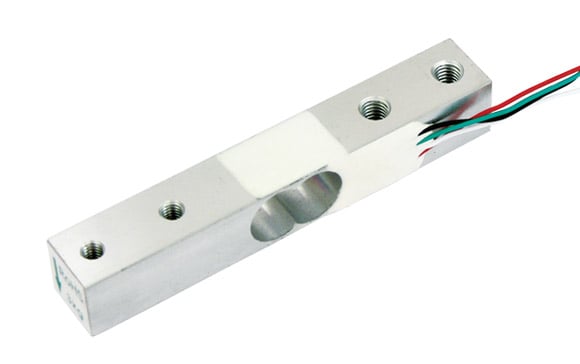
Heavy-duty industrial environments demand precision measurement tools that withstand extreme conditions while maintaining accuracy. A load cell represents one of the most reliable force measurement technology solutions available today, converting mechanical force into electrical signals that operators and control systems can interpret instantly. Understanding where load cells perform most effectively helps engineers and facility managers optimize their measurement infrastructure and ensure operational safety.
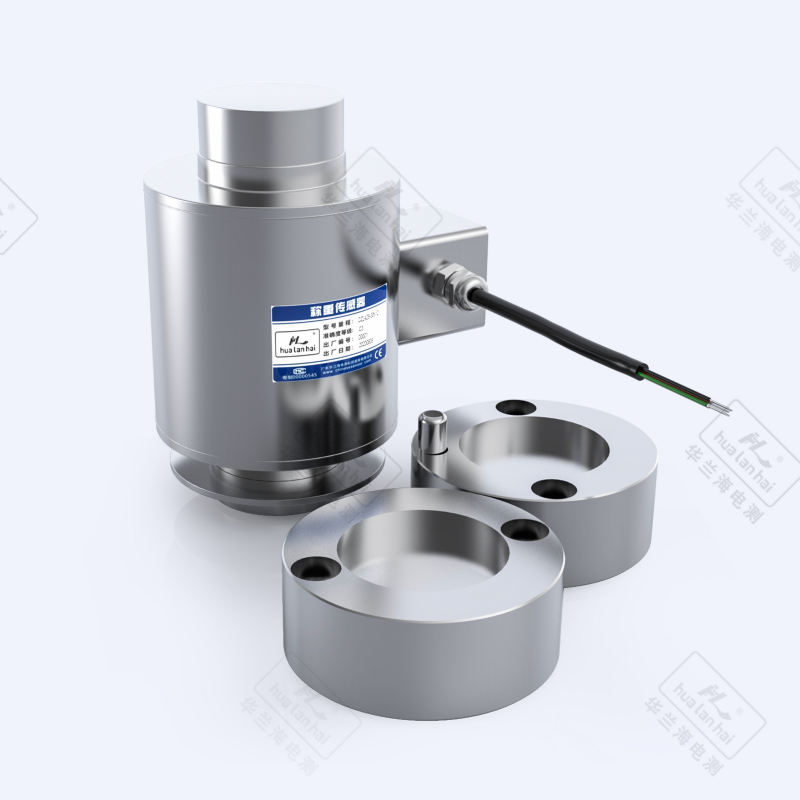
The effectiveness of force measurement technology depends largely on application context, environmental factors, and specific measurement requirements. Load cells excel in scenarios requiring continuous monitoring, high repeatability, and fast response times. Whether deployed in compression testing, structural monitoring, or industrial weighing systems, these devices provide the quantifiable data that supports quality control, safety protocols, and operational efficiency across multiple industries.
Heavy-Scale Industrial Weighing Operations
Bulk Material Handling and Batching Systems
Industrial facilities processing raw materials depend on accurate weight measurements to maintain product consistency and cost control. Load cell technology provides the precision required for automated batching, where exact quantities of ingredients or components must combine to meet production specifications. In cement plants, chemical processing facilities, and pharmaceutical manufacturing, weight transducer calibration ensures that each batch meets regulatory standards and customer requirements. These strain gauge sensor implementations operate reliably in dusty, vibration-prone environments where traditional mechanical scales would fail.
Hopper systems, belt scales, and platform scales all rely on force measurement technology to deliver real-time feedback to process control systems. Load cells mounted beneath hoppers detect material load changes instantly, triggering automated shutoff mechanisms when target weights are reached. This precision prevents overages that waste materials and reduces quality inconsistencies that damage brand reputation. The repeatability of modern load cell designs ensures that measurements remain consistent across thousands of cycles, supporting lean manufacturing initiatives and reducing scrap rates.
Railway and Transportation Weighing
Transportation networks require rapid, non-destructive weight verification to enforce load regulations and prevent infrastructure damage. Weigh-in-motion systems using load cell arrays measure vehicle weight without stopping traffic, protecting road surfaces and bridges from overloaded trucks. Railway applications employ track-embedded load cells to monitor car weights during loading operations, preventing accidents and ensuring regulatory compliance. The force measurement technology integrated into these systems operates continuously, capturing millions of measurements annually while maintaining calibration standards that authorities demand.
Structural Monitoring and Construction Applications
Foundation and Load-Bearing Verification
Large construction projects must monitor structural loads during assembly to verify that designs perform as calculated. Load cells installed at critical support points measure actual force distribution, comparing real-world conditions to engineering models. Bridge construction, offshore platform assembly, and skyscraper projects all employ strain gauge sensor technology to ensure safety margins remain adequate throughout construction phases. When unexpected loads develop, real-time load cell data alerts supervisors before structural damage occurs, preventing catastrophic failures that endanger workers and equipment.
Long-term structural health monitoring uses permanently installed load cells to track changes in load distribution as buildings age or undergo renovation. Weight transducer calibration at installation establishes baseline measurements, allowing engineers to detect deviations that indicate foundation settlement, structural damage, or material degradation. This predictive capability extends infrastructure lifespan, reduces emergency repairs, and maintains safety certifications. Historical load cell data also supports engineering investigations when structural issues develop, providing forensic evidence that clarifies root causes.
Crane and Lifting Equipment Verification
Crane operators must never exceed manufacturer load ratings, yet determining actual suspended load requires reliable measurement. Load cells integrated into lifting lugs and shackles provide real-time force measurement technology that displays loads on operator displays, preventing dangerous overloads. The confidence that accurate load cell readings provide eliminates guesswork and enables operators to work safely at maximum capacity. Industrial environments with multiple cranes benefit from standardized weight transducer calibration protocols that ensure all lifting equipment provides consistent, trustworthy measurements.
Material Testing and Quality Control Operations
Tension and Compression Testing Labs
Materials science requires precise force measurement to characterize how metals, composites, concrete, and other substances behave under stress. Universal testing machines employ load cell sensors as primary measurement components, capturing force data at sample failure points and throughout loading cycles. Strain gauge sensor accuracy directly affects the validity of material certifications that downstream manufacturers depend on when specifying component materials. Laboratory load cells operate in controlled environments where force measurement technology delivers the repeatability and precision that research and quality standards demand.
Product development cycles rely on load cell data to validate designs before manufacturing begins. Prototype testing uses force measurement technology to verify that components meet strength specifications and durability requirements. When products fail testing, load cell measurements identify failure points and support root-cause analysis. This data-driven development approach reduces time-to-market by eliminating designs that would fail in field service. The cost of discovering inadequate designs through load cell testing pales compared to warranty claims and reputation damage from field failures.
Process Quality Assurance
Manufacturing facilities employ load cells in assembly lines to verify that fastening torque, bolt tension, and press-fit forces remain within specifications. Real-time load cell feedback enables operators to make adjustments before producing defective parts. Weight transducer calibration protocols ensure that quality measurements remain consistent across all production shifts and equipment. This continuous verification supports zero-defect initiatives and reduces customer complaints related to mechanical failures.
FAQ
In which industries do load cells provide the greatest measurement benefits?
Load cells deliver exceptional value across industries requiring heavy-duty measurement, including steel and metal manufacturing, chemical processing, pharmaceutical production, construction and heavy equipment, transportation and logistics, aerospace component testing, and automotive manufacturing. Any industry processing materials by weight or monitoring structural loads benefits from force measurement technology. The reliability of load cell systems in harsh environments makes them the preferred choice where traditional mechanical measurement fails.
How does weight transducer calibration affect measurement accuracy?
Weight transducer calibration establishes the relationship between applied force and electrical output, ensuring that measurements accurately reflect actual loads. Regular recalibration maintains accuracy as sensors age and environmental factors affect performance. Proper calibration procedures using certified test weights guarantee that load cell readings remain trustworthy throughout operational life. Many industries require documented calibration records to demonstrate that measurements meet regulatory standards and support quality certifications.
What advantages do strain gauge sensors offer over mechanical force measurement methods?
Strain gauge sensor technology provides digital output compatible with modern control systems, enabling automated monitoring and data logging. Load cells deliver fast response times suited to dynamic applications where mechanical measurements lag. The precision of strain gauge sensors supports tighter tolerances in manufacturing and quality control. Additionally, load cells operate reliably in extreme temperatures, humid environments, and vibration-intensive settings where mechanical instruments would fail or require constant maintenance.