
 EN
EN
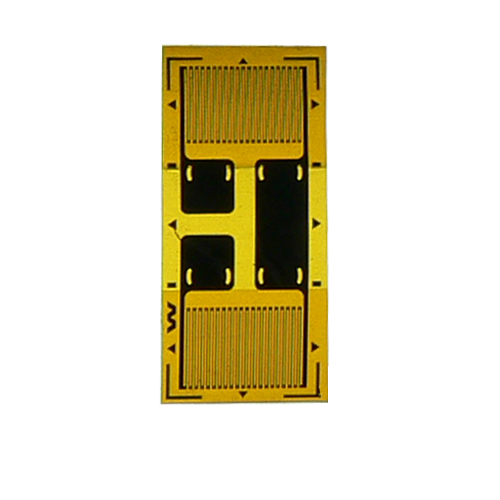
Industrial measurement systems depend on accurate data collection to ensure product quality, safety, and operational efficiency. A strain gauge is one of the most critical components in these systems, converting mechanical deformation into measurable electrical signals. Whether monitoring structural integrity, force distribution, or material behavior, strain gauges provide the precision engineers need to make informed decisions about equipment performance and reliability.

Modern industrial environments demand real-time monitoring across multiple parameters. Stress measurement equipment like load cell technology integrates strain gauge principles to deliver comprehensive sensing solutions. From aerospace structural testing to manufacturing floor weight verification, these technologies have become indispensable for maintaining operational standards and preventing costly failures. Understanding the core applications of strain gauges helps engineers select the right measurement tools for their specific operational challenges.
Load Cell Technology and Force Measurement
How Load Cells Leverage Strain Gauge Principles
Load cell technology relies fundamentally on strain gauge sensors to detect minute changes in metal deformation under applied force. When a load is applied to a load cell, the internal structure deforms elastically, and embedded strain gauges measure this deformation with exceptional precision. The strain gauge converts mechanical strain into resistance change, which is then amplified and converted into a digital weight or force reading. This integration of load cell technology with strain gauge sensors ensures accuracy within fractions of a percent, making these systems suitable for critical weighing applications.
Industrial Applications of Load Cells
Load cell technology finds extensive use in manufacturing plants for precise ingredient batching, material handling verification, and finished goods quality control. Automotive assembly lines depend on load cells equipped with strain gauge elements to confirm component weights during assembly processes. Food and beverage operations use load cell technology to ensure precise portioning and recipe compliance. Warehouse management systems integrate load cells to track inventory accuracy and prevent shipping errors. The reliability of load cell technology directly impacts production efficiency and customer satisfaction across these industries.
Stress Measurement Equipment in Structural Monitoring
Real-Time Structural Health Assessment
Bridges, buildings, and industrial infrastructure require continuous stress measurement equipment to detect early signs of structural fatigue or instability. Strain gauges embedded within stress measurement equipment continuously monitor tensile and compressive forces acting on critical load-bearing members. Engineers can track how external factors such as wind, temperature, and vibration affect structural performance over extended periods. This stress measurement equipment provides early warning signals when conditions approach unsafe thresholds, allowing maintenance teams to intervene before catastrophic failure occurs. The integration of multiple strain gauge sensors creates comprehensive stress measurement equipment networks that map stress distribution across entire structures.
Predictive Maintenance Through Continuous Monitoring
Stress measurement equipment enables predictive maintenance strategies by establishing baseline performance metrics and detecting deviations that signal wear or damage. Rather than relying on fixed maintenance schedules, operators can adjust service intervals based on actual strain gauge readings from stress measurement equipment. This approach reduces unnecessary downtime while preventing unexpected equipment failures. Industrial facilities that deploy advanced stress measurement equipment networks experience measurable improvements in asset lifespan and operational safety. The data collected by stress measurement equipment also informs future design improvements and material selection decisions.
Pressure Transducer Sensor Integration and System Performance
Combining Strain Gauges with Pressure Measurement
Pressure transducer sensors often incorporate strain gauge technology to measure fluid and gas pressures across industrial systems. A pressure transducer sensor detects pressure changes that cause internal diaphragm deformation, which strain gauges within the pressure transducer sensor measure precisely. This combination allows single instruments to serve multiple monitoring functions with exceptional accuracy and reliability. Hydraulic systems, pneumatic controls, and process vessels all rely on pressure transducer sensor accuracy to maintain safe operating conditions and product consistency. The strain gauge at the heart of modern pressure transducer sensors ensures repeatable measurements across thousands of operational cycles without performance degradation.
System Reliability and Data Integrity
Pressure transducer sensor technology safeguards industrial processes by providing continuous, real-time feedback on system conditions. Chemical processing plants depend on pressure transducer sensor networks to prevent reactions from reaching dangerous states. Energy generation facilities use pressure transducer sensors throughout steam and fluid systems to optimize efficiency and prevent equipment damage. Food processing operations employ pressure transducer sensors in sterilization and preservation equipment to ensure product safety. The embedded strain gauge technology within pressure transducer sensors delivers the sensitivity and stability required for these critical applications, making them essential components of modern industrial control systems.
FAQ
What makes strain gauge accuracy so important in industrial settings?
Strain gauge accuracy directly impacts safety, quality control, and regulatory compliance across industrial operations. Small measurement errors in load cell technology or stress measurement equipment can lead to product defects, safety hazards, or equipment damage. Industries like aerospace, pharmaceuticals, and structural engineering cannot tolerate measurement uncertainties because they affect life-critical systems. Accurate strain gauges enable engineers to maintain tight tolerances, verify equipment performance, and collect reliable data for process optimization. Investing in high-quality strain gauge technology reduces rework costs, warranty claims, and regulatory violations.
How do pressure transducer sensors differ from traditional mechanical pressure gauges?
Pressure transducer sensors provide digital output signals compatible with modern automation systems, while traditional mechanical gauges only display analog readings. Pressure transducer sensors equipped with strain gauge technology offer superior repeatability, faster response times, and easier integration into control systems. Traditional gauges suffer from parallax reading errors and drift over time, whereas pressure transducer sensors maintain calibration stability for extended periods. Digital pressure transducer sensor data enables automated alerts, trend analysis, and remote monitoring capabilities. Most modern industrial facilities have transitioned to pressure transducer sensor technology because it supports Industry 4.0 requirements and data-driven decision-making.
Can strain gauges function reliably in harsh industrial environments?
Modern strain gauge designs incorporate protective coatings, stainless steel construction, and temperature compensation to operate reliably in demanding conditions. Load cell technology and stress measurement equipment used in mining, petrochemical, and steel manufacturing employ rugged strain gauge configurations that withstand extreme temperatures, humidity, and corrosive atmospheres. Proper installation, regular calibration, and appropriate environmental protection ensure strain gauge longevity even in harsh settings. Engineers can select strain gauge materials and configurations specifically suited to their environmental challenges, ensuring consistent performance throughout equipment lifespan. Advanced pressure transducer sensor designs now routinely function in environments that would have damaged earlier-generation instruments.