
 EN
EN
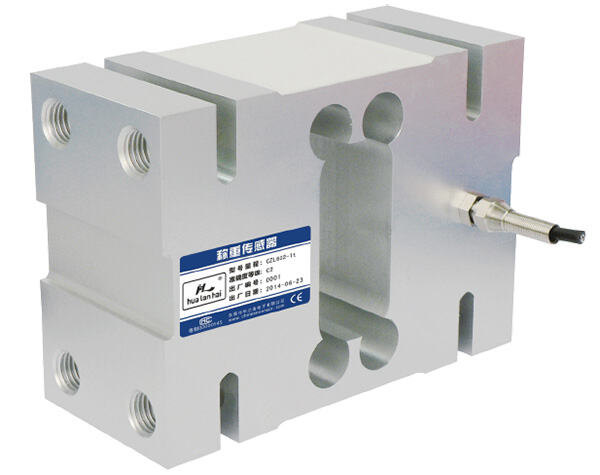
Selecting the right load cell for your application requires careful consideration of multiple technical and operational factors that directly impact measurement accuracy, system reliability, and long-term performance. Whether you're designing a new weighing system or upgrading existing equipment, understanding the key parameters that influence load cell selection will help you make an informed decision that meets your specific requirements. The complexity of modern industrial applications demands precise force measurement solutions that can withstand environmental challenges while delivering consistent, repeatable results across various operating conditions.
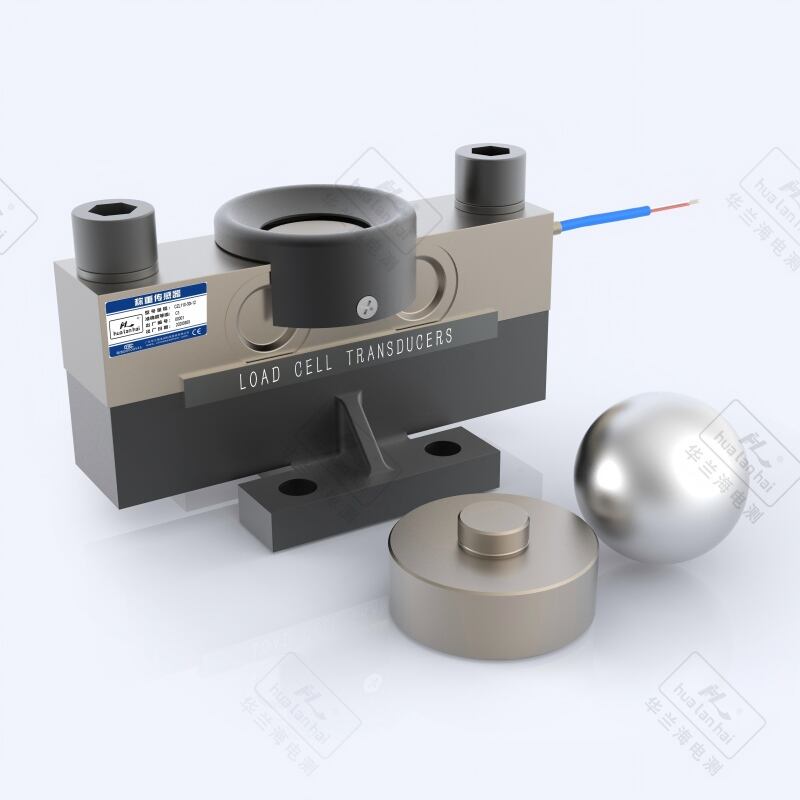
Understanding Load Cell Types and Construction
Strain Gauge Technology Fundamentals
Strain gauge load cells represent the most common technology in force measurement applications, utilizing the principle that electrical resistance changes when a conductor is mechanically deformed. The strain gauges are bonded to a specially designed elastic element that deforms proportionally under applied load. This deformation creates minute resistance changes that are converted into electrical signals through a Wheatstone bridge configuration. The quality of strain gauge bonding, the precision of the elastic element machining, and the stability of the adhesive used all contribute to the overall performance and longevity of the load cell.
Temperature compensation is achieved through careful selection of strain gauge alloys and strategic placement of temperature compensation gauges within the bridge circuit. The elastic element material, typically high-grade alloy steel or stainless steel, must exhibit excellent fatigue resistance and minimal creep characteristics to ensure long-term stability. Manufacturing tolerances in the elastic element directly affect the load cell's linearity, hysteresis, and repeatability specifications.
Mechanical Design Configurations
Column-type load cells feature a cylindrical design that provides excellent performance in both compression and tension applications. The uniform stress distribution achieved through the column geometry results in superior linearity and minimal off-center loading effects. Shear beam load cells utilize a rectangular beam element with strategically placed strain gauges that measure shear strain rather than bending strain, offering excellent side load rejection and compact installation requirements.
Single point load cells incorporate a specialized beam design that maintains accuracy even when the load is not applied at the center of the platform. This characteristic makes them ideal for small to medium-capacity weighing applications where perfect load centering cannot be guaranteed. Compression load cells are designed specifically for compressive forces and often feature built-in overload protection through mechanical stops that prevent damage during excessive loading conditions.
Capacity and Range Selection Criteria
Determining Optimal Load Range
Proper capacity selection requires analyzing both the maximum expected load and the minimum readable increment needed for your application. A load cell should typically be sized so that normal operating loads fall between 10% and 90% of the rated capacity to achieve optimal accuracy and resolution. Operating consistently near the maximum capacity can lead to premature fatigue failure, while operating at very low percentages of capacity may result in poor signal-to-noise ratios and reduced measurement precision.
Safety factors must account for potential overload conditions, including dynamic loading, impact forces, and operational variations that exceed normal steady-state conditions. Consider the total system weight, including platform, support structure, and any dead load that will be permanently present. Dynamic loading factors should include acceleration forces, vibration effects, and any shock loading that may occur during normal operation or material handling processes.
Resolution and Sensitivity Requirements
The relationship between load cell capacity and measurement resolution directly affects system performance in precision weighing applications. Higher capacity load cells generally provide lower sensitivity per unit of applied force, requiring careful balance between capacity and resolution requirements. Digital load cells offer programmable resolution settings, while analog load cells depend on the resolution of the associated instrumentation and the signal processing capabilities of the weighing system.
Signal amplification and conditioning electronics play crucial roles in achieving desired resolution levels, particularly in applications requiring high precision measurements. The native sensitivity of the load cell, typically expressed in millivolts per volt per unit of applied force, determines the baseline signal strength available for processing. Environmental electrical noise, electromagnetic interference, and thermal effects can all impact the achievable resolution in real-world installations.
Environmental Considerations and Protection
Ingress Protection and Sealing
Environmental sealing requirements vary significantly based on installation location and exposure conditions. IP67 and IP68 ratings provide protection against water immersion and dust ingress, essential for outdoor installations or wash-down environments common in food processing and pharmaceutical industries. The sealing system must protect not only the strain gauge elements but also the electrical connections and cable entry points from moisture penetration and corrosive substances.
Hermetically sealed load cells utilize welded stainless steel construction with glass-to-metal electrical feed-throughs, providing superior long-term protection in harsh environments. The cable and connector systems must match the protection level of the load cell itself to maintain overall system integrity. Consider the potential for thermal cycling that can create pressure differentials and stress sealing systems over time.
Temperature Compensation and Stability
Temperature variations affect load cell performance through multiple mechanisms, including changes in elastic modulus, thermal expansion of the mechanical structure, and temperature coefficient effects in the strain gauge resistance. Compensated temperature ranges specify the operating conditions where temperature effects are minimized through built-in compensation techniques. Beyond these ranges, additional temperature correction may be required in the instrumentation system.
Thermal shock resistance becomes critical in applications involving rapid temperature changes, such as furnace monitoring or cryogenic weighing systems. The thermal mass of the load cell affects response time to temperature changes, while thermal gradients across the structure can create measurement errors. Proper thermal design includes consideration of heat sinking, insulation, and thermal barriers to minimize temperature-related measurement drift.
Accuracy Specifications and Performance Parameters
Understanding Error Sources and Specifications
Load cell accuracy encompasses multiple error sources including nonlinearity, hysteresis, repeatability, and temperature effects. Nonlinearity represents the maximum deviation from a straight-line relationship between applied force and output signal across the operating range. Hysteresis measures the difference in output readings when approaching the same load point from increasing versus decreasing load directions, indicating energy losses in the mechanical structure.
Repeatability specifications define the consistency of output readings when the same load is applied multiple times under identical conditions. This parameter reflects the fundamental precision capability of the load cell and affects the reliability of measurement results in process control applications. Combined accuracy specifications provide an overall assessment of measurement uncertainty by incorporating all significant error sources into a single specification.
Calibration and Traceability Requirements
Calibration procedures establish the relationship between applied force and electrical output through comparison with traceable force standards. Multi-point calibration across the operating range provides more accurate characterization than simple two-point calibration methods. The calibration process must account for the specific mounting and loading conditions that will be encountered in the actual application.
Traceability to national standards becomes essential in applications requiring measurement accuracy validation, quality certification, or regulatory compliance. Calibration certificates should specify the uncertainty of the calibration process and the environmental conditions during calibration. Regular recalibration intervals depend on application criticality, usage patterns, and environmental exposure conditions that may affect long-term stability.
Installation and Mounting Considerations
Mechanical Mounting Requirements
Proper mounting techniques are essential for achieving specified load cell performance and preventing premature failure. The mounting surfaces must be flat, parallel, and properly finished to ensure uniform load distribution across the load cell interface. Mounting hardware should provide adequate preload to prevent movement during operation while avoiding excessive stress concentration that could affect measurement accuracy.
Load introduction methods must be designed to minimize side loads, moment forces, and thermal stresses that can degrade measurement accuracy or cause structural damage. Flexible connections, gimbal mounts, and load buttons help isolate the load cell from unwanted forces while maintaining proper load transfer characteristics. The overall mechanical system stiffness affects dynamic response and measurement stability under varying load conditions.
Electrical Integration and Signal Processing
Electrical connections require careful attention to cable routing, shielding, and grounding practices to minimize noise pickup and signal degradation. Shielded cables with twisted pair conductors help reduce electromagnetic interference, while proper grounding techniques prevent ground loops and electrical noise. The distance between load cells and instrumentation affects signal strength and noise susceptibility, particularly in analog systems.
Multi-load cell installations require attention to load sharing, corner correction, and system calibration procedures that account for individual load cell characteristics. Digital load cells offer advantages in multi-cell systems through individual addressing, built-in diagnostics, and simplified wiring requirements. Signal conditioning electronics should provide appropriate filtering, amplification, and analog-to-digital conversion matched to the load cell specifications and application requirements.
Cost Analysis and Selection Strategy
Total Cost of Ownership Evaluation
Initial purchase price represents only one component of the total cost associated with load cell selection and implementation. Installation costs include mounting hardware, electrical connections, calibration procedures, and system integration activities that vary significantly based on application complexity. Maintenance requirements encompass routine calibration, inspection procedures, and potential replacement costs over the expected service life.
Higher-quality load cells often provide better long-term value through improved stability, reduced maintenance requirements, and extended service life. The cost of measurement errors, system downtime, and quality control failures should be considered when evaluating load cell options. Environmental protection features may increase initial costs but provide significant savings in harsh operating conditions.
Performance versus Cost Optimization
Matching load cell performance specifications to actual application requirements helps optimize the cost-performance relationship without over-specifying unnecessary capabilities. Critical applications may justify premium load cells with enhanced specifications, while routine weighing applications may achieve adequate performance with standard industrial grade products. Consider future expansion requirements and changing application needs that may affect load cell selection criteria.
Standardization benefits include reduced inventory requirements, simplified maintenance procedures, and improved technician familiarity with system components. Volume purchasing agreements may provide cost advantages for multiple load cell installations, while maintaining flexibility for specialized applications that require unique specifications. Supplier selection should consider technical support capabilities, replacement part availability, and service response times.
FAQ
What is the difference between compression and tension load cells
Compression load cells are designed to measure forces that push or compress the sensing element, while tension load cells measure pulling or stretching forces. Compression load cells typically feature a column or button design with the force applied along the central axis, providing excellent stability and overload protection. Tension load cells incorporate threaded ends or attachment points for connecting to the structure being measured, and they must be designed to handle the stress concentrations at the attachment points. Some load cells are designed for both compression and tension operation, offering versatility in bidirectional force measurement applications.
How do I determine the appropriate capacity for my load cell application
Select a load cell capacity that allows normal operating loads to fall between 20% and 80% of the rated capacity for optimal accuracy and longevity. Consider the maximum expected load including safety factors for dynamic loading, impact forces, and potential overload conditions. Account for the weight of platforms, mounting hardware, and any permanent dead loads in the system. The minimum readable increment should be appropriate for your measurement precision requirements, keeping in mind that higher capacity load cells generally provide lower resolution per unit of applied force.
What environmental factors should I consider when selecting a load cell
Environmental considerations include temperature extremes, humidity levels, chemical exposure, vibration, and electromagnetic interference. Temperature variations affect load cell accuracy through thermal expansion and changes in material properties, requiring appropriate temperature compensation within the specified range. Moisture and chemical exposure necessitate proper sealing with appropriate ingress protection ratings such as IP67 or IP68. Vibration and shock loading can cause premature fatigue failure or measurement errors, requiring load cells with appropriate dynamic response characteristics and mechanical damping.
How often should load cells be calibrated
Calibration frequency depends on application criticality, accuracy requirements, environmental conditions, and regulatory compliance needs. Critical process control applications may require monthly or quarterly calibration, while routine weighing applications might operate satisfactorily with annual calibration intervals. Harsh environmental conditions, heavy usage patterns, and mechanical shock exposure can accelerate drift and necessitate more frequent calibration. Establish calibration schedules based on historical performance data, drift patterns, and the consequences of measurement errors in your specific application. Implement routine verification procedures between formal calibrations to monitor system performance and detect potential problems early.