
 EN
EN
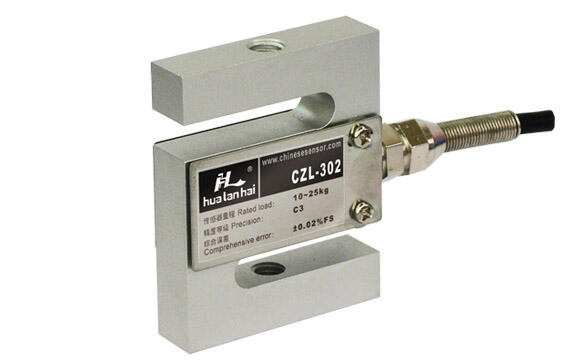
Load cells are precision instruments that require careful maintenance to ensure accurate measurements and reliable performance over extended periods. These critical components convert mechanical force into electrical signals, making them indispensable in various industrial applications where weight measurement accuracy directly impacts product quality and operational efficiency. Understanding proper maintenance procedures is essential for maximizing the lifespan and accuracy of your load cell investment while minimizing unexpected downtime and costly replacements.
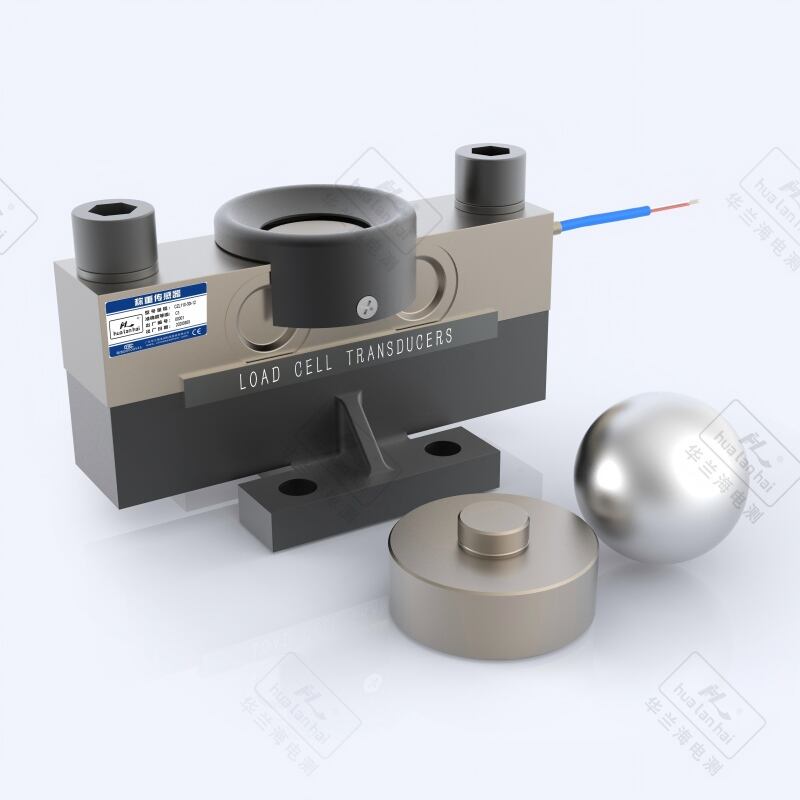
Environmental factors play a crucial role in load cell performance degradation. Temperature fluctuations, moisture exposure, and corrosive substances can significantly impact the accuracy and longevity of these sensitive measuring devices. Implementing proper environmental controls and protective measures forms the foundation of an effective maintenance strategy that preserves measurement precision throughout the equipment's operational life.
Environmental Protection and Housing Maintenance
Temperature Control and Thermal Stability
Temperature variations represent one of the most significant threats to load cell accuracy and stability. Extreme temperature changes cause thermal expansion and contraction of internal components, leading to measurement drift and potential structural damage. Installing proper insulation around the load cell housing helps maintain consistent operating temperatures and protects against rapid thermal cycling that can stress internal strain gauges.
Regular monitoring of ambient temperatures in load cell installations allows operators to identify potential thermal stress conditions before they impact measurement accuracy. Implementing temperature compensation features in the associated instrumentation can help maintain calibration accuracy across varying environmental conditions. Additionally, ensuring adequate ventilation around load cell installations prevents heat buildup that could accelerate component degradation.
Moisture and Contamination Prevention
Moisture infiltration poses serious risks to load cell electronics and can cause corrosion of internal components. Sealing integrity must be regularly inspected and maintained to prevent water ingress through cable connections and housing joints. Using appropriate IP-rated enclosures and regularly replacing worn seals ensures long-term protection against environmental moisture.
Contamination from dust, chemicals, and other airborne particles can accumulate on load cell surfaces and interfere with proper operation. Regular cleaning using appropriate solvents and non-abrasive materials removes harmful deposits without damaging sensitive components. Establishing cleaning schedules based on environmental conditions helps prevent contamination buildup that could affect measurement accuracy or cause premature component failure.
Electrical System Maintenance and Calibration
Cable Inspection and Connection Integrity
Load cell cables are vulnerable to damage from flexing, crushing, and environmental exposure. Regular visual inspection of cable runs identifies potential problems such as kinking, abrasion, or insulation damage that could lead to signal degradation or complete failure. Proper cable routing with adequate support and protection prevents mechanical stress that can cause intermittent connections or signal noise.
Connection points require periodic inspection and maintenance to ensure optimal signal transmission. Loose connections can introduce measurement errors and create safety hazards in critical applications. Tightening connection hardware to manufacturer specifications and applying appropriate corrosion inhibitors to metal contacts helps maintain reliable electrical connections throughout the system's operational life.
Calibration Verification and Adjustment
Regular calibration verification ensures that load cell measurements remain within acceptable accuracy tolerances. Establishing a calibration schedule based on manufacturer recommendations and application requirements helps identify drift before it impacts process quality. Using certified reference weights during calibration procedures ensures traceability to national measurement standards.
Documentation of calibration results provides valuable trending data that can indicate developing problems or the need for more frequent maintenance intervals. Significant changes in calibration adjustments may signal underlying mechanical or electrical problems that require immediate attention. Maintaining detailed calibration records also supports quality management systems and regulatory compliance requirements in many industries.
Mechanical Inspection and Structural Integrity
Load Path Verification and Alignment
Proper load application is critical for accurate load cell performance and longevity. Regular inspection of load introduction points ensures that forces are applied correctly through the load cell's primary axis without introducing side loads or moments that could damage internal components. Misalignment can cause premature bearing wear and measurement errors that compromise system accuracy.
Supporting structures and mounting hardware require periodic inspection to identify loosening, wear, or structural deformation that could affect load cell performance. Proper torquing of mounting bolts according to manufacturer specifications ensures secure installation without overstressing load cell components. Regular structural inspections help identify potential problems before they result in catastrophic failure or measurement inaccuracies.
Bearing and Pivot Point Maintenance
Load cells with mechanical bearings or pivot points require regular lubrication and inspection to maintain smooth operation and prevent excessive wear. Using appropriate lubricants specified by the manufacturer ensures compatibility with load cell materials and environmental conditions. Over-lubrication can attract contamination, while insufficient lubrication accelerates wear and increases friction that affects measurement accuracy.
Bearing replacement schedules should be based on manufacturer recommendations and actual operating conditions. High-cycle applications may require more frequent bearing maintenance than static weighing applications. Regular monitoring of bearing condition through vibration analysis or visual inspection helps identify wear patterns before they compromise load cell performance.
Preventive Maintenance Scheduling and Documentation
Maintenance Interval Optimization
Developing effective maintenance schedules requires understanding both manufacturer recommendations and actual operating conditions. Harsh environments may necessitate more frequent inspections and maintenance activities to preserve load cell performance. Monitoring system performance data helps optimize maintenance intervals to balance cost-effectiveness with reliability requirements.
Preventive maintenance activities should be scheduled during planned production downtime to minimize operational disruptions. Coordinating load cell maintenance with other equipment servicing maximizes efficiency and reduces overall maintenance costs. Proper scheduling also ensures that necessary tools, replacement parts, and qualified personnel are available when maintenance activities are performed.
Record Keeping and Trending Analysis
Comprehensive maintenance records provide valuable insights into load cell performance trends and help predict future maintenance needs. Documenting all maintenance activities, calibration results, and performance observations creates a historical database that supports reliability analysis and maintenance optimization efforts. This documentation also supports warranty claims and regulatory compliance requirements.
Trending analysis of maintenance data helps identify patterns that may indicate developing problems or opportunities for improvement. Regular review of maintenance records can reveal the effectiveness of current procedures and identify areas where maintenance practices could be enhanced. This analytical approach supports continuous improvement in maintenance effectiveness and load cell reliability.
Troubleshooting Common Load Cell Issues
Signal Anomalies and Drift Identification
Signal instability or drift often indicates developing problems that require immediate attention. Environmental factors such as temperature changes or moisture infiltration frequently cause measurement drift that compromises accuracy. Systematic troubleshooting procedures help isolate the root cause of signal problems and guide appropriate corrective actions.
Electronic interference from nearby equipment can also affect load cell signal quality and measurement accuracy. Proper grounding techniques and shielded cable installations help minimize interference effects. Regular monitoring of signal quality during normal operations provides early warning of developing problems before they significantly impact measurement accuracy.
Physical Damage Assessment and Repair
Physical inspection for cracks, corrosion, or deformation should be performed regularly as part of routine maintenance procedures. Load cell housings are designed to protect internal components, but external damage can compromise this protection and lead to premature failure. Early detection of physical damage allows for timely repairs that prevent more extensive and costly problems.
Professional assessment is often required when significant physical damage is discovered. Attempting repairs without proper expertise can worsen existing problems or create new safety hazards. Working with qualified service technicians ensures that repairs are performed correctly and that load cell performance is restored to original specifications.
FAQ
How often should load cells be calibrated for optimal accuracy
Calibration frequency depends on several factors including application criticality, environmental conditions, and manufacturer recommendations. Most industrial applications benefit from annual calibration verification, while critical processes may require quarterly or even monthly checks. High-accuracy applications or those subject to harsh conditions typically need more frequent calibration to maintain measurement integrity.
What are the most common causes of load cell failure
The leading causes of load cell failure include moisture infiltration, mechanical overload, electrical surge damage, and improper installation. Environmental factors such as extreme temperatures and corrosive atmospheres also contribute significantly to premature failure. Proper installation techniques and regular maintenance can prevent most of these failure modes and extend operational life.
Can load cells be repaired if they fail or become inaccurate
Many load cell problems can be repaired by qualified service technicians, particularly those involving cable damage, connection issues, or calibration drift. However, internal strain gauge damage or structural cracks typically require replacement rather than repair. Professional evaluation is necessary to determine whether repair is feasible and cost-effective compared to replacement options.
What environmental conditions pose the greatest risk to load cell performance
Extreme temperature variations, high humidity levels, and exposure to corrosive chemicals represent the most significant environmental threats to load cell longevity and accuracy. Vibration and shock loading can also cause premature wear and measurement errors. Implementing proper environmental protection measures significantly reduces these risks and extends equipment life.