
 EN
EN
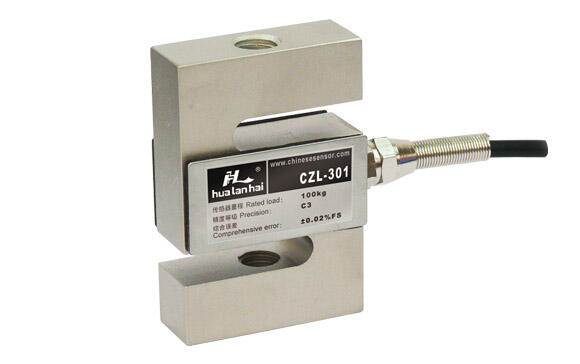
Industrial measurement accuracy forms the backbone of modern manufacturing, quality control, and process optimization across countless sectors. Among the most critical components in precision measurement systems, a load cell serves as the fundamental transducer that converts mechanical force into electrical signals with exceptional reliability. These sophisticated devices have revolutionized how industries approach weight measurement, force monitoring, and structural analysis, delivering unprecedented levels of accuracy that were previously unattainable with traditional mechanical systems.
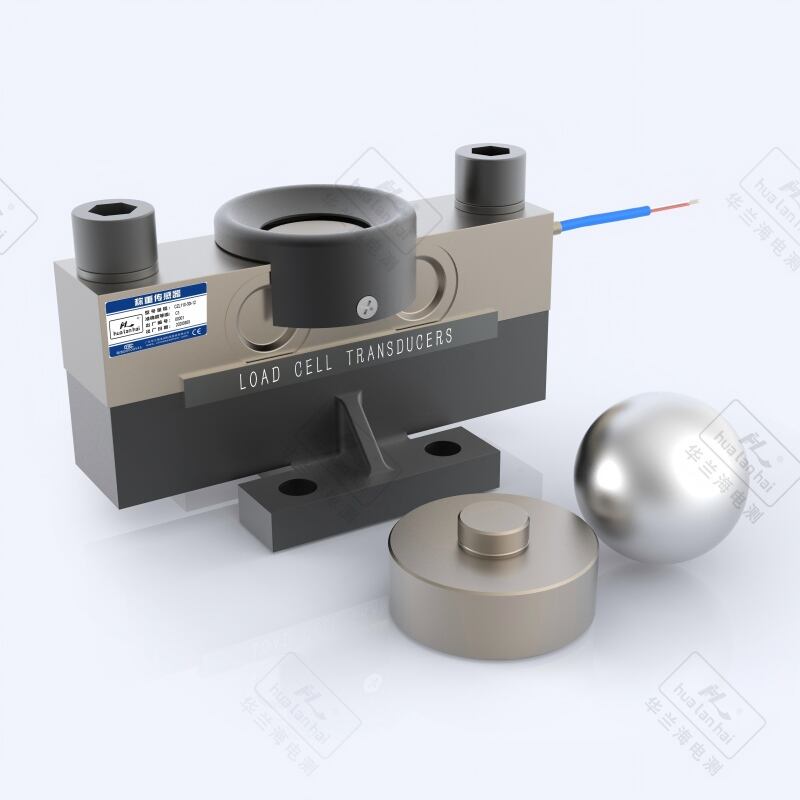
The precision demands of contemporary industrial applications have pushed measurement technology to new heights, where even minute variations can significantly impact product quality, safety standards, and operational efficiency. Load cells have emerged as indispensable tools in this landscape, offering consistent performance under varying environmental conditions while maintaining calibrated accuracy over extended operational periods. Their integration into automated systems has enabled real-time monitoring and control capabilities that enhance both productivity and safety protocols across diverse industrial environments.
Understanding Load Cell Technology and Its Measurement Principles
Fundamental Operating Mechanisms
Load cells operate on the principle of strain gauge technology, utilizing the piezoelectric effect to convert applied force into measurable electrical output. When mechanical stress is applied to the load cell structure, microscopic deformations occur within the material, causing changes in electrical resistance that correlate directly with the applied force magnitude. This relationship follows precise mathematical models that allow for highly accurate force calculations and measurements.
The internal construction of a load cell typically features multiple strain gauges arranged in a Wheatstone bridge configuration, which amplifies the small resistance changes and provides temperature compensation. This design ensures that environmental factors such as temperature fluctuations or humidity variations do not significantly affect measurement accuracy. The bridge configuration also eliminates common-mode errors and enhances signal stability, contributing to the overall precision of the measurement system.
Signal Processing and Digital Integration
Modern load cell systems incorporate advanced signal conditioning circuits that filter noise, amplify weak signals, and convert analog outputs to digital formats for seamless integration with computer-based monitoring systems. These processing capabilities enable real-time data acquisition, storage, and analysis, facilitating immediate response to measurement variations or threshold breaches. The digital output also allows for easy integration with existing industrial automation networks and SCADA systems.
Signal processing algorithms within contemporary load cell systems can compensate for non-linear responses, hysteresis effects, and thermal drift, further enhancing measurement accuracy. Advanced calibration routines automatically adjust for installation variations and aging effects, ensuring consistent performance throughout the operational lifespan. These features make load cells particularly valuable in applications requiring long-term stability and minimal maintenance intervention.
Accuracy Enhancement Through Proper Load Cell Selection
Capacity Rating and Resolution Considerations
Selecting the appropriate load cell capacity directly impacts measurement accuracy and system performance. Operating within the optimal range, typically between 10% and 90% of rated capacity, ensures maximum resolution and minimizes non-linearity errors. Oversized load cells may lack sufficient resolution for small weight variations, while undersized units risk damage from overload conditions and may exhibit reduced accuracy due to material stress limitations.
The resolution capability of a load cell determines the smallest weight change that can be reliably detected and measured. Higher-quality load cells offer superior resolution ratios, often exceeding 1:10,000 or even 1:100,000, enabling detection of minute weight variations that could indicate process deviations or quality issues. This enhanced resolution proves particularly valuable in pharmaceutical manufacturing, food processing, and precision assembly operations where small variations can significantly impact final product quality.
Environmental Compatibility and Protection Standards
Industrial environments present various challenges including temperature extremes, moisture, chemical exposure, and mechanical vibrations that can affect measurement accuracy. Load cells designed with appropriate protection ratings and environmental sealing maintain calibrated performance under adverse conditions. Stainless steel construction, hermetic sealing, and specialized coatings protect against corrosion and contamination while preserving measurement integrity.
Temperature compensation features built into high-quality load cells automatically adjust readings to account for thermal expansion and material property changes across operating temperature ranges. This compensation ensures consistent accuracy whether operating in freezing cold storage facilities or high-temperature industrial processes. Additionally, shock and vibration resistance features prevent mechanical disturbances from affecting measurement stability and long-term calibration drift.
Installation Best Practices for Maximum Accuracy
Mechanical Mounting and Alignment Procedures
Proper installation techniques are crucial for achieving optimal load cell accuracy and preventing measurement errors caused by side loading, binding, or misalignment. The mounting surface must be level, rigid, and properly supported to prevent flexing that could introduce extraneous forces. Careful attention to mechanical alignment ensures that applied forces remain parallel to the load cell sensing axis, preventing cross-talk between measurement axes that could compromise accuracy.
Installation hardware selection plays a significant role in measurement precision, with proper bearing plates, check rods, and anti-tip mechanisms preventing unwanted force components from affecting readings. These accessories also protect the load cell from damage due to excessive side loads or shock loading conditions. Regular inspection and maintenance of mounting hardware ensures continued accuracy and prevents gradual degradation of measurement performance over time.
Cable Management and Electrical Connections
Electrical installation practices significantly impact load cell performance and measurement stability. Proper cable routing prevents strain on connections and shields signal wires from electromagnetic interference that could introduce noise into the measurement system. Using appropriate cable lengths and avoiding sharp bends or kinks preserves signal integrity and prevents connection failures that could affect accuracy.
Grounding and shielding considerations become particularly important in industrial environments with heavy electrical machinery or radio frequency interference sources. Proper grounding techniques eliminate ground loops and reduce common-mode noise, while adequate shielding protects sensitive measurement signals from external interference. Regular inspection of electrical connections and cable condition helps maintain measurement accuracy and prevents intermittent errors that could compromise process control or quality assurance procedures.
Calibration and Maintenance for Sustained Accuracy
Calibration Procedures and Frequency Requirements
Regular calibration maintains load cell accuracy and ensures compliance with quality standards and regulatory requirements across various industries. Calibration procedures typically involve applying known reference weights and verifying that measured outputs correspond to expected values within specified tolerance ranges. This process identifies any drift or degradation in performance that might require adjustment or replacement of the load cell system.
Calibration frequency depends on application criticality, environmental conditions, and regulatory requirements, with some industries requiring monthly verification while others may extend intervals to annual checks. Documentation of calibration results provides traceability and helps identify trends that might indicate impending performance issues. Automated calibration systems can perform routine checks without interrupting production operations, ensuring continuous accuracy verification.
Preventive Maintenance and Performance Monitoring
Systematic maintenance programs help preserve load cell accuracy and extend operational lifespan while preventing unexpected failures that could disrupt production processes. Regular cleaning removes accumulated debris or contamination that might affect mechanical operation or electrical performance. Inspection of mechanical components identifies wear, corrosion, or damage before these issues compromise measurement accuracy.
Performance monitoring through trend analysis of calibration data can predict maintenance needs and identify gradual degradation before it affects measurement quality. Statistical process control techniques applied to load cell performance data help establish normal operating parameters and alert operators to deviations that might indicate maintenance requirements or calibration drift.
Applications Across Industrial Sectors
Manufacturing and Quality Control Implementation
Manufacturing industries rely heavily on load cell technology for quality control processes, raw material verification, and finished product inspection. Automated weighing systems integrated into production lines provide real-time feedback for process control while ensuring that products meet specified weight tolerances. This capability reduces waste, improves consistency, and helps maintain regulatory compliance in industries such as pharmaceuticals, food processing, and chemical manufacturing.
Integration with manufacturing execution systems enables comprehensive data collection and analysis, supporting continuous improvement initiatives and quality management programs. Load cell data can trigger automatic adjustments to production parameters, alert operators to potential issues, and provide documentation for regulatory audits. This integration enhances overall equipment effectiveness while reducing labor costs associated with manual inspection and quality control procedures.
Structural Monitoring and Safety Applications
Load cells play crucial roles in structural health monitoring systems for bridges, buildings, towers, and industrial equipment where accurate force measurement ensures safety and prevents catastrophic failures. These applications require exceptional long-term stability and reliability since structural loads change gradually over time and sudden variations might indicate dangerous conditions requiring immediate attention.
Safety-critical applications often incorporate redundant load cell systems and fail-safe monitoring protocols to ensure continuous operation and immediate notification of potential problems. Data logging capabilities provide historical records that support maintenance planning, structural analysis, and regulatory reporting requirements. Remote monitoring capabilities enable continuous surveillance without requiring personnel to access potentially dangerous locations.
FAQ
What factors most significantly affect load cell measurement accuracy?
Several key factors influence load cell accuracy including proper capacity selection, environmental conditions, installation quality, and maintenance practices. Operating within the optimal load range maximizes resolution while environmental protection prevents degradation from temperature, moisture, or contamination. Proper mechanical installation eliminates side loading and binding that can introduce measurement errors, while regular calibration ensures continued accuracy over time.
How often should industrial load cells be calibrated?
Calibration frequency depends on application requirements, environmental conditions, and regulatory standards. Critical applications may require monthly or quarterly calibration while less demanding uses might extend to annual intervals. High-precision applications, harsh environments, and regulatory compliance requirements typically necessitate more frequent calibration to ensure measurement integrity and legal compliance.
Can load cells maintain accuracy in extreme environmental conditions?
Modern load cells designed for harsh environments incorporate temperature compensation, environmental sealing, and corrosion-resistant materials to maintain accuracy under extreme conditions. Proper selection of environmental protection ratings and construction materials ensures reliable operation in temperatures ranging from cryogenic to high-heat applications while resisting moisture, chemicals, and mechanical shock.
What are the signs that a load cell needs replacement or recalibration?
Common indicators include calibration drift beyond acceptable tolerances, inconsistent readings, physical damage to the load cell or cables, and failure to return to zero after load removal. Environmental damage such as corrosion, water ingress, or mechanical deformation also necessitates replacement. Regular monitoring of these parameters helps identify issues before they compromise measurement accuracy or system reliability.