


All Categories

Get a Free Quote

Our representative will contact you soon.
Email
Name
Company Name
WhatsApp
Message
0/1000

How Do Different Load Cell Types Compare for Various Applications?

2025-12-17 11:00:00
How Do Different Load Cell Types Compare for Various Applications?

Load cells serve as fundamental components in countless industrial applications, transforming mechanical force into measurable electrical signals with remarkable precision. These sophisticated sensors have revolutionized how industries monitor, control, and optimize their operations across diverse sectors from manufacturing to aerospace. Understanding the distinct characteristics of different load cell types becomes crucial when selecting the optimal solution for specific measurement requirements. Modern industrial environments demand reliable, accurate force measurement solutions that can withstand harsh conditions while delivering consistent performance over extended periods.

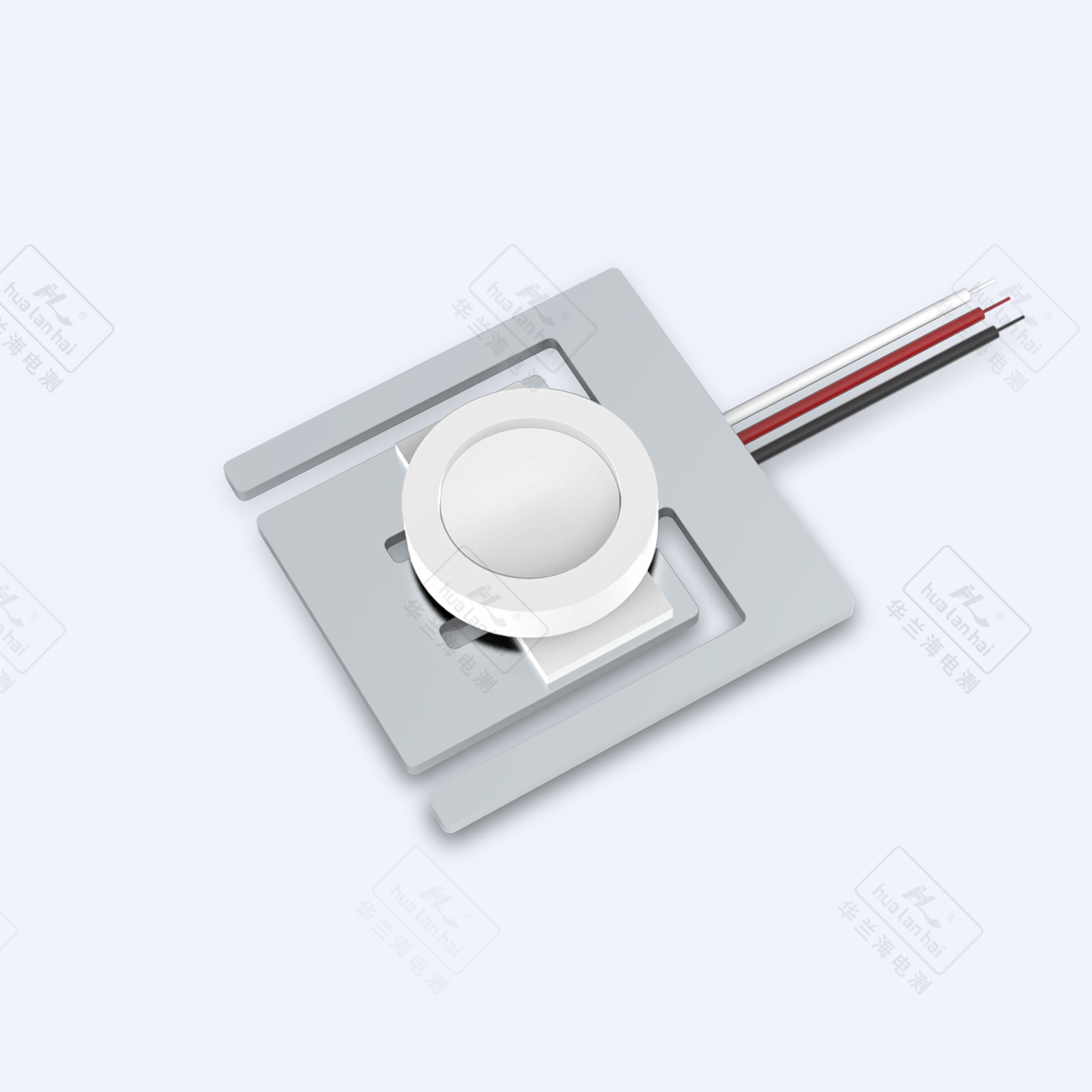
load cell

The evolution of force measurement technology has produced various specialized designs, each engineered to excel in particular operating conditions and measurement ranges. From compact button configurations to robust column structures, the diversity in load cell architecture reflects the wide spectrum of industrial applications requiring precise force measurement. Contemporary manufacturing processes increasingly rely on these devices to ensure product quality, maintain safety standards, and optimize operational efficiency throughout production cycles.

Strain Gauge Technology Fundamentals

Operating Principles and Mechanisms

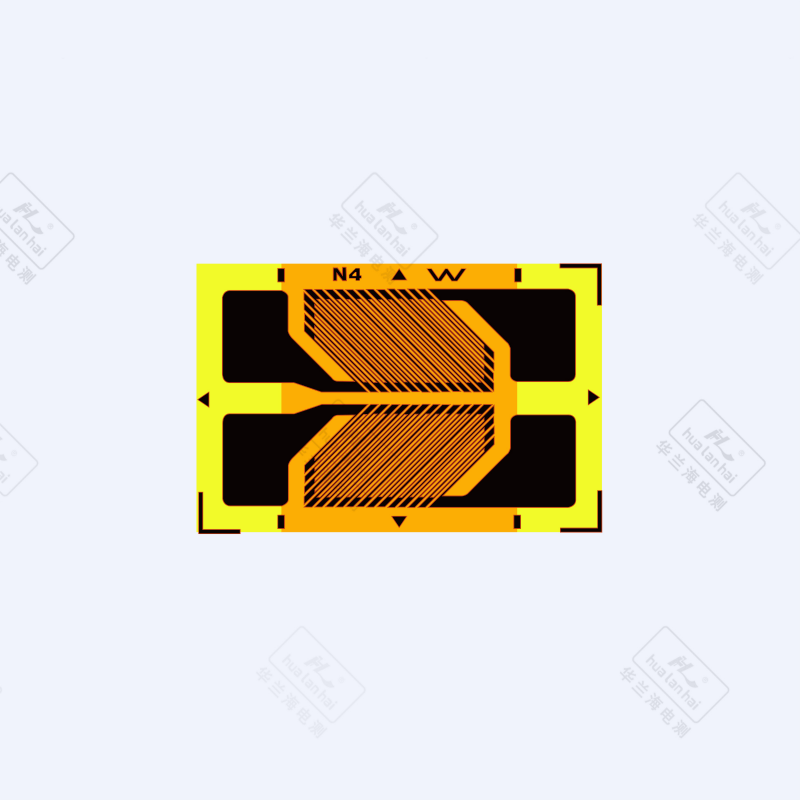
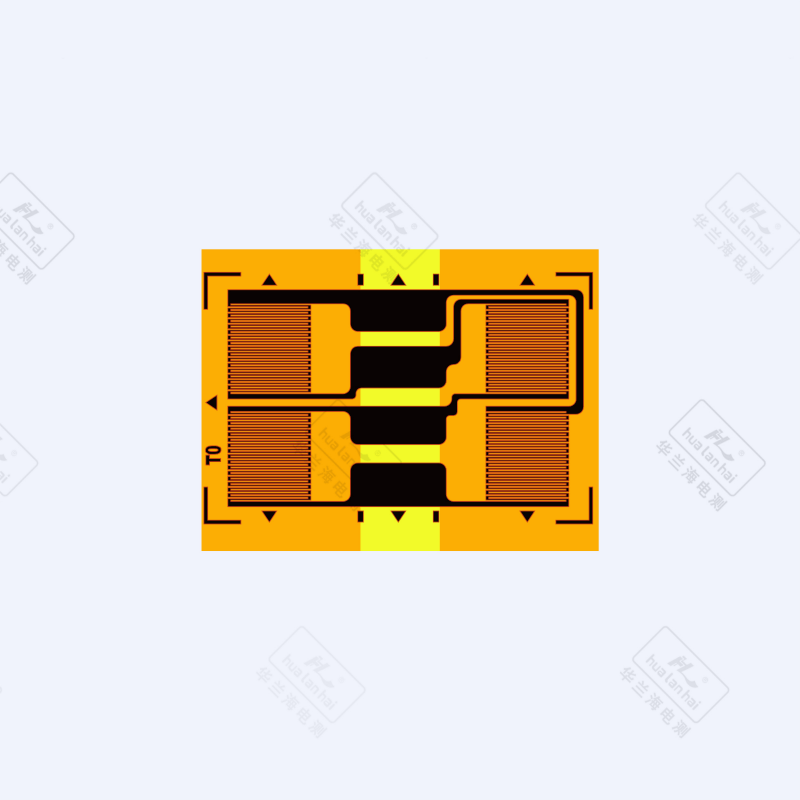
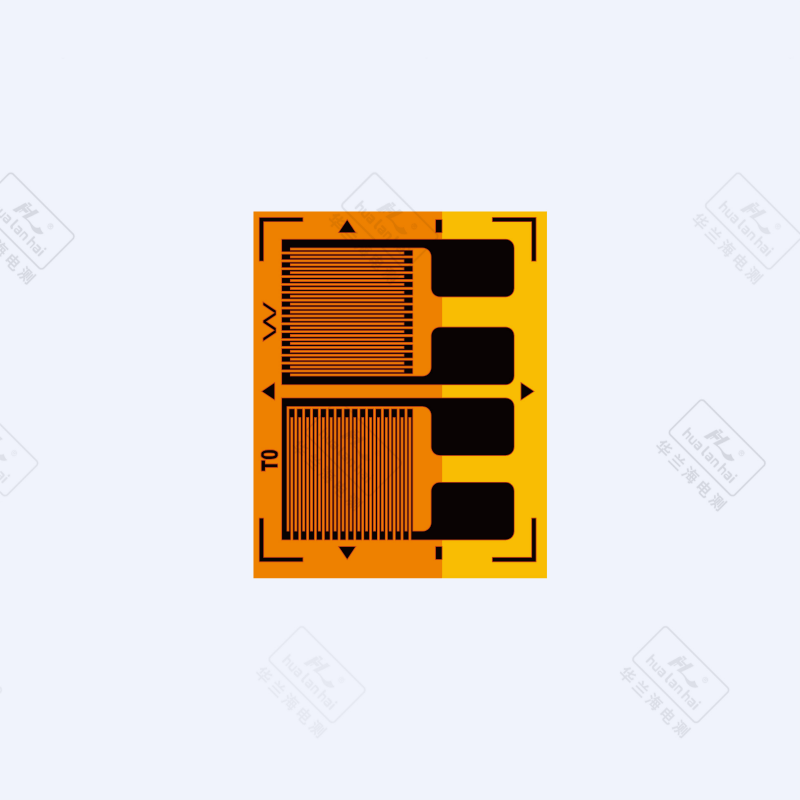
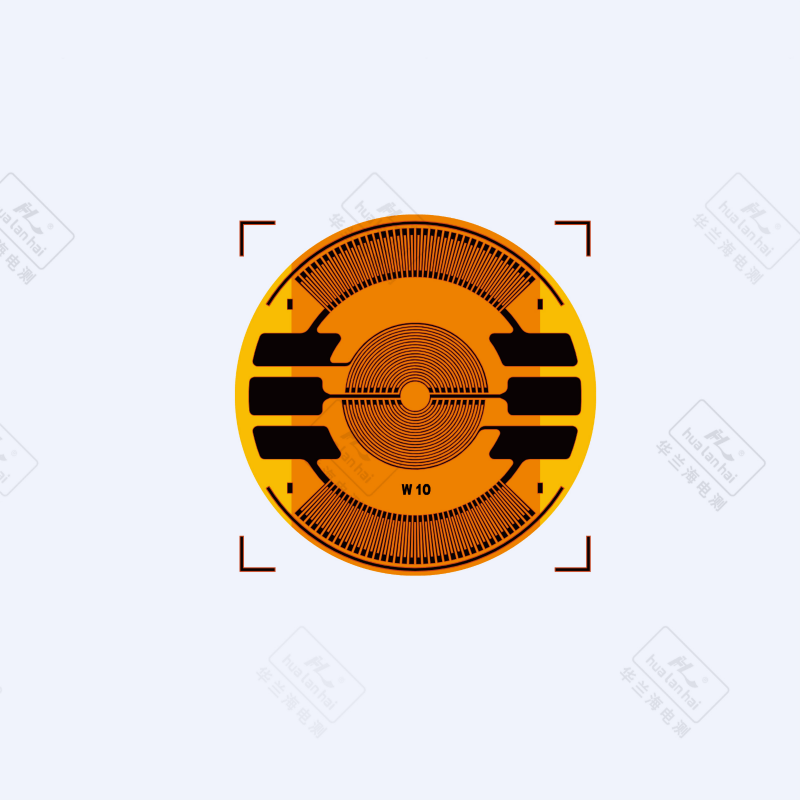
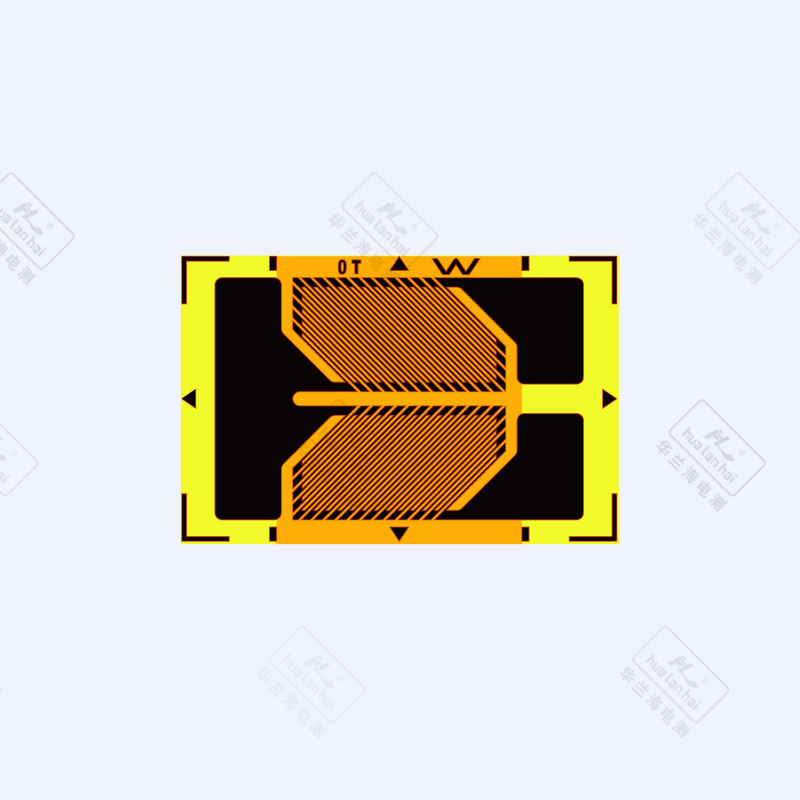
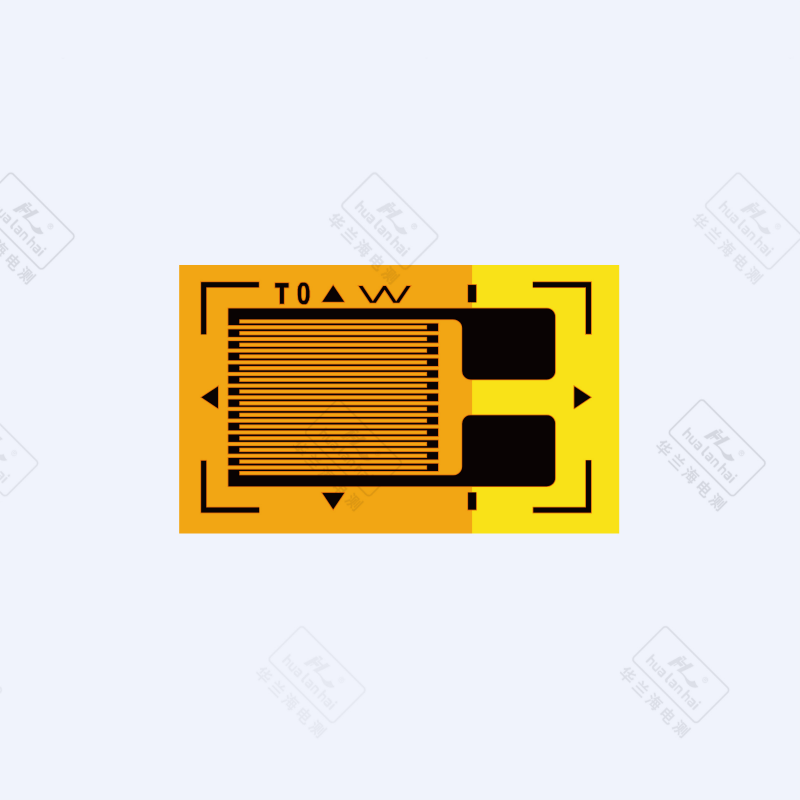
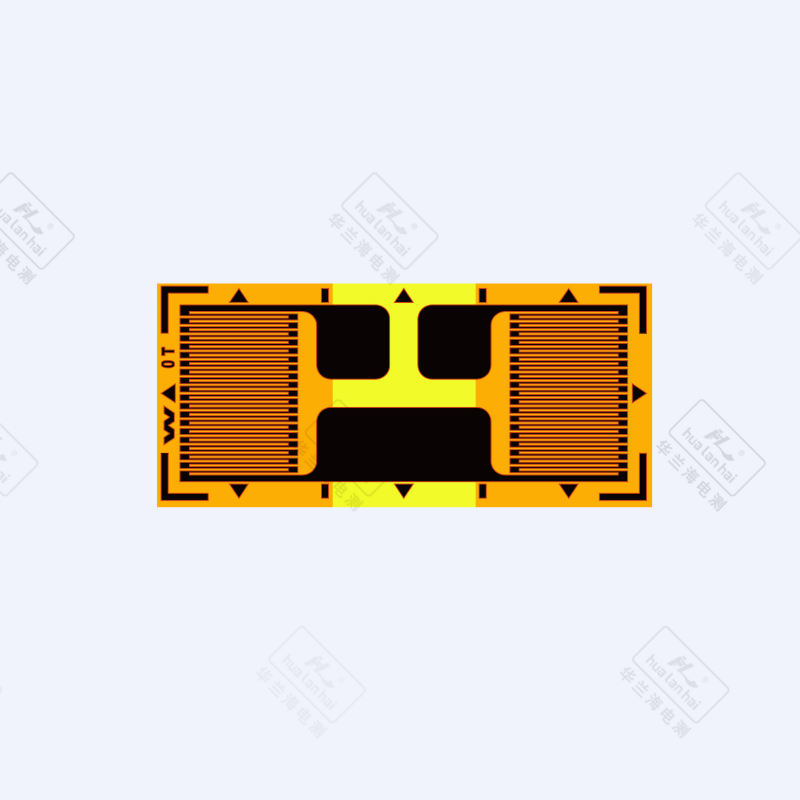
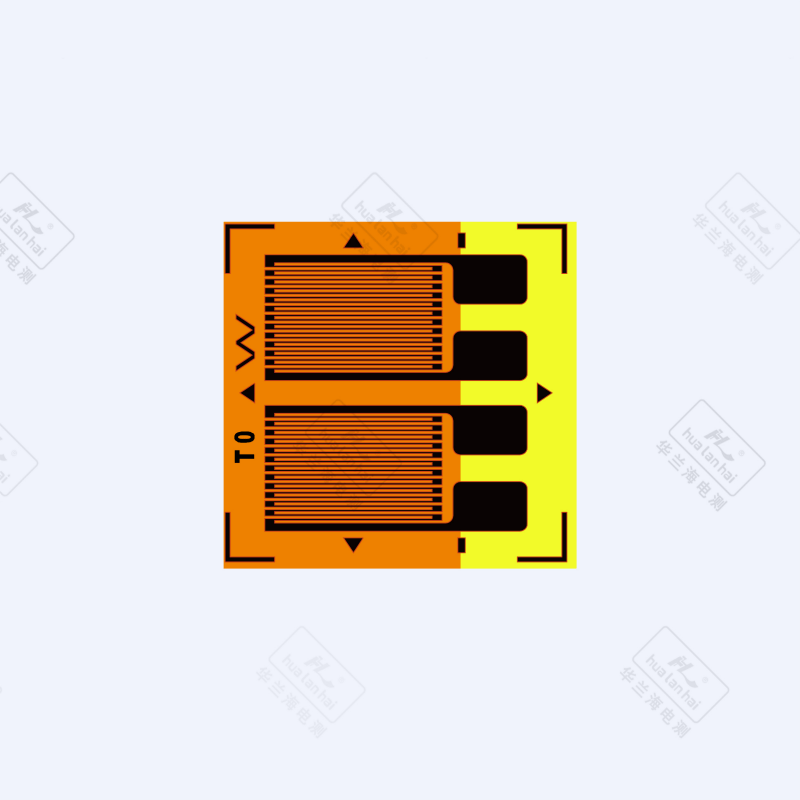
Strain gauge technology forms the cornerstone of modern load cell design, utilizing the principle that electrical resistance changes proportionally when materials undergo mechanical deformation. This fundamental concept enables accurate force measurement through precise monitoring of resistance variations in strategically positioned sensing elements. The strain gauge consists of a fine wire or metallic foil pattern bonded to a flexible backing material, which adheres directly to the load cell structure.

When mechanical stress affects the load cell structure, the strain gauge experiences corresponding deformation, causing measurable changes in its electrical resistance. This resistance variation creates a proportional voltage output when connected to appropriate signal conditioning circuits. The sensitivity and accuracy of this measurement depend on factors including gauge factor, material properties, and environmental conditions affecting the sensing element.

Signal Processing and Amplification

Modern strain gauge load cells incorporate sophisticated signal processing systems to convert minute resistance changes into usable electrical outputs. Wheatstone bridge configurations provide the foundation for most signal conditioning circuits, offering excellent temperature compensation and common-mode rejection capabilities. These bridge arrangements typically utilize multiple strain gauges positioned strategically to maximize signal output while minimizing unwanted influences from temperature fluctuations and off-axis loading.

Advanced signal processing includes amplification, filtering, and digital conversion stages that enhance measurement precision and reduce noise interference. Many contemporary systems integrate microprocessor-based compensation algorithms to correct for non-linearities, temperature effects, and long-term drift characteristics inherent in strain gauge technology.

Compression Load Cell Characteristics

Design Features and Construction

Compression load cells excel in applications requiring measurement of compressive forces, featuring robust construction designed to handle substantial loads while maintaining measurement accuracy. These devices typically incorporate cylindrical or column-shaped structures with strain gauges positioned to detect compressive deformation. The mechanical design emphasizes durability and stability, making them suitable for harsh industrial environments where reliability is paramount.

Column-type configurations represent one of the most prevalent compression designs, offering excellent load distribution characteristics and superior resistance to side loading effects. The load cell construction typically features precision-machined surfaces and sealed housings to protect sensitive strain gauge elements from environmental contamination. Material selection focuses on high-strength alloys that provide consistent elastic properties across wide temperature ranges.

Application Advantages and Limitations

Compression load cells provide exceptional performance in applications involving tank weighing, platform scales, and process control systems where forces primarily act along a single axis. Their robust construction enables handling of substantial overloads without permanent damage, making them ideal for industrial environments with potential shock loading conditions. The straightforward mechanical interface simplifies installation and maintenance procedures.

However, compression designs show sensitivity to off-axis loading and require careful mechanical installation to ensure proper load introduction. Environmental factors such as temperature variations and moisture exposure can affect long-term stability, necessitating appropriate protective measures and periodic calibration procedures to maintain measurement accuracy.

Tension Load Cell Applications

Mechanical Configuration Options

Tension load cells specialize in measuring pulling forces through various mechanical configurations including threaded connections, clevis mounts, and shackle arrangements. These designs incorporate strain gauge elements positioned to detect tensile stress within the load cell structure. The mechanical interface varies significantly based on application requirements, from lightweight configurations for laboratory use to heavy-duty versions for crane and hoist applications.

S-beam and rod-end configurations represent popular tension load cell designs, each offering distinct advantages for specific mounting requirements. The S-beam design provides convenient mounting options with threaded connections at both ends, while rod-end configurations offer superior alignment capabilities for applications requiring precise load introduction angles.

Performance Characteristics

Tension load cells demonstrate excellent linearity and repeatability across their rated capacity ranges, with many designs achieving accuracy specifications better than 0.1% of full scale. The mechanical design inherently provides good resistance to side loading effects when properly installed, though careful attention to load introduction remains critical for optimal performance. Temperature compensation techniques help maintain accuracy across wide operating temperature ranges.

Dynamic response characteristics make tension load cells suitable for applications involving rapidly changing loads or vibration environments. The relatively simple mechanical structure contributes to excellent frequency response and minimal phase lag, important considerations for real-time control applications requiring fast load measurement updates.

Shear Beam Technology Overview

Structural Design Principles

Shear beam load cells utilize bending moment principles to measure applied forces, featuring rectangular cross-sections with strain gauges positioned at locations experiencing maximum stress concentration. This design approach provides excellent immunity to off-axis loading effects while maintaining high accuracy across the measurement range. The beam structure typically incorporates precisely machined sections that concentrate stress at strain gauge locations.

Double-ended shear beam configurations offer superior performance characteristics compared to single-ended designs, providing better stability and reduced sensitivity to mounting conditions. The symmetrical structure helps minimize temperature effects and provides excellent linearity throughout the measurement range. Environmental sealing techniques protect strain gauge elements from moisture and contamination.

Industrial Implementation Benefits

Shear beam technology excels in platform scale applications, conveyor belt monitoring, and process weighing systems where multiple load points require accurate measurement. The design inherently compensates for uneven loading conditions and provides consistent performance despite variations in load distribution. Installation flexibility allows mounting in various orientations without significant performance degradation.

Multiple load cell installations using shear beam technology can achieve excellent corner correction and maintain system accuracy even with unbalanced loading conditions. This characteristic makes them particularly valuable in large-scale weighing systems where load distribution varies significantly during operation.

Single Point Load Cell Features

Precision Design Elements

Single point load cells incorporate sophisticated mechanical designs that maintain accuracy regardless of load position across the platform surface. These devices feature complex internal stress concentration patterns achieved through precision machining of flexure elements and strategic placement of strain gauge arrays. The mechanical design compensates for off-center loading conditions that would otherwise introduce measurement errors.

Parallelogram and rocker column designs represent common single point configurations, each offering specific advantages for different application requirements. The parallelogram design provides exceptional corner loading correction while maintaining compact dimensions, making it ideal for bench scales and small platform applications. Rocker column designs offer superior overload protection and long-term stability.

Application Versatility

Single point load cells find extensive use in retail scales, laboratory balances, and packaging equipment where load position varies significantly during operation. The inherent corner correction capability eliminates the need for complex mechanical load distribution systems, simplifying scale design and reducing manufacturing costs. Environmental protection features enable operation in food processing and pharmaceutical applications requiring frequent washdown procedures.

Capacity ranges typically span from small laboratory applications measuring grams to industrial systems handling several thousand kilograms. The scalable design principles allow customization for specific application requirements while maintaining the fundamental corner correction characteristics that define single point technology.

Environmental Considerations and Protection

Ingress Protection Standards

Environmental protection represents a critical consideration when selecting appropriate load cell technology for specific applications. Industry-standard ingress protection ratings define resistance levels against dust and moisture intrusion, with higher ratings indicating superior environmental sealing capabilities. Load cells operating in food processing, chemical, or outdoor environments typically require IP67 or IP68 protection ratings.

Hermetic sealing techniques using welded construction provide the highest level of environmental protection, completely isolating strain gauge elements from external contamination. Potted and gasketed designs offer more economical protection suitable for moderate environmental conditions while maintaining reasonable cost levels. The selection of appropriate protection levels depends on specific application requirements and expected operating conditions.

Temperature Compensation Methods

Temperature variations affect load cell performance through material property changes, thermal expansion effects, and electronic component drift. Modern load cell designs incorporate various compensation techniques including matched temperature coefficient materials, bridge completion networks, and microprocessor-based correction algorithms. These methods help maintain measurement accuracy across wide temperature ranges.

Passive temperature compensation utilizes carefully selected resistive elements to balance temperature-induced changes in strain gauge sensitivity and zero offset. Active compensation systems employ temperature sensors and electronic correction circuits to provide more precise compensation across broader temperature ranges and varying environmental conditions.

Selection Criteria and Best Practices

Capacity and Accuracy Requirements

Proper load cell selection begins with careful evaluation of force measurement requirements including maximum expected loads, accuracy specifications, and environmental operating conditions. The rated capacity should accommodate peak loads while providing adequate resolution at typical operating levels. Safety factors typically range from 3:1 to 5:1 depending on application criticality and potential overload conditions.

Accuracy specifications must align with system requirements and downstream instrumentation capabilities. Higher accuracy load cells require more sophisticated signal conditioning equipment and environmental controls to realize their full performance potential. The complete measurement system accuracy depends on all components including the load cell, instrumentation, and mechanical installation quality.

Installation and Mounting Considerations

Mechanical installation significantly affects load cell performance, with proper load introduction and constraint methods being essential for achieving specified accuracy levels. Mounting hardware should provide adequate stiffness while allowing thermal expansion and preventing binding conditions that could introduce measurement errors. Load introduction surfaces require precise alignment to minimize off-axis loading effects.

Electrical installation requires attention to signal cable routing, grounding practices, and electromagnetic interference prevention. Shielded cables and proper grounding techniques help maintain signal integrity in electrically noisy industrial environments. Regular calibration and maintenance procedures ensure continued accuracy throughout the service life.

FAQ

What factors determine the most suitable load cell type for a specific application?

The selection process involves evaluating several key factors including the type of force being measured, environmental conditions, accuracy requirements, and mechanical constraints. Compression applications typically favor column or button-type designs, while tension measurements require specialized mounting configurations. Environmental factors such as temperature extremes, moisture, and chemical exposure influence protection requirements and material selection.

How do environmental conditions affect load cell performance and selection?

Environmental factors significantly impact load cell performance through temperature effects on strain gauge sensitivity, material expansion coefficients, and electronic component stability. Moisture and chemical exposure can degrade strain gauge bonds and cause long-term drift. Proper selection requires matching environmental protection ratings with actual operating conditions and implementing appropriate compensation techniques for temperature variations.

What maintenance practices help ensure long-term load cell accuracy?

Regular calibration verification using certified test weights helps identify drift or damage requiring attention. Visual inspection of mounting hardware, cable connections, and environmental seals prevents problems before they affect measurement accuracy. Keeping load introduction surfaces clean and properly aligned maintains optimal performance. Documentation of calibration results and maintenance activities supports quality assurance requirements.

How do multiple load cell systems achieve accurate weighing despite uneven loading?

Multiple load cell systems utilize corner correction techniques and mathematical algorithms to compensate for unbalanced loading conditions. Individual load cell outputs are processed through summing networks or digital systems that account for geometric positioning and individual calibration factors. Proper mechanical design ensures each load cell receives proportional loading while maintaining system stability and accuracy across varying load distributions.
