
 EN
EN
Modern robotics and automation systems rely heavily on precise measurement and feedback mechanisms to achieve optimal performance. Among the various sensing technologies available, force sensors have emerged as critical components that enable machines to interact safely and effectively with their environment. These sophisticated devices measure the applied force or load in real-time, providing essential data that allows robotic systems to make intelligent decisions during operation. The integration of force sensor technology has revolutionized how automated systems perceive and respond to physical interactions, making them more versatile and reliable across diverse industrial applications.
Understanding Force Sensor Technology in Automation
Fundamental Principles of Force Measurement
Force sensors operate on well-established physical principles, primarily utilizing strain gauge technology to convert mechanical force into electrical signals. When a force is applied to the sensor, it causes microscopic deformation in the sensing element, which changes the electrical resistance of the strain gauges. This resistance change is then converted into a proportional voltage output that can be processed by control systems. The accuracy and reliability of this measurement process make force sensor technology indispensable for applications requiring precise force feedback and control.
The sensitivity and range of force sensors vary significantly depending on their design and intended application. High-precision sensors can detect forces as small as a few grams, while heavy-duty industrial variants can measure loads exceeding several tons. This versatility allows engineers to select the appropriate force sensor specifications based on specific automation requirements, ensuring optimal performance across different operational scenarios.
Types and Classifications of Force Sensors
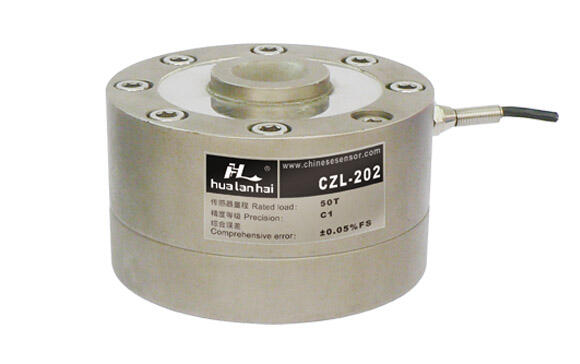
Industrial force sensors are typically classified into several categories based on their construction and measurement methodology. Load cells represent the most common type, featuring various configurations such as compression, tension, and universal load cells. Each design offers specific advantages for different mounting configurations and loading conditions. Compression force sensors excel in applications where downward forces need measurement, while tension sensors are ideal for measuring pulling forces in cable and rope systems.
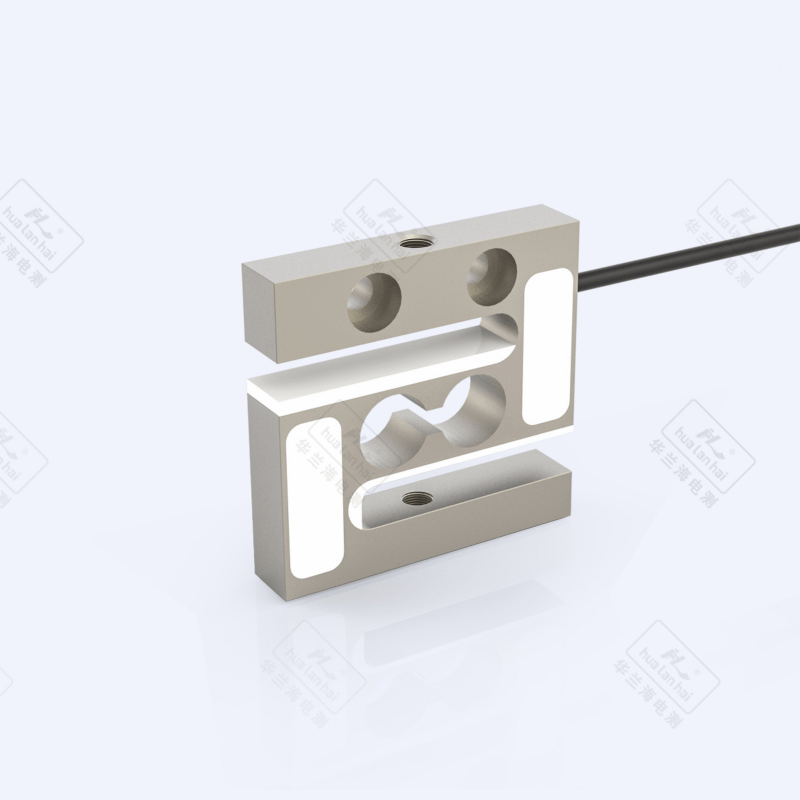
Miniature force sensors have gained popularity in robotics applications where space constraints and weight limitations are critical factors. These compact devices maintain high accuracy while occupying minimal installation space, making them perfect for integration into robotic joints, grippers, and end-effectors. The development of wireless force sensor technology has further expanded their applicability in mobile and autonomous robotic systems.
Applications in Robotic Systems
Robotic Manipulation and Grasping
One of the most significant applications of force sensors in robotics involves enhancing manipulation capabilities through intelligent grasping control. When integrated into robotic grippers and end-effectors, force sensors provide real-time feedback about the grip force being applied to objects. This information allows the robot to adjust its grip strength automatically, preventing damage to delicate items while ensuring secure handling of heavier objects. The force sensor data helps robots distinguish between different materials and adjust their handling techniques accordingly.
Advanced robotic systems utilize multiple force sensors strategically positioned throughout the gripper mechanism to create detailed force maps. This multi-point sensing capability enables robots to detect object orientation, surface texture, and structural integrity during manipulation tasks. The resulting force feedback allows for more sophisticated handling strategies, including adaptive grasping techniques that automatically compensate for irregular object shapes and varying material properties.
Collaborative Robot Safety Systems
Collaborative robots, or cobots, rely heavily on force sensor integration to ensure safe human-robot interaction in shared workspaces. These sensors continuously monitor the forces exerted by the robot and can instantly detect unexpected contact with humans or obstacles. When abnormal force levels are detected, the safety system immediately stops or redirects the robot's movement, preventing potential injuries and equipment damage. This force-based safety approach has become a cornerstone of modern collaborative robotics design.
The implementation of force sensors in cobot joints and links creates a distributed sensing network that provides comprehensive collision detection capabilities. This approach allows cobots to operate safely alongside human workers without requiring extensive safety barriers or protective equipment. The force sensor technology enables these robots to distinguish between intentional contact, such as human guidance, and accidental collisions, responding appropriately to each situation.
Industrial Automation Enhancement
Quality Control and Testing Applications
Manufacturing industries extensively utilize force sensors for automated quality control and product testing procedures. These sensors enable precise measurement of material properties, component durability, and assembly integrity without human intervention. Automated testing systems equipped with force sensor technology can perform consistent, repeatable tests on production samples, ensuring that quality standards are maintained throughout the manufacturing process.
The integration of force sensors into automated inspection systems allows for real-time monitoring of assembly processes, detecting issues such as improper component insertion, insufficient fastening torque, or material defects. This immediate feedback enables rapid correction of manufacturing problems, reducing waste and improving overall production efficiency. The data collected by these sensors also provides valuable insights for process optimization and predictive maintenance programs.
Assembly Line Integration
Modern assembly lines incorporate force sensors to monitor and control various manufacturing operations, from component insertion to final product assembly. These sensors provide feedback during press-fit operations, ensuring that components are properly seated without applying excessive force that could cause damage. The force sensor data helps optimize assembly parameters and detect variations in component tolerances that might affect product quality.
Automated assembly systems use force sensor feedback to adapt their operation based on real-time conditions, compensating for variations in part dimensions, material properties, and environmental factors. This adaptive capability significantly improves assembly reliability and reduces the need for manual intervention, leading to higher productivity and more consistent product quality across large production runs.
Advanced Control Systems Integration
Feedback Control Loops
The integration of force sensors into robotic control systems enables sophisticated feedback control loops that dramatically improve system performance and reliability. These control systems use force sensor data to continuously adjust robot movements, ensuring that applied forces remain within predetermined limits while maintaining precise positioning accuracy. The real-time force feedback allows controllers to compensate for external disturbances, load variations, and system dynamics that could otherwise affect performance.
Advanced control algorithms utilize force sensor information to implement impedance control strategies, allowing robots to exhibit compliant behavior when interacting with their environment. This approach enables robots to perform delicate tasks such as polishing, grinding, and assembly operations that require careful force regulation. The force sensor feedback ensures that the robot maintains consistent contact pressure while adapting to surface irregularities and material variations.
Machine Learning and Adaptive Systems
Modern robotics systems increasingly incorporate machine learning algorithms that utilize force sensor data to improve performance over time. These systems analyze patterns in force measurements to learn optimal handling techniques for different objects and situations. The force sensor provides crucial training data that helps robots develop more sophisticated manipulation strategies and adapt to new tasks without explicit programming.
Artificial intelligence systems use force sensor feedback to create predictive models that anticipate required force levels based on object characteristics and task requirements. This predictive capability allows robots to pre-adjust their force output before contact occurs, reducing settling time and improving overall system efficiency. The continuous learning process enables these systems to become more capable and versatile as they accumulate operational experience.
Installation and Configuration Considerations
Sensor Selection Criteria
Selecting the appropriate force sensor for robotics applications requires careful consideration of several technical factors, including measurement range, accuracy requirements, environmental conditions, and installation constraints. The sensor's capacity must be matched to the expected force levels while providing adequate resolution for the required measurement precision. Overloading considerations are equally important, as sensors must withstand occasional force spikes without damage or calibration drift.
Environmental factors such as temperature variations, humidity levels, and exposure to contaminants can significantly affect force sensor performance. Industrial applications often require sensors with appropriate protection ratings and temperature compensation features to maintain accuracy across varying operating conditions. The mechanical interface design must also accommodate the specific mounting requirements and force transmission characteristics of the robotic system.
Calibration and Maintenance Procedures
Proper calibration of force sensors is essential for maintaining measurement accuracy and system reliability over time. Regular calibration procedures should be established to verify sensor performance against known reference standards, typically using certified calibration weights or force standards. The calibration process involves applying known forces and adjusting the sensor output to match expected values, ensuring measurement traceability and compliance with quality standards.
Maintenance procedures for force sensor systems include regular inspection of mechanical connections, cable integrity, and environmental sealing. Preventive maintenance schedules should account for the operating environment and usage patterns, with more frequent inspections required in harsh or high-utilization applications. Proper maintenance practices significantly extend force sensor service life and help prevent unexpected system failures that could disrupt automated operations.
Future Developments and Trends
Wireless and IoT Integration
The development of wireless force sensor technology is opening new possibilities for robotic system integration, particularly in mobile and reconfigurable automation applications. Wireless sensors eliminate the need for physical cable connections, reducing installation complexity and enabling force measurement in previously inaccessible locations. These systems often incorporate built-in data processing capabilities and can communicate measurement data directly to cloud-based analytics platforms for advanced monitoring and analysis.
Internet of Things integration allows force sensors to participate in larger industrial networks, providing valuable data for predictive maintenance, process optimization, and quality assurance programs. This connectivity enables remote monitoring of robotic systems and facilitates the implementation of Industry 4.0 concepts such as digital twins and autonomous system management. The combination of force sensor data with other system parameters creates comprehensive operational insights that drive continuous improvement initiatives.
Advanced Materials and Miniaturization
Ongoing research in advanced materials is leading to the development of more sensitive, durable, and compact force sensors suitable for next-generation robotic applications. Nanomaterial-based sensors offer improved sensitivity and faster response times while maintaining mechanical robustness required for industrial environments. These advances enable force measurement in increasingly demanding applications where traditional sensors might not provide adequate performance.
Miniaturization trends are producing ultra-compact force sensors that can be integrated directly into robotic components without significantly impacting system design or performance. This integration capability enables distributed force sensing throughout robotic structures, providing detailed force maps and improved system awareness. The reduced size and weight of these sensors also make them suitable for small-scale robotic applications such as medical devices and precision manufacturing equipment.
FAQ
What are the main advantages of using force sensors in robotic systems
Force sensors provide several key advantages in robotic applications, including enhanced safety through collision detection, improved manipulation capabilities through force feedback control, and better adaptability to varying operational conditions. They enable robots to perform delicate tasks that require precise force regulation while protecting both the robot and surrounding equipment from damage due to excessive forces.
How do force sensors improve collaborative robot safety
Force sensors enhance cobot safety by continuously monitoring applied forces and detecting unexpected contact with humans or obstacles. When abnormal force levels are detected, the safety system immediately stops or redirects robot movement, preventing injuries and equipment damage. This force-based approach allows cobots to work safely alongside humans without extensive physical barriers.
What factors should be considered when selecting force sensors for automation applications
Key selection criteria include measurement range and accuracy requirements, environmental conditions such as temperature and humidity, mechanical interface compatibility, and installation constraints. The sensor capacity must match expected force levels while providing adequate resolution, and environmental protection features may be necessary for harsh operating conditions.
How often should force sensors be calibrated in industrial applications
Calibration frequency depends on the application requirements, operating environment, and manufacturer recommendations, but typically ranges from every few months to annually for most industrial applications. Critical applications may require more frequent calibration, while stable environments might allow longer intervals. Regular calibration ensures measurement accuracy and compliance with quality standards throughout the sensor's service life.