
 EN
EN
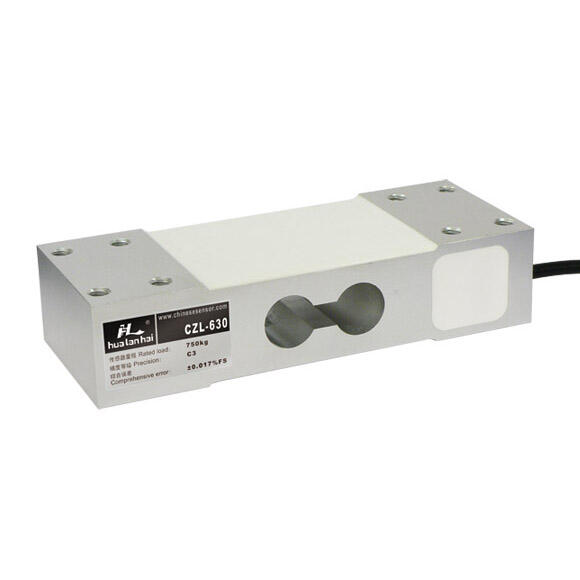
The selection of an appropriate load cell represents a critical decision in force measurement applications across diverse industries. Engineering professionals must navigate through numerous load cell configurations, each offering distinct advantages for specific operational requirements. Understanding the fundamental differences between load cell types enables optimal performance in precision measurement systems while ensuring reliable data acquisition over extended operational periods.
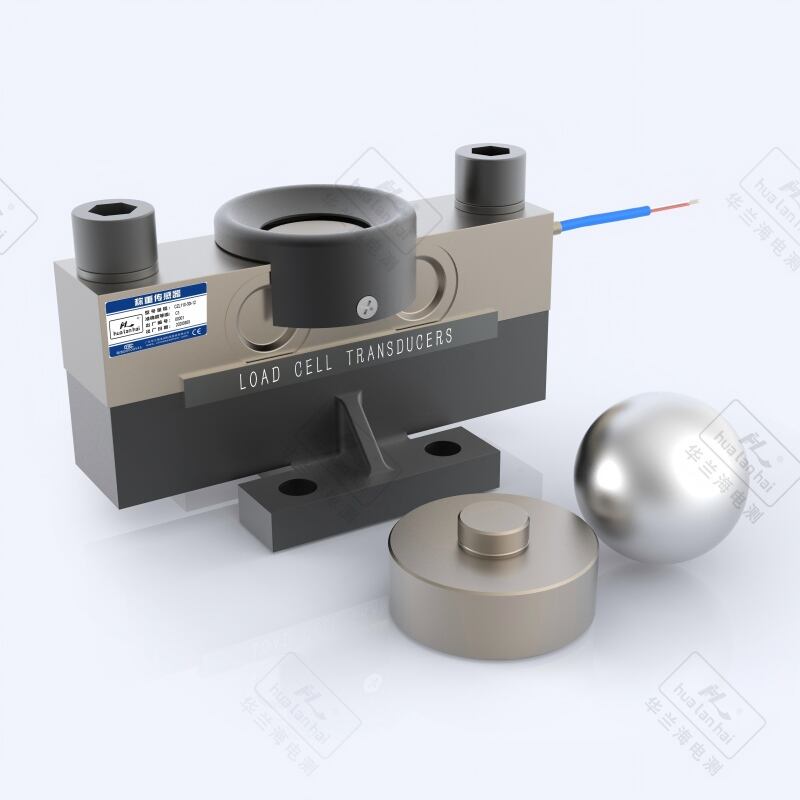
Modern industrial applications demand precise force measurement capabilities that can withstand challenging environmental conditions while maintaining accuracy standards. The diversity of load cell technologies available today reflects the evolution of sensor engineering and the increasing sophistication of measurement requirements across manufacturing, research, and testing environments.
Fundamental Load Cell Technologies
Strain Gauge Based Systems
Strain gauge load cell designs dominate commercial applications due to their exceptional accuracy and reliability characteristics. These sensors utilize the piezoresistive effect, where mechanical deformation produces measurable changes in electrical resistance. The strain gauge configuration involves bonding resistive elements to a metal structure that deforms proportionally under applied loads.
The measurement principle relies on Wheatstone bridge circuits that amplify small resistance changes into meaningful voltage outputs. This technology enables load cell systems to achieve accuracies within 0.02% of full scale while maintaining long-term stability. Temperature compensation techniques integrate additional resistive elements to minimize thermal drift effects that could compromise measurement precision.
Manufacturing processes for strain gauge load cell assemblies require precise alignment and calibration procedures to ensure consistent performance characteristics. The bonding techniques and protective coatings applied during production directly influence the sensor's environmental resistance and operational lifespan in demanding applications.
Hydraulic and Pneumatic Principles
Hydraulic load cell systems operate through fluid displacement mechanisms that translate applied forces into pressure changes within sealed chambers. These designs excel in high-capacity applications where mechanical robustness takes priority over electronic precision. The hydraulic principle enables force multiplication effects that can accommodate massive loads while maintaining measurement sensitivity.
Pneumatic variations utilize compressed air systems to achieve similar force measurement capabilities with reduced mechanical complexity. The gas-based approach offers advantages in explosive atmospheres where electrical components pose safety risks. However, temperature sensitivity and response time limitations restrict pneumatic load cell applications to specific operational environments.
Maintenance requirements for fluid-based systems include regular inspection of seals, pressure lines, and calibration verification procedures. The mechanical nature of these sensors provides inherent immunity to electromagnetic interference while requiring specialized expertise for troubleshooting and repair procedures.
Structural Configuration Analysis
Column and Compression Designs
Column-type load cell configurations optimize force measurement in compression applications through cylindrical structural elements. The geometric design distributes applied loads evenly across the sensing area while minimizing stress concentration effects that could compromise measurement accuracy. load cell designs of this type typically incorporate internal strain gauge arrangements that respond to axial deformation patterns.
The mechanical advantages of column designs include excellent lateral force rejection and high overload protection capabilities. These characteristics make compression load cell systems ideal for weighing applications, material testing equipment, and industrial process monitoring where accurate force measurement under varying environmental conditions is essential.
Installation considerations for column load cell assemblies require proper load introduction techniques and adequate support structures. The mounting hardware and alignment procedures directly influence measurement accuracy and long-term performance stability in operational environments.
Beam and Cantilever Arrangements
Beam-style load cell designs utilize flexural deformation patterns to achieve force measurement through strategically positioned strain gauge networks. The cantilever principle enables both tension and compression measurement capabilities within compact structural configurations. These designs offer exceptional sensitivity for low-force applications while maintaining robust construction standards.
The geometric optimization of beam load cell structures involves finite element analysis to maximize strain distribution uniformity across sensing areas. This engineering approach ensures consistent measurement performance across the operational force range while minimizing nonlinearity errors that could affect measurement accuracy.
Mounting flexibility represents a key advantage of beam-type configurations, allowing integration into existing equipment designs with minimal structural modifications. The versatile installation options enable creative solutions for challenging measurement scenarios where space constraints or access limitations affect sensor placement.
Application-Specific Performance Characteristics
Industrial Weighing Systems
Industrial weighing applications demand load cell solutions that balance accuracy requirements with environmental durability standards. The selection process must consider factors including capacity range, resolution requirements, environmental protection levels, and integration compatibility with existing control systems. Multi-point weighing configurations often require matched load cell sets to ensure accurate weight distribution measurements.
The performance specifications for weighing load cell systems include linearity tolerance, hysteresis characteristics, repeatability standards, and temperature compensation effectiveness. These parameters directly influence the overall system accuracy and reliability in operational environments where consistent measurement performance is critical.
Calibration procedures for weighing systems require traceable reference standards and documented verification protocols to maintain measurement accuracy over time. The integration of digital signal processing capabilities enables advanced features including automatic zero correction, span adjustment, and diagnostic monitoring functions.
Testing and Research Equipment
Research applications often require specialized load cell configurations that prioritize measurement precision over environmental robustness. These systems typically incorporate advanced temperature compensation, multiple range capabilities, and high-resolution signal conditioning electronics. The measurement requirements for laboratory environments emphasize stability, repeatability, and traceability to international standards.
Material testing applications utilize load cell systems designed for specific loading patterns including tension, compression, and fatigue testing cycles. The mechanical design must accommodate high-frequency loading while maintaining measurement accuracy throughout extended test procedures. Dynamic response characteristics become critical factors in applications involving impact or vibration testing.
Data acquisition systems for research applications integrate sophisticated signal processing capabilities that enable real-time analysis and automated test control functions. The compatibility with standard laboratory instrumentation and software platforms facilitates seamless integration into existing research workflows.
Environmental Considerations and Protection Standards
Harsh Environment Applications
Extreme operating conditions require load cell designs that incorporate enhanced environmental protection measures without compromising measurement performance. Stainless steel construction, hermetic sealing, and specialized coatings provide resistance to corrosive chemicals, temperature extremes, and moisture ingress. The protection level selection must align with specific environmental challenges while maintaining cost-effectiveness.
Temperature compensation techniques become increasingly important in applications involving significant thermal variations. Advanced load cell designs incorporate multiple temperature sensors and mathematical correction algorithms to maintain measurement accuracy across extended temperature ranges. The thermal response characteristics directly influence system performance in outdoor installations and industrial process environments.
Vibration immunity represents another critical factor in harsh environment applications where mechanical disturbances could affect measurement stability. Specialized mounting techniques and mechanical filtering approaches minimize the impact of external vibrations on load cell performance while maintaining structural integrity under dynamic loading conditions.
Hygienic and Food Grade Requirements
Food processing and pharmaceutical applications require load cell designs that meet stringent hygienic standards while providing reliable force measurement capabilities. Sanitary construction techniques eliminate crevices and surface irregularities that could harbor contaminants. The material selection emphasizes corrosion resistance and compatibility with cleaning chemicals used in sanitization procedures.
Certification requirements for hygienic applications include compliance with FDA regulations, USDA standards, and international food safety guidelines. The documentation and traceability requirements extend beyond basic measurement accuracy to include material certifications and manufacturing process validation records.
Installation procedures for hygienic load cell systems incorporate washdown compatibility and drain management features that prevent contamination accumulation. The electrical connections utilize sealed designs that maintain protection integrity while allowing routine cleaning and maintenance operations.
Signal Processing and Interface Technologies
Analog Output Characteristics
Traditional analog load cell interfaces provide millivolt output signals that require external amplification and signal conditioning equipment. The analog approach offers simplicity and broad compatibility with existing instrumentation systems while maintaining real-time response characteristics. Signal conditioning requirements include amplification, filtering, and linearization functions that optimize measurement performance.
The advantage of analog load cell systems lies in their straightforward integration with standard data acquisition equipment and control systems. However, signal transmission limitations restrict cable lengths and introduce potential noise susceptibility issues that must be addressed through proper shielding and grounding techniques.
Calibration procedures for analog systems require precision reference equipment and manual adjustment capabilities to achieve optimal measurement accuracy. The analog signal path enables direct measurement verification and troubleshooting procedures that facilitate maintenance operations.
Digital Communication Protocols
Modern digital load cell interfaces incorporate advanced communication protocols that provide enhanced functionality beyond basic force measurement. Digital systems enable remote configuration, diagnostic monitoring, and multi-sensor networking capabilities that simplify system integration and maintenance procedures. The communication protocols include industry standards such as Modbus, Ethernet, and proprietary digital formats.
Smart load cell technologies integrate microprocessors that perform real-time signal processing, temperature compensation, and self-diagnostic functions within the sensor housing. These capabilities reduce external hardware requirements while providing enhanced measurement accuracy and system reliability characteristics.
Network connectivity enables centralized monitoring and control systems that can manage multiple load cell installations from remote locations. The digital approach facilitates predictive maintenance programs through continuous monitoring of sensor performance parameters and operational status indicators.
Selection Criteria and Decision Matrix
Performance Requirements Assessment
The load cell selection process begins with comprehensive analysis of measurement requirements including accuracy specifications, capacity range, environmental conditions, and interface compatibility. Performance parameters must align with application demands while considering long-term operational costs and maintenance requirements. The evaluation process should include worst-case scenario analysis to ensure adequate performance margins.
Accuracy requirements encompass multiple specification parameters including linearity, hysteresis, repeatability, and temperature effects. The combined error analysis determines overall system performance and guides the selection of appropriate load cell accuracy classes. Dynamic response characteristics become important factors in applications involving varying or impact loading conditions.
Operational factors including installation constraints, maintenance accessibility, and upgrade potential influence the selection decision. The total cost of ownership analysis should consider initial equipment costs, installation expenses, calibration requirements, and expected service life to determine the most cost-effective solution.
Economic and Practical Considerations
Cost optimization strategies must balance initial investment against long-term performance and maintenance expenses. Premium load cell technologies may justify higher upfront costs through improved accuracy, extended service life, and reduced maintenance requirements. The economic analysis should include productivity impacts and potential downtime costs associated with sensor failure or accuracy degradation.
Availability factors including lead times, technical support resources, and replacement part accessibility affect the practical aspects of load cell selection. Standardized configurations often provide advantages in terms of cost, availability, and interchangeability while custom solutions may be necessary for specialized applications.
Training requirements for installation, operation, and maintenance personnel represent hidden costs that should be considered in the selection process. Complex systems may require specialized expertise while standardized solutions enable broader technical support capabilities within existing staff resources.
FAQ
What factors determine the most suitable load cell type for a specific application
The selection of appropriate load cell technology depends on several critical factors including measurement accuracy requirements, environmental conditions, capacity range, and installation constraints. Accuracy specifications encompass linearity, repeatability, and temperature stability requirements that vary significantly between applications. Environmental factors such as temperature extremes, chemical exposure, and vibration levels influence the choice of protective measures and construction materials. Installation considerations include mounting options, cable routing, and maintenance accessibility that affect long-term operational success.
How do accuracy specifications compare between different load cell technologies
Strain gauge load cell designs typically achieve the highest accuracy levels, with precision models capable of 0.02% full-scale accuracy or better under controlled conditions. Hydraulic systems generally provide lower precision but excel in high-capacity applications where mechanical robustness takes priority over measurement resolution. Digital load cell interfaces can enhance effective accuracy through advanced signal processing and temperature compensation algorithms. The accuracy comparison must consider both static and dynamic performance characteristics as well as long-term stability requirements for the specific application environment.
What maintenance requirements apply to different load cell configurations
Strain gauge load cell systems require minimal routine maintenance beyond periodic calibration verification and cable inspection procedures. Hydraulic configurations demand regular seal inspection, fluid level monitoring, and pressure system maintenance to ensure reliable operation. Environmental protection measures such as protective covers and drainage systems require periodic inspection and cleaning to maintain effectiveness. Digital systems may require software updates and communication network maintenance in addition to basic mechanical inspection procedures.
How do environmental conditions affect load cell performance and selection
Temperature variations significantly impact load cell accuracy through thermal expansion effects and electronic component drift characteristics. Moisture and chemical exposure require appropriate sealing and material selection to prevent corrosion and electrical interference. Vibration and shock loading conditions may necessitate specialized mounting techniques and mechanical filtering approaches to maintain measurement stability. The environmental protection level must match the specific conditions while considering long-term exposure effects and maintenance accessibility requirements for the installation environment.
Table of Contents
- Fundamental Load Cell Technologies
- Structural Configuration Analysis
- Application-Specific Performance Characteristics
- Environmental Considerations and Protection Standards
- Signal Processing and Interface Technologies
- Selection Criteria and Decision Matrix
-
FAQ
- What factors determine the most suitable load cell type for a specific application
- How do accuracy specifications compare between different load cell technologies
- What maintenance requirements apply to different load cell configurations
- How do environmental conditions affect load cell performance and selection