
 EN
EN
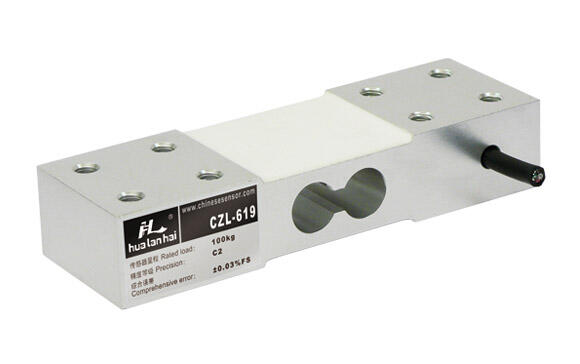
In the world of precision measurement and industrial automation, few components are as critical as the load cell. These sophisticated sensors form the backbone of countless weighing systems, from laboratory scales to massive industrial platforms capable of measuring tons of material. Understanding how a load cell functions and its various applications is essential for engineers, technicians, and anyone involved in precision measurement technologies. Modern load cells combine advanced strain gauge technology with robust mechanical design to deliver accurate, reliable measurements across diverse industrial environments.
Understanding Load Cell Fundamentals
Basic Definition and Core Principles
A load cell is a transducer that converts mechanical force or weight into an electrical signal proportional to the applied load. This conversion process relies on the fundamental principle of strain measurement, where physical deformation of the sensor element produces measurable electrical changes. The device typically consists of a metallic structure designed to deform predictably under load, combined with strain gauges that detect these minute deformations and convert them into electrical signals.
The operational principle centers around Hooke's Law, which states that the strain in a solid is proportional to the applied stress within the elastic limit of that material. When force is applied to a load cell structure, it causes microscopic deformation in the metal substrate. Bonded strain gauges, which are essentially variable resistors, change their electrical resistance in direct proportion to the mechanical strain they experience.
Essential Components and Construction
Modern load cell construction involves several critical components working in harmony to achieve accurate measurements. The primary structural element, often called the spring element or elastic body, is typically manufactured from high-grade steel or aluminum alloy. This component must exhibit excellent linearity, minimal hysteresis, and long-term stability under repeated loading cycles.
Strain gauges represent the sensing heart of any load cell system. These precision devices consist of a fine wire or metallic foil pattern arranged in a grid formation and bonded to the elastic body using specialized adhesives. The gauge factor, which describes the sensitivity of the strain gauge to mechanical deformation, directly influences the overall sensitivity and accuracy of the complete sensor assembly.
Load Cell Operating Mechanisms
Strain Gauge Technology Integration
The integration of strain gauge technology within load cell assemblies represents a sophisticated engineering achievement. Multiple strain gauges are typically arranged in a Wheatstone bridge configuration, which provides excellent temperature compensation and enhanced sensitivity to the desired measurement parameter. This arrangement allows the system to reject common-mode signals while amplifying the differential signals caused by applied loads.
Each strain gauge in the bridge circuit responds to specific directional forces, with some gauges experiencing tension while others experience compression under the same applied load. This differential response creates a voltage output that is directly proportional to the applied force, enabling precise measurement across the sensor's rated capacity range.
Signal Processing and Output Generation
Raw signals from load cell strain gauge assemblies require sophisticated conditioning to produce usable measurement data. The initial millivolt signals from the Wheatstone bridge are typically amplified using precision instrumentation amplifiers that maintain high common-mode rejection ratios and low noise characteristics. Advanced signal processing may include linearization algorithms to compensate for minor non-linearities in the sensor response.
Modern load cell systems often incorporate digital signal processing capabilities, allowing for real-time calibration adjustments, temperature compensation, and integration with industrial communication protocols. These enhancements significantly improve measurement accuracy while reducing installation complexity in automated systems.
Types and Configurations
Compression Load Cells
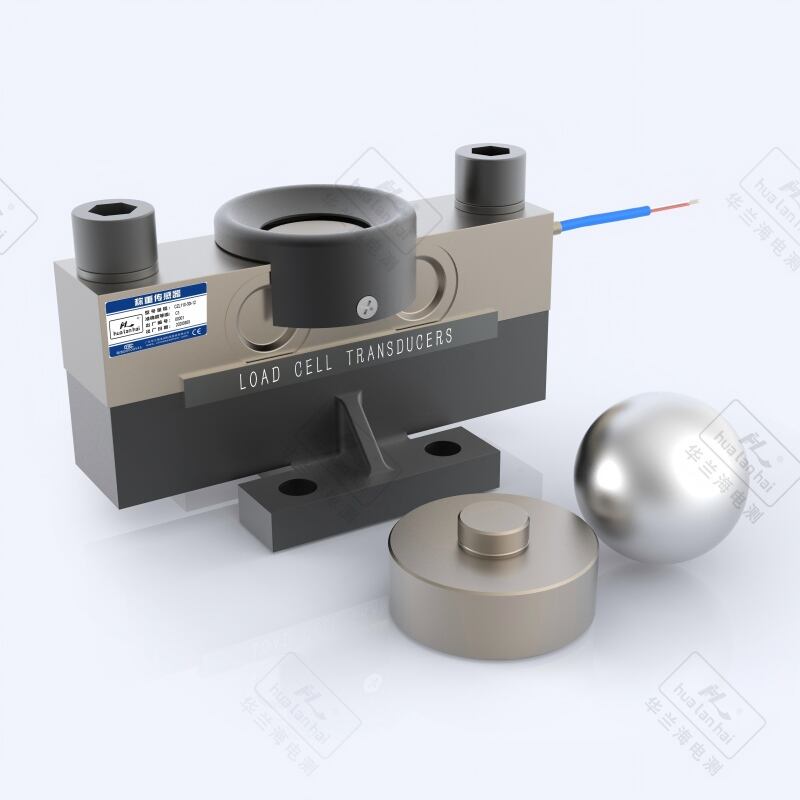
Compression load cells are designed to measure forces that tend to squeeze or compress the sensor structure. These devices excel in applications where the load is applied directly downward onto the sensor platform, making them ideal for tank weighing, platform scales, and industrial process monitoring systems. The internal strain gauge arrangement is optimized to detect compressive forces while rejecting side loads and other unwanted force components.
The robust construction of compression load cells makes them suitable for high-capacity applications, with some models capable of measuring loads ranging from several hundred pounds to multiple tons. Their inherent stability and resistance to environmental factors make them popular choices for outdoor installations and harsh industrial environments.
Tension and Specialized Configurations
Tension load cells are engineered to measure pulling forces, featuring mounting arrangements that allow the sensor to be suspended in-line with the force path. These sensors find extensive use in crane weighing systems, cable tension monitoring, and material handling applications where loads must be measured while suspended.
Specialized configurations include beam-type sensors for conveyor belt weighing, shear beam designs for low-profile installations, and multi-axis sensors capable of measuring forces in multiple directions simultaneously. Each configuration is optimized for specific application requirements, balancing factors such as accuracy, capacity, environmental resistance, and installation constraints.
Precision Weighing Applications
Industrial Process Control
In industrial process control environments, load cell technology enables precise monitoring and control of material flows, inventory levels, and batch processing operations. Chemical processing plants utilize these sensors for accurate ingredient dosing, ensuring product quality and regulatory compliance. The ability to integrate load cell signals with automated control systems allows for real-time process adjustments and optimization.
Manufacturing facilities employ load cell arrays for quality control applications, verifying product weights during production and packaging operations. This integration helps maintain consistent product quality while reducing waste and ensuring compliance with weight-based regulations and customer specifications.
Laboratory and Research Applications
Laboratory environments demand exceptional accuracy and repeatability from weighing systems, making high-precision load cell technology essential for analytical balances and research equipment. These applications often require resolution levels measured in micrograms, necessitating specialized sensor designs with enhanced stability and environmental isolation.
Research institutions utilize load cell technology for materials testing, biomechanical studies, and experimental apparatus where precise force measurement is critical to obtaining valid research results. The integration of advanced signal processing and data acquisition capabilities enables real-time monitoring and analysis of complex loading scenarios.
Installation and Calibration Considerations
Proper Mounting Techniques
Successful load cell installation requires careful attention to mounting techniques and environmental considerations. The sensor must be positioned to ensure that applied loads are transmitted through the intended force path while minimizing side loads and other unwanted force components. Proper mounting hardware, including load buttons, mounting plates, and flexible cables, helps maintain measurement accuracy while protecting the sensor from damage.
Environmental factors such as temperature variations, vibration, and electromagnetic interference can significantly impact measurement accuracy. Installation practices must account for these factors through appropriate shielding, temperature compensation, and vibration isolation measures.
Calibration and Maintenance Protocols
Regular calibration ensures continued accuracy and traceability of load cell measurements throughout the sensor's operational life. Calibration procedures typically involve applying known reference weights across the sensor's measurement range while recording the corresponding electrical outputs. This data enables the creation of calibration curves that account for any non-linearities or drift in the sensor response.
Preventive maintenance programs should include periodic inspection of mounting hardware, cable connections, and environmental seals. Early detection of potential issues helps prevent costly downtime and ensures continued measurement reliability in critical applications.
Technological Advances and Future Developments
Digital Integration and Smart Sensors
The evolution of load cell technology increasingly focuses on digital integration and smart sensor capabilities. Modern designs incorporate microprocessors and digital communication interfaces that enable advanced features such as self-diagnosis, automatic calibration, and integration with Industry 4.0 systems. These enhancements reduce installation complexity while improving overall system reliability and maintenance efficiency.
Wireless communication capabilities are becoming increasingly common, allowing load cell installations in remote or difficult-to-access locations without the need for extensive cable runs. Battery-powered sensors with low-power consumption enable long-term monitoring applications in field environments where traditional power sources are unavailable.
Materials and Manufacturing Innovations
Advances in materials science continue to improve load cell performance characteristics, with new alloys offering enhanced temperature stability, corrosion resistance, and fatigue life. Manufacturing techniques such as precision machining and laser welding enable more consistent sensor characteristics and improved long-term stability.
Miniaturization efforts are producing increasingly compact sensors without sacrificing accuracy or capacity, enabling integration into space-constrained applications. These developments expand the potential applications for load cell technology while reducing installation costs and complexity.
FAQ
What factors affect load cell accuracy and how can measurement errors be minimized
Load cell accuracy is influenced by several factors including temperature variations, mechanical installation conditions, electrical interference, and long-term drift characteristics. To minimize measurement errors, ensure proper temperature compensation, use appropriate mounting hardware to eliminate side loads, implement electrical shielding against electromagnetic interference, and establish regular calibration schedules. Environmental factors such as vibration, humidity, and corrosive atmospheres should also be considered during installation and operation.
How do I select the appropriate load cell capacity for my application
Proper capacity selection requires careful consideration of the maximum expected load, safety factors, and desired measurement resolution. Generally, select a load cell with a rated capacity 1.5 to 2 times the maximum expected load to ensure adequate safety margin while maintaining good resolution. Consider dynamic loading conditions, potential shock loads, and the need for spare capacity for future applications. Oversizing significantly reduces resolution, while undersizing risks damage and inaccurate measurements.
What maintenance procedures are recommended for load cell systems
Regular maintenance should include visual inspection of the sensor body, mounting hardware, and cable connections for signs of damage or corrosion. Verify that mounting surfaces remain clean and properly aligned, and check that protective covers and environmental seals remain intact. Perform periodic calibration verification using certified reference weights, and monitor output signals for signs of drift or instability. Document all maintenance activities and calibration results to establish performance trends and predict potential issues.
Can load cells operate reliably in harsh environmental conditions
Many load cells are specifically designed for harsh environmental applications, featuring sealed construction with IP65 or higher ingress protection ratings. Stainless steel construction provides excellent corrosion resistance for chemical processing and marine environments, while temperature-compensated designs maintain accuracy across wide temperature ranges. Specialized models are available for explosive atmospheres, high-temperature applications, and extreme vibration environments. Proper selection and installation are critical for reliable operation in challenging conditions.