
 EN
EN
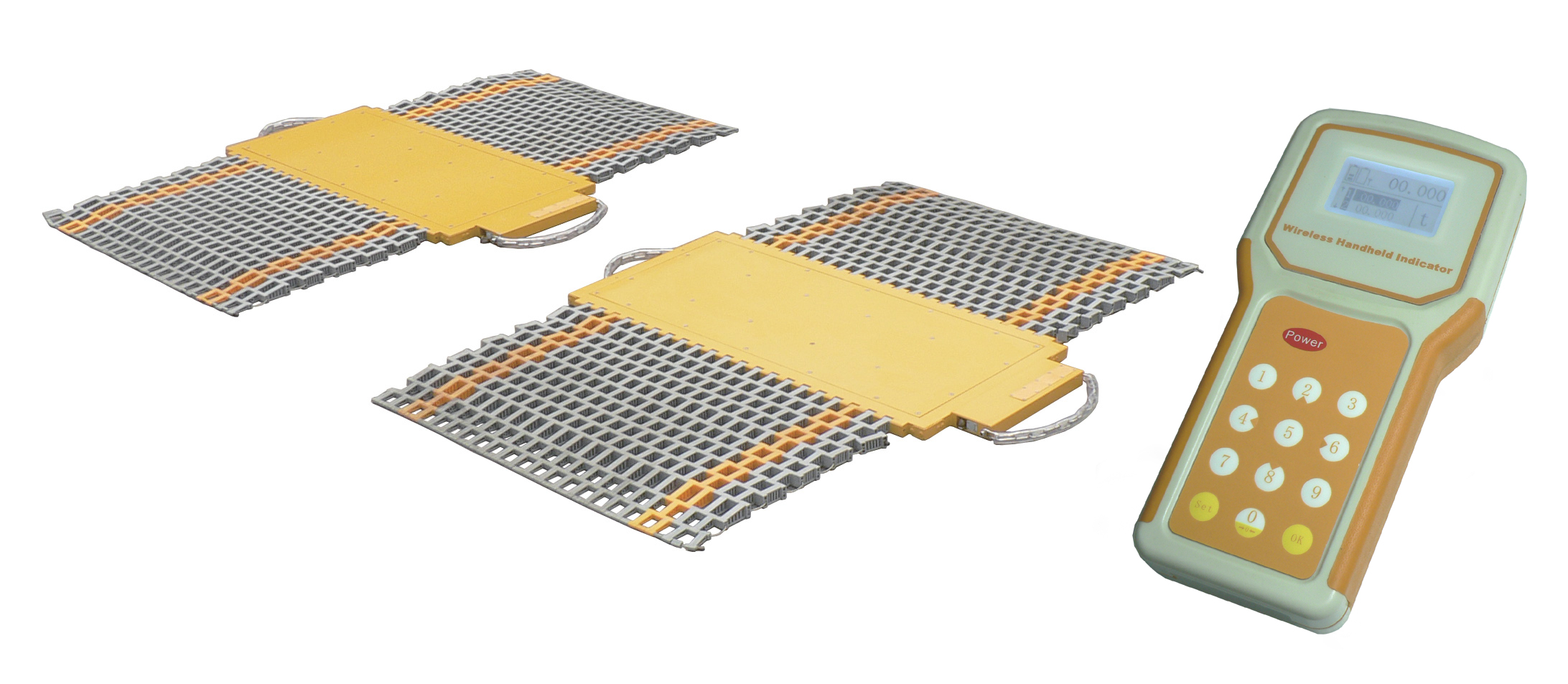
Modern transportation infrastructure relies heavily on precise weight measurement technology to ensure road safety, regulatory compliance, and efficient logistics operations. A weigh in motion system represents a significant advancement in vehicle weighing technology, enabling continuous monitoring without disrupting traffic flow. These sophisticated systems have revolutionized how transportation authorities, logistics companies, and enforcement agencies approach vehicle weight management across highways, industrial facilities, and commercial checkpoints.
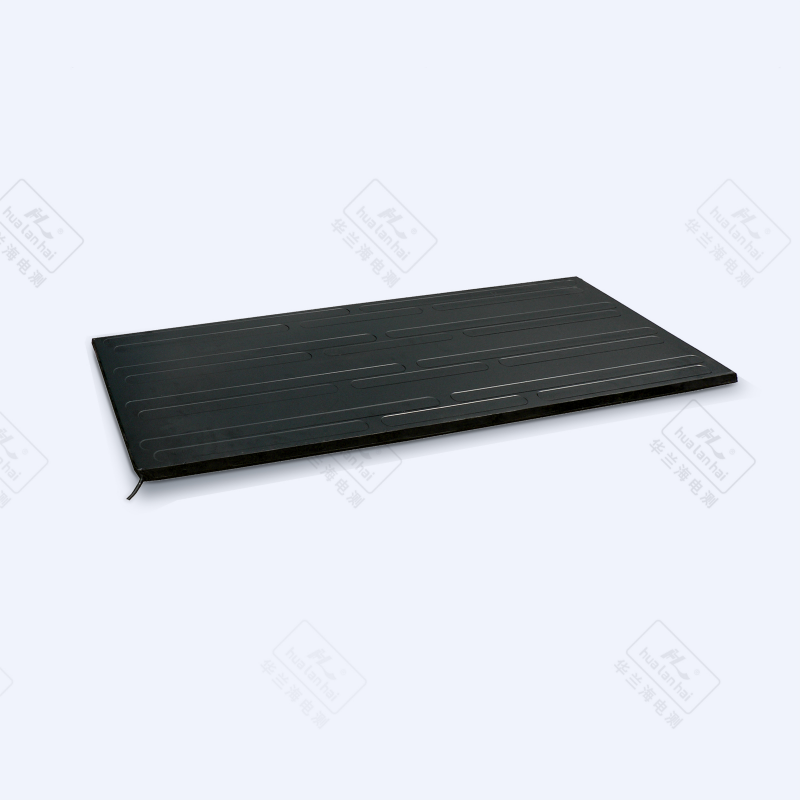
The accuracy of contemporary weigh in motion technology has reached unprecedented levels, with many systems achieving measurement precision within acceptable industry tolerances. Unlike traditional static weighing methods that require vehicles to stop completely, modern systems provide real-time data while maintaining normal traffic speeds. This capability has transformed weight enforcement operations, enabling authorities to monitor vehicle compliance continuously while reducing congestion and operational costs associated with traditional weigh stations.
Technical Foundations of Modern Weighing Accuracy
Advanced Sensor Technology Integration
Contemporary weigh in motion system designs incorporate multiple sensor technologies working in unison to maximize measurement accuracy. Piezoelectric sensors, strain gauge load cells, and bending plate technologies form the core components of these sophisticated measurement platforms. The integration of these diverse sensing methods allows for cross-validation of weight measurements, significantly reducing the potential for measurement errors that could compromise system reliability.
The piezoelectric sensors embedded within the roadway surface generate electrical charges proportional to the applied force from vehicle axles. These sensors demonstrate exceptional sensitivity to dynamic loading conditions, capturing rapid changes in weight distribution as vehicles traverse the measurement zone. Advanced signal processing algorithms filter environmental noise and temperature variations, ensuring consistent performance across varying operational conditions.
Load cell technology provides complementary measurement capabilities, offering high-precision force measurement through mechanical deformation sensing. Modern load cells incorporate temperature compensation mechanisms and digital signal processing to maintain accuracy despite environmental fluctuations. The combination of multiple sensor types creates redundant measurement pathways, enhancing overall system reliability and measurement confidence.
Environmental Compensation Mechanisms
Environmental factors significantly influence the accuracy of any weigh in motion system, requiring sophisticated compensation mechanisms to maintain measurement precision. Temperature variations affect sensor sensitivity, material properties, and electronic component performance, necessitating real-time calibration adjustments. Modern systems incorporate temperature sensors throughout the installation, enabling continuous compensation for thermal effects on measurement accuracy.
Moisture and humidity variations also impact system performance, particularly affecting the mechanical properties of roadway materials and sensor mounting systems. Advanced installations include moisture detection capabilities and automated calibration protocols that adjust measurement algorithms based on environmental conditions. These adaptive mechanisms ensure consistent accuracy regardless of weather conditions or seasonal variations.
Vehicle speed variations present another significant challenge for maintaining measurement accuracy in dynamic weighing applications. Modern systems incorporate sophisticated speed measurement capabilities, using this data to apply appropriate correction factors to weight calculations. Advanced algorithms account for the dynamic effects of vehicle acceleration, deceleration, and speed variations on weight distribution and measurement accuracy.
Real-Time Performance Characteristics
Speed-Independent Measurement Capabilities
The ability to maintain measurement accuracy across varying vehicle speeds represents a crucial advancement in weigh in motion system technology. Traditional weighing methods required controlled conditions and static measurements, limiting their applicability in high-traffic environments. Modern systems demonstrate consistent accuracy across speed ranges from crawling traffic to highway speeds, enabling versatile deployment in diverse operational scenarios.
Speed compensation algorithms analyze vehicle velocity data in real-time, applying appropriate correction factors to account for dynamic loading effects. These calculations consider factors such as vehicle suspension dynamics, tire deformation characteristics, and inertial effects that vary with speed. The result is measurement accuracy that remains within acceptable tolerances regardless of traffic conditions or vehicle operating speeds.
Advanced systems incorporate predictive algorithms that anticipate vehicle behavior based on approach speed and trajectory data. This predictive capability enables preemptive calibration adjustments, further enhancing measurement accuracy for vehicles operating at varying speeds. The weigh in motion system technology continues evolving to address the challenges of maintaining precision in dynamic measurement environments.
Multi-Axle Vehicle Handling
Modern commercial vehicles present complex measurement challenges due to their multi-axle configurations and varying load distributions. A sophisticated weigh in motion system must accurately measure individual axle weights while calculating total vehicle weight, accounting for the dynamic interactions between multiple axles and suspension systems. This capability requires advanced sensor arrays and sophisticated signal processing algorithms.
The spacing and timing of axle measurements provide crucial data for vehicle classification and weight validation. Modern systems analyze axle spacing patterns, load distribution characteristics, and timing sequences to identify vehicle types and validate measurement accuracy. This comprehensive analysis enables detection of measurement anomalies and provides confidence indicators for weight data quality.
Suspension dynamics in multi-axle vehicles create complex loading patterns that can affect measurement accuracy if not properly addressed. Advanced systems incorporate suspension modeling algorithms that predict and compensate for dynamic loading effects between interconnected axles. These sophisticated calculations ensure accurate individual axle measurements while maintaining precise total vehicle weight calculations.
Accuracy Standards and Validation Methods
Industry Compliance Requirements
The transportation industry has established rigorous accuracy standards that any weigh in motion system must meet to ensure reliable operation and regulatory acceptance. These standards typically require measurement accuracy within specific tolerance ranges, often expressed as percentages of actual vehicle weight. Meeting these requirements necessitates comprehensive calibration procedures and ongoing validation protocols.
Certification processes involve extensive testing under controlled conditions, using vehicles with known weights to validate system accuracy across various operational scenarios. These tests evaluate performance under different speed conditions, vehicle configurations, and environmental factors. The certification data provides confidence in system accuracy and establishes the operational parameters within which specified accuracy levels can be maintained.
Ongoing compliance requires regular calibration verification and performance monitoring to ensure continued accuracy throughout system operational life. Modern installations incorporate automated calibration verification procedures that continuously monitor system performance against reference standards. These automated processes reduce maintenance requirements while ensuring consistent accuracy over extended operational periods.
Quality Control and Calibration Procedures
Maintaining the accuracy of a weigh in motion system requires systematic quality control procedures and regular calibration activities. These procedures involve both automated self-diagnostic capabilities and manual verification processes using certified reference weights. The combination of automated and manual procedures ensures comprehensive validation of system accuracy and reliability.
Automated diagnostic systems continuously monitor sensor performance, signal quality, and measurement consistency to identify potential accuracy degradation before it affects operational performance. These systems generate alerts when measurements fall outside acceptable tolerance ranges, enabling proactive maintenance and calibration activities. Real-time monitoring capabilities ensure immediate detection of accuracy issues that could compromise measurement reliability.
Manual calibration procedures involve periodic testing with vehicles of known weights, providing direct validation of measurement accuracy under actual operating conditions. These procedures typically include testing across different vehicle types, speeds, and loading conditions to verify system performance across the full range of operational parameters. Documentation of calibration results provides traceability and compliance evidence for regulatory requirements.
Technological Innovations Enhancing Accuracy
Artificial Intelligence Integration
The integration of artificial intelligence technologies has significantly enhanced the accuracy and reliability of modern weigh in motion system installations. Machine learning algorithms analyze vast datasets of measurement information to identify patterns, optimize calibration parameters, and predict potential accuracy issues before they impact system performance. This predictive capability enables proactive maintenance and calibration adjustments.
AI-powered systems continuously learn from operational data, refining measurement algorithms based on actual performance feedback. This adaptive capability enables automatic optimization of system parameters for specific installation conditions and traffic patterns. The result is improved accuracy over time as the system adapts to local operational characteristics and environmental conditions.
Pattern recognition capabilities enable AI systems to identify and filter anomalous measurements that could compromise accuracy statistics. These systems can distinguish between valid measurements and data points affected by factors such as vehicle mechanical issues, unusual loading conditions, or environmental disturbances. This intelligent filtering ensures that reported accuracy statistics reflect true system performance under normal operating conditions.
Advanced Data Processing Algorithms
Modern weigh in motion system technology incorporates sophisticated data processing algorithms that significantly enhance measurement accuracy through advanced signal analysis techniques. These algorithms process raw sensor data using digital filtering, noise reduction, and signal enhancement methods to extract precise weight information from complex dynamic measurements. The computational power of modern processors enables real-time implementation of these advanced processing techniques.
Frequency domain analysis techniques identify and remove environmental noise and vibration effects that could compromise measurement accuracy. These methods separate vehicle-induced signals from background noise, enabling precise extraction of weight-related information from the complex sensor data streams. Advanced filtering algorithms adapt to changing environmental conditions, maintaining optimal signal quality across varying operational scenarios.
Data fusion algorithms combine information from multiple sensors and measurement systems to produce more accurate and reliable weight measurements than any individual sensor could provide. These algorithms weight the contributions of different sensors based on their reliability and accuracy characteristics, optimizing overall system performance. The result is measurement accuracy that exceeds the capabilities of individual sensor technologies.
Applications and Real-World Performance
Highway Enforcement Operations
Highway enforcement agencies have widely adopted weigh in motion system technology for continuous monitoring of vehicle weight compliance without disrupting traffic flow. These systems enable authorities to identify overweight vehicles while they remain in normal traffic streams, allowing for selective enforcement actions that focus resources on actual violations. The accuracy of modern systems provides legally defensible measurement data for enforcement proceedings.
Enforcement operations benefit from the real-time data capabilities of modern systems, enabling immediate identification of potential violations and rapid response by enforcement personnel. Integration with communication systems allows automatic notification of enforcement officers when overweight vehicles are detected, streamlining the enforcement process and improving response times. This capability significantly enhances enforcement efficiency compared to traditional static weighing methods.
The continuous monitoring capabilities of weigh in motion systems provide comprehensive data on traffic patterns, vehicle classifications, and weight distributions across highway networks. This information supports infrastructure planning, pavement design, and maintenance scheduling decisions. The accuracy of weight data enables precise calculation of pavement loading factors and infrastructure wear rates.
Industrial and Commercial Applications
Industrial facilities and commercial operations increasingly rely on weigh in motion system technology for process control, inventory management, and quality assurance applications. These systems provide accurate weight measurements for incoming and outgoing shipments without requiring dedicated weighing areas or operational delays. The accuracy and reliability of modern systems support critical business processes that depend on precise weight information.
Manufacturing facilities use weigh in motion technology to monitor material flows and verify product weights during production processes. The real-time measurement capabilities enable immediate detection of weight variations that could indicate process problems or quality issues. Integration with process control systems allows automatic adjustment of production parameters based on weight measurement feedback.
Logistics operations benefit from the speed and accuracy of modern weigh in motion systems for shipment verification and compliance monitoring. These systems enable rapid processing of vehicle loads without the delays associated with traditional weighing methods. The accuracy of measurements supports billing accuracy, regulatory compliance, and load optimization decisions that directly impact operational efficiency and profitability.
Maintenance and Longevity Considerations
Preventive Maintenance Requirements
Maintaining optimal accuracy in any weigh in motion system requires systematic preventive maintenance programs that address both mechanical and electronic components. Regular inspection of sensors, roadway installations, and electronic systems ensures continued accuracy and prevents degradation that could compromise measurement reliability. Preventive maintenance schedules typically include calibration verification, sensor cleaning, and electronic system diagnostics.
Roadway conditions significantly impact system accuracy, requiring regular inspection and maintenance of pavement surfaces around sensor installations. Proper drainage, surface smoothness, and structural integrity of the roadway directly affect measurement accuracy. Maintenance programs must address these infrastructure requirements to ensure continued system performance over extended operational periods.
Electronic system maintenance involves regular verification of signal processing components, communication systems, and data storage capabilities. Modern systems incorporate diagnostic capabilities that monitor electronic component performance and identify potential issues before they affect measurement accuracy. These diagnostic systems reduce maintenance requirements while ensuring reliable system operation.
Environmental Protection and Durability
The durability and environmental resistance of weigh in motion system components directly impact long-term accuracy and operational reliability. Modern installations incorporate weather-resistant designs and protective measures that ensure consistent performance despite exposure to harsh environmental conditions. These protective measures include sealed sensor enclosures, moisture-resistant electronics, and corrosion-resistant materials.
Temperature cycling, moisture exposure, and chemical contamination present ongoing challenges for maintaining system accuracy over extended operational periods. Advanced installations incorporate environmental monitoring and protection systems that detect and mitigate these environmental effects. Protective measures may include heating systems for cold weather operation, drainage systems for moisture control, and chemical-resistant coatings for corrosive environments.
The mechanical durability of sensor installations must withstand millions of vehicle passes while maintaining measurement accuracy. Modern sensor designs incorporate robust mechanical construction and fatigue-resistant materials that ensure long-term reliability under heavy traffic loading. Regular monitoring of mechanical condition provides early warning of potential accuracy degradation due to mechanical wear or damage.
FAQ
What accuracy levels can modern weigh in motion systems achieve
Modern weigh in motion systems typically achieve accuracy levels within 2-5% of actual vehicle weight under optimal conditions, with some advanced installations reaching accuracy levels better than 1% for properly maintained systems. The accuracy depends on factors such as vehicle speed, road conditions, system calibration, and environmental factors. Regular calibration and maintenance are essential for maintaining these accuracy levels throughout the system operational life.
How do environmental conditions affect weigh in motion system accuracy
Environmental conditions including temperature variations, moisture levels, and road surface conditions can significantly impact measurement accuracy if not properly compensated. Modern systems incorporate environmental monitoring and automatic compensation mechanisms that adjust measurements based on current conditions. Proper installation and maintenance procedures minimize environmental effects, while advanced systems can maintain accuracy across wide ranges of environmental conditions.
What maintenance is required to ensure continued accuracy
Maintaining weigh in motion system accuracy requires regular calibration verification, sensor cleaning, roadway maintenance, and electronic system diagnostics. Typical maintenance schedules include monthly visual inspections, quarterly calibration checks, and annual comprehensive system verification. Advanced systems incorporate automated diagnostic capabilities that reduce manual maintenance requirements while providing continuous monitoring of system performance and accuracy.
How do modern systems handle different vehicle types and configurations
Contemporary weigh in motion systems incorporate sophisticated vehicle classification algorithms that identify different vehicle types and apply appropriate measurement techniques for each configuration. Multi-axle vehicles, trailers, and specialized equipment require different analysis approaches, which modern systems handle automatically through pattern recognition and adaptive processing algorithms. This capability ensures accurate measurements regardless of vehicle type or configuration complexity.