
 EN
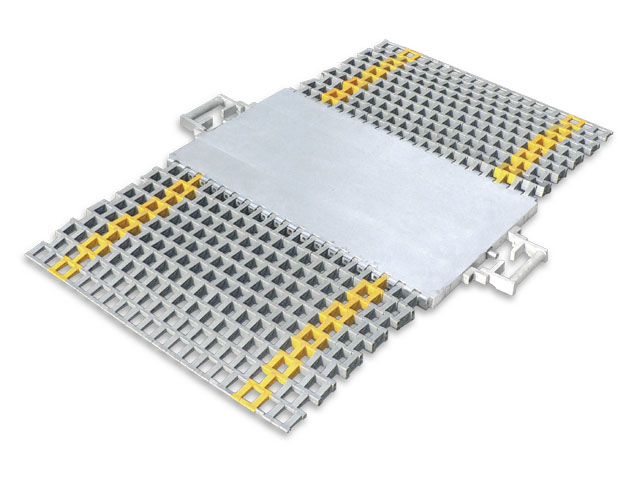
Accurate vehicle weight measurement is critical for fleet operations, safety compliance, and logistics efficiency. An axle weigh pad offers a practical, portable solution for determining vehicle weight without requiring permanent infrastructure or lengthy setup times. Whether you operate a small logistics fleet, manage construction equipment, or handle agricultural vehicles, understanding how an axle weigh pad works and when to deploy it can significantly improve operational workflow and reduce compliance risks.
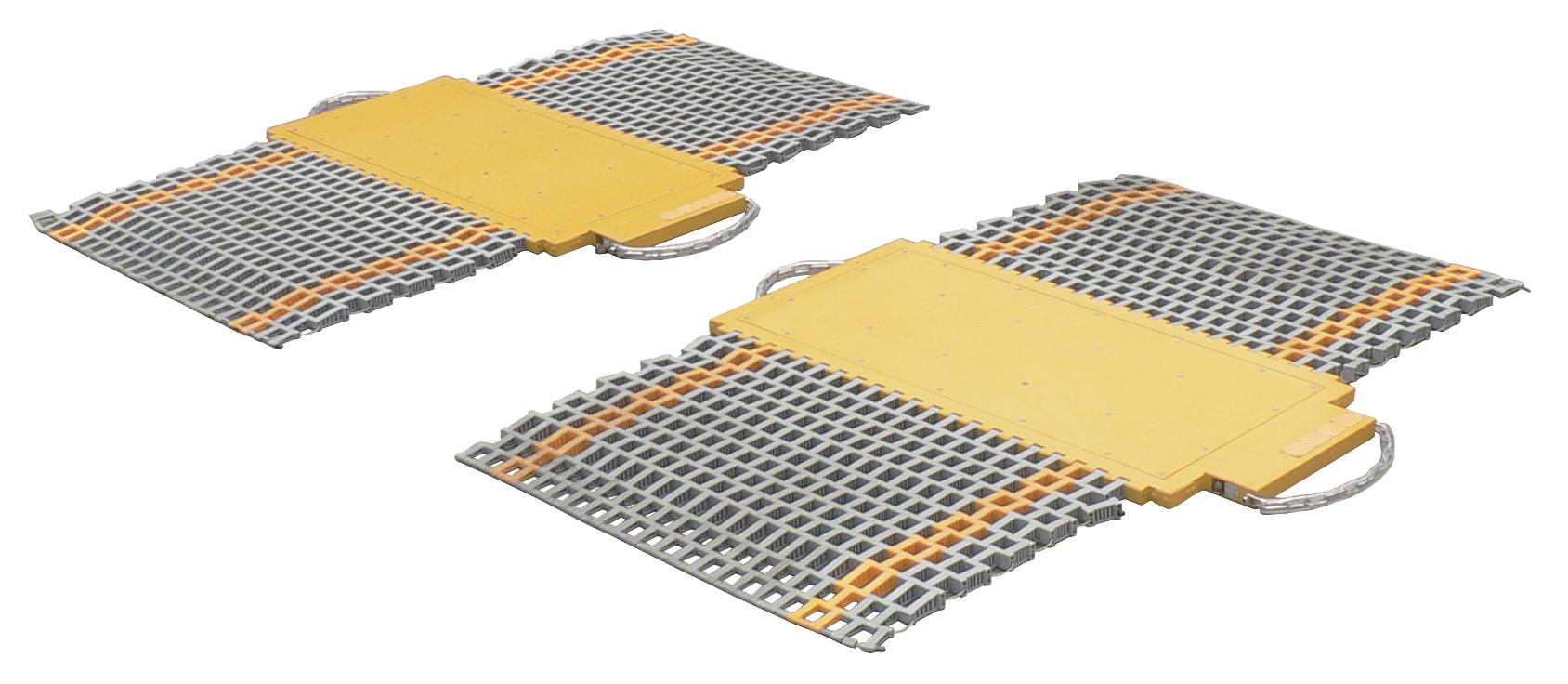
Traditional fixed weighing infrastructure requires substantial investment, installation time, and dedicated facility space. A lightweight axle weigh pad eliminates these barriers by delivering accurate weight data on demand, anywhere you need it. This flexibility has made portable weighing systems increasingly popular across transportation, construction, and industrial sectors seeking cost-effective alternatives to permanent weigh stations.
How an Axle Weigh Pad Delivers Portable Weight Measurement
Core Mechanism and Sensor Technology
An axle weigh pad uses load cell technology to measure the weight concentrated on individual vehicle axles. When a vehicle wheel or axle contacts the pad surface, sensors embedded within detect and quantify the force, translating it into accurate weight readings displayed on a connected interface. Modern axle weigh pad designs employ durable steel or composite platforms that withstand repeated loading from heavy vehicles while maintaining precision across thousands of weighing cycles.
The simplicity of this mechanism makes the axle weigh pad ideal for fieldwork and temporary installations. Unlike complex pit-based scales requiring excavation and concrete foundation work, a portable axle weigh pad can be positioned in minutes and moved to different locations as operational needs shift. Data transmission occurs either through wired connections or wireless modules, allowing real-time monitoring and record-keeping without complex infrastructure.
Deployment Flexibility and Setup Speed
Speed is a defining advantage of the axle weigh pad approach. Transportation teams can deploy an axle weigh pad at loading docks, staging areas, or temporary work sites to verify compliance before vehicles depart. Construction operations frequently position an axle weigh pad near material stockpiles to ensure trucks are loaded within regulatory limits before leaving site. Agricultural operations use an axle weigh pad to confirm harvest loads without traveling to distant permanent scales, reducing transit time and fuel consumption.
The lightweight nature of modern axle weigh pad systems means transportation by standard work vehicles or manual placement requires minimal effort. A single technician can typically reposition an axle weigh pad between multiple sites during a single workday, expanding its utility for organizations managing dispersed operations or seasonal workflows.
Operational Benefits and Regulatory Compliance Applications
Weight Verification and Legal Compliance
Overweight violations expose fleet operators to substantial fines, increased insurance premiums, and potential vehicle impoundment. An axle weigh pad allows verification of vehicle loads before departure, preventing costly enforcement encounters. Many jurisdictions impose lower weight limits during certain seasons or on specific routes, and an axle weigh pad enables quick compliance checks at multiple locations without scheduling visits to central facilities.
For commercial operations, maintaining documented evidence of pre-transport weight verification protects against liability claims. Data logged from an axle weigh pad demonstrates due diligence in load management and provides defensible records during regulatory audits. This documentation capability makes the axle weigh pad valuable for liability management and regulatory defense strategies.
Operational Efficiency and Cost Impact
Eliminating trips to distant weigh stations saves fuel, labor hours, and vehicle downtime. When an axle weigh pad is located on-site or nearby, drivers avoid lengthy detours that disrupt delivery schedules and increase operational costs. For logistics networks managing hundreds of daily shipments, reducing travel time to weigh stations multiplies into significant cost savings across the year.
An axle weigh pad also prevents costly overloading incidents by catching weight violations before vehicles reach highways or enforcement checkpoints. The financial benefit of avoiding fines, penalties, and vehicle impoundment far exceeds the investment in portable axle weigh pad equipment, particularly for high-volume operations.
Industry Applications and Scenario-Based Usage
Transportation and Logistics Networks
Freight carriers and logistics providers deploy an axle weigh pad at loading facilities to validate shipment weights before dispatch. This practice prevents overweight penalties that would otherwise accumulate as the fleet scales up. An axle weigh pad positioned at a central distribution hub can serve dozens of outbound trucks daily, making it highly economical compared to per-trip fees at public weigh stations.
For less-than-truckload operations, an axle weigh pad enables accurate weight-based billing and slot allocation, improving revenue accuracy and customer service. When customers question weight-based charges, documented data from an axle weigh pad provides objective verification that resolves disputes quickly.
Construction and Demolition Operations
Construction sites frequently use an axle weigh pad to control material haul-outs and prevent permit violations on local roads. Dump trucks loaded with concrete, debris, or soil can be quickly verified before leaving the site, protecting the contractor from citations and maintaining neighborhood relations. In densely populated areas with strict weight restrictions, an axle weigh pad becomes essential equipment for permit compliance.
An axle weigh pad also protects against unpaid material theft by documenting the weight of loads leaving the property. Accurate records from an axle weigh pad enable quick identification of discrepancies and unauthorized removals.
Agricultural and Natural Resource Handling
Farmers and agricultural cooperatives use an axle weigh pad to measure grain, produce, and livestock loads without traveling to distant buyer facilities. This on-farm axle weigh pad setup enables faster transaction processing during harvest season and reduces unnecessary vehicle miles. Payment settlements based on axle weigh pad measurements create transparency and build trust between producers and buyers.
Timber operations and aggregate suppliers deploy mobile axle weigh pad systems to verify material quantities at loading points, preventing disputes over product volume and enabling accurate billing. The portability of an axle weigh pad makes it feasible to move between multiple extraction or processing sites as operations rotate.
FAQ
What level of accuracy can you expect from a portable axle weigh pad?
Modern axle weigh pad systems typically achieve accuracy within 1 to 2 percent of actual weight, meeting or exceeding regulatory standards for commercial transactions. Load cell calibration and regular maintenance preserve this accuracy over extended service life. For compliance verification and billing applications, this axle weigh pad accuracy level is more than sufficient and comparable to fixed weigh station performance.
Can an axle weigh pad measure individual axle loads versus total vehicle weight?
Yes, the axle weigh pad design measures weight on specific axles as wheels contact the sensor platform. By positioning the axle weigh pad under individual axles sequentially, operators obtain discrete weight readings for each axle, then sum them to calculate total vehicle weight. This capability makes the axle weigh pad particularly useful for verifying axle weight limits set by regulations, which often vary by jurisdiction and vehicle class.
What maintenance does an axle weigh pad require to maintain performance?
Regular axle weigh pad maintenance includes cleaning the sensor platform to remove debris, checking electrical connections and wireless modules, and conducting calibration checks using certified weights. Most axle weigh pad systems require minimal maintenance beyond these basic steps. Keeping the axle weigh pad stored in dry conditions and protected from extreme temperatures extends sensor life and ensures consistent accuracy across operating seasons.